
The landscape of urban transportation is undergoing a radical digital transformation. For decades, public transit relied on fixed routes, static schedules, and rigid infrastructures that often failed to meet the needs of modern, hyper-connected commuters. Enter microtransit: a technology-enabled transit model that bridges the gap between traditional bus systems and private ride-hailing services.
At its core, microtransit is an IT-driven solution to the “first-mile/last-mile” problem. By leveraging sophisticated algorithms, cloud computing, and real-time data, microtransit offers a flexible, on-demand service that adapts to rider demand in real-time. This article delves into the technological framework of microtransit, exploring how software-as-a-service (SaaS) and artificial intelligence are redefining how we move through smart cities.
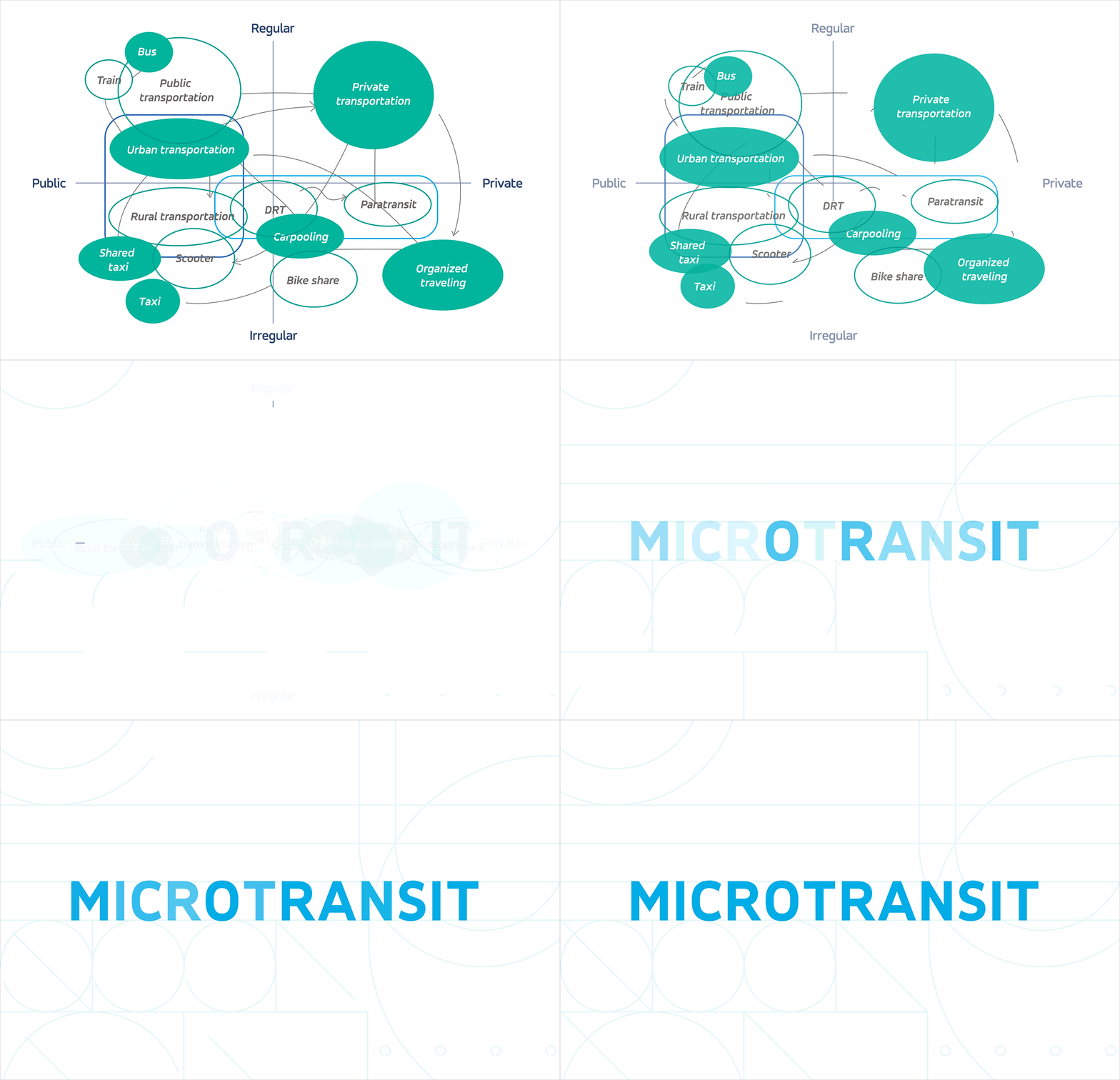
The Technological Backbone: Algorithms and Real-Time Routing
The primary differentiator between a standard shuttle service and a microtransit system is the software layer. Without a robust technical backend, microtransit would simply be a fleet of smaller buses. The “intelligence” of the system lies in its ability to process massive amounts of data instantaneously.
Dynamic Routing and Dispatching Algorithms
In traditional transit, routes are drawn months in advance. In microtransit, routes are generated in seconds. When a user requests a ride through a smartphone app, the system’s dispatching engine calculates the most efficient path for a vehicle already in service. This involves solving the “Vehicle Routing Problem” (VRP) in real-time—a complex mathematical challenge that accounts for existing passengers, traffic conditions, and incoming ride requests. The software ensures that “pooling” occurs efficiently, meaning multiple passengers with similar origins and destinations are grouped together without significantly delaying any individual rider.
Virtual Bus Stops and Geofencing
Microtransit tech often utilizes “virtual bus stops.” Instead of picking users up at their front door (which is inefficient for transit), the app uses GPS and geofencing to direct the passenger to a nearby corner or landmark. This “corner-to-corner” logic is managed entirely via the backend, optimizing the vehicle’s trajectory to avoid time-consuming U-turns or residential cul-de-sacs. Geofencing also allows operators to define specific service zones, ensuring the software only accepts rides within designated digital boundaries.
Machine Learning for Demand Prediction
Advanced microtransit platforms utilize machine learning (ML) to move from a reactive state to a proactive one. By analyzing historical ride data, weather patterns, and local events, the AI can predict when and where demand will spike. This allows the system to “pre-position” vehicles in high-demand areas before the requests even come in, drastically reducing wait times and improving the overall efficiency of the fleet.
Integrating Microtransit into the Smart City Ecosystem
Microtransit does not exist in a vacuum; it is a critical component of the broader Mobility as a Service (MaaS) movement. To be effective, microtransit software must integrate seamlessly with existing city infrastructure and third-party digital tools.
API Integration and Multi-Modal Connectivity
A hallmark of a high-tech transit system is its ability to “talk” to other platforms. Through Application Programming Interfaces (APIs), microtransit apps can show real-time connections to subways, light rails, or regional trains. For a user, this means the software can plan a trip that starts with a microtransit shuttle and ends with a train ride, all within a single interface. This level of technical interoperability is essential for reducing reliance on private vehicles.
Data Standards: GTFS-Flex and Beyond
For years, the General Transit Feed Specification (GTFS) has been the gold standard for fixed-route data. However, microtransit requires something more fluid. The tech community has developed GTFS-Flex, an extension of the standard that allows dynamic services to be discovered on platforms like Google Maps or Apple Maps. This technical standard ensures that on-demand services are just as visible to the public as traditional bus lines.
IoT and Fleet Telematics
Every vehicle in a microtransit fleet acts as a node in an Internet of Things (IoT) network. Telematics hardware installed in the vehicles transmits real-time data regarding vehicle health, fuel/battery levels, and driver behavior to a central dashboard. This allows operators to use predictive maintenance software, identifying a potential engine or battery failure before it happens, thereby maximizing “uptime” for the digital transit network.
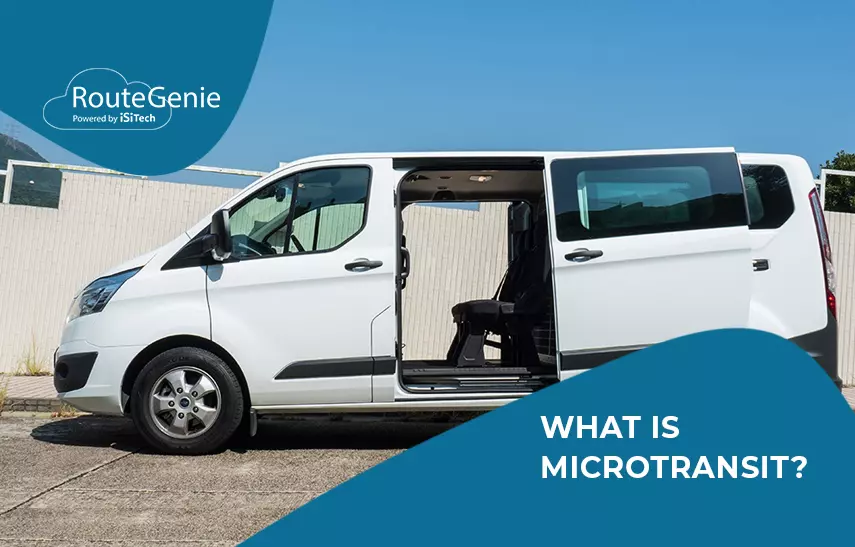
The Software-as-a-Service (SaaS) Model for Modern Transit
Most modern microtransit solutions are delivered via a SaaS model. Instead of transit agencies building their own software from scratch, they partner with specialized tech firms that provide the digital infrastructure.
The Passenger Interface (Frontend)
The user experience (UX) is the most visible part of the microtransit tech stack. A high-performing app must provide accurate ETAs, real-time vehicle tracking, and secure payment processing. Developers focus on “frictionless” design, integrating digital wallets (like Apple Pay or Google Wallet) and providing accessibility features for riders with visual or hearing impairments.
The Operator Dashboard (Backend)
Behind the scenes, transit managers use a comprehensive web-based dashboard to monitor the entire system. This software provides a “god’s eye view” of every vehicle, active trip, and pending request. Data visualization tools allow managers to see “heat maps” of demand, helping them make data-driven decisions about fleet scaling and zone adjustments. This shift from manual scheduling to digital oversight represents a massive leap in operational efficiency.
Cybersecurity and Data Privacy
As with any platform collecting location data, cybersecurity is paramount. Microtransit software must adhere to strict data protection regulations (such as GDPR or CCPA). Encryption of user data, secure API endpoints, and anonymization of movement patterns are critical technical requirements. Ensuring that a user’s daily commute data is protected from breaches is a foundational aspect of building trust in digital transit systems.
Future Tech Trends: Autonomy, AI, and Electrification
The evolution of microtransit is closely tied to the “ACES” acronym: Automated, Connected, Electric, and Shared. The next decade will see these four technological pillars converge within the microtransit sector.
The Transition to Autonomous Shuttles
The ultimate goal for many microtransit tech developers is the removal of the driver. Autonomous microtransit shuttles—equipped with LiDAR, radar, and advanced computer vision—are already being tested in “geo-fenced” environments like university campuses and corporate parks. From a software perspective, this requires integrating the routing algorithm directly with the vehicle’s self-driving stack, creating a fully automated on-demand network.
Smart Charging and Electric Fleet Management
As cities push for greener solutions, microtransit fleets are transitioning to Electric Vehicles (EVs). This introduces a new layer of technical complexity: Charge Management Software. The dispatching algorithm must now account for battery levels and the availability of charging stations. If a vehicle’s state-of-charge is too low, the software must automatically take it out of rotation and route it to a high-speed charger, ensuring the fleet remains operational 24/7 without human intervention.
AI-Driven Dynamic Pricing and Incentives
In some advanced models, AI is used to manage demand via dynamic pricing or “nudging.” If the system detects a massive surge in a specific area, it might offer digital rewards or lower fares to riders who are willing to walk a block further to a different virtual stop. This level of algorithmic “yield management” helps balance the load across the network, ensuring that the technology can handle peak hours without crashing or becoming prohibitively slow.
Conclusion: The Software-First Future of Transit
Microtransit is more than just a mobility trend; it is a fundamental shift toward software-first urban planning. By replacing rigid schedules with dynamic algorithms and replacing paper tickets with integrated mobile apps, microtransit provides a blueprint for the future of the smart city.
The success of these systems depends entirely on the strength of their technological foundations—specifically their ability to process real-time data, integrate with larger MaaS ecosystems, and scale through SaaS platforms. As AI and autonomous vehicle technology continue to mature, microtransit will become even more efficient, eventually providing a seamless, high-tech alternative to the private automobile. In the end, the “micro” in microtransit refers to the vehicle size, but the “transit” is powered by “macro” technological innovation.
aViewFromTheCave is a participant in the Amazon Services LLC Associates Program, an affiliate advertising program designed to provide a means for sites to earn advertising fees by advertising and linking to Amazon.com. Amazon, the Amazon logo, AmazonSupply, and the AmazonSupply logo are trademarks of Amazon.com, Inc. or its affiliates. As an Amazon Associate we earn affiliate commissions from qualifying purchases.