
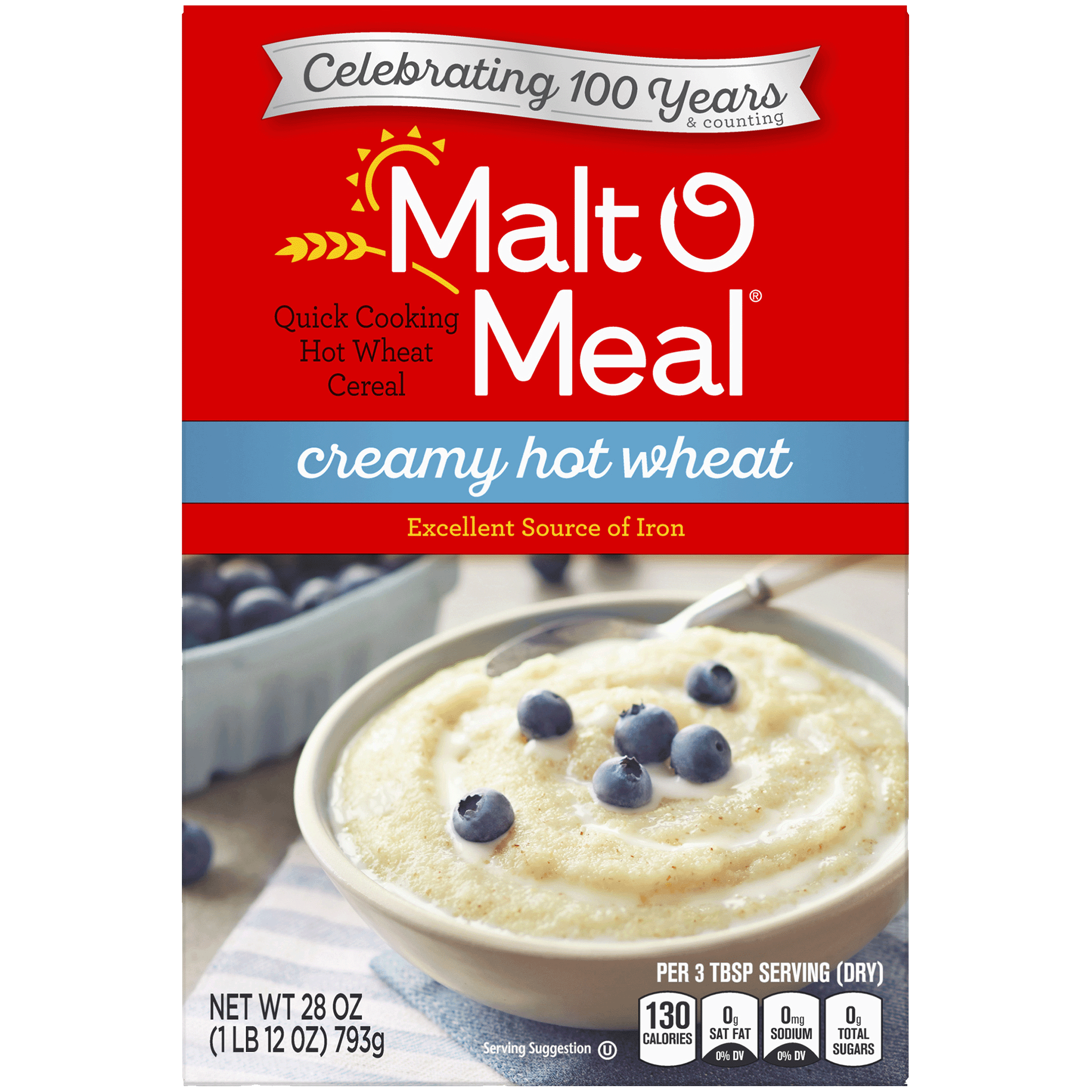
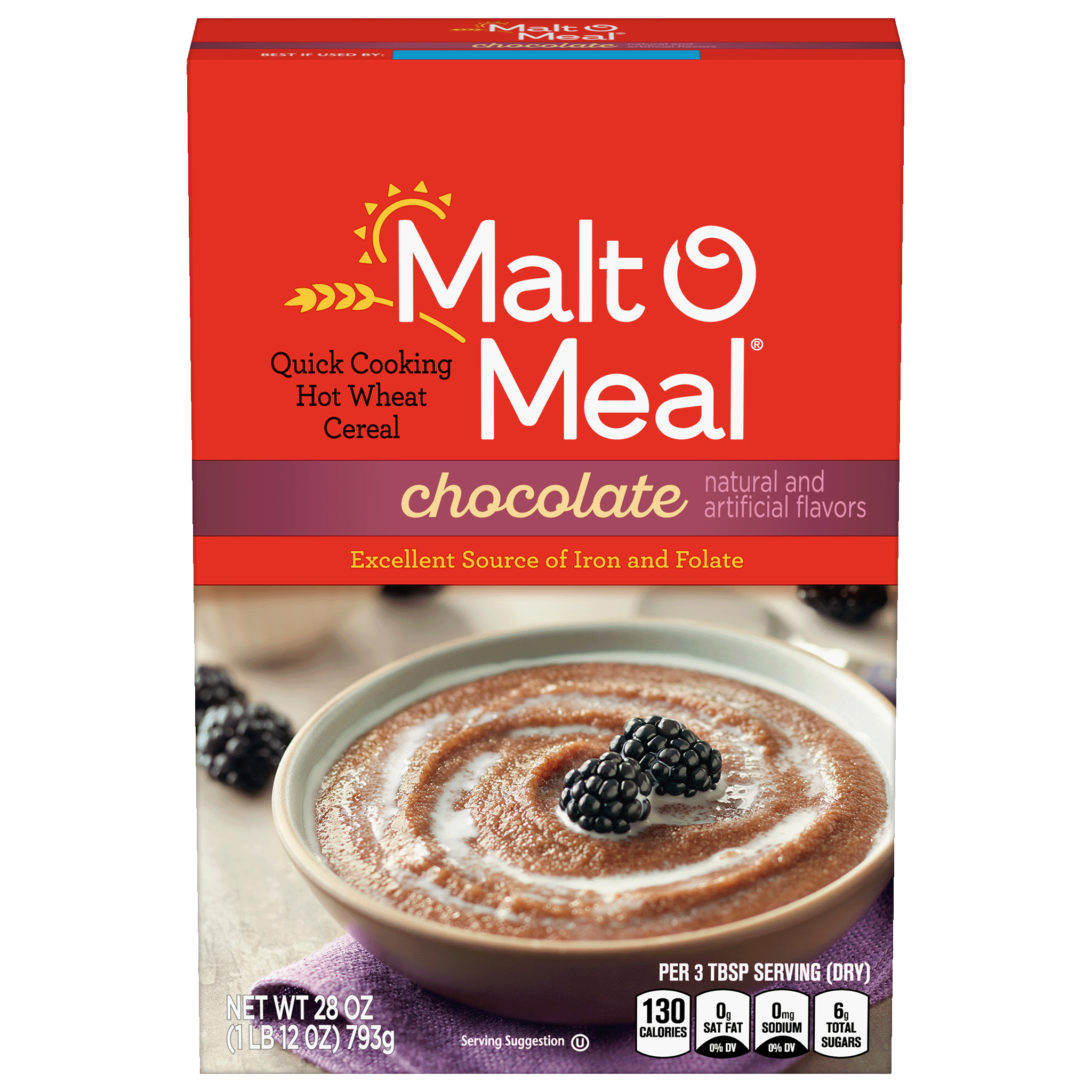
In the hyper-competitive landscape of the American consumer packaged goods (CPG) industry, few stories are as compelling as that of Malt-O-Meal. While many see it simply as the “cereal in the bag” found on the bottom shelf of the grocery aisle, from a brand strategy perspective, Malt-O-Meal represents a masterclass in market disruption, value-based positioning, and the psychology of the “challenger brand.” Owned today by Post Consumer Brands, Malt-O-Meal has successfully navigated over a century of industry shifts, evolving from a niche hot cereal manufacturer into a powerhouse that challenges the hegemony of breakfast titans like Kellogg’s and General Mills.

Understanding “what is Malt-O-Meal” requires looking beyond the puffed rice and frosted flakes. It requires an analysis of how a brand can intentionally strip away the traditional “premium” markers of its category—the box, the high-budget mascot, and the prime eye-level shelf space—to build a loyal empire based on transparency, efficiency, and perceived value.
The Evolution of Malt-O-Meal: From Hot Cereal to Market Disruption
The Malt-O-Meal brand did not start as a disruptor of the cold cereal aisle. Its origins date back to 1919 in Owatonna, Minnesota, where John S. Campbell founded the Campbell Cereal Company. The flagship product was a hot wheat and malt breakfast cereal designed to compete with Cream of Wheat. For decades, the brand lived in this niche, building a reputation for reliability and quality in the hot cereal segment.
The Origin Story and the Power of Niche Beginnings
In its early years, Malt-O-Meal’s brand identity was rooted in the “functional breakfast.” It wasn’t about lifestyle or entertainment; it was about nutrition and warmth. This period was crucial because it allowed the company to master supply chain logistics and grain processing long before it entered the volatile cold cereal market. By staying small and focused, the brand survived the Great Depression and multiple market fluctuations, reinforcing a corporate culture of frugality and resilience that would later become its primary competitive advantage.
Identifying the Gap in the Cold Cereal Market
The true brand pivot occurred in the mid-20th century. As cold cereal became the dominant American breakfast, the market became saturated with high-priced, heavily marketed boxed products. Malt-O-Meal’s leadership identified a significant white space: the “Value Gap.” They realized that a substantial segment of the population was paying a premium not for the food itself, but for the cardboard box and the multi-million dollar advertising campaigns featuring cartoon characters. By entering the cold cereal market with bagged packaging, Malt-O-Meal positioned itself as the rational alternative, offering “the cereal, not the fluff.”
Brand Identity: The “No-Frills” Strategy as a Competitive Advantage
Malt-O-Meal’s brand identity is a paradox; it is a “brand” that succeeds by pretending not to be a “brand” in the traditional, flashy sense. In marketing theory, this is often referred to as “de-branding” or “anti-branding.” By eschewing the box, Malt-O-Meal sends a powerful visual signal to the consumer: We save money on packaging so you can save money on breakfast.
Packaging as Brand Language
The bag is the most significant asset in Malt-O-Meal’s brand portfolio. While competitors view the box as a canvas for marketing, Malt-O-Meal views the bag as a functional tool. This choice is a brilliant branding move because it solves two problems at once. First, it differentiates the product physically on the shelf—a bag stands out in a sea of boxes. Second, it serves as a constant reminder of the value proposition. The resealable “Zip-Pak” feature, introduced later, added a layer of functional superiority, suggesting that the brand was more practical than its “stale-prone” boxed counterparts.
Value-Based Messaging and Consumer Psychology
The messaging strategy of Malt-O-Meal is rooted in the “Compare to” tactic. On nearly every bag, the brand explicitly invites consumers to compare their product to a famous national brand (e.g., “Compare to Honey Nut Cheerios®”). This is a high-stakes branding move. It acknowledges the market leader’s quality while simultaneously positioning Malt-O-Meal as the equal peer at a lower price point. This builds “borrowed equity,” where Malt-O-Meal hitches its quality perception to established giants while maintaining its “underdog” status.
The Battle of the Bags: Challenging Industry Titans
Malt-O-Meal does not compete on brand “love” or “affinity” in the way Disney or Nike might. Instead, it competes on “utility” and “smart consumption.” This creates a unique dynamic in the grocery aisle, where Malt-O-Meal acts as a price floor for the entire category.
Disrupting the Grocery Aisle Real Estate
For years, the “Slotting Fee” system in grocery stores favored the big-budget brands that could pay for eye-level placement. Malt-O-Meal’s strategy involved dominating the “bottom well” of the cereal aisle. While this might seem like a disadvantage, it actually created a destination for price-conscious shoppers. By grouping all their bagged cereals together, they created a “Brand Block”—a massive wall of colorful bags that is impossible to miss. This physical presence reinforces the idea of a comprehensive alternative to the entire boxed cereal category.
Price Sensitivity and Market Penetration
The brand’s success is intrinsically tied to economic cycles. During recessions, Malt-O-Meal’s market share typically surges as households look to trim their grocery budgets without sacrificing the volume of food. However, the brand’s long-term strategy has been to retain those customers even when the economy improves. They achieve this through “Performance Branding”—ensuring the taste and texture are so close to the original that the consumer feels “smart” for switching, rather than feeling like they are “settling” for an inferior product.
Strategic Integration: The Post Holdings Acquisition and Brand Growth
In 2015, Post Holdings acquired MOM Brands (the parent company of Malt-O-Meal) for approximately $1.15 billion. From a brand management perspective, this was a pivotal moment. The challenge was: how does a major corporate entity maintain the “scrappy, value-driven” identity of a brand like Malt-O-Meal without corporate bloat?
Scaling Production without Diluting Brand Equity
Post understood that Malt-O-Meal’s value lay in its operational efficiency. Post integrated Malt-O-Meal’s manufacturing processes into its broader network, allowing for even greater economies of scale. However, they were careful to keep the branding distinct. You rarely see the “Post” logo prominently displayed on Malt-O-Meal bags. This preserves the “challenger” persona of Malt-O-Meal, preventing it from being perceived as just another corporate commodity.
Diversification and the Multi-Tiered Brand Portfolio
The acquisition allowed Post to run a “multi-tier” brand strategy. They could have their premium, boxed brands (like Honey Bunches of Oats) for one consumer segment, and Malt-O-Meal for the value-conscious segment. This prevents internal “cannibalization” and allows the company to capture the entire spectrum of the market. Malt-O-Meal serves as the defensive line, protecting Post’s market share from private-label store brands (like Great Value or Kirkland) by offering a “Name Brand” experience at a “Private Label” price.
Future Outlook: Maintaining Brand Relevance in the Wellness Era
As consumer preferences shift toward health, wellness, and sustainability, the Malt-O-Meal brand faces new challenges. The modern consumer is not just looking for low prices; they are looking for “clean” labels and environmental responsibility.
Transparency and Sustainable Branding
Interestingly, Malt-O-Meal’s “bagged” strategy fits perfectly into the modern sustainability narrative. The brand has begun to lean into the fact that bags create less packaging waste than cardboard boxes. In a world where “Eco-Branding” is a major driver of purchase decisions, Malt-O-Meal can pivot its value message from “Saving Money” to “Saving the Planet.” By highlighting the reduction in carbon footprint due to more efficient shipping (bags take up less space than boxes), they can attract a younger, more environmentally conscious demographic.
The Enduring Legacy of the Value Brand
Ultimately, Malt-O-Meal is a testament to the power of a clear, consistent brand promise. For over a century, the brand has never tried to be something it isn’t. It doesn’t promise a magical lifestyle; it promises a good breakfast at a fair price. In an era of “brand fatigue,” where consumers are often overwhelmed by complex marketing and high prices, Malt-O-Meal’s radical simplicity is its greatest strength.
As the brand moves forward under the Post Consumer Brands umbrella, its identity as the “smart alternative” remains its most valuable asset. Whether through digital marketing that targets the “frugal influencer” or through continued innovation in its 30+ flavor varieties, Malt-O-Meal continues to prove that in the world of branding, sometimes the most disruptive thing you can be is honest, efficient, and unboxed.
aViewFromTheCave is a participant in the Amazon Services LLC Associates Program, an affiliate advertising program designed to provide a means for sites to earn advertising fees by advertising and linking to Amazon.com. Amazon, the Amazon logo, AmazonSupply, and the AmazonSupply logo are trademarks of Amazon.com, Inc. or its affiliates. As an Amazon Associate we earn affiliate commissions from qualifying purchases.