
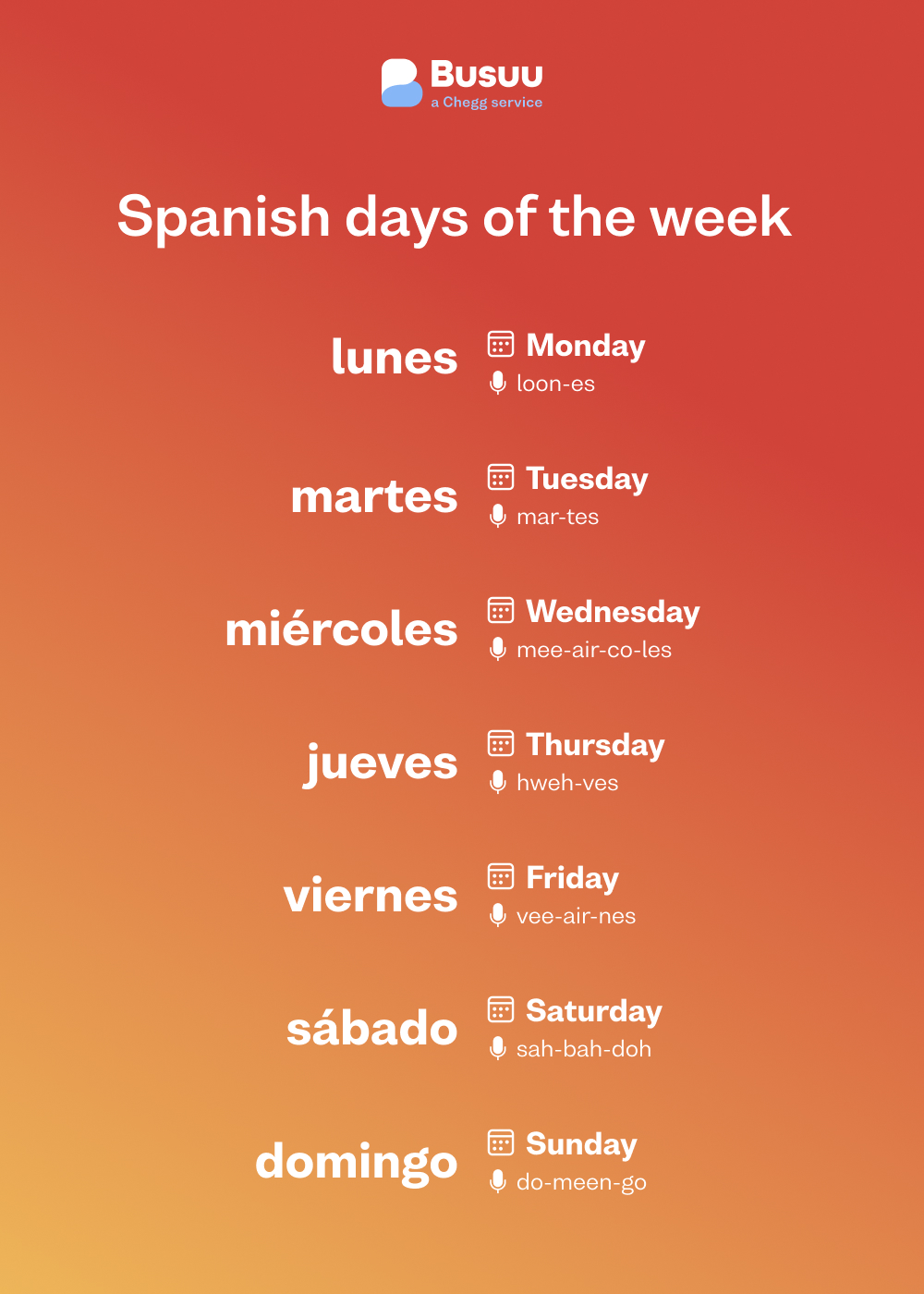
While a linguist might tell you that “lunes” translates simply to “Monday” in Spanish, the tech-savvy community recognizes this term as something far more complex and revolutionary. In the landscape of distributed ledger technology (DLT) and software innovation, Lunes represents a comprehensive blockchain ecosystem designed to bridge the gap between complex decentralized protocols and the everyday user.
To understand what Lunes is in the context of English-speaking tech markets, one must look past the calendar and into the world of multi-asset wallets, decentralized finance (DeFi), and scalable blockchain architecture. This article explores the Lunes ecosystem as a technological powerhouse, analyzing its software infrastructure, security protocols, and its role in the evolving Web3 landscape.

The Architecture of the Lunes Blockchain: Engineering for Scalability
At its core, Lunes is not just a digital currency; it is a robust blockchain infrastructure built to facilitate high-speed transactions and secure data management. Unlike legacy blockchains that struggle with congestion and high fees, the Lunes technical framework is designed for efficiency.
Leased Proof of Stake (LPoS) Consensus
The technical backbone of Lunes is its consensus algorithm. Lunes utilizes a Leased Proof of Stake (LPoS) model. This is a significant evolution from the traditional Proof of Work (PoW) systems used by Bitcoin, which require massive computational power and energy.
In the Lunes ecosystem, users can “lease” their tokens to nodes that validate transactions. This architectural choice ensures that the network remains decentralized and secure without the environmental impact or the high barrier to entry associated with expensive mining hardware. For the English-speaking developer community, LPoS represents a sophisticated balance between network security and democratic participation.
Scalability and Transaction Speed
One of the primary metrics for any modern software platform is its throughput. The Lunes blockchain is engineered to handle a high volume of transactions per second (TPS). By optimizing block production times and data propagation, the developers have created a system that can compete with traditional payment processors. This focus on scalability makes it a viable platform for decentralized applications (dApps) that require real-time processing, from supply chain tracking to digital identity verification.
The Lunes Wallet: A Masterclass in UX/UI and Digital Security
In the world of technology, a powerful backend is useless without an intuitive frontend. The Lunes Wallet serves as the primary interface for the ecosystem, and its development reflects modern software trends in user experience (UX) and user interface (UI) design.
Multi-Asset Integration and Interoperability
The Lunes Wallet is more than a storage unit for the native Lunes token. It is a multi-asset hub. From a technical perspective, achieving interoperability—the ability for different blockchains to communicate—is one of the “holy grails” of current software development. The Lunes Wallet allows users to manage Bitcoin, Ethereum, and other major assets within a single, streamlined interface. This reduces the “app fatigue” often felt by users who otherwise have to navigate multiple platforms to manage their digital lives.
Advanced Security Protocols
Security is the cornerstone of the Lunes software philosophy. The wallet employs hierarchical deterministic (HD) architecture, ensuring that users have full control over their private keys. Furthermore, the integration of biometric authentication and two-factor authentication (2FA) aligns the platform with the highest standards of digital security seen in the fintech and cybersecurity sectors. In an era where data breaches are common, Lunes prioritizes the “not your keys, not your coins” philosophy, empowering the user through sophisticated encryption.
Decentralized Applications (dApps) and the Lunes Ecosystem
The true value of a technological ecosystem is often measured by what can be built upon it. Lunes provides a fertile ground for developers to create decentralized applications that solve real-world problems through automation and smart contracts.
Smart Contract Functionality
While many people associate smart contracts exclusively with Ethereum, the Lunes ecosystem has developed its own framework for programmable transactions. These scripts allow for the execution of “if-then” scenarios without the need for intermediaries. For tech companies looking to automate complex processes—such as escrow services or automated royalty distributions—the Lunes blockchain offers a reliable and cost-effective alternative to traditional software stacks.
Tokenization of Assets
A major trend in modern technology is the “tokenization” of physical and digital assets. Lunes provides the tools necessary for businesses to create their own tokens on the Lunes blockchain. This process, often referred to as asset issuance, allows for the digital representation of everything from loyalty points to real estate shares. The technical ease with which these tokens can be created and managed on the Lunes platform highlights the project’s commitment to making blockchain technology accessible to non-specialist developers.
Lunes and the Evolution of Web3 Infrastructure
As we transition from Web2 (the social media and centralized cloud era) to Web3 (the decentralized, user-owned internet), platforms like Lunes are becoming the new infrastructure providers. The “English” interpretation of Lunes in this context is a “Gateway to Web3.”
Decentralized Identity (DID)
One of the most promising tech trends within the Lunes sphere is the development of Decentralized Identity solutions. Traditional digital identities are fragmented and owned by tech giants. Lunes aims to provide a framework where users can manage their own identity data securely on the blockchain. This has massive implications for digital security, reducing the reliance on centralized databases that are prone to hacking.
Integrating AI with Blockchain
Looking forward, the Lunes roadmap suggests a deepening intersection between Artificial Intelligence (AI) and blockchain. The integration of AI tools can help in optimizing network traffic, predicting gas fees, and enhancing the security of smart contracts through automated auditing. By positioning itself at the intersection of these two transformative technologies, Lunes is asserting its relevance in the high-growth tech sectors of the next decade.

Conclusion: The Technical Significance of Lunes
To ask “what is lunes in English” is to invite a discussion on the future of digital infrastructure. It is a name that represents a shift from centralized, opaque systems to transparent, decentralized technology.
Through its use of Leased Proof of Stake, its commitment to multi-asset interoperability, and its focus on user-centric security, Lunes has established itself as a significant player in the global technology landscape. For developers, IT professionals, and tech enthusiasts, Lunes is synonymous with a modular, scalable, and secure environment designed to facilitate the next generation of digital interaction. As the blockchain sector matures, the Lunes ecosystem stands as a testament to the power of thoughtful software engineering and the relentless pursuit of a more open internet.
aViewFromTheCave is a participant in the Amazon Services LLC Associates Program, an affiliate advertising program designed to provide a means for sites to earn advertising fees by advertising and linking to Amazon.com. Amazon, the Amazon logo, AmazonSupply, and the AmazonSupply logo are trademarks of Amazon.com, Inc. or its affiliates. As an Amazon Associate we earn affiliate commissions from qualifying purchases.