
The meticulous process of preserving a dead animal by mounting or stuffing it for display is known as taxidermy. Derived from the Greek words “taxis” (arrangement) and “derma” (skin), taxidermy is a specialized craft that combines art and science to recreate lifelike representations of animals. While often associated with hunting trophies or museum exhibits, the world of taxidermy holds significant financial implications, operating as a niche industry with professional artisans, substantial business models, and a unique market for collectors and investors. Understanding taxidermy from a monetary perspective reveals a complex landscape of services, assets, and specialized financial considerations.

The Craft of Taxidermy: A Niche Industry with Significant Financial Underpinnings
Taxidermy is far more intricate than simply “stuffing” an animal. It involves precise skinning, cleaning, tanning, and then mounting the preserved skin over a custom-made form or armature to replicate the animal’s natural posture and appearance. This skilled craft requires deep knowledge of anatomy, artistry, and chemistry. Its position as a specialized service is what drives its market value and underpins its financial ecosystem.
Historically, taxidermy evolved from rudimentary preservation techniques to a sophisticated art form in the 19th century, serving natural history museums, private collectors, and hunters. Today, the demand for taxidermy services continues, primarily driven by:
- Hunters and Anglers: Seeking to preserve trophies from successful hunts or fishing expeditions. This represents a significant portion of the modern taxidermy market.
- Museums and Educational Institutions: Requiring durable, lifelike specimens for exhibits, research, and educational programs.
- Private Collectors and Interior Designers: Acquiring unique pieces for aesthetic appeal, often valuing artistic quality and rarity.
- Conservationists and Zoos: Occasionally using taxidermy for educational displays or to commemorate significant animals.
The specialized nature of the skill set and the often time-consuming, intricate work ensure that taxidermy remains a premium service. Clients pay not just for the materials, but for the artist’s expertise, vision, and the ability to bring a deceased animal back to a semblance of life.
Building a Taxidermy Business: Investment, Overhead, and Profitability
Establishing and running a successful taxidermy business requires significant initial investment, careful management of ongoing overheads, and astute pricing strategies. It’s a venture where specialized skills translate directly into a viable income stream.
Initial Investment and Setup Costs
Starting a taxidermy workshop demands capital for several key areas:
- Tools and Equipment: Essential items include scalpels, fleshing machines, tanning drums or equipment, airbrushes, sculpting tools, and various clamps and stands. These can range from a few thousand dollars for a basic setup to tens of thousands for a professional-grade workshop.
- Chemicals and Supplies: Tanning solutions, preservation chemicals, sculpting clays, epoxies, paints, and specialized eyes are recurring costs.
- Forms and Manikins: These are pre-sculpted bodies for various animal species and poses, often custom-ordered, and can be a substantial expense depending on the size and type of animal.
- Studio Space: A dedicated, well-ventilated workspace is crucial, often requiring modifications for proper chemical handling, waste disposal, and temperature control. Rent or purchase of commercial space adds to the initial outlay.
- Training and Certification: Formal taxidermy training or apprenticeships, while invaluable for skill development, can involve tuition fees or time commitment without immediate income.
Ongoing Overhead and Operational Expenses
Once established, a taxidermy business incurs regular operational costs:
- Supplies Inventory: Continual replenishment of chemicals, forms, eyes, and habitat materials.
- Utilities: Electricity for equipment, heating/cooling, and water for processing.
- Marketing and Advertising: Website development, social media promotion, participation in outdoor expos or hunting shows, and local advertising to attract clients.
- Insurance: Liability insurance is critical, especially when dealing with potentially hazardous chemicals and client property.
- Continuing Education: Staying current with new techniques, materials, and regulations is essential for maintaining a competitive edge.
Pricing Strategies and Revenue Streams
Taxidermists typically price their services based on several factors, including:
- Species and Size: Larger, more exotic, or rarer animals command higher prices due to increased material costs, time, and complexity.
- Pose and Complexity: Dynamic, custom poses or those involving intricate habitat scenes are more expensive than standard mounts.
- Artist’s Reputation and Experience: Highly skilled or award-winning taxidermists can charge a premium for their artistry.
- Geographic Location: Pricing can vary based on local market demand and competitive rates.
Revenue streams for a taxidermy business primarily come from:
- Commissioned Work: The core business of creating new mounts for clients.
- Repair and Restoration: Servicing existing mounts that have deteriorated or been damaged.
- Sale of Existing Mounts: Some taxidermists create and sell pieces directly to collectors or through galleries.
- Teaching Workshops: Offering paid classes or online tutorials can generate additional income.
Licensing and Regulatory Compliance
Operating legally within the taxidermy industry involves significant financial implications related to permits and compliance. Taxidermists must navigate a complex web of federal and state laws, especially concerning protected species. Permits are required for handling and possessing migratory birds, endangered species, and other regulated animals. Failure to comply can result in hefty fines, confiscation of specimens, and loss of business, making legal adherence a critical financial consideration. The Convention on International Trade in Endangered Species of Wild Fauna and Flora (CITES) also governs the import and export of many species, adding layers of cost and paperwork for international clients or specimens.
Taxidermy as a Financial Asset: Collecting, Investment, and Appraisal
Beyond being a service, taxidermy pieces can represent significant financial assets, particularly for collectors and institutions. The value of preserved specimens can fluctuate based on several factors, offering unique investment opportunities.
Collecting and Market Value
Individuals collect taxidermy for various reasons, ranging from trophy preservation to purely aesthetic or scientific interest. The market value of a taxidermy piece is influenced by:
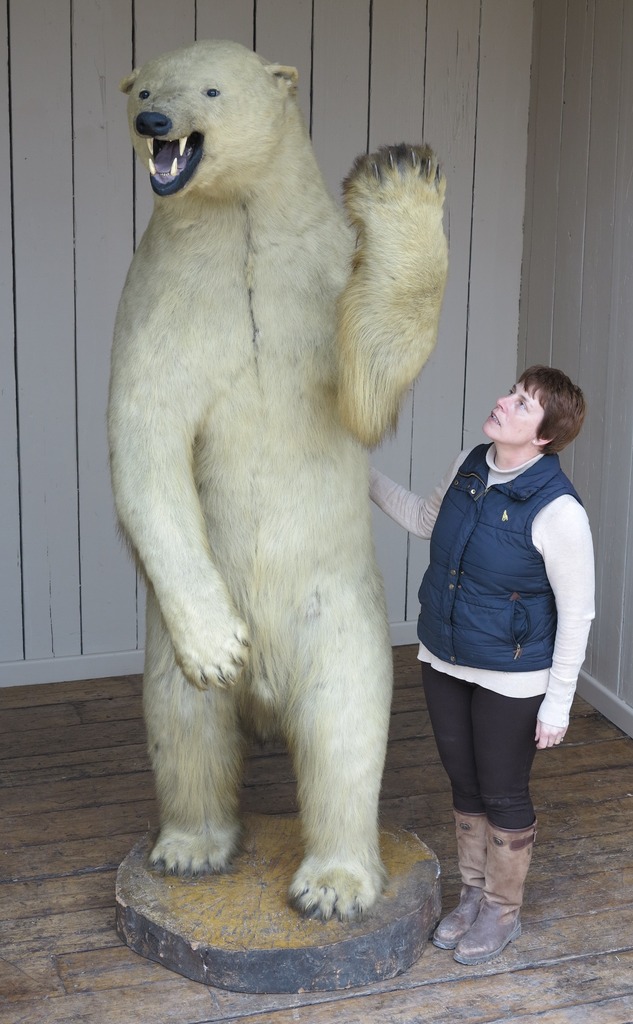
- Rarity of Species: Specimens of rare, exotic, or historically significant animals often fetch higher prices, especially if legally acquired.
- Quality of Work: Exceptional artistry, lifelike poses, and durable preservation by a renowned taxidermist significantly increase value. Poorly executed taxidermy can substantially diminish value.
- Provenance: The documented history of a piece, including where and when the animal was acquired, the taxidermist who created it, and previous owners, can add to its value, particularly for antique or museum-quality items.
- Condition: Like any collectible, the physical condition of the mount (e.g., fur loss, cracking, fading) directly impacts its worth.
Investment Potential
While not a mainstream investment, certain high-end, antique, or particularly rare taxidermy pieces can appreciate in value over time. Examples include:
- Historic Specimens: Pieces from famous naturalists, explorers, or renowned taxidermy studios of the past.
- Exceptional Artistic Merit: Works by celebrated modern taxidermists who are recognized for their artistry and contribution to the field.
- Rare or Legally Acquired Exotic Animals: For instance, a legally hunted and expertly mounted trophy of a species that is now impossible to acquire due to conservation laws.
Investors in this niche market often possess a deep appreciation for natural history, art, and the unique challenges of preservation. Auction houses and specialized dealers cater to this clientele, facilitating transactions that can run into thousands or even hundreds of thousands of dollars for truly exceptional pieces.
Appraisal and Insurance
For serious collectors or institutions, appraising taxidermy collections for insurance purposes or potential sale is crucial. Specialized appraisers with expertise in natural history and taxidermy are needed to accurately assess value, considering all the factors mentioned above. Insuring a valuable collection protects against damage, loss, or theft, making it an essential financial consideration for asset protection.
Online Income and Side Hustles in the Taxidermy Sphere
The digital age has opened new avenues for taxidermists to generate income beyond traditional commissioned work, embracing online platforms for sales, education, and specialized services.
E-commerce and Direct Sales
Taxidermists can leverage online storefronts (e.g., Etsy, Shopify, dedicated websites) to sell:
- Finished Art Pieces: Unique taxidermy mounts, often smaller or more artistic, appealing to a broader audience beyond hunters.
- Taxidermy Supplies: Some experienced taxidermists develop and sell their own specialty tools, forms, or chemicals to other practitioners.
- Related Merchandise: Products like prints of their work, educational guides, or branded apparel.
Teaching and Workshops
Sharing expertise has become a significant income stream:
- In-Person Workshops: Offering hands-on classes to aspiring taxidermists or hobbyists, often commanding substantial fees.
- Online Courses and Tutorials: Creating digital content, from subscription-based video series to downloadable guides, accessible to a global audience. This allows for passive income generation once the content is created.
Consultation Services
Experienced taxidermists can offer their knowledge for a fee:
- Collection Management: Advising museums or private collectors on preservation, display, and restoration best practices.
- Project Consultation: Guiding filmmakers, photographers, or artists on sourcing and utilizing taxidermy for their projects.
The Economics of Ethical Sourcing and Sustainability
The financial viability and long-term reputation of a taxidermy business are increasingly tied to ethical sourcing and sustainable practices. This impacts not only compliance costs but also market perception and client trust.
Legal and Ethical Costs
Adherence to stringent conservation laws and ethical guidelines directly influences a taxidermist’s financial operations. This includes:
- Permit Fees: Costs associated with obtaining necessary federal and state permits for various species.
- Documentation: Time and resources spent maintaining meticulous records of specimen acquisition, ensuring legality and traceability.
- Sourcing from Licensed Providers: Partnering with reputable hunters, trappers, and suppliers who operate legally and ethically, which may involve higher initial costs for specimens but mitigates legal risks.

Building Trust and Brand Value
In an industry sometimes viewed with skepticism, transparent ethical practices can build immense trust and enhance a taxidermist’s brand value. Clients are often willing to pay a premium for assurance that their specimen was legally and ethically acquired and processed. This commitment to sustainability can differentiate a business in a competitive market, leading to a stronger client base and higher earning potential. The market for legally and ethically sourced taxidermy is growing, creating opportunities for businesses that prioritize responsible practices.
In conclusion, “stuffing a dead animal” is professionally known as taxidermy, a craft rich with financial dimensions. From the substantial investment required to establish a workshop, to the intricate pricing of commissioned work, the unique market for collectors, and the modern avenues for online income, taxidermy represents a distinct and often lucrative niche within the broader economy. Its future financial landscape will undoubtedly continue to evolve, shaped by artistic innovation, ethical considerations, and market demand.
aViewFromTheCave is a participant in the Amazon Services LLC Associates Program, an affiliate advertising program designed to provide a means for sites to earn advertising fees by advertising and linking to Amazon.com. Amazon, the Amazon logo, AmazonSupply, and the AmazonSupply logo are trademarks of Amazon.com, Inc. or its affiliates. As an Amazon Associate we earn affiliate commissions from qualifying purchases.