
The world of ceramics is vast and fascinating, populated by a diverse array of materials, manufacturing processes, and historical periods. Among these, “ironstone china” stands out as a significant and somewhat misunderstood category. Often conflated with other types of earthenware or even true porcelain, ironstone china possesses a unique set of characteristics that define its production, aesthetics, and enduring appeal. Understanding ironstone china requires a journey into its historical context, its material composition, its distinctive visual qualities, and its place within the broader landscape of ceramic wares. This exploration will illuminate why this particular type of earthenware has captivated collectors and decorators for centuries.

The Genesis and Evolution of Ironstone China
Ironstone china, a term that emerged in the early 19th century, is not a single, static entity but rather a product of evolving ceramic technology and market demand. Its development was driven by a desire to create a durable, opaque, and affordable alternative to more expensive imported wares.
The Quest for Durability and Affordability
The roots of ironstone china can be traced back to the late 18th and early 19th centuries, a period of burgeoning industrialization in Britain. Potters were constantly seeking ways to improve the quality and reduce the cost of ceramic production. Traditional earthenware, while accessible, was often porous and prone to chipping. True porcelain, on the other hand, was a highly prized but expensive material, requiring specialized clays and high firing temperatures. The goal was to bridge this gap, creating a ceramic that offered the visual appeal and robustness of porcelain at a more accessible price point.
The key innovation that led to ironstone china was the incorporation of significant amounts of iron oxide into the clay body. This ingredient, along with others like feldspar and flint, contributed to a denser, less porous, and significantly stronger finished product. The term “ironstone” itself is a direct reflection of this mineral addition, suggesting a material with the resilience of iron. Early examples were often produced with a slightly grayish or yellowish hue, inherent to the iron content.
Patenting and Popularization
The development and refinement of ironstone china are closely linked to a handful of key figures and companies. Charles James Mason of Staffordshire is widely credited with obtaining the first patent for a type of earthenware he called “Opaque Porcelain,” or “Stone China,” in 1813. His initial success laid the groundwork for what would become a highly popular ceramic type. Mason’s patented ware was intended to imitate the appearance and durability of Chinese porcelain, which was highly sought after in the West.
Following Mason’s lead, other manufacturers in Britain, particularly in the Staffordshire region, began to produce their own versions of ironstone china. The term “ironstone china” itself became a more generic descriptor, often used loosely to denote dense, hard-wearing earthenware. This led to a degree of variation in the exact formulations and firing techniques employed by different factories. Despite these variations, the fundamental characteristics of increased strength and opacity remained consistent.
The popularity of ironstone china surged throughout the 19th century, fueled by its practicality for everyday use, its attractive appearance, and its relatively low cost. It became a staple in households across Britain and was widely exported to other countries, including the United States, where it also found a receptive market.
Material Composition and Manufacturing Process
The distinctive qualities of ironstone china are a direct result of its specific material makeup and the firing techniques used in its production. Understanding these elements is crucial to appreciating why it differs from other ceramic types.
The Core Ingredients: A Recipe for Resilience
The defining characteristic of ironstone china is its dense, vitrified (glass-like) body. This is achieved through a carefully balanced combination of raw materials. Key ingredients typically include:
- Ball Clay: A fine-grained, plastic clay that provides workability during the shaping process.
- Kaolin (China Clay): A pure white clay that contributes to whiteness and opacity.
- Feldspar: A fluxing agent that lowers the melting point of the mixture, promoting vitrification during firing.
- Flint (Silica): Adds hardness and strength to the fired body.
- Iron Oxide: This is the namesake ingredient. It acts as a flux and, crucially, contributes to the characteristic color and density of the ware. The amount of iron oxide can vary, influencing the final hue and opacity.
The precise proportions of these ingredients were often proprietary to individual manufacturers, leading to subtle differences in the final product. However, the consistent presence of iron oxide was the unifying factor.
The Firing Cycle: Transforming Raw Materials
The manufacturing process for ironstone china involves several stages, with the firing cycle being paramount in achieving its desired properties.
- Forming: The prepared clay mixture is shaped using various techniques, including jiggering and jollying (for plates and bowls), molding (for more complex shapes), or even slip casting.
- Drying: The formed pieces are carefully dried to remove moisture.
- Bisque Firing: The first firing, known as the bisque firing, hardens the clay body and makes it porous, ready for glazing.
- Glazing: A lead-free glaze, often a clear or slightly tinted white, is applied to the bisque-fired ware. The glaze further contributes to the impermeability and aesthetic finish.
- Glost Firing: The second and final firing, the glost firing, is conducted at a higher temperature than the bisque firing. This is where the magic of vitrification happens. The feldspar in the body melts and fuses with other components, creating a dense, glassy, and non-porous material. The iron oxide plays a critical role in this process, promoting the formation of a strong, vitreous bond.
The high firing temperatures required for true vitrification, combined with the specific mineral composition, result in ironstone china that is significantly stronger and less permeable than traditional earthenware.
Aesthetic Characteristics and Identifying Features
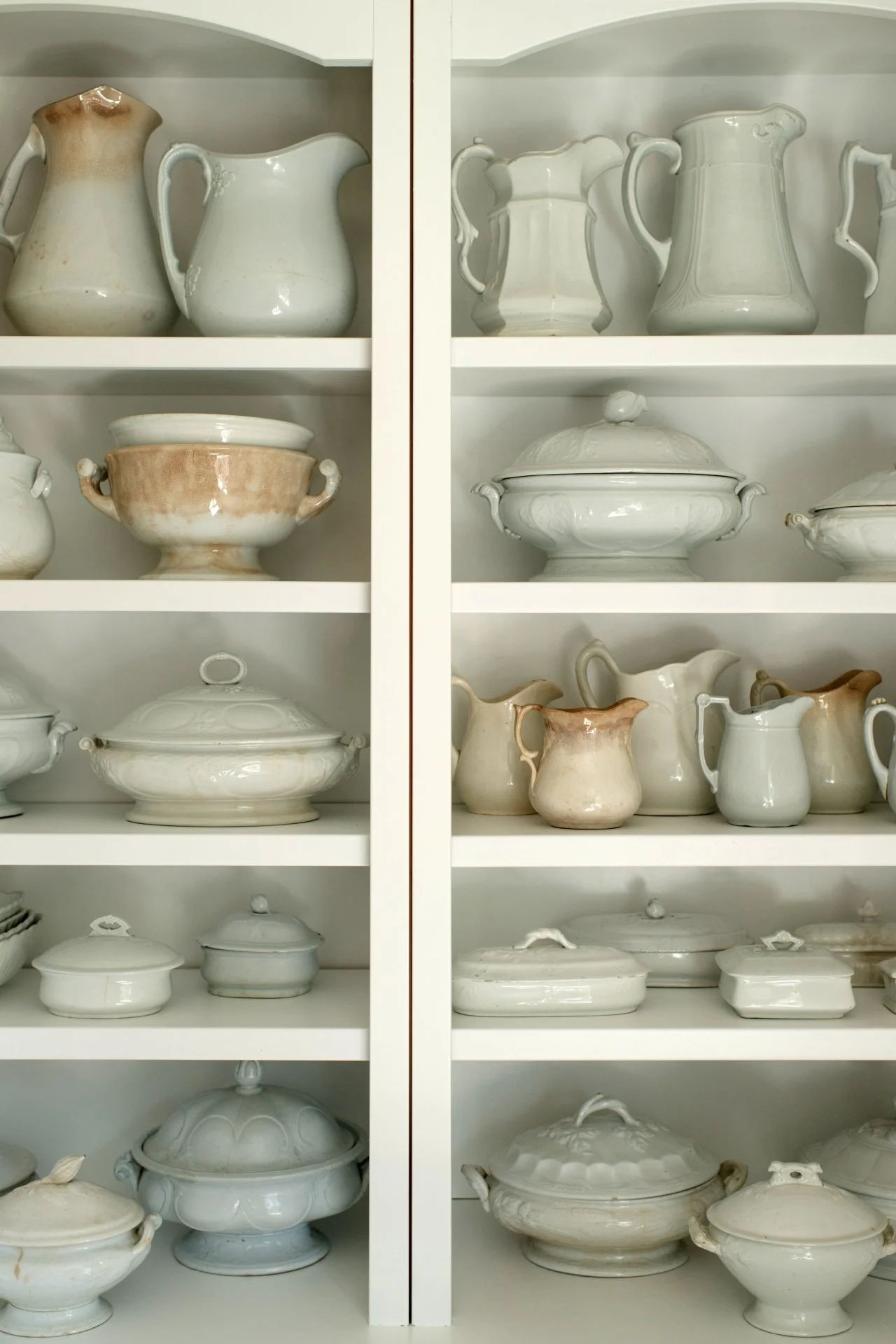
Ironstone china possesses a distinctive visual character that has made it a sought-after material for both functional tableware and decorative pieces. Its aesthetic is often described as robust, substantial, and possessing a certain rustic elegance.
The Visual Appeal: Color, Texture, and Form
The color of ironstone china can vary depending on the exact composition and firing. While some pieces can be a bright, opaque white, many exhibit a warmer, creamy, or even slightly grayish-white hue due to the presence of iron oxide. This subtle coloration often adds to its charm, giving it a less stark appearance than pure white porcelain.
The glaze on ironstone china is typically smooth and glossy, contributing to its pleasing tactile quality. However, over time, antique ironstone pieces may develop fine crackling in the glaze, known as crazing, which can be a sign of their age and add to their character.
The forms of ironstone china range from simple, utilitarian plates, bowls, and platters to more ornate pitchers, tureens, and decorative items. Many pieces feature molded decorations, such as raised floral patterns, Gothic arches, or relief designs, which are often enhanced by the glaze.
Distinguishing Ironstone from Other Ceramics
One of the challenges in identifying ironstone china is its resemblance to other ceramic types, particularly other forms of earthenware and even some types of porcelain. However, several key features can help distinguish it:
- Weight and Density: Ironstone china is noticeably heavier and denser than most other forms of earthenware. When tapped, it often produces a clear, ringing sound, unlike the dull thud of typical earthenware.
- Opacity: True ironstone is opaque, meaning you cannot see light through it. While some early forms of earthenware could be translucent, the opacity of ironstone is a defining characteristic.
- Porosity: Ironstone china is largely non-porous due to its vitrification. This makes it less susceptible to staining and absorption of liquids compared to porous earthenware.
- Glaze Quality: The glaze is usually well-fitted to the body, with few instances of crawling or pinholing. The overall finish is typically smooth and durable.
- Markings: Many manufacturers marked their ironstone china with impressed or printed marks, often including terms like “Ironstone,” “Stone China,” “Opaque Porcelain,” or the manufacturer’s name and pattern. However, unmarked pieces are also common.
It’s important to note that the term “ironstone” was used by many manufacturers, and variations in quality and composition exist. Distinguishing fine antique ironstone from lesser imitations often requires a keen eye for detail and some familiarity with historical ceramic production.
The Enduring Legacy and Modern Appeal of Ironstone China
Despite being a product of 19th-century ceramic innovation, ironstone china has maintained a remarkable presence in contemporary homes and collections. Its combination of durability, aesthetic appeal, and historical significance ensures its continued popularity.
A Practical Choice for Everyday Use
One of the primary reasons for ironstone china’s enduring appeal is its practicality. Its robust construction makes it suitable for everyday use, resisting chips and cracks more effectively than many other ceramic materials. This makes it an ideal choice for busy households, young families, or anyone who appreciates durable yet beautiful tableware.
The neutral or warm tones of many ironstone pieces lend themselves well to a variety of interior design styles, from rustic farmhouse to classic traditional. They can be mixed and matched with other patterns and materials, offering a versatile foundation for any dining setting.
The Collector’s Delight: Value and Desirability
For collectors, ironstone china represents a tangible link to the past. Pieces from renowned manufacturers like Mason’s, Wedgwood, and Johnson Brothers are particularly sought after. Rare patterns, unusual forms, or pieces in exceptional condition can command significant value in the antique market.
The hunt for specific patterns, the satisfaction of completing a set, or the simple appreciation of the craftsmanship involved all contribute to the enduring allure of ironstone china among collectors. Antique fairs, flea markets, and specialized dealers often offer a treasure trove of these historical ceramic gems.
Modern Reproductions and Contemporary Designs
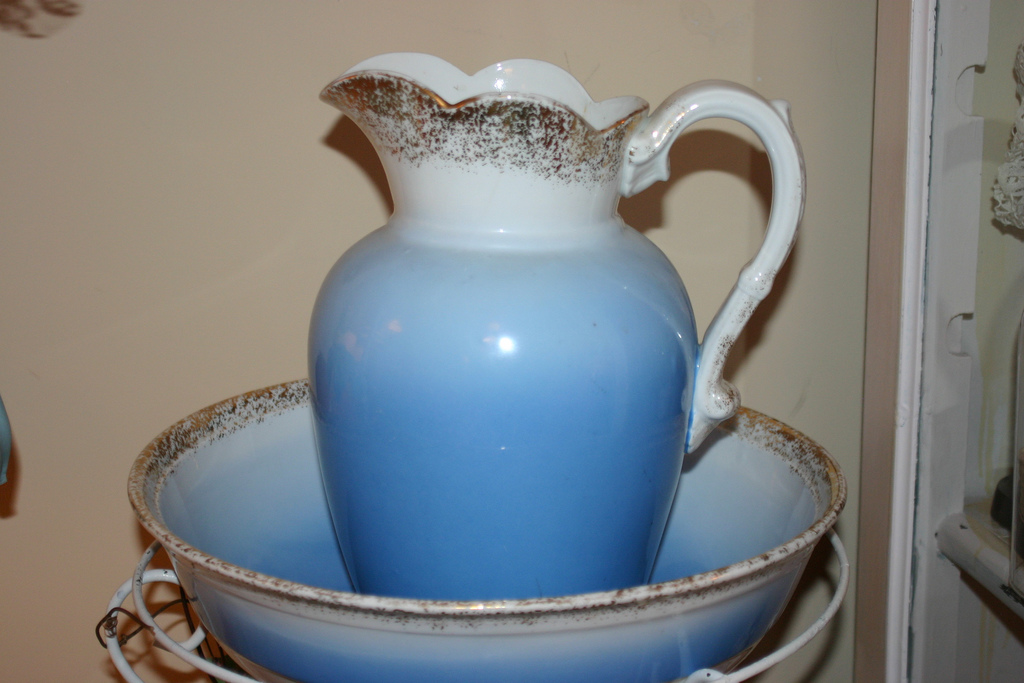
The popularity of ironstone china has also led to the production of modern reproductions and contemporary interpretations. While these may not possess the same historical provenance or patina as antique pieces, they offer a way for a new generation to enjoy the style and practicality of ironstone at a more accessible price point. It is important for consumers to be aware of the difference between authentic antique ironstone and modern reproductions when making purchasing decisions.
In conclusion, ironstone china is a testament to the ingenuity of 19th-century potters who sought to create a ceramic ware that was both beautiful and remarkably resilient. Its unique material composition, the careful process of its creation, and its distinctive aesthetic qualities have cemented its place not only in ceramic history but also in contemporary homes and collections, proving that enduring quality and timeless style never truly go out of fashion.
aViewFromTheCave is a participant in the Amazon Services LLC Associates Program, an affiliate advertising program designed to provide a means for sites to earn advertising fees by advertising and linking to Amazon.com. Amazon, the Amazon logo, AmazonSupply, and the AmazonSupply logo are trademarks of Amazon.com, Inc. or its affiliates. As an Amazon Associate we earn affiliate commissions from qualifying purchases.