
In the competitive landscape of the food industry, even the seemingly simple components of a dish can become powerful brand signifiers. The brioche bun, once a niche item, has surged in popularity, becoming a staple in gourmet burgers, premium sandwiches, and upscale brunch menus. Its ubiquity, however, belies a carefully crafted perception and a sophisticated interplay of ingredients that contribute to its distinct identity. For brands, understanding “what is in a brioche bun” goes beyond mere culinary composition; it delves into the essence of its appeal, the sensory experience it offers, and how this translates into a stronger brand narrative and enhanced customer loyalty. This exploration will dissect the fundamental elements that define a brioche bun and illuminate how brands strategically leverage these qualities to cultivate a premium image and a memorable dining experience.
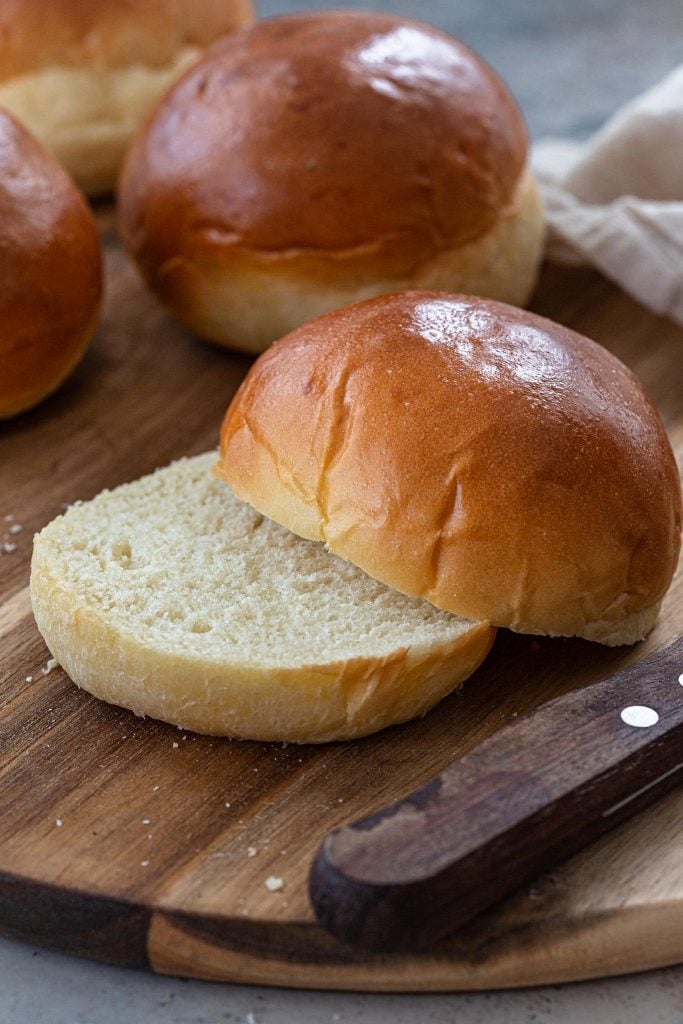
The Foundation of Indulgence: Understanding the Core Ingredients and Their Brand Impact
The allure of the brioche bun is built upon a foundation of rich, high-quality ingredients that differentiate it from its more utilitarian counterparts. This foundational composition is not accidental; it’s a deliberate choice by brands to signal quality, indulgence, and a departure from the ordinary. By emphasizing these core components, brands can effectively communicate a superior offering and attract a discerning customer base.
The Richness of Butter: A Symbol of Luxury and Decadence
At the heart of any true brioche lies an abundance of butter. Unlike standard bread recipes where fat might be a secondary consideration, brioche is defined by its generous butter content. This is not merely about flavor; it’s about texture, richness, and a luxurious mouthfeel. Brands that opt for brioche are inherently signaling a commitment to premium ingredients. The high butter content contributes to a tender, moist crumb and a slightly crisp, golden-brown exterior when toasted. This sensory experience is directly tied to the perception of indulgence and luxury.
From a branding perspective, the butter in a brioche bun acts as a silent ambassador of quality. It speaks to a willingness to invest in superior ingredients, a hallmark of established and emerging premium food brands. When a customer bites into a brioche bun, the richness and melt-in-your-mouth texture create an immediate sensory reward. This positive experience becomes associated with the brand serving it, fostering a sense of satisfaction and reinforcing the idea that they are offering something special. It’s a tangible representation of the brand’s commitment to exceeding expectations, transforming a simple bun into a vehicle for a memorable culinary moment.
The Creamy Embrace of Eggs: Enhancing Texture and Color
Eggs are another indispensable ingredient in brioche, playing a crucial role in its distinctive characteristics. They contribute to the rich, custardy texture, providing a delightful chewiness and a tender crumb. The yolks of the eggs are also responsible for the bun’s signature golden hue, further enhancing its visual appeal. For brands, this visual and textural richness is a significant asset in creating an enticing product.
The presence of eggs in brioche signifies a step up in complexity and craft compared to basic bread-making. It suggests a more artisanal approach, a dedication to traditional baking methods that yield superior results. Brands leverage this by highlighting the “egg-rich” nature of their brioche, implying a more involved and careful preparation process. The creamy texture created by the eggs makes the bun incredibly versatile, capable of holding up to substantial fillings without becoming soggy, a critical consideration for brands focusing on hearty, satisfying meals. This structural integrity, combined with the luxurious texture, contributes to a complete and satisfying eating experience that brands aim to associate with their entire product line.
The Sweet Nuance of Sugar: Balancing Richness and Appeal
While not as dominant as butter or eggs, sugar plays a vital role in brioche, contributing to its subtle sweetness and golden crust. It acts as a tenderizer, further enhancing the soft texture, and aids in the caramelization process during baking, resulting in that appealing browned exterior. For brands, the slight sweetness of brioche is a crucial element in its widespread appeal, making it a more approachable and universally liked option than some of its less sweet bread counterparts.
The judicious use of sugar in brioche allows brands to create a balanced flavor profile that complements a wide range of savory and sweet applications. It avoids the overt sweetness of pastries, maintaining a sophisticated character. This ability to be both rich and subtly sweet makes brioche an excellent canvas for various culinary creations. Brands can confidently offer brioche buns in diverse menu items, knowing that the inherent flavor will enhance, rather than overpower, the other components. This versatility is a significant brand advantage, allowing for broader menu appeal and a consistent, positive customer perception across different offerings.
Beyond the Basics: Brand Strategies Leveraging Brioche’s Versatility and Perception
The ingredients are the building blocks, but it’s the strategic application and communication of the brioche bun’s qualities that truly elevate a brand. Modern food businesses understand that a well-chosen bun is not just a vessel but a strategic tool that influences perception, drives demand, and reinforces brand identity.
The “Premium” Indicator: Signaling Quality and Elevated Experience
In the minds of consumers, the brioche bun has become a de facto indicator of a premium product. Its rich ingredients and tender texture inherently suggest a higher quality offering than a standard white or sesame seed bun. Brands capitalize on this by consciously incorporating brioche into their signature dishes, from gourmet burgers to upscale breakfast sandwiches. This choice immediately signals to the consumer that they are about to partake in a more refined and indulgent experience.

From a marketing and branding standpoint, using brioche is a concise and effective way to communicate a commitment to quality without extensive verbiage. It’s a visual and textural cue that resonates with consumers seeking something beyond the everyday. For instance, a burger served on a brioche bun is perceived differently than the same burger on a basic bun. The brioche bun instantly elevates the perceived value of the burger. Brands that strategically place brioche at the core of their premium offerings are leveraging this established consumer perception to their advantage, creating a halo effect that enhances the desirability of their entire product line. This is particularly effective in fast-casual and quick-service restaurants aiming to differentiate themselves in a crowded market.
The Sensory Symphony: Crafting Memorable Brand Moments
The sensory experience of eating a brioche bun is a key element in how brands create memorable moments for their customers. The combination of its soft, pillowy texture, the slight chewiness, the rich buttery aroma, and the satisfying crispness when toasted, all contribute to a multisensory delight. Brands that understand and harness this sensory appeal can create positive associations that linger long after the meal is finished.
Consider the act of biting into a well-made brioche burger. The bun yields gently, its richness contrasting with the savory filling. The toasted exterior offers a delightful crunch, followed by the soft, yielding crumb. This interplay of textures and flavors creates a sophisticated and enjoyable eating experience. Brands that focus on the quality of their brioche, ensuring it’s fresh, perfectly toasted, and complements their fillings, are essentially orchestrating a sensory symphony. This deliberate attention to detail fosters a sense of care and craft, which consumers readily attribute to the brand itself. These positive sensory memories contribute to customer satisfaction, repeat business, and word-of-mouth referrals, all vital components of a strong brand.
The Versatile Canvas: Expanding Brand Offerings and Appeal
The inherent versatility of the brioche bun allows brands to expand their menu offerings and appeal to a broader customer base. Its ability to complement a wide range of flavors, from savory to slightly sweet, makes it an ideal choice for diverse culinary applications. Whether it’s a classic cheeseburger, a pulled pork sandwich, a delicate seafood creation, or even a sweet breakfast item, the brioche bun can adapt and enhance.
Brands that embrace brioche can create a cohesive menu identity that feels both premium and approachable. For example, a restaurant might offer a signature “Brioche Burger” as their flagship item, but also feature brioche in their breakfast menu with an egg and bacon sandwich, or even as a base for a dessert like a French toast-style brioche creation. This consistent use of a high-quality, recognizable component ties together different aspects of the menu, reinforcing the brand’s commitment to quality across the board. The brioche bun, in this context, acts as a unifying element, a recognizable symbol of the brand’s culinary philosophy. Its adaptability allows brands to innovate and experiment with new dishes while maintaining a consistent brand promise of quality and flavor. This strategic use of a versatile ingredient unlocks new revenue streams and strengthens overall brand loyalty by offering a consistent, positive experience across a wider spectrum of consumer preferences.
The Investment in Perception: Brioche as a Strategic Brand Differentiator
In a marketplace saturated with options, the decision to incorporate a brioche bun into a brand’s offerings is a strategic investment in perception. It’s a conscious choice to move beyond the functional and embrace the experiential, positioning the brand as one that values quality, craftsmanship, and customer satisfaction.
Differentiating from Competitors: Standing Out in a Crowded Market
The food industry is fiercely competitive. Brands constantly seek ways to differentiate themselves and capture consumer attention. The brioche bun, with its distinctive characteristics and associated premium perception, provides a tangible and easily recognizable point of differentiation. While competitors might offer similar dishes, the choice of a brioche bun can set a brand apart, signaling a higher standard of execution and ingredient selection.
For example, two burger joints might offer identical beef patties and toppings. However, the one serving their burger on a perfectly toasted brioche bun automatically communicates a superior product. This visual and textural cue can be the deciding factor for a consumer when making a choice. Brands that strategically employ brioche are not just serving food; they are crafting an identity. This identity is built on the notion that they are willing to invest more, to go the extra mile, to offer something that feels special. This perceived difference can attract a more discerning customer base, one that is willing to pay a slight premium for a more elevated dining experience. It’s a subtle yet powerful way to communicate brand values and stand out in a crowded marketplace, fostering a unique brand position.
Building Customer Loyalty Through Elevated Experiences
Customer loyalty is the bedrock of any successful brand. While price and convenience are important, it’s the consistent delivery of positive experiences that truly builds lasting relationships. The brioche bun, as a component that consistently delivers on richness, texture, and flavor, plays a significant role in creating these memorable and satisfying experiences.
When customers repeatedly enjoy the tender, buttery goodness of a brioche bun, their positive associations extend to the brand serving it. This creates a powerful loop of satisfaction and anticipation. A customer who has had a great experience with a brioche burger is more likely to return, and to recommend the brand to others. This goes beyond a single meal; it’s about building a reputation for quality and excellence. Brands that prioritize the brioche experience are investing in building that emotional connection with their customers. They understand that by offering a superior product, they are cultivating not just transactions, but loyal patrons who feel valued and consistently delighted. This strategic use of a premium ingredient like brioche is a testament to a brand’s commitment to its customers, fostering a sense of trust and reinforcing the desire to return.
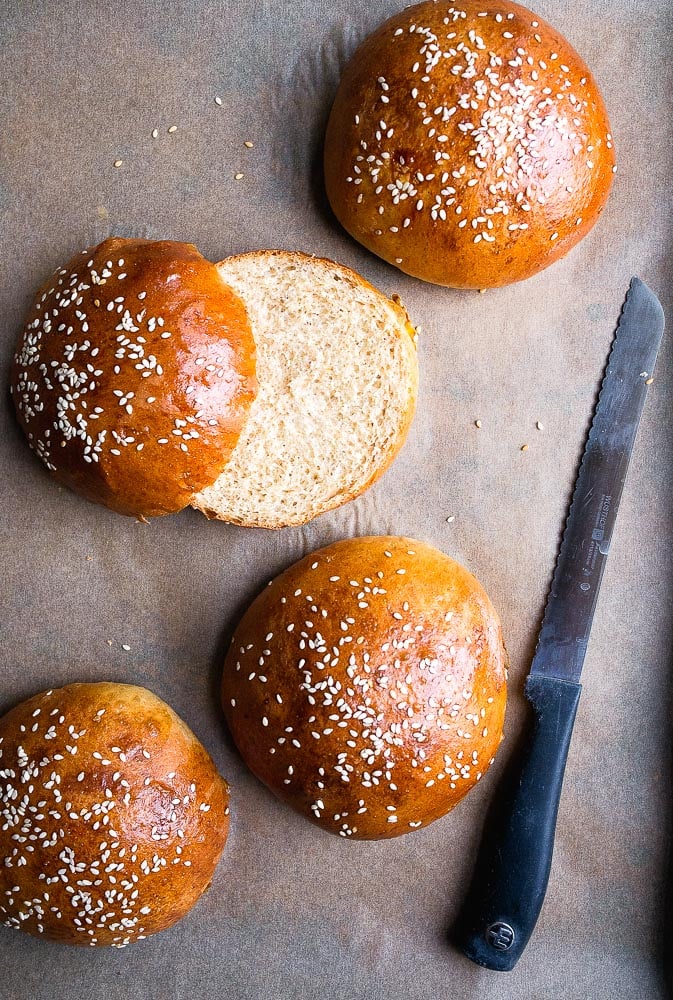
The Economic Advantage of Perceived Value
While high-quality ingredients come at a cost, the economic advantage of a brioche bun lies in its ability to command a higher perceived value. Consumers are often willing to pay more for a product that they associate with premium quality and a more indulgent experience, and the brioche bun effectively signals this. This allows brands to potentially increase profit margins without alienating customers, as the perceived value justifies the price point.
The investment in brioche is not simply an expense; it’s a strategic cost that yields significant returns in terms of customer perception and willingness to pay. For brands, this means that a slightly higher ingredient cost for brioche can be offset by the ability to charge a premium price for their menu items. Furthermore, the positive word-of-mouth and repeat business generated by the elevated experience can lead to increased sales volume, further enhancing profitability. The brioche bun, therefore, becomes more than just an ingredient; it’s a component of a successful business model, an economic differentiator that drives both customer satisfaction and financial success by cleverly leveraging the psychology of perceived value.
aViewFromTheCave is a participant in the Amazon Services LLC Associates Program, an affiliate advertising program designed to provide a means for sites to earn advertising fees by advertising and linking to Amazon.com. Amazon, the Amazon logo, AmazonSupply, and the AmazonSupply logo are trademarks of Amazon.com, Inc. or its affiliates. As an Amazon Associate we earn affiliate commissions from qualifying purchases.