
The automotive industry is a fascinating blend of intricate mechanical engineering and sophisticated electronic control systems. While many drivers focus on the engine’s power output, fuel efficiency, or the comfort of the cabin, a myriad of less visible components work tirelessly to ensure a smooth and efficient driving experience. Among these unsung heroes is the Idle Air Control (IAC) valve. Often overlooked by the average car owner, this small but vital component plays a critical role in managing the engine’s behavior when it’s not actively being accelerated – a state commonly referred to as idling. Understanding the function, importance, and potential issues associated with the IAC valve is crucial for anyone seeking to maintain their vehicle’s optimal performance and longevity.

The Fundamental Role of the Idle Air Control Valve
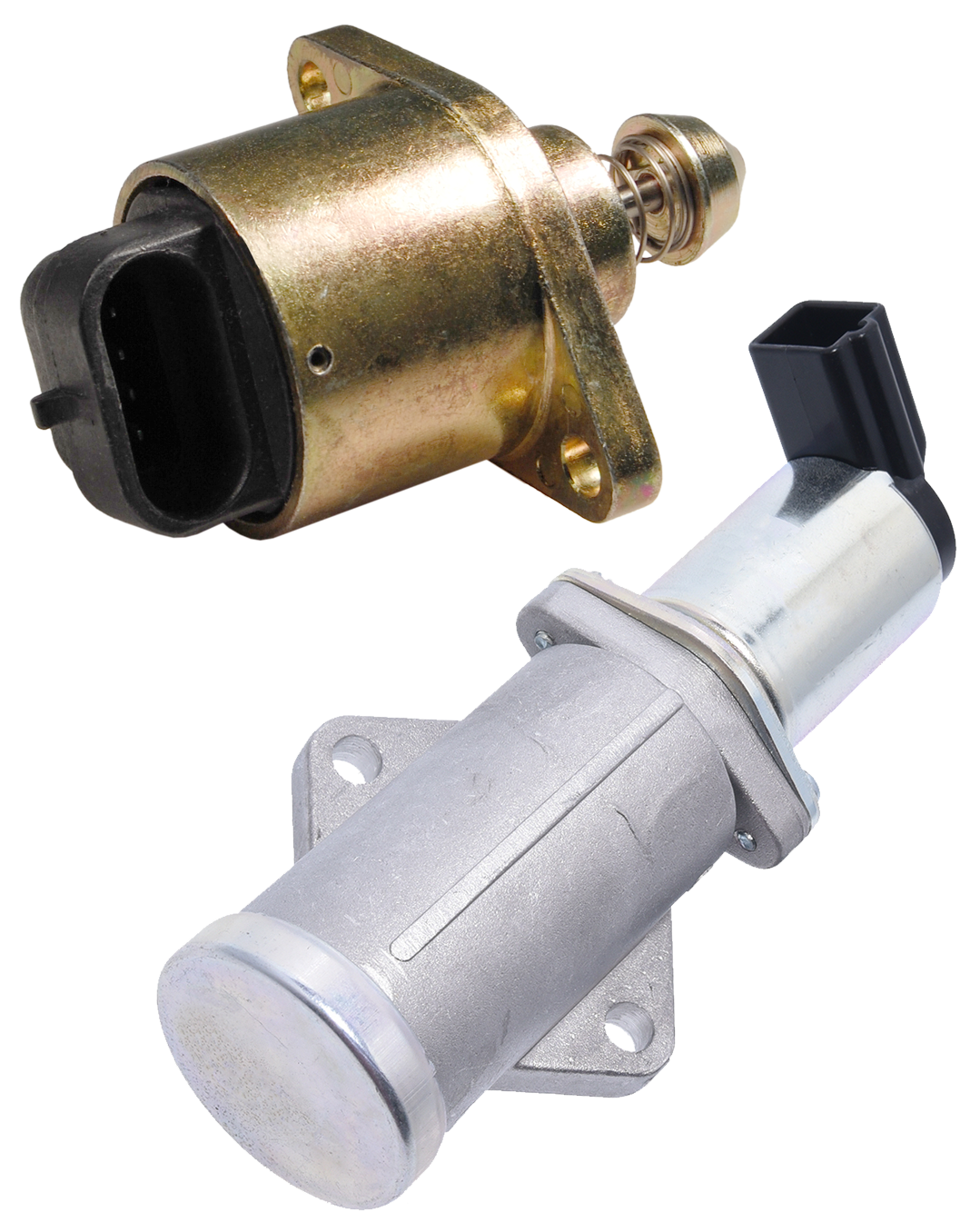
At its core, the Idle Air Control valve is an electronic actuator designed to regulate the amount of air that bypasses the throttle plate when it is closed or nearly closed. This controlled bypass of air is essential for maintaining a stable engine idle speed under various operating conditions. Without a properly functioning IAC valve, an engine would struggle to maintain a consistent RPM at idle, leading to a host of drivability issues.
Understanding Engine Idling
Before delving deeper into the IAC valve’s mechanics, it’s important to grasp the concept of engine idling. Idling is the state where the engine is running but the vehicle is stationary, typically with the transmission in neutral or park, or with the clutch pedal depressed. During idling, the throttle plate, controlled by the accelerator pedal, is mostly closed, restricting the flow of air into the engine.
However, an internal combustion engine requires a specific amount of air and fuel mixture to operate. If the throttle plate were completely closed, the engine would stall. This is where the IAC valve comes into play. It provides a precisely metered amount of air to the engine’s intake manifold, ensuring that it receives enough air to maintain combustion and run smoothly without stalling, even with the throttle pedal untouched.
The IAC Valve’s Function in Engine Management
The engine’s control module, commonly known as the Engine Control Unit (ECU) or Powertrain Control Module (PCM), is the brain of the operation. It receives a constant stream of data from various sensors throughout the vehicle, including engine temperature, throttle position, mass airflow, and even ambient air temperature. Based on this information, the ECU dictates the optimal engine operating parameters for every situation.
When the ECU determines that the engine should be idling, it commands the IAC valve to open or close a specific passage within its housing. This passage allows air to flow into the intake manifold, supplementing the minimal airflow through the nearly closed throttle plate. The ECU continuously adjusts the IAC valve’s position to maintain the target idle speed, which is often varied based on factors like engine temperature (colder engines typically idle slightly higher), air conditioning system load (when the AC is on, the ECU increases idle speed to compensate for the extra load), and transmission load (in automatic transmissions, the ECU can adjust idle speed when the transmission is in gear).
The IAC valve essentially acts as a sophisticated air bypass valve. It allows the ECU to fine-tune the air intake during idle, compensating for fluctuations in engine load and operating conditions, thereby ensuring consistent engine operation and preventing stalling.
Types of Idle Air Control Valves
While the fundamental function remains the same, IAC valves have evolved over time and can be categorized into a few main types, each with its own operating mechanism:
Electronic Stepper Motors
This is the most common type found in modern vehicles. The electronic stepper motor IAC valve utilizes a small electric motor with a shaft that extends and retracts. This shaft is connected to a plunger or cone that moves within a bore, either restricting or opening the air passage. The ECU sends precise electrical pulses to the stepper motor, causing it to advance or retract in tiny increments (steps). This precise control allows for a very accurate regulation of idle speed. The ECU monitors the engine’s RPM and adjusts the stepper motor’s position accordingly to achieve the desired idle speed.
Pneumatic Idle Control Valves
Older vehicles, particularly those before the widespread adoption of electronic fuel injection, often used pneumatic or vacuum-operated idle control valves. These systems typically relied on vacuum signals generated by the engine to operate the valve. While less precise than electronic stepper motors, they still served the purpose of regulating idle air. These were often less adaptable to varying engine loads and conditions compared to their electronic counterparts.
Electronic Proportional Valves
Some advanced systems might employ electronic proportional valves, which are similar to stepper motors in their electronic actuation but offer a more continuous and smoother control. Instead of discrete steps, these valves can move to any position within their range, providing finer adjustments to airflow.
The Criticality of a Functioning Idle Air Control Valve
The IAC valve’s importance cannot be overstated. Its role in maintaining a stable idle directly impacts the drivability, fuel efficiency, and overall health of the engine. When the IAC valve malfunctions, the consequences can range from minor annoyances to significant engine performance issues.
Drivability and Performance Issues
A faulty IAC valve can manifest itself in a variety of frustrating ways for drivers. If the valve is stuck open, it will allow too much air into the engine, causing the idle speed to be excessively high. This can lead to a racing engine feel, increased fuel consumption, and a less pleasant driving experience. Conversely, if the IAC valve is stuck closed or is not responding correctly, it can lead to the engine stalling, especially when coming to a stop or when the engine is cold. Other symptoms include:
- Rough Idling: The engine may shake or vibrate noticeably when at idle.
- Stalling: The engine may cut out unexpectedly, particularly when decelerating or coming to a stop.
- High or Low Idle Speed: The RPM might be consistently too high or too low.
- Hesitation or Stumbling: The engine might feel like it’s struggling or hesitating when you first press the accelerator.
- Check Engine Light Illumination: Many modern vehicles will illuminate the Check Engine light if the ECU detects a fault with the IAC valve or its operation.
Impact on Fuel Efficiency
While the IAC valve’s primary function isn’t directly related to fuel consumption under acceleration, its role in maintaining a stable idle speed indirectly affects fuel efficiency. An engine that idles at an unnecessarily high RPM burns more fuel than it needs to. Conversely, an engine that struggles to maintain idle and requires frequent restarts or stalls can also lead to increased fuel usage. By ensuring the engine idles at the correct RPM for the given conditions, the IAC valve contributes to optimal fuel economy.
Emissions Control
Modern vehicles are equipped with sophisticated emissions control systems. A properly functioning engine at idle is crucial for minimizing harmful emissions. If the engine is not idling smoothly or is stalling, it can lead to incomplete combustion, resulting in increased levels of unburned hydrocarbons and other pollutants being released into the atmosphere. The ECU relies on the IAC valve to maintain the precise air-fuel mixture required for efficient combustion, which in turn supports the effectiveness of the catalytic converter and other emissions control components.
Diagnosing and Addressing Idle Air Control Valve Problems
Given its crucial role, recognizing the signs of a failing IAC valve and knowing how to address the issue is essential for vehicle maintenance. Fortunately, diagnosing IAC valve problems is often a straightforward process for mechanics and even DIY enthusiasts with the right tools and knowledge.
Common Causes of IAC Valve Failure
Like any mechanical component, IAC valves are subject to wear and tear, and can fail for a variety of reasons:
- Carbon Buildup: The most common culprit is carbon deposits that accumulate over time within the valve’s bore and on the plunger. These deposits can restrict the valve’s movement, causing it to stick.
- Electrical Issues: The electrical connector or the internal wiring of the stepper motor can corrode or become damaged, leading to intermittent or complete failure of the valve’s electronic control.
- Mechanical Wear: The internal components of the valve, such as the motor or seals, can wear out over time, affecting its ability to regulate airflow accurately.
- Vacuum Leaks: While not a direct failure of the IAC valve itself, vacuum leaks in the intake system can mimic IAC valve symptoms, as they introduce unmetered air into the engine, disrupting idle control.
Diagnostic Procedures
Diagnosing an IAC valve issue typically involves a combination of visual inspection, listening for unusual sounds, and utilizing diagnostic tools.
- Listening for Sticking Noises: Sometimes, a malfunctioning IAC valve can produce audible clicking or chattering sounds as it attempts to operate.
- Visual Inspection: Checking for obvious signs of damage to the valve or its electrical connector is a good starting point.
- Scan Tool Diagnosis: The most definitive method involves using an OBD-II scan tool. This device can retrieve trouble codes stored in the ECU that may indicate a problem with the IAC system (e.g., P0505 – Idle Control System Malfunction). A scan tool can also be used to monitor real-time data from the ECU, including the commanded and actual position of the IAC valve, and to command the valve to open or close to test its responsiveness.
- Manual Testing: In some cases, mechanics may perform manual tests by removing the valve and cleaning it, or by attempting to manually move the plunger to assess for free movement.
Repair and Replacement Options
Once a faulty IAC valve is identified, there are generally two main courses of action:
Cleaning the Idle Air Control Valve
In cases where carbon buildup is the primary issue, cleaning the IAC valve can often resolve the problem. This involves carefully removing the valve from the intake manifold and using a specialized throttle body cleaner or carburetor cleaner to dissolve the carbon deposits. It’s important to be gentle during this process to avoid damaging the delicate internal components. After cleaning, the valve should be thoroughly dried before reinstallation. It’s also a good practice to clean the mating surface on the intake manifold to ensure a proper seal.
Replacing the Idle Air Control Valve
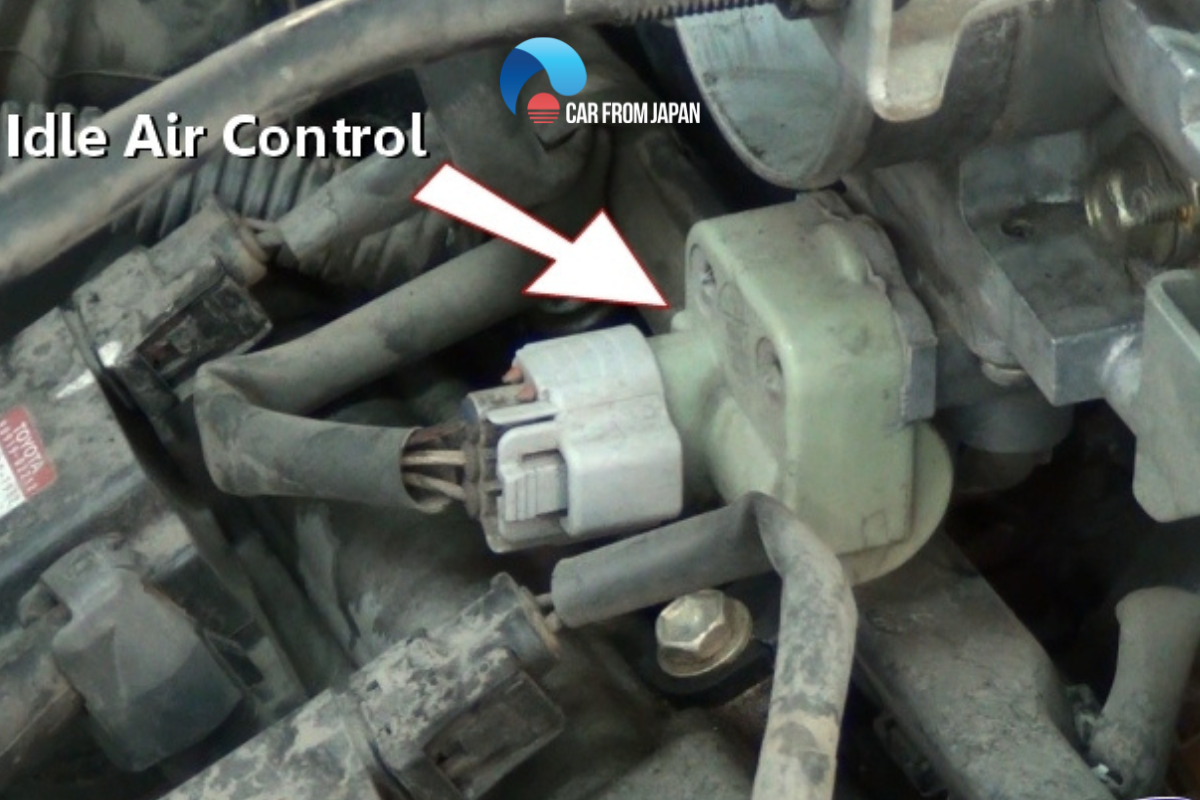
If cleaning is unsuccessful, or if the valve has suffered electrical or mechanical failure, replacement is necessary. This is a relatively straightforward repair for most vehicles and typically involves unbolting the old valve and installing a new one. It’s crucial to use a high-quality replacement part that is compatible with the specific make and model of the vehicle. After installation, it’s often recommended to perform an idle relearn procedure, which allows the ECU to re-calibrate its control parameters for the new IAC valve. This procedure varies by vehicle manufacturer and can usually be found in repair manuals or online forums.
The Idle Air Control valve, though small and often out of sight, is a cornerstone of modern engine management. Its precise control over air intake during idling ensures that your vehicle runs smoothly, efficiently, and cleanly. By understanding its function and recognizing the signs of malfunction, drivers can take proactive steps to maintain their vehicles and avoid the frustration and potential expense of drivability issues.
aViewFromTheCave is a participant in the Amazon Services LLC Associates Program, an affiliate advertising program designed to provide a means for sites to earn advertising fees by advertising and linking to Amazon.com. Amazon, the Amazon logo, AmazonSupply, and the AmazonSupply logo are trademarks of Amazon.com, Inc. or its affiliates. As an Amazon Associate we earn affiliate commissions from qualifying purchases.