
The emergence of Hexahydrocannabinol (HHC) in the consumer market, particularly in the form of vape pens and other inhaled products, has sparked considerable interest and, at times, confusion. As a semi-synthetic cannabinoid, HHC represents a fascinating intersection of chemistry, technology, and consumer trends. Understanding “what is HHC vape” requires a deep dive into the scientific principles, the manufacturing processes, and the technological innovations that have brought this compound from the lab to the marketplace. This article will explore the technological underpinnings of HHC vapes, demystifying its creation, its interaction with vaping hardware, and its place within the evolving landscape of cannabinoid technology.
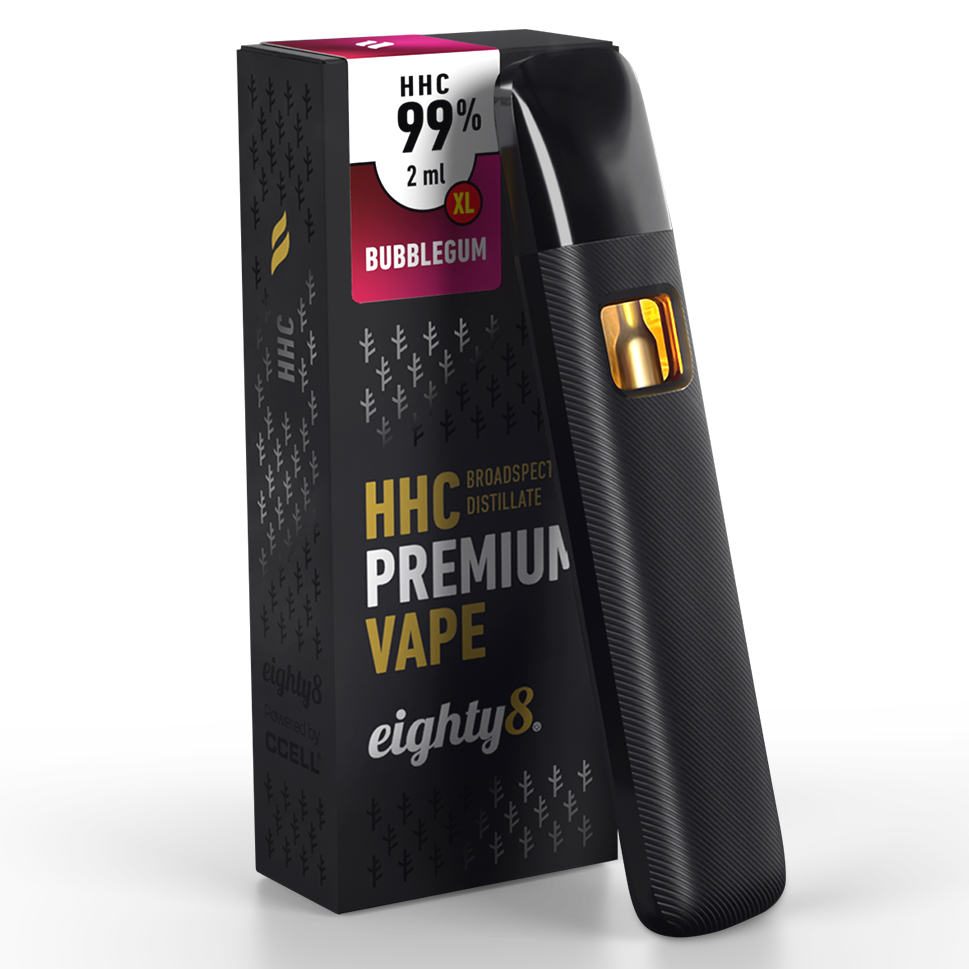
The Chemical Genesis and Technological Synthesis of HHC
Hexahydrocannabinol, or HHC, is not a naturally occurring cannabinoid in significant quantities within the cannabis plant. Instead, it is synthesized through a chemical process, typically hydrogenation, applied to other cannabinoids. This process is a testament to advancements in organic chemistry and the sophisticated techniques employed to create novel compounds for various applications, including therapeutic and recreational markets.
Hydrogenation: The Core Technological Process
The creation of HHC fundamentally relies on hydrogenation. This is a chemical reaction where hydrogen atoms are added to a molecule, typically in the presence of a catalyst like palladium, platinum, or nickel. In the context of HHC production, the starting material is often Delta-9-THC or Delta-8-THC, or even CBD, which is then subjected to hydrogenation. The double bonds present in the THC molecule are saturated by the addition of hydrogen atoms. This process alters the molecular structure, leading to increased stability and, importantly, a different interaction with the body’s endocannabinoid system.
The technology behind this synthesis is rooted in standard organic chemistry laboratory practices, but scaling it for commercial production requires specialized equipment and precise control over reaction conditions. This includes:
- High-Pressure Reactors: Hydrogenation often requires elevated pressures to drive the reaction efficiently. Industrial-grade reactors capable of withstanding these conditions are essential.
- Catalyst Management: The selection and handling of catalysts are critical. The type of catalyst and the reaction parameters (temperature, pressure, time) significantly influence the yield and purity of the HHC produced. Recovery and recycling of expensive catalysts are also important technological considerations for economic viability.
- Purification Techniques: Following hydrogenation, the crude product will contain unreacted starting materials, byproducts, and residual catalyst. Advanced purification technologies are then employed to isolate high-purity HHC. These can include:
- Chromatography: Techniques like High-Performance Liquid Chromatography (HPLC) or Gas Chromatography (GC) are used to separate HHC from other compounds based on their differing physical or chemical properties. This is crucial for ensuring a safe and effective product.
- Distillation: Fractional distillation can be used to separate compounds with different boiling points, further refining the HHC distillate.
- Filtration and Crystallization: These methods are used for removing solid impurities and for obtaining a crystalline form of HHC if desired, although for vape products, it is typically used in liquid distillate form.
The technological sophistication in controlling these synthetic and purification steps directly impacts the quality, consistency, and safety of the final HHC product. It’s a clear demonstration of how chemical engineering principles are applied to create new substance profiles for consumer markets.
Isomerization and its Technological Implications
While hydrogenation is the primary method for creating HHC, it’s important to note that the process can also involve isomerization. Isomerization is a process where a molecule is transformed into another molecule that has the same atoms but arranged differently. In the context of cannabinoids, this can mean converting CBD into THC or other related compounds. The technology for isomerization, much like hydrogenation, involves controlled chemical reactions often facilitated by acids or other catalysts.
The synthesis of HHC often results in a mixture of stereoisomers. This means that the hydrogen atoms can be added to the THC molecule in slightly different spatial arrangements. These different isomers can have varying potencies and effects. Technological advancements in analytical chemistry are vital for characterizing these isomer mixtures, understanding their relative proportions, and ensuring batch-to-batch consistency. Techniques like NMR (Nuclear Magnetic Resonance) spectroscopy are indispensable for confirming the molecular structure and identifying the presence of different isomers. The ability to precisely control and analyze these isomeric ratios is a key technological challenge and achievement in the production of high-quality HHC.
HHC Vape Hardware: The Technology of Delivery
The term “HHC vape” inherently points to the delivery mechanism, which is vaping technology. This technology has evolved significantly over the years, moving from rudimentary e-cigarettes to highly sophisticated devices designed for optimal vaporization of cannabinoid distillates. The effectiveness and user experience of an HHC vape depend heavily on the underlying hardware.
Atomization and Heating Elements
At the heart of any vape pen is the atomizer, responsible for heating the HHC-infused liquid (e-liquid or vape juice) to a temperature where it vaporizes without combustion. This is a crucial distinction from smoking, where burning plant material produces smoke. Vaping aims for controlled vaporization, which requires precise temperature management.

- Coil Materials: The heating element, typically a coil made of kanthal, stainless steel, or ceramic, is designed to heat the e-liquid efficiently and evenly. The choice of material impacts flavor reproduction, vapor production, and the longevity of the atomizer. Ceramic coils, for instance, are often favored for their inertness and ability to produce smooth vapor, making them suitable for delicate cannabinoid distillates.
- Resistance and Wattage: The electrical resistance of the coil and the wattage output of the battery determine the temperature at which the e-liquid is heated. Vaping devices are designed with specific resistance ranges and wattage outputs to achieve optimal vaporization temperatures for different viscosities and compositions of cannabinoid oils. For HHC vapes, this means finding a balance that vaporizes the HHC effectively without degrading it or producing harsh vapor.
- Temperature Control (TC): More advanced vaping devices offer temperature control features. This technology allows users to set a specific target temperature, and the device’s internal circuitry actively manages the wattage to maintain that temperature. This prevents overheating, reduces the risk of dry hits (burning the wick and producing an unpleasant taste), and can optimize the cannabinoid vaporization process for a more consistent and enjoyable experience.
E-liquid Formulation and Viscosity
The technology behind HHC vape products extends to the formulation of the e-liquid itself. HHC distillate, due to its chemical properties, often has a thick, viscous consistency. To make it suitable for vaping, it needs to be thinned to a viscosity that can be easily wicked to the heating element and vaporized.
- Terpenes and Cannabinoid Isolates: Natural cannabis-derived terpenes are often added to HHC distillates. These are aromatic compounds that contribute to the flavor and aroma profile of different cannabis strains, and they can also synergistically interact with cannabinoids (the “entourage effect”). The careful selection and precise blending of terpene profiles require an understanding of their chemical properties and interactions with HHC and other carriers.
- Carrier Liquids: In some cases, other non-psychoactive carrier liquids might be used to adjust viscosity. However, the trend in premium cannabinoid vapes is to minimize or eliminate synthetic additives, focusing on natural terpenes and, in some formulations, other minor cannabinoids.
- Viscosity Modifiers: Technological advancements in materials science and chemical engineering are constantly exploring new and safe ways to adjust the viscosity of cannabinoid distillates for optimal vaping. This includes understanding the rheological properties of the distillate and its interaction with various additives. The goal is to achieve a viscosity that facilitates consistent wicking and vaporization across a range of temperatures without compromising the integrity of the HHC or introducing unwanted byproducts.
Battery Technology and Power Management
The battery is the power source for HHC vape pens, and its technology plays a crucial role in the overall performance and user experience.
- Lithium-ion Batteries: Most vape pens utilize rechargeable lithium-ion batteries, chosen for their high energy density and relatively long lifespan. The capacity of these batteries (measured in mAh) determines how long a device can be used between charges.
- Voltage Regulation: Sophisticated battery management systems ensure a stable and consistent voltage output, which is essential for maintaining optimal vaporization temperatures. Over-voltage or under-voltage can lead to inconsistent vapor production and potentially degrade the HHC.
- Safety Features: Modern vape batteries are equipped with multiple safety features, including overcharge protection, short-circuit protection, and low-voltage protection. These technological safeguards are vital for preventing battery failures and ensuring user safety.
- Disposable vs. Rechargeable: The market offers both disposable and rechargeable HHC vape pens. The technology behind disposable pens focuses on integrating the battery, atomizer, and e-liquid into a single, user-friendly unit with a limited lifespan. Rechargeable devices offer greater customization and long-term use, requiring more complex battery and charging circuitry.
Quality Control and Analytical Technology in HHC Production
The novelty of HHC and its production from synthetic processes necessitate stringent quality control measures. The technological advancements in analytical chemistry are paramount in ensuring that HHC vape products are safe, potent, and free from harmful contaminants.
Laboratory Testing and Standards
Independent third-party laboratory testing is a cornerstone of quality assurance in the cannabinoid industry, and HHC is no exception. These labs employ a range of sophisticated analytical techniques to verify the product’s composition and purity.
- Potency Testing: HPLC is commonly used to quantify the exact concentration of HHC in the product. This ensures that the product delivers the advertised potency.
- Cannabinoid Profiling: Gas Chromatography-Mass Spectrometry (GC-MS) or HPLC can identify and quantify all cannabinoids present, including potential traces of THC, CBD, or other related compounds. This is crucial for regulatory compliance and for understanding the complete cannabinoid profile of the vape.
- Terpene Analysis: GC-MS is also used to identify and quantify the specific terpenes present in the vape, ensuring the accuracy of the flavor profile and verifying the presence of naturally derived terpenes.
- Contaminant Testing: A critical aspect of safety testing involves screening for a range of potential contaminants, including:
- Residual Solvents: Solvents used in the extraction and synthesis process must be removed to safe levels. Techniques like Headspace GC are employed for this.
- Pesticides: Agricultural chemicals can contaminate cannabis starting materials, so testing for pesticide residues is essential.
- Heavy Metals: Lead, arsenic, mercury, and cadmium can be present in the soil or from manufacturing processes, and their presence must be strictly monitored. Inductively Coupled Plasma Mass Spectrometry (ICP-MS) is a highly sensitive technique for this.
- Microbial Contaminants: Testing for bacteria, mold, and yeast ensures the product is free from harmful microorganisms.

Spectroscopy and Advanced Characterization
Beyond basic testing, advanced spectroscopic techniques play a vital role in understanding and verifying the structure of HHC and its purity.
- Nuclear Magnetic Resonance (NMR) Spectroscopy: As mentioned earlier, NMR is a powerful tool for confirming the molecular structure of HHC and for identifying the presence of different stereoisomers. This is crucial for researchers and manufacturers aiming to produce specific HHC isomer profiles.
- Mass Spectrometry (MS): When coupled with chromatography (GC-MS or LC-MS), MS can identify and quantify compounds by measuring their mass-to-charge ratio, providing definitive identification of HHC and any potential byproducts or impurities.
The reliance on these advanced analytical technologies underscores the scientific and technical nature of producing safe and reliable HHC vape products. It highlights that the “vape” aspect is not just about the hardware, but also about the chemically engineered product being vaporized, demanding rigorous scientific oversight at every stage.
aViewFromTheCave is a participant in the Amazon Services LLC Associates Program, an affiliate advertising program designed to provide a means for sites to earn advertising fees by advertising and linking to Amazon.com. Amazon, the Amazon logo, AmazonSupply, and the AmazonSupply logo are trademarks of Amazon.com, Inc. or its affiliates. As an Amazon Associate we earn affiliate commissions from qualifying purchases.