
In the ever-evolving landscape of social media marketing, understanding the nuances of platform-specific content is paramount to achieving success. TikTok, with its rapid-fire algorithm and visually driven user base, presents a unique challenge and opportunity for brands seeking to connect with their audience. Among the many content strategies employed on the platform, “feeder content” has emerged as a critical, albeit often misunderstood, element. This article delves into the concept of feeder content on TikTok, dissecting its definition, purpose, strategic implementation, and its vital role in fostering a robust brand presence within the digital sphere.
The Strategic Imperative of Feeder Content
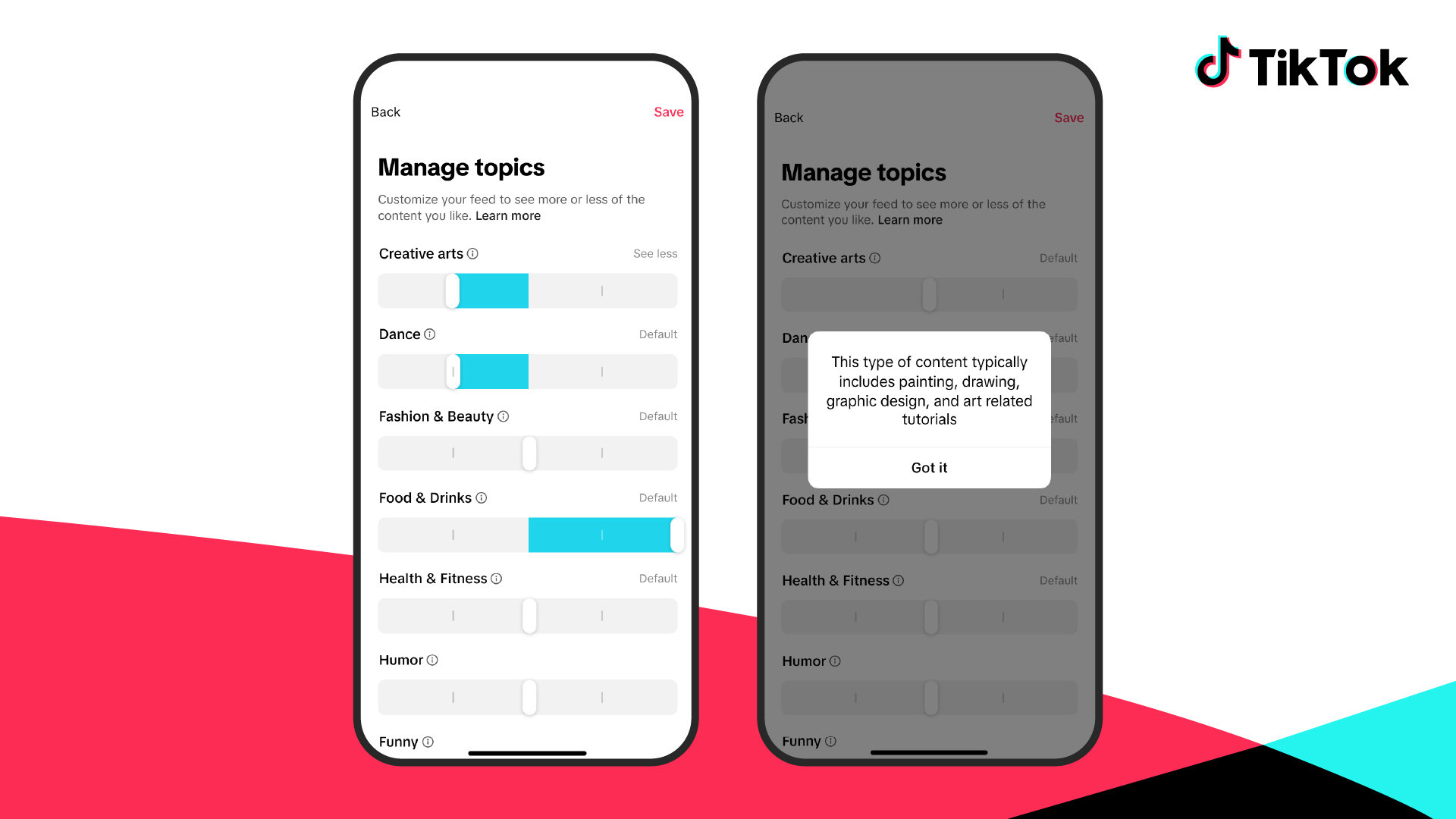
Feeder content, at its core, serves as the foundational layer of a brand’s TikTok presence. It’s not about going viral or chasing fleeting trends; rather, it’s about consistently delivering value and establishing a reliable stream of engaging material that keeps the audience connected and informed. Unlike “pillar” or “hero” content, which aims for broad appeal and significant reach, feeder content is designed for regularity, relevance, and fostering deeper community engagement. Its primary objective is to continuously “feed” the algorithm with consistent, high-quality signals, thereby keeping the brand visible and relevant in the minds of its target audience.
Defining Feeder Content in the TikTok Ecosystem
Feeder content on TikTok encompasses a broad spectrum of video formats and themes that are produced with a degree of regularity. These videos might not always aim for monumental virality, but they are crucial for maintaining a consistent brand voice, showcasing expertise, and building a loyal following. Think of them as the reliable staples in a digital diet, ensuring a constant supply of nourishing material.
- Consistency over Virality: The defining characteristic of feeder content is its reliability. Brands commit to a publishing schedule, ensuring that their audience can expect fresh content regularly. This builds anticipation and habit. For instance, a skincare brand might post a “skincare tip of the day” video every morning, or a software company might release a short “feature spotlight” every Tuesday. These are predictable, valuable contributions that don’t necessarily rely on a viral sensation.
- Niche Relevance and Value: While not always aiming for mass appeal, feeder content is deeply rooted in the brand’s niche and the interests of its target audience. It provides practical advice, answers common questions, offers behind-the-scenes glimpses, or shares industry insights. The value proposition here is direct and targeted. A cooking brand might share a quick recipe hack, or a fitness influencer could offer a 60-second workout demonstration. The audience seeking this specific information finds it valuable and memorable.
- Algorithm Fuel and Audience Nurturing: TikTok’s algorithm thrives on engagement and watch time. Feeder content, by its very nature of being consistently present and relevant, provides the algorithm with a steady diet of signals. This keeps the brand’s profile active and increases its chances of being surfaced in “For You” pages. Furthermore, this consistent presence nurtures the existing audience, making them feel more connected and invested in the brand’s journey.
The Multifaceted Purpose of Feeder Content
The utility of feeder content extends far beyond simple video production. It plays a strategic role in several key aspects of brand building and audience relationship management on TikTok. Its consistent delivery of targeted information fortifies the brand’s authority, nurtures community, and indirectly supports broader marketing objectives.
- Establishing Authority and Expertise: By regularly sharing informative and insightful content within its domain, a brand positions itself as a knowledgeable authority. For a financial advisor, this could mean daily posts on “investment myths debunked” or “understanding market volatility.” For a fashion brand, it might be “styling tips for the season” or “the history behind a particular fabric.” This consistent display of expertise builds trust and credibility, making the brand the go-to source for information in its niche.
- Nurturing Community and Loyalty: Feeder content creates a sense of community by giving followers a reason to return. When a brand consistently delivers content that resonates with its audience’s interests and needs, followers feel understood and valued. This can translate into higher engagement rates, more comments, shares, and ultimately, a more loyal customer base. A pet supply store might feature “customer pet spotlights” every Friday, fostering a sense of shared passion among pet owners and building a strong community around the brand.
- Supporting Pillar Content and Campaigns: While feeder content operates on a consistent basis, it can also serve as a vital supporting element for larger marketing campaigns or “pillar” content pieces. For example, before launching a new product, a brand might release a series of feeder videos hinting at the product’s features, answering potential questions, and building anticipation. This pre-campaign feeder content primes the audience, making them more receptive when the main campaign material is released.
- Data Gathering and Iteration: The performance of feeder content provides invaluable data about audience preferences. By analyzing which types of feeder videos receive the most engagement, brands can refine their content strategy, identify emerging trends within their niche, and tailor future content to better meet audience demands. This iterative process ensures that the brand’s content remains dynamic and effective.
Implementing a Strategic Feeder Content Strategy
Developing an effective feeder content strategy for TikTok requires a deliberate and systematic approach. It’s not about haphazardly posting videos; it’s about understanding the platform, the audience, and the brand’s overarching marketing goals. A well-executed strategy ensures that feeder content consistently contributes to the brand’s growth and engagement on the platform.
Identifying Your Niche and Audience Needs

The foundation of any successful feeder content strategy lies in a deep understanding of your brand’s niche and the specific needs and interests of your target audience on TikTok. Without this clarity, your content risks being irrelevant or, worse, ignored.
- Defining Your Brand’s Core Value Proposition: What unique expertise, product, or service does your brand offer? What problem do you solve for your audience? Your feeder content should consistently reinforce this core value proposition. For example, a productivity app should focus on tips for time management, task prioritization, and efficient workflow, showcasing how their app facilitates these benefits.
- Audience Research and Persona Development: Go beyond broad demographics. Understand the psychographics of your ideal TikTok follower. What are their pain points? What are their aspirations? What kind of content do they engage with on TikTok? Tools like TikTok’s native analytics, competitor analysis, and direct audience interaction (comments, Q&A sessions) can provide invaluable insights for developing detailed audience personas.
- Keyword and Trend Analysis within Your Niche: While feeder content isn’t solely about chasing trends, understanding relevant keywords and emerging discussions within your niche is crucial. Use TikTok’s search function, explore relevant hashtags, and monitor what competitors or complementary brands are discussing. This helps ensure your feeder content is timely and searchable. For a sustainable fashion brand, this might involve tracking discussions around ethical sourcing, circular fashion, or specific eco-friendly materials.
Content Pillars and Formats for Consistent Value
To maintain a consistent flow of engaging feeder content, it’s beneficial to establish clear content pillars and explore various formats that align with your brand’s strengths and audience preferences. This structured approach ensures variety while staying true to your core messaging.
- Educational Snippets and Tutorials: Short, digestible videos that teach your audience something valuable are excellent feeder content. This could be how-to guides, quick tips, explanations of complex concepts, or demonstrations of product usage. For instance, a software company might offer weekly tutorials on mastering specific advanced features of their platform.
- Behind-the-Scenes and Humanization: Showing the people and processes behind your brand can foster authenticity and connection. This could include day-in-the-life videos, team spotlights, glimpses into product development, or even casual office interactions. A craft brewery might share short videos of their brewing process or introduce their brewmasters, humanizing the brand and building a relatable narrative.
- Q&A and Myth-Busting: Directly addressing audience questions and debunking common misconceptions within your industry builds trust and positions you as an expert. This can be done through dedicated Q&A sessions where you answer comments, or by proactively addressing frequently asked questions in short, informative videos. A cybersecurity firm could regularly address common online security fears and provide practical advice on how to mitigate risks.
- User-Generated Content Spotlights and Testimonials: Encouraging and showcasing content created by your customers is a powerful form of social proof and engagement. Feeder content can include highlighting customer success stories, reposting user reviews (with permission), or featuring creative ways customers use your product. This not only provides valuable content but also incentivizes further user engagement.
- Behind-the-Brand Narratives: This involves sharing the story, values, and mission of your brand. It can include the origin story, the inspiration behind your products, or the social impact your brand aims to achieve. A non-profit organization could share short videos about the impact of their work on specific communities, reinforcing their purpose and inspiring support.
Measuring and Optimizing Feeder Content Performance
The effectiveness of your feeder content strategy is not static; it requires ongoing evaluation and optimization. By meticulously tracking key performance indicators (KPIs) and iterating based on data, you can ensure your feeder content continues to resonate with your audience and contribute to your brand’s objectives on TikTok.
Key Performance Indicators for Feeder Content
Focusing on the right metrics is crucial for understanding what’s working and what’s not. For feeder content, the emphasis is often on sustained engagement and community growth rather than solely on viral reach.
- Watch Time and Completion Rate: These metrics indicate how engaging your content is. A high watch time and completion rate suggest that viewers are finding your feeder content compelling enough to watch through. This is a strong signal to the TikTok algorithm that your content is valuable.
- Engagement Rate (Likes, Comments, Shares, Saves): A healthy engagement rate across these actions signifies that your feeder content is sparking conversation, interest, and a desire to share or revisit. Comments, in particular, are a powerful indicator of community building and audience interaction.
- Follower Growth and Retention: While not solely attributable to feeder content, a consistent stream of valuable feeder content should contribute to organic follower growth and, crucially, the retention of those followers. Are new followers sticking around and engaging with your subsequent content?
- Click-Through Rates (if applicable): If your feeder content includes calls to action (e.g., linking to a website, product page, or other social media), tracking click-through rates is vital for understanding its effectiveness in driving traffic or conversions.
Iterative Refinement and Strategic Adjustments
The data gleaned from your KPIs should not be treated as a final verdict but as a roadmap for continuous improvement. Feeder content is an ongoing process, and adaptability is key to sustained success.
- Content Audits and Performance Analysis: Regularly review the performance of your feeder content. Identify patterns: which topics, formats, or posting times consistently perform best? Conversely, which types of content underperform? This analysis should inform your future content calendar.
- A/B Testing and Experimentation: Don’t be afraid to experiment. Try different video lengths, editing styles, music choices, or storytelling approaches within your feeder content. A/B testing variations of similar content can reveal subtle but significant differences in audience reception.
- Adapting to Algorithm Changes and Audience Feedback: The TikTok algorithm is dynamic. Staying informed about potential changes and actively listening to audience feedback (through comments, polls, or direct messages) is crucial. Be prepared to adjust your feeder content strategy to align with these evolving factors.
- Integrating Feeder Content with Broader Marketing Campaigns: Ensure your feeder content strategy is not siloed. How can it support your larger marketing initiatives, product launches, or brand messaging? Feeder content can act as a consistent touchpoint that reinforces and amplifies the impact of your more significant campaigns.
By embracing feeder content as a strategic, consistent, and data-driven component of your TikTok marketing efforts, brands can cultivate a robust digital presence, foster deep audience connections, and achieve sustained growth within this dynamic platform. It is the steady heartbeat that keeps your brand alive and relevant in the fast-paced world of social media.
aViewFromTheCave is a participant in the Amazon Services LLC Associates Program, an affiliate advertising program designed to provide a means for sites to earn advertising fees by advertising and linking to Amazon.com. Amazon, the Amazon logo, AmazonSupply, and the AmazonSupply logo are trademarks of Amazon.com, Inc. or its affiliates. As an Amazon Associate we earn affiliate commissions from qualifying purchases.