
The term “dealer” is ubiquitous in the financial world, yet its precise meaning and function can sometimes be elusive. At its core, a dealer is an intermediary in financial markets who buys and sells securities for their own account, rather than on behalf of others. This fundamental role underpins the liquidity and efficiency of global financial systems. While the concept might seem straightforward, the nuances of a dealer’s operations, their motivations, and their impact on market dynamics are complex and warrant a deeper exploration. This article delves into the multifaceted world of dealers, examining their critical functions, the markets they operate in, their profit mechanisms, and the regulatory landscape that governs their activities.
The Core Function: Providing Liquidity and Market Making
At the heart of what defines a dealer is their role as a market maker. In any financial market, for a trade to occur, there must be a buyer and a seller willing to transact at a given price. In less liquid markets, finding such a counterparty can be challenging, leading to price uncertainty and difficulty in executing trades. Dealers solve this problem by standing ready to buy or sell specific securities at publicly quoted prices. This constant presence ensures that investors can always find a trading partner, thereby facilitating the smooth flow of capital and enabling price discovery.
Creating Bid and Ask Prices
Dealers continuously quote two prices for a given security: a “bid” price at which they are willing to buy, and an “ask” (or “offer”) price at which they are willing to sell. The difference between these two prices is known as the “bid-ask spread.” This spread represents the dealer’s potential profit margin for facilitating the trade. For instance, if a dealer quotes a bid of $10.00 and an ask of $10.05 for a particular stock, they are willing to buy it from sellers at $10.00 and sell it to buyers at $10.05.
The Role of Inventory Management
To effectively act as market makers, dealers must maintain an inventory of the securities they trade. This inventory is dynamic, constantly fluctuating as they buy from sellers and sell to buyers. Effective inventory management is crucial for dealers. If they hold too much of a particular security, they risk losses if its price declines. Conversely, if they hold too little, they might miss out on profitable trading opportunities or be unable to meet demand, thereby undermining their market-making function. Dealers use sophisticated trading strategies and risk management techniques to balance their inventories and mitigate price risk. This often involves hedging their positions using derivatives or other securities.
Facilitating Price Discovery
By actively quoting bid and ask prices and taking positions in the market, dealers contribute significantly to price discovery. Their willingness to trade helps to establish the prevailing market price for a security. As more information becomes available or market sentiment shifts, dealers adjust their quotes, reflecting these changes and providing valuable signals to other market participants. This continuous process of price adjustment ensures that asset prices are, to a reasonable extent, aligned with their underlying value and current market conditions.
Types of Dealers and Markets They Serve
The term “dealer” is broad and encompasses a variety of financial professionals operating across different asset classes and market structures. Their specific roles and the markets they serve can vary significantly.
Securities Dealers
Securities dealers are perhaps the most commonly recognized type. They trade in a wide range of financial instruments, including stocks, bonds, options, and futures. These dealers can be specialized, focusing on a particular type of security (e.g., a government bond dealer) or a specific sector (e.g., a technology stock dealer). They operate on exchanges, through over-the-counter (OTC) markets, and directly with institutional investors.
Bond Dealers
Bond dealers play a crucial role in the fixed-income markets. They facilitate the buying and selling of government bonds, corporate bonds, municipal bonds, and other debt instruments. The bond market is often less transparent than the equity market, making the role of bond dealers particularly important for providing liquidity and price information. They often act as principals, taking on risk by holding inventories of bonds.
Foreign Exchange (Forex) Dealers
In the global currency markets, forex dealers facilitate the exchange of one currency for another. They operate around the clock, quoting bid and ask prices for currency pairs. Banks and financial institutions are major players in the forex market, and their trading desks often function as forex dealers, serving both their own institutional needs and those of their clients.
Commodity Dealers
Dealers also operate in commodity markets, trading in raw materials such as oil, gold, agricultural products, and metals. These dealers may specialize in physical commodities or in commodity derivatives, such as futures and options contracts. They are essential for ensuring the efficient movement of goods from producers to consumers and for hedging price risks associated with commodities.
Over-the-Counter (OTC) Markets

A significant portion of dealer activity occurs in OTC markets. Unlike exchange-traded markets, where trades are centralized and cleared through an exchange, OTC markets are decentralized networks of dealers and investors who trade directly with each other. This allows for greater flexibility and customization of trades but can also lead to less transparency and higher counterparty risk. Dealers in OTC markets are critical for providing liquidity in markets that may not be suitable for exchange listing.
Profitability and Risk for Dealers
The business model of a dealer is fundamentally about profiting from the bid-ask spread and managing the inherent risks associated with holding financial assets.
The Bid-Ask Spread as a Revenue Source
As mentioned earlier, the bid-ask spread is the primary source of revenue for most dealers. By buying at the bid price and selling at the ask price, dealers aim to profit from the difference. The narrower the spread, the more competitive the market, but also the lower the potential profit per trade. Dealers must execute a high volume of trades to generate significant revenue from these small margins.
Trading Profits and Losses
Beyond the spread, dealers can also profit or incur losses from changes in the market value of their inventory. If a dealer buys a security and its price subsequently rises, they can sell it for a profit. Conversely, if the price falls, they will incur a loss. This is where sophisticated risk management becomes paramount. Dealers employ a range of strategies to hedge their inventory exposure, including using derivative instruments, diversifying their holdings, and adjusting their trading positions based on market analysis and forecasts.
Managing Market Risk
Market risk, the risk of losses due to adverse movements in market prices, is a constant concern for dealers. They utilize sophisticated quantitative models and risk management systems to monitor and control their exposure to various market factors, such as interest rate changes, currency fluctuations, and equity price movements. Regulatory capital requirements also play a role in limiting the amount of risk a dealer can take on.
Operational and Counterparty Risk
In addition to market risk, dealers also face operational risks, such as system failures, human error, or fraud. Counterparty risk, the risk that the other party to a trade will default on their obligations, is also a significant consideration, particularly in OTC markets. Dealers mitigate these risks through robust internal controls, due diligence on counterparties, and the use of clearinghouses where available.
Regulation and Oversight of Dealers
The activities of dealers are subject to significant regulation and oversight by government bodies and financial authorities. This regulation aims to protect investors, maintain market integrity, and ensure the stability of the financial system.
Regulatory Frameworks
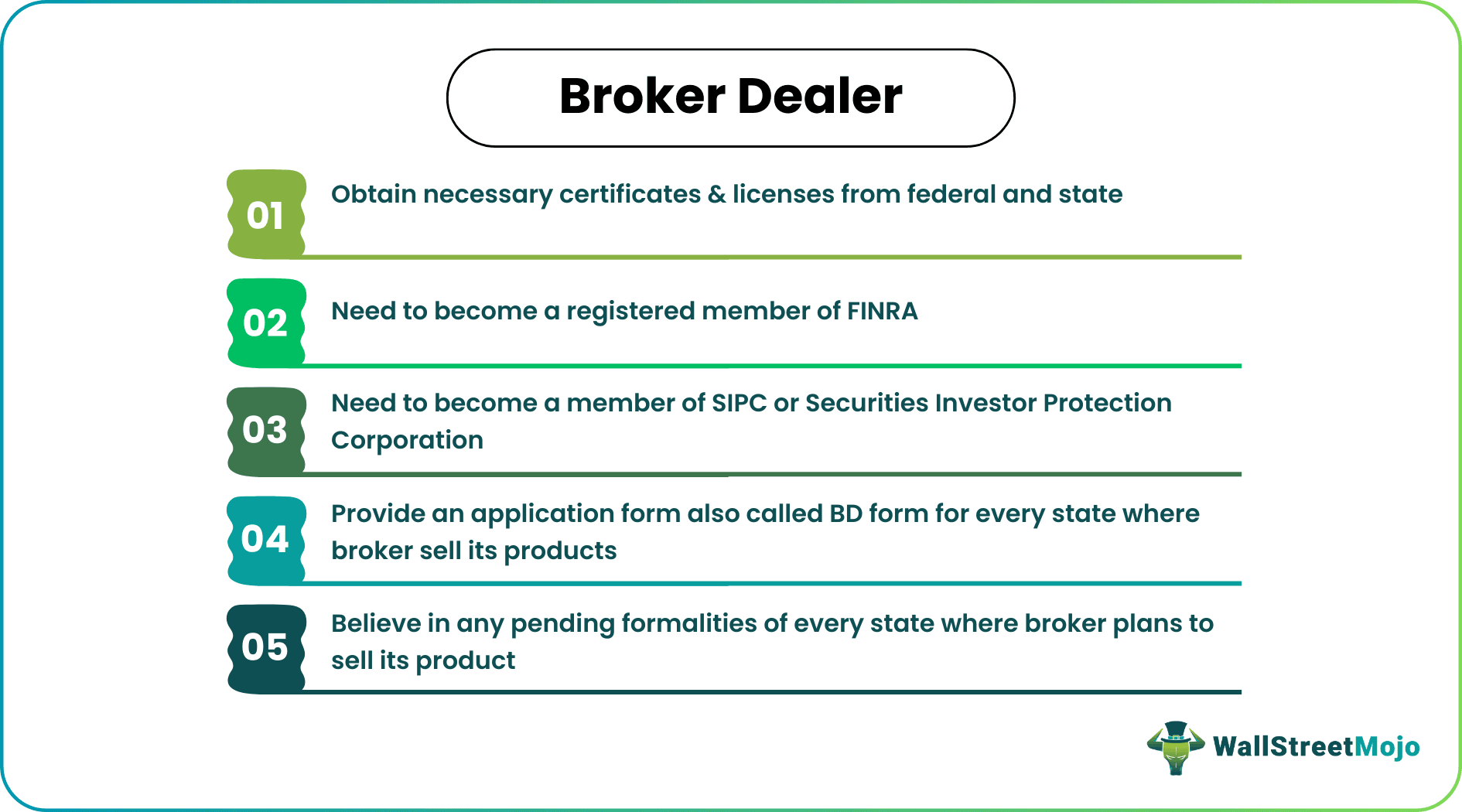
In the United States, the Securities and Exchange Commission (SEC) and the Financial Industry Regulatory Authority (FINRA) are key regulators of securities dealers. In Europe, the European Securities and Markets Authority (ESMA) and national competent authorities play similar roles. These bodies establish rules regarding capital requirements, trading practices, reporting obligations, and consumer protection.
Capital Requirements
Dealers are typically required to maintain a certain level of capital, known as regulatory capital, to absorb potential losses. These capital requirements are designed to ensure that dealers have sufficient financial resources to meet their obligations and to withstand market shocks without jeopardizing the broader financial system.
Conduct Rules and Disclosure Requirements
Dealers are bound by conduct rules that dictate how they must interact with clients and operate in the market. These rules often include requirements for fair dealing, suitability of recommendations, and prohibitions against market manipulation. Disclosure requirements ensure that investors have access to relevant information about the securities being traded and the risks involved.
Importance of Trust and Reputation
While regulation provides a framework, the success of a dealer ultimately relies on trust and reputation. A dealer’s ability to consistently provide competitive pricing, execute trades efficiently, and act with integrity is crucial for attracting and retaining clients. A strong reputation built on ethical conduct and reliable service is a valuable asset in the financial industry.
In conclusion, dealers are indispensable players in the financial markets. Their primary function of market making provides essential liquidity, enabling investors to trade securities efficiently and contributing to accurate price discovery. While they operate with the goal of profitability, primarily through the bid-ask spread, they also navigate significant market, operational, and counterparty risks. The robust regulatory frameworks governing their activities underscore their importance and the need for transparency and fairness in their operations. Understanding the role of a dealer is crucial for anyone seeking to comprehend the intricate workings of modern financial ecosystems.
aViewFromTheCave is a participant in the Amazon Services LLC Associates Program, an affiliate advertising program designed to provide a means for sites to earn advertising fees by advertising and linking to Amazon.com. Amazon, the Amazon logo, AmazonSupply, and the AmazonSupply logo are trademarks of Amazon.com, Inc. or its affiliates. As an Amazon Associate we earn affiliate commissions from qualifying purchases.