
D2D sales, a term that resonates across various industries, stands for “Direct-to-Door” or “Door-to-Door” sales. While the “door” itself might have evolved from a physical threshold to a digital gateway in some contexts, the core principle remains: engaging potential customers directly, often in their own environment, to present and sell products or services. This method, though ancient in its origins, has seen a resurgence and adaptation in the modern era, particularly within specific sectors of the technology and business world. Understanding D2D sales requires delving into its historical roots, its contemporary applications, and the strategic considerations that make it a powerful, albeit sometimes challenging, sales model.

The Evolution of Direct Engagement: From Peddlers to Digital Outreach
The concept of bringing goods and services directly to the consumer is as old as commerce itself. Early forms of D2D sales involved traveling merchants and peddlers who carried their wares from town to town, knocking on doors to offer their products. This direct interaction allowed for immediate feedback, relationship building, and overcoming geographical barriers. As economies grew and societies urbanized, D2D sales methods adapted. The rise of companies like Fuller Brush and Avon in the early 20th century exemplifies a more formalized approach to D2D sales, building large networks of sales representatives who operated within defined territories.
The Physical Doorstep: A Foundation of Trust and Immediacy
Historically, the physical doorstep was the primary arena for D2D sales. This method thrives on the personal connection established between the salesperson and the potential client. The ability to demonstrate a product, answer questions in real-time, and gauge immediate reactions provides an unparalleled advantage in certain sales scenarios. For products that benefit from a hands-on demonstration or require a certain level of explanation to grasp their value, D2D sales offers a powerful avenue. This is particularly true for home improvement services, energy solutions, and even some B2C technology products that aim to simplify daily life or enhance home functionality.
The Digital Doorstep: Expanding Reach and Refining Engagement
In the digital age, the “door” has expanded to include a multitude of online touchpoints. While the term “D2D sales” is most commonly associated with its physical iteration, the underlying philosophy of direct customer engagement has been translated into digital strategies. This can encompass direct outreach through social media platforms, personalized email campaigns, and even in-app notifications. The goal remains the same: to reach potential customers where they are, with a tailored message and an offer designed to resonate with their immediate needs or interests. This evolution acknowledges that while the physical act of knocking might be less prevalent, the strategic intent of direct, personal interaction persists.
D2D Sales in the Modern Tech Landscape: Specific Applications and Strategies
Within the technology sector, D2D sales, primarily in its physical form, has found a significant niche, particularly in areas where the product or service offers a tangible improvement to a consumer’s home or a business’s operational efficiency. This is not about generic product hawking; it’s about presenting solutions that require understanding the customer’s environment and needs firsthand.
Home Technology Solutions: From Solar Panels to Smart Homes
One of the most prominent areas for D2D sales in tech is the installation of home technology solutions. This includes solar panel systems, where the sales representative can assess roof suitability, energy consumption patterns, and explain the complex financial and environmental benefits directly to homeowners. Similarly, companies offering smart home installations, security systems, or advanced internet services often employ D2D sales teams. These teams are trained to explain the technical aspects in an accessible manner, tailor packages to individual household needs, and overcome initial hesitations about adopting new technologies. The visual aspect of demonstrating how a smart thermostat works or how a security camera provides peace of mind is crucial and is best achieved through in-person interaction.
Business-to-Business (B2B) Tech Implementations: On-Site Assessments and Demonstrations
Beyond the residential market, D2D sales principles are also applied in B2B tech. While not always literally “door-to-door” in the sense of residential prospecting, sales representatives for IT services, cloud solutions, or specialized software may conduct on-site visits to businesses. These visits are crucial for understanding a company’s existing infrastructure, identifying pain points, and demonstrating how a new technology can streamline operations, reduce costs, or enhance productivity. The ability to have a direct conversation with decision-makers, observe the current workflow, and provide a customized demonstration in the relevant environment is invaluable for closing complex B2B tech deals. This often involves a consultative sales approach, where the salesperson acts as a solution provider rather than just a product pusher.
Overcoming Barriers: The Role of Training and Technology
While D2D sales offers direct access, it also presents unique challenges. Sales representatives must be highly skilled in communication, product knowledge, and objection handling. Modern D2D sales teams often leverage technology to enhance their effectiveness. This includes using CRM (Customer Relationship Management) software to track leads and customer interactions, employing digital presentation tools, and utilizing data analytics to identify high-potential areas for outreach. Furthermore, rigorous training programs are essential to equip D2D sales professionals with the confidence and expertise to navigate diverse customer situations and effectively articulate the value proposition of their technological offerings. The integration of technology not only aids in the sales process but also helps in providing a more professional and data-driven approach to the traditional D2D model.

The Strategic Advantage: Why D2D Sales Persists in Tech
Despite the proliferation of digital marketing channels, D2D sales continues to thrive in specific tech sectors due to its inherent advantages in building trust, personalizing the sales experience, and driving immediate action.
Building Trust and Rapport: The Human Connection in Technology Adoption
Adopting new technologies, especially those that involve significant investment or integration into daily life, can be daunting for consumers. D2D sales provides a human face to often complex technological solutions. A well-trained salesperson can build rapport, answer nuanced questions, and address concerns that might not surface in an online interaction. This personal connection fosters trust, which is a critical factor in overcoming customer inertia and encouraging the adoption of innovative products and services. For instance, explaining the intricate workings of a solar energy system or the security protocols of a smart home system requires a level of clarity and reassurance that a face-to-face conversation can readily provide.
Personalized Solutions and Demonstrations: Tailoring Tech to Individual Needs
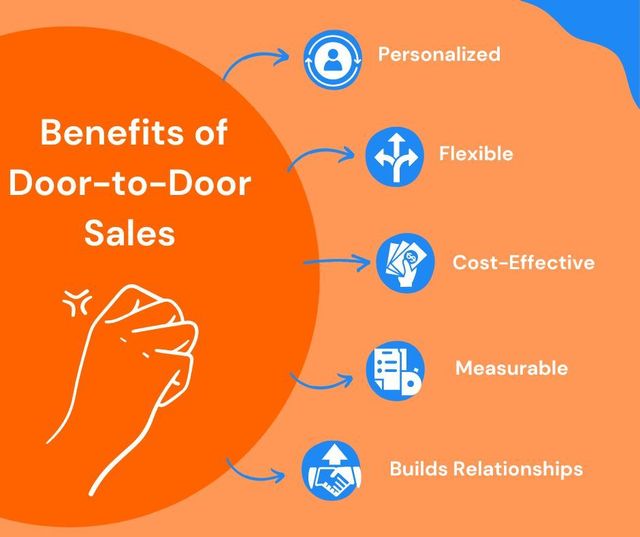
One of the most significant strengths of D2D sales is its ability to offer highly personalized solutions. A D2D representative can physically assess a customer’s home or business environment, understand their specific needs, and tailor the product or service accordingly. This might involve recommending the optimal placement for solar panels, designing a smart home system that integrates seamlessly with existing appliances, or demonstrating how a particular software feature can directly address a unique business challenge. The ability to provide live, on-site demonstrations further solidifies the value proposition, allowing potential customers to see the technology in action and visualize its benefits within their own context. This level of customization and immediate visualization is difficult to replicate through remote sales channels.
Driving Immediate Action and Closing Deals: Seizing the Moment
The direct nature of D2D sales allows for the creation of a sense of urgency and the facilitation of immediate decision-making. When a customer is engaged in a productive conversation with a knowledgeable salesperson, understands the benefits, and sees a clear path to implementation, they are more likely to commit to a purchase. D2D sales professionals are skilled at identifying buying signals and guiding the customer through the closing process, often with the ability to finalize contracts and schedule installations on the spot. This immediacy is particularly valuable for products and services with a strong seasonal component or those where rapid adoption can yield significant short-term benefits. The psychological impact of a direct, persuasive conversation, coupled with the convenience of immediate commitment, can lead to higher conversion rates for well-executed D2D sales campaigns in the tech industry.
Challenges and Considerations in D2D Sales
While the benefits of D2D sales are substantial, it’s crucial to acknowledge and address the inherent challenges associated with this model, especially within the fast-paced tech industry. Effective management, rigorous training, and ethical practices are paramount to success.
The Need for Exceptional Sales Talent and Rigorous Training
D2D sales demands a specific caliber of sales professional. These individuals must possess not only excellent interpersonal skills and product knowledge but also resilience, adaptability, and a strong ethical compass. They are often the frontline representatives of a company, and their conduct directly impacts brand perception. Therefore, investing in comprehensive training programs is non-negotiable. This training should encompass in-depth product education, effective communication and persuasion techniques, objection handling, understanding of relevant regulations, and conflict resolution. Furthermore, ongoing coaching and performance feedback are essential to ensure that sales representatives remain sharp, motivated, and aligned with the company’s objectives and values.
Navigating Regulations and Ethical Pitfalls
The D2D sales model, by its very nature, operates within the personal spaces of potential customers, necessitating strict adherence to legal and ethical guidelines. This includes understanding and complying with “do not knock” registries, local solicitation ordinances, and fair trade practices. Reputable companies prioritize ethical conduct to build long-term trust and avoid negative publicity. This means ensuring that sales pitches are honest and transparent, avoiding high-pressure tactics, and respecting a customer’s decision if they are not interested. Clear disclosure of terms, pricing, and cancellation policies is crucial. Furthermore, data privacy and security are paramount, especially when collecting customer information. Companies must implement robust data protection measures and train their sales teams on responsible data handling.
Measuring ROI and Optimizing Performance
For any D2D sales operation to be sustainable, a clear understanding of its return on investment (ROI) is vital. This involves meticulously tracking key performance indicators (KPIs) such as lead conversion rates, cost per acquisition, average deal size, and customer lifetime value. Advanced CRM systems and sales analytics tools are indispensable for gathering and analyzing this data. By identifying what’s working and what isn’t, companies can refine their targeting strategies, optimize their sales scripts, adjust their territories, and improve their training programs. Continuous performance monitoring and data-driven adjustments are key to maximizing the efficiency and profitability of D2D sales efforts in the competitive technology market. The ability to adapt quickly based on performance data allows D2D sales teams to remain agile and effective.
aViewFromTheCave is a participant in the Amazon Services LLC Associates Program, an affiliate advertising program designed to provide a means for sites to earn advertising fees by advertising and linking to Amazon.com. Amazon, the Amazon logo, AmazonSupply, and the AmazonSupply logo are trademarks of Amazon.com, Inc. or its affiliates. As an Amazon Associate we earn affiliate commissions from qualifying purchases.