
The cinematic experience has always strived to immerse audiences deeper into the worlds presented on screen. From the advent of sound and color to the development of surround sound and 3D projection, technological innovations have consistently pushed the boundaries of what it means to “go to the movies.” In recent years, a new frontier in sensory engagement has emerged, offering a level of immersion that transcends visual and auditory stimuli. This frontier is embodied by D-BOX, a cutting-edge technology that transforms standard movie seats into dynamic, responsive platforms, creating a truly multi-sensory cinematic adventure. But what exactly is a D-BOX movie theatre, and how does this sophisticated technology enhance the way we experience films?
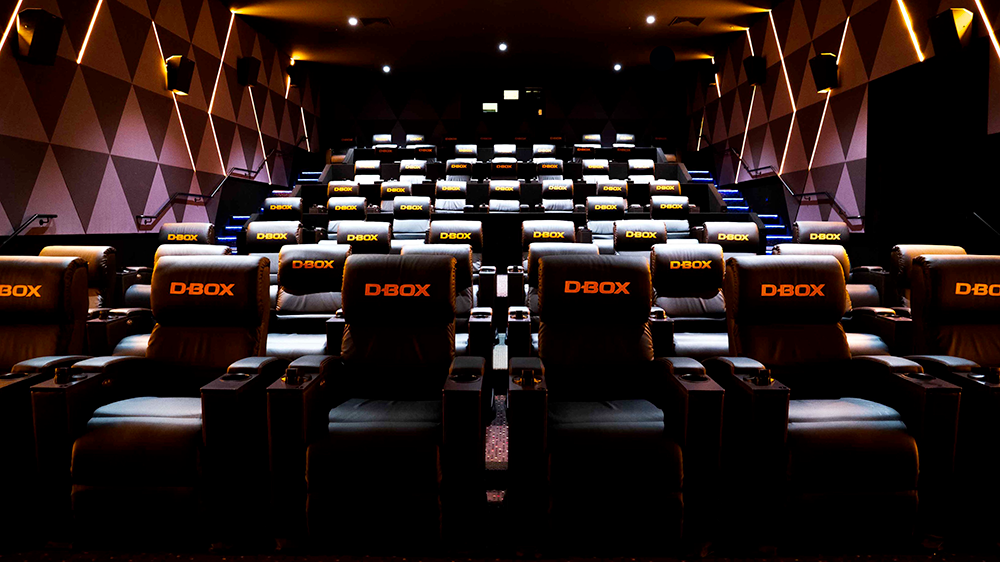
At its core, a D-BOX movie theatre is a cinema equipped with specialized seating that moves and vibrates in sync with the on-screen action. This isn’t simply a gentle sway; D-BOX seats are capable of a wide range of motion, from subtle tremors that convey the rumble of an engine to dramatic jolts that simulate explosions or high-speed chases. Coupled with precisely timed haptic feedback, these seats can replicate the sensations of flying, falling, or even the subtle impact of a character’s footsteps. This technology aims to elevate the traditional movie-going experience by engaging the sense of touch and proprioception, allowing viewers to not only see and hear the film but to feel it on a visceral level.
The technology behind D-BOX is a testament to the power of integrated systems. It involves a sophisticated interplay between the movie’s audio-visual content, specially encoded D-BOX motion code, and the intelligent movement systems within the seats themselves. This synergy creates a dynamic and responsive environment that can profoundly alter a viewer’s perception of a film, making it more engaging, exciting, and memorable.
The Technological Foundation of D-BOX Seating
The innovation that defines D-BOX movie theatres lies in the meticulous engineering and software that power their immersive seating. This technology is not a mere gimmick; it is a carefully calibrated system designed to synchronize physical sensations with the narrative unfolding on screen, thereby augmenting the emotional and physical impact of the film. Understanding the underlying technology reveals the depth of this cinematic enhancement.
Intelligent Motion and Haptic Feedback Systems
The heart of D-BOX technology resides in its intelligent motion and haptic feedback systems. Each D-BOX seat is equipped with a series of actuators and motors that are capable of precise, controlled movements. These actuators work in concert to generate a spectrum of physical sensations. The complexity of these movements allows for a nuanced replication of on-screen events. For instance, a subtle vibration might represent the distant hum of a passing train, while a more forceful, rapid motion could simulate the impact of a car crash.
Haptic feedback, a crucial component of the D-BOX experience, refers to the use of tactile stimuli to communicate information. In a D-BOX seat, this translates to a range of vibrations, from gentle pulses to intense tremors. These vibrations are not randomly generated; they are meticulously programmed to align with specific audio and visual cues in the film. This precise synchronization ensures that the physical sensations feel natural and enhance, rather than distract from, the viewing experience. The system is designed to interpret the nuances of the film’s soundtrack and visual effects, translating them into corresponding physical feedback. This can range from the subtle drumming of rain on a surface to the powerful recoil of a firearm.
The Role of D-BOX Motion Code
The magic of D-BOX is not inherent in the seats alone; it is unlocked through a proprietary form of content encoding known as D-BOX Motion Code. This specialized code is embedded within the film’s digital stream, acting as a set of instructions for the D-BOX seating system. During the post-production phase of a film, a dedicated D-BOX creative team meticulously analyzes the movie scene by scene, identifying moments where motion and haptic feedback can best amplify the narrative and enhance the viewer’s immersion.
This coding process is an art form in itself. The team carefully assigns specific movements and vibrations to correspond with different on-screen actions. For example, a scene depicting a character running through a forest might be coded with subtle ground vibrations and slight shifts in seat pitch to simulate the uneven terrain. A high-octane action sequence, conversely, would be imbued with more dramatic and varied movements, including sudden jolts, tilts, and rapid vibrations that mimic explosions, impacts, and rapid acceleration. The D-BOX Motion Code essentially acts as a director for the seats, guiding their every move to create a cohesive and believable sensory experience. The fidelity of this code is paramount; it requires a deep understanding of filmmaking and human perception to craft code that feels authentic and enhances, rather than detracts from, the cinematic narrative.
How D-BOX Enhances the Cinematic Experience
The integration of D-BOX technology fundamentally alters the way audiences engage with films, moving beyond passive observation to active, multi-sensory participation. This shift has significant implications for viewer engagement, emotional connection, and the overall memorability of a cinematic outing.
Amplifying Immersion and Engagement
The primary benefit of D-BOX seating is its unparalleled ability to amplify immersion. By engaging the sense of touch, D-BOX pulls viewers directly into the on-screen world. When a car accelerates, the seat pushes you back. When a character jumps, you feel a subtle lift. This physical feedback creates a more profound connection to the on-screen action, making it feel more real and immediate. This heightened sense of realism can transform passive viewing into an active experience, where the audience feels more like they are participating in the narrative rather than simply observing it.
This increased immersion directly translates to heightened engagement. When the physical sensations align with the visual and auditory elements, the viewer’s attention is captured more effectively. Distractions are minimized as the entire sensory apparatus is engaged. This can lead to longer periods of focused attention, a deeper understanding of the film’s emotional arc, and a more memorable viewing experience. The subtle nuances of a character’s movements, the visceral impact of an explosion, or the gentle sway of a boat on water are all translated into physical sensations that reinforce the on-screen storytelling.
Elevating Emotional Resonance and Impact

Beyond mere immersion, D-BOX technology has the profound capacity to elevate the emotional resonance of a film. Certain scenes, designed to evoke fear, excitement, or awe, are significantly amplified when accompanied by corresponding physical sensations. A terrifying jump scare becomes more potent when the seat jolts, a thrilling chase sequence becomes more exhilarating when the seat vibrates with speed, and a moment of triumph feels more earned when the seat offers a subtle, celebratory rumble.
This amplification of emotional impact can lead to a more profound connection with the film’s characters and narrative. Viewers may find themselves more invested in the protagonists’ struggles when they can physically feel the intensity of their experiences. Conversely, moments of quiet reflection or emotional vulnerability can also be enhanced by subtler haptic feedback, such as gentle pulses that mirror a character’s heartbeat or subtle shifts that convey their unease. The technology allows filmmakers to tap into a primal, visceral level of audience response, creating a more potent and lasting emotional impression. This multi-sensory approach can make a film’s emotional beats land with greater force, leading to a more cathartic and memorable experience.
Redefining the Movie-Going Experience
The advent of D-BOX technology represents a significant evolution in the movie-going experience, offering a compelling reason to visit physical cinemas in an era of burgeoning home entertainment options. It provides a unique selling proposition that cannot be replicated in a home theater setting. The communal aspect of watching a film in a theater is enhanced by the shared physical sensations, creating a collective emotional journey for the audience.
D-BOX theatres are not just places to watch movies; they are destinations designed to offer a premium, immersive entertainment experience. This technology appeals to a demographic that seeks novel and exciting ways to consume content, valuing the sensory richness and emotional intensity that D-BOX provides. By offering a tangible, physical dimension to filmmaking, D-BOX is helping to redefine what audiences expect from their cinematic outings, ensuring that the magic of the silver screen continues to captivate and thrill for years to come. It transforms a passive activity into an active, engaging adventure, solidifying the cinema’s place as a hub for cutting-edge entertainment.
Behind the Scenes: The Creation and Implementation of D-BOX
The journey of a D-BOX enabled film from production to the theatre involves a specialized process that ensures the technology seamlessly integrates with the artistic vision of the movie. This behind-the-scenes look reveals the collaborative effort and technical precision required to bring this immersive experience to life.
The D-BOX Creative Team and Motion Design
The creation of D-BOX content is a highly specialized field, handled by a dedicated team of D-BOX motion designers. These professionals are not just technicians; they are artists who understand the nuances of storytelling and the impact of sensory feedback on audience perception. Their work begins during the post-production phase of a film, where they meticulously analyze the movie’s soundtrack, visual effects, and overall narrative arc.
Using proprietary software, these designers translate the on-screen action into a detailed set of instructions for the D-BOX seats. This involves carefully selecting the type of movement (e.g., pitch, roll, heave), the intensity of vibrations, and their precise timing. A subtle tremor might be assigned to the rumbling of an engine, a sharp jolt to an explosion, and a gentle sway to a character’s emotional distress. The goal is to create a harmonious synergy between what the audience sees, hears, and feels, ensuring that the motion enhances, rather than distracts from, the story. This meticulous process requires a deep understanding of filmmaking techniques, psychology, and the capabilities of the D-BOX seating system. The creative team works closely with the film’s directors and editors to ensure that the motion design aligns perfectly with their artistic intentions.
Integration into Cinema Infrastructure
Implementing D-BOX technology within a cinema environment requires careful planning and specialized infrastructure. The D-BOX seats are not simply bolted into place; they are part of a sophisticated electromechanical system that needs to be integrated with the cinema’s existing power and data networks. Each seat is connected to a central control system that receives the D-BOX Motion Code from the projection booth.
This integration involves installing dedicated wiring for power and data transmission to each seat. The control system, often referred to as the “brain” of the D-BOX setup, manages the synchronized playback of the motion code with the film’s audio and video. It interprets the encoded instructions and directs the actuators within each seat to perform the programmed movements. Cinema operators work closely with D-BOX technicians to ensure that the installation is seamless and that the system is calibrated for optimal performance. Regular maintenance and software updates are also crucial to ensure the longevity and reliability of the D-BOX experience. The goal is to create an environment where the technology is an invisible enhancer, allowing the audience to focus entirely on the film without being aware of the complex machinery at play.
D-BOX: The Future of Immersive Cinema
The emergence of D-BOX movie theatres signifies a pivotal moment in the evolution of cinematic entertainment. As technology continues to advance, the potential for even deeper sensory engagement within the theatre environment is immense. D-BOX represents not just an enhancement but a reimagining of the movie-going experience, offering a compelling glimpse into the future of immersive storytelling.
Beyond Passive Viewing: A New Era of Engagement
D-BOX technology fundamentally shifts the paradigm of cinema from passive viewing to active participation. By incorporating tactile and kinesthetic elements, it transforms the audience from mere spectators into participants within the film’s world. This multi-sensory approach fosters a more profound emotional connection and a deeper, more memorable experience. The ability to “feel” the action alongside seeing and hearing it creates a level of immersion that simply cannot be replicated by traditional viewing methods. This is particularly significant in an age where home entertainment systems are becoming increasingly sophisticated. D-BOX offers a unique, experiential advantage that draws audiences back to the communal setting of the movie theatre.
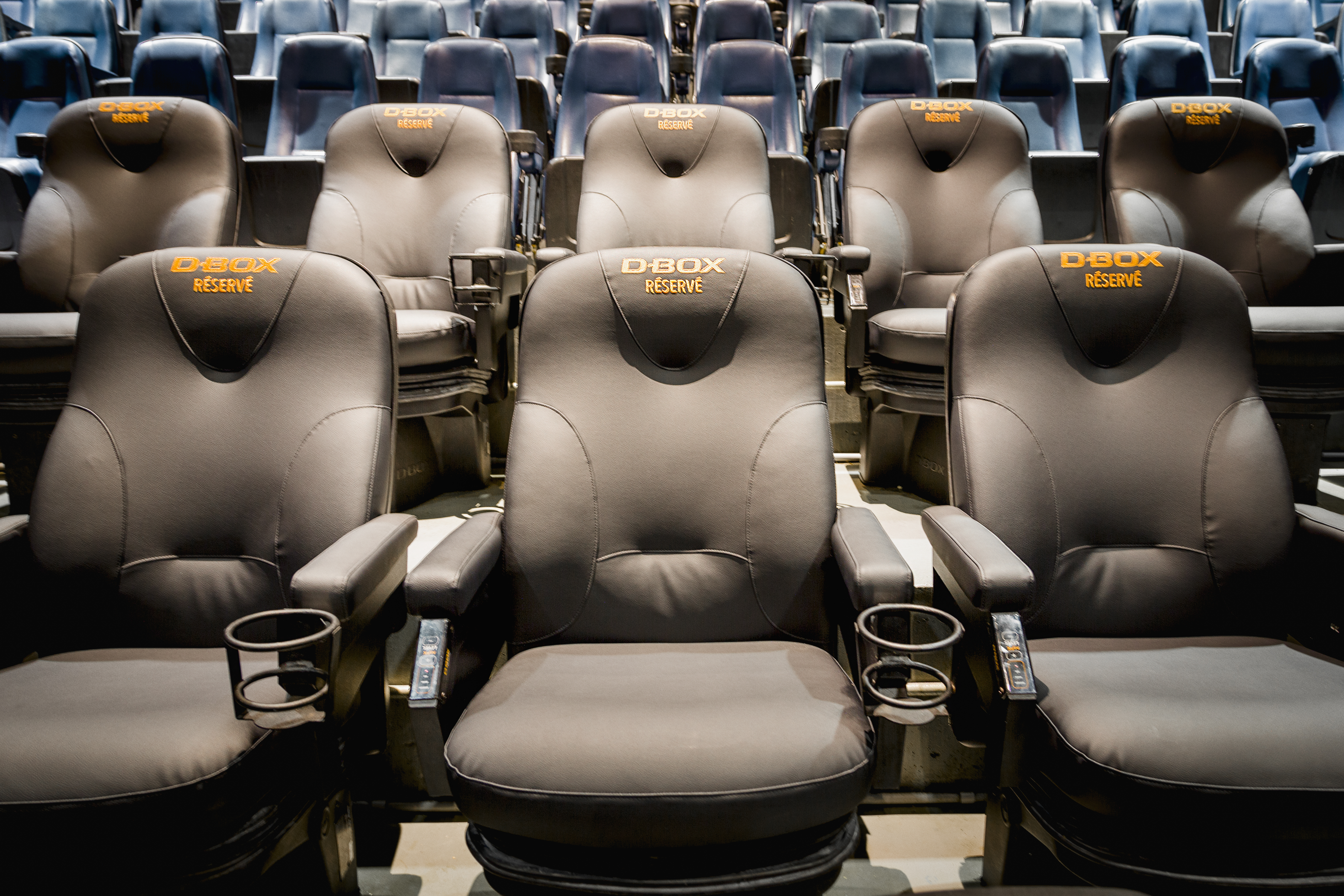
Potential for Future Innovations and Applications
The success of D-BOX in cinemas is likely to pave the way for further innovations in immersive technology. As actuators become more sophisticated and motion control algorithms more advanced, the range and nuance of sensations that can be replicated will undoubtedly expand. We might see further integration of other sensory inputs, such as temperature variations or even scent, to create truly all-encompassing cinematic environments. Beyond entertainment, the principles of D-BOX technology could also find applications in other fields, such as virtual reality training, educational simulations, or even therapeutic settings, where the replication of physical sensations can enhance learning and engagement. The underlying technology of synchronized motion and haptic feedback holds immense potential for creating more realistic and impactful simulated experiences across a wide range of industries. D-BOX is not just a seating solution; it’s a platform for the future of sensory engagement.
aViewFromTheCave is a participant in the Amazon Services LLC Associates Program, an affiliate advertising program designed to provide a means for sites to earn advertising fees by advertising and linking to Amazon.com. Amazon, the Amazon logo, AmazonSupply, and the AmazonSupply logo are trademarks of Amazon.com, Inc. or its affiliates. As an Amazon Associate we earn affiliate commissions from qualifying purchases.