
In today’s interconnected world, understanding and navigating diverse cultural landscapes is no longer a niche skill but a fundamental requirement for success. This is particularly true within the dynamic realm of technology, where innovation thrives on collaboration and the application of solutions to a global audience. For tech professionals, grasping the essence of culture and cultivating cultural competence is paramount to developing effective products, fostering inclusive teams, and achieving widespread adoption. This article will delve into the multifaceted nature of culture and explore the critical importance of cultural competence for those operating within the technology sector.
Understanding Culture in a Technological Context
Culture, in its broadest sense, refers to the shared values, beliefs, customs, behaviors, and artifacts that characterize a group or society. Within the technology industry, culture manifests in several distinct layers. It encompasses the overarching ethos of a company – its mission, its approach to innovation, its risk tolerance, and its internal communication styles. It also extends to the diverse cultural backgrounds of the individuals who design, develop, market, and use technology. Ignoring these nuances can lead to misinterpretations, alienating user bases, and ultimately, the failure of promising technological advancements.
The Digital Fabric: Culture Embedded in Technology
Technology itself is not culturally neutral. The design choices, the algorithms, and the interfaces we create are inherently shaped by the cultural contexts of their creators and intended users. For instance, user interface design preferences, such as the importance of imagery versus text, or the preferred navigation patterns, can vary significantly across cultures. Features that are intuitive and effective in one region might be confusing or even offensive in another. This highlights the need for developers and product managers to move beyond a one-size-fits-all approach and consider how cultural norms influence user interaction and acceptance.
Cultural Nuances in User Experience (UX) and User Interface (UI) Design
When designing software applications or digital platforms, UX/UI designers must consider a multitude of cultural factors. This includes understanding color symbolism, which can have vastly different meanings globally. For example, white is associated with purity and weddings in many Western cultures, but with mourning in some East Asian cultures. Similarly, the use of icons and imagery needs careful consideration. A gesture that is friendly in one culture might be considered rude in another. Language itself is only one facet of cultural communication; non-verbal cues, the directness or indirectness of communication, and the perception of time all play a role in how users engage with technology.
The Influence of Societal Values on Technology Adoption
The adoption rate and impact of technology are deeply intertwined with the societal values of a given culture. In societies that prioritize collectivism, technologies that facilitate group collaboration and community building might be more readily embraced than those that emphasize individual achievement. Conversely, in more individualistic cultures, technologies that enhance personal productivity and autonomy might see faster uptake. Understanding these underlying societal values allows tech companies to tailor their marketing, product features, and support strategies for maximum impact and resonance. For example, a privacy-focused feature that is a major selling point in Western markets might be less of a priority in cultures where data sharing is more accepted for the sake of convenience or communal benefit.
Internal Culture: The Engine of Tech Innovation
Beyond the external-facing aspects of technology, the internal culture of tech companies is a critical determinant of innovation and success. A company’s internal culture influences collaboration, problem-solving, and the ability to attract and retain diverse talent. A culture that embraces diverse perspectives is more likely to generate creative solutions and anticipate the needs of a global market. Conversely, a homogeneous or insular company culture can lead to blind spots and stifle innovation.
Building Diverse and Inclusive Development Teams
Creating diverse development teams, encompassing a range of backgrounds, experiences, and perspectives, is not merely an ethical imperative but a strategic advantage. These teams are better equipped to identify potential cultural pitfalls in product design and to develop solutions that resonate with a wider audience. Inclusion goes beyond diversity; it means fostering an environment where every team member feels valued, respected, and empowered to contribute their unique insights. This leads to more robust problem-solving, enhanced creativity, and a stronger sense of shared purpose.
Leadership’s Role in Shaping a Culturally Aware Tech Environment
Leadership plays a pivotal role in cultivating a culturally aware tech environment. Leaders must champion diversity and inclusion, not just through policies but through their actions and communications. This involves actively seeking out and listening to perspectives from different cultural backgrounds, providing training on cultural sensitivity, and creating opportunities for cross-cultural collaboration. A leader who demonstrates genuine curiosity and respect for different cultures can foster an environment where learning and growth are continuous. They set the tone for how cultural differences are perceived and managed, transforming potential challenges into opportunities for innovation.
Cultivating Cultural Competence in the Tech Sector
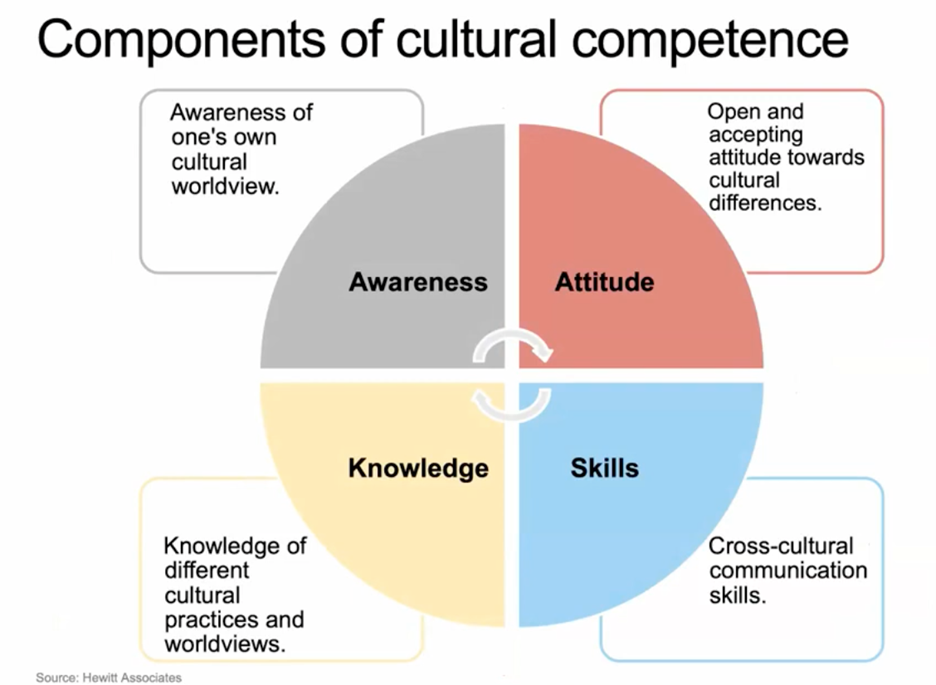
Cultural competence is the ability to interact effectively with people of different cultures. It goes beyond simply acknowledging cultural differences; it involves developing the knowledge, skills, and attitudes necessary to communicate and work effectively across cultural boundaries. In the tech industry, this competence is vital for building bridges, fostering trust, and ensuring that technology serves humanity equitably.
Developing Cross-Cultural Communication Skills
Effective cross-cultural communication in technology requires a conscious effort to adapt communication styles. This involves understanding different approaches to directness and indirectness in speech, the role of non-verbal cues, and the significance of silence. For instance, in some cultures, interrupting is considered rude, while in others, it can be seen as a sign of engagement. Tech professionals must be mindful of these differences to avoid misunderstandings and build rapport with colleagues, clients, and users from diverse backgrounds. This also extends to written communication, where the tone and formality of emails and documentation can be interpreted differently.
Navigating Language Barriers and Translation Nuances
While English often serves as the lingua franca of the tech world, relying solely on it can exclude significant portions of the global population. Effective cultural competence necessitates a commitment to multilingualism and sensitive translation practices. This means not just translating words but conveying the intended meaning, considering local idioms, and avoiding culturally inappropriate phrasing. Machine translation tools have advanced significantly, but they are not a substitute for human expertise when nuance and cultural context are critical. Investing in professional translation services and localization efforts demonstrates a deep respect for target audiences.
Understanding Different Approaches to Time and Deadlines

Perceptions of time can vary dramatically across cultures. Some cultures operate on a polychronic approach, where multiple tasks are handled simultaneously and relationships often take precedence over strict schedules. Others adhere to a monochronic approach, emphasizing punctuality, linearity, and adherence to schedules. In the fast-paced tech industry, understanding these differences is crucial for project management, client relations, and team collaboration. Setting realistic expectations, being flexible with deadlines when appropriate, and communicating clearly about time-sensitive matters can prevent frustration and build stronger working relationships.
Strategies for Enhancing Cultural Awareness and Sensitivity
Becoming culturally competent is an ongoing journey, not a destination. It requires a proactive approach to learning and a willingness to step outside of one’s comfort zone. For tech professionals, this involves actively seeking out knowledge and experiences that broaden their cultural understanding.
Continuous Learning and Education in Cultural Diversity
Organizations and individuals within the tech sector should prioritize continuous learning about cultural diversity. This can take many forms, including workshops, seminars, online courses, and engaging with literature and media from different cultural perspectives. Encouraging employees to share their cultural experiences and perspectives can also be a powerful learning tool. The goal is to foster a mindset of intellectual curiosity and a genuine desire to understand the world from multiple viewpoints. This continuous engagement helps in staying abreast of evolving cultural norms and avoiding outdated assumptions.
Practicing Empathy and Active Listening in Cross-Cultural Interactions
At the heart of cultural competence lies empathy – the ability to understand and share the feelings of another. In tech, this translates to genuinely trying to understand the user’s perspective, especially when they come from a different cultural background. Active listening, which involves paying full attention, understanding, responding, and remembering what is being said, is crucial. This means listening not just to the words but to the underlying emotions and cultural context. When interacting with colleagues or users from diverse backgrounds, practicing empathy and active listening can de-escalate potential conflicts and build stronger, more trusting relationships.
Seeking Feedback and Adapting Approaches Based on Cultural Insights
The most effective way to improve cultural competence is to be open to feedback and willing to adapt. Tech professionals should actively solicit feedback from colleagues, users, and partners from different cultural backgrounds regarding their communication, product design, or service delivery. This feedback should be viewed not as criticism but as invaluable insight for improvement. By demonstrating a willingness to learn from mistakes and adjust their approaches based on cultural nuances, individuals and organizations can build a reputation for sensitivity and effectiveness, fostering deeper engagement and loyalty.
The Business Imperative of Cultural Competence in Tech
In the globalized technology market, cultural competence is no longer a “nice-to-have” but a critical business imperative. Companies that fail to prioritize it risk alienating potential customers, hindering global expansion, and missing out on valuable talent. Conversely, those that embrace it unlock new markets, foster innovation, and build stronger, more resilient organizations.
Expanding Market Reach and User Adoption
Understanding and respecting cultural differences is fundamental to successfully launching and scaling technology products globally. What resonates with a Western audience might not appeal to an Eastern one. By tailoring marketing messages, adapting product features, and providing localized support, tech companies can significantly increase their market reach and user adoption rates. This goes beyond simple translation; it involves understanding the cultural context of the problems users are trying to solve and how they perceive value.
Localization and Internationalization Strategies
Effective localization and internationalization are key components of cultural competence in the tech business. Internationalization is the design and development process that ensures a product can be adapted to various languages and regions without engineering changes. Localization is the actual adaptation of the internationalized product for a specific region or language. This includes not only linguistic translation but also adapting date and time formats, currency, units of measure, and even imagery to align with local cultural preferences. Companies that invest in robust localization strategies signal to potential customers that they are valued and understood.
Building Trust and Brand Loyalty Across Diverse Audiences
Trust is the bedrock of any successful business relationship, and in the technology sector, this trust is built on demonstrating cultural understanding and respect. When a tech company shows it has taken the time to understand the nuances of a particular culture, it fosters a sense of connection and loyalty. This can translate into increased customer satisfaction, positive word-of-mouth, and a stronger brand reputation that transcends geographical boundaries. Culturally competent organizations are perceived as more ethical, reliable, and customer-centric, which are all critical factors in long-term success.
Fostering Innovation and a Competitive Edge
A culturally competent organization is a more innovative organization. By embracing diverse perspectives, companies can challenge assumptions, identify unmet needs, and develop solutions that are both novel and relevant to a global market. The ability to navigate diverse viewpoints also leads to more robust problem-solving and a greater capacity for adaptation in an ever-changing technological landscape.
Leveraging Global Talent for Enhanced Creativity
The technology industry thrives on innovation, and innovation is often sparked by diverse perspectives. By actively recruiting and retaining talent from a wide range of cultural backgrounds, tech companies can tap into a rich wellspring of creativity and problem-solving approaches. A diverse workforce brings a broader understanding of user needs, market opportunities, and potential challenges, leading to more innovative products and services. Fostering an inclusive environment where these diverse talents can flourish is therefore a strategic imperative for staying competitive.
Anticipating Future Trends and User Needs in a Globalized World
Cultural shifts often precede technological adoption. By staying attuned to cultural trends in different parts of the world, tech companies can better anticipate future user needs and emerging market demands. This proactive approach allows them to develop products and services that are not only relevant today but also poised to succeed tomorrow. A deep understanding of culture provides an invaluable lens through which to view the trajectory of technological development and human interaction with it.
In conclusion, culture and cultural competence are indispensable pillars for success in the modern technology industry. From the design of interfaces to the composition of development teams, and from market expansion to the very engine of innovation, understanding and respecting diverse cultures is no longer optional. By actively cultivating cultural awareness, developing cross-cultural communication skills, and embracing diversity, tech professionals and organizations can navigate the complexities of our interconnected world, build more impactful technologies, and forge stronger, more meaningful connections with users globally. The journey towards cultural competence is continuous, but the rewards – in terms of innovation, market success, and positive global impact – are immeasurable.
aViewFromTheCave is a participant in the Amazon Services LLC Associates Program, an affiliate advertising program designed to provide a means for sites to earn advertising fees by advertising and linking to Amazon.com. Amazon, the Amazon logo, AmazonSupply, and the AmazonSupply logo are trademarks of Amazon.com, Inc. or its affiliates. As an Amazon Associate we earn affiliate commissions from qualifying purchases.