
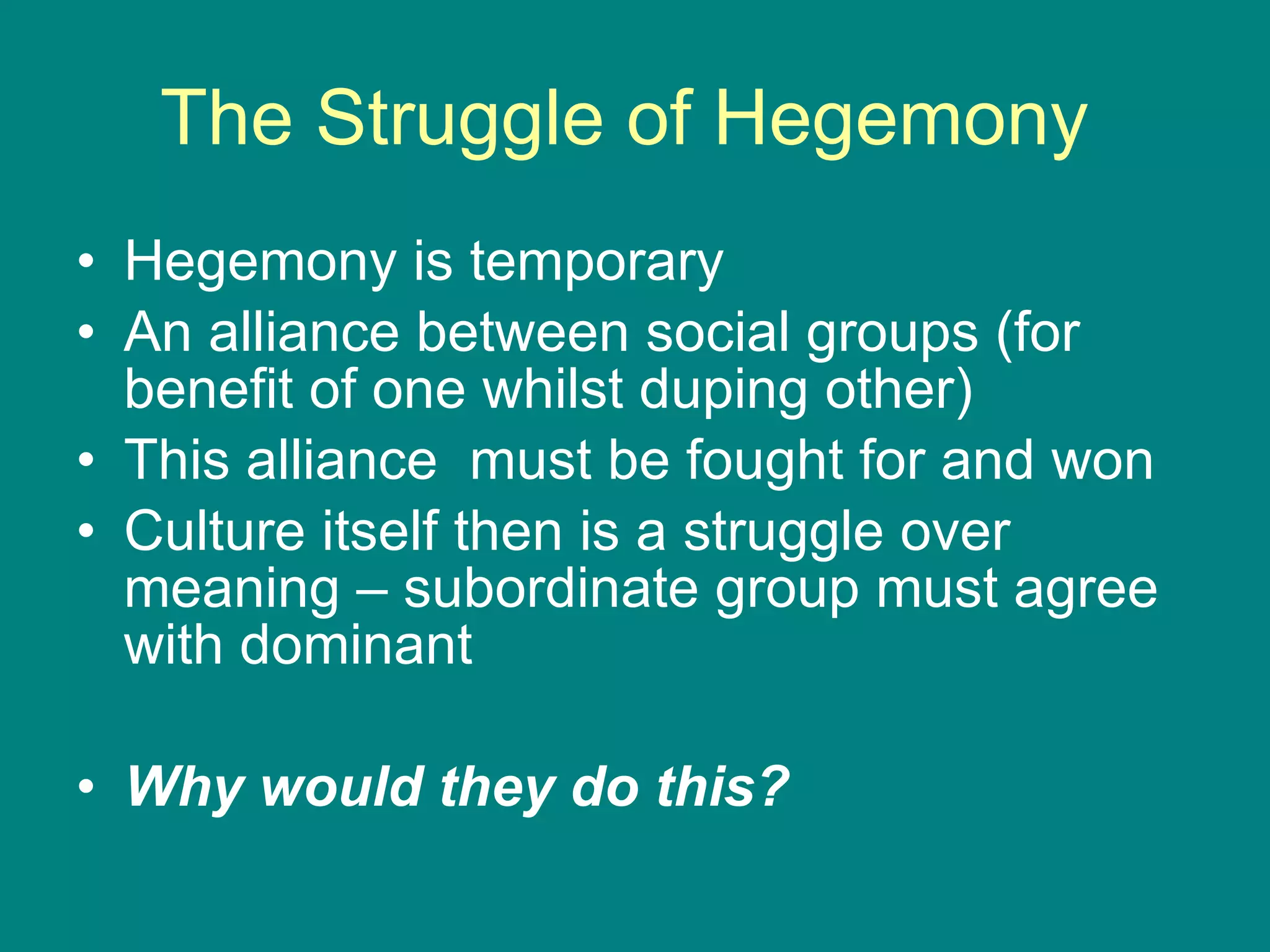
In the realm of technology, the concept of cultural hegemony, while originating in social and political theory, finds a potent and pervasive manifestation in how we interact with, adopt, and perceive digital tools and platforms. It’s not just about what technology is, but about whose values, norms, and perspectives are embedded within it, and how those elements become the taken-for-granted standard against which all others are measured. This phenomenon shapes our digital experiences, influences our choices, and ultimately molds our understanding of what is considered normal, desirable, and even possible in the digital age. Understanding cultural hegemony in a tech context is crucial for fostering a more equitable, diverse, and consciously constructed digital future.

The Invisible Architects: How Tech Embeds Cultural Values
The development and deployment of technology are rarely neutral acts. Behind every app, every algorithm, and every operating system lies a set of assumptions, priorities, and cultural biases inherited from its creators and the societies they inhabit. These embedded values, often unconsciously, contribute to the establishment of a dominant cultural narrative within the tech landscape, subtly influencing users and steering their interactions.
The Genesis of Digital Norms: Who Builds the Tech and Why?
The demographics of the tech industry have long been a point of discussion, and for good reason. A significant portion of foundational technological development has historically been driven by individuals from specific socio-economic backgrounds, geographical locations, and cultural orientations, predominantly Western and male. This demographic concentration can lead to the unintentional (or sometimes intentional) prioritization of certain needs, functionalities, and user experiences over others. For example, early internet design, with its emphasis on textual information and a desktop-centric approach, might not have adequately considered the needs of individuals with low literacy, limited access to high-speed internet, or those who rely on oral traditions for knowledge dissemination. The very architecture of early digital platforms reflected the cultural norms and priorities of their creators, setting a precedent that later innovations had to contend with or subvert.
Algorithmic Bias: Perpetuating and Amplifying Dominant Narratives
Algorithms, the silent engines of our digital lives, are not immune to the influence of cultural hegemony. Trained on vast datasets that often reflect existing societal inequalities and prejudices, these algorithms can inadvertently learn and amplify dominant cultural narratives. This manifests in various ways, from biased search results and skewed social media feeds to discriminatory loan application assessments and even flawed facial recognition systems that perform less accurately on individuals with darker skin tones. When algorithms consistently favor certain groups or perspectives, they reinforce the idea that these are the “correct” or “normal” ways of being and interacting, marginalizing those who fall outside these dominant paradigms. This creates a feedback loop where the technology, reflecting an existing hegemony, then further solidifies that hegemony by shaping user perceptions and reinforcing existing power structures.
Interface Design and User Experience: The Unspoken Language of Technology
The way we interact with technology is mediated through its interface design and user experience (UX). These elements, far from being purely functional, are deeply imbued with cultural assumptions about how users think, learn, and behave. The prevalence of Western design aesthetics – minimalist layouts, certain color palettes, and established navigation patterns – has become a global standard, often adopted without critical consideration of their cultural resonance elsewhere. For instance, iconographic representations that are universally understood in one culture might be ambiguous or even offensive in another. The very concept of “user-friendliness” can be culturally contingent. What is intuitive for one user group, accustomed to a certain type of digital interaction, might be bewildering for another. By establishing these design paradigms as the default, tech companies inadvertently create a form of cultural hegemony, making it harder for alternative design philosophies and user-centric approaches to gain traction.
The Shifting Landscape: Resistance and Reappropriation in the Digital Sphere
While cultural hegemony in tech is a powerful force, it is not an insurmountable one. The very nature of technology, with its potential for rapid dissemination and adaptation, also offers avenues for resistance, subversion, and the creation of counter-hegemonic practices. Users and developers are increasingly challenging the dominant narratives and striving to create more inclusive and representative digital spaces.
Open Source and Collaborative Development: Democratizing the Digital Commons

The rise of open-source software represents a significant challenge to traditional models of tech development, which are often driven by proprietary interests and can perpetuate existing power structures. Open-source projects, by their very nature, are built through collaborative efforts, inviting contributions from a diverse global community. This decentralized approach allows for the incorporation of a wider range of perspectives and needs. For example, localization efforts within open-source projects ensure that software is not only translated but also culturally adapted to be relevant and usable in different contexts. This fosters a more democratic digital commons, where the “default” is not dictated by a single entity but rather emerges from a collective, often more inclusive, endeavor.
Digital Activism and Counter-Narratives: Amplifying Marginalized Voices
The internet has proven to be an incredibly powerful tool for activism, allowing marginalized communities to bypass traditional media gatekeepers and directly share their experiences and perspectives. Social media platforms, despite their own hegemonic tendencies, have facilitated the rise of digital movements and the amplification of counter-narratives that challenge dominant cultural understandings. Hashtag campaigns, online petitions, and the creation of alternative media channels empower individuals and groups to articulate their own truths and to mobilize for social change. This act of collectively challenging and reshaping dominant narratives is a direct form of resistance against cultural hegemony, demonstrating how technology can be a tool for empowerment and liberation.
Ethical AI and Inclusive Design Principles: Building a More Equitable Future
A growing awareness of algorithmic bias and the societal impact of technology is driving a movement towards more ethical AI development and inclusive design principles. This involves a conscious effort to identify and mitigate biases in datasets, to develop algorithms that are fair and transparent, and to design technologies that are accessible and relevant to a diverse range of users. Companies and researchers are actively exploring methodologies for incorporating user feedback from underrepresented communities throughout the design and development process. This proactive approach seeks to deconstruct existing hegemonic structures within technology by intentionally building systems that are more equitable, just, and reflective of the multifaceted human experience.
The Ongoing Negotiation: Navigating the Hegemonic Currents of Technology
Cultural hegemony in technology is not a static phenomenon; it is an ongoing process of negotiation, adaptation, and contestation. As technology evolves and new platforms emerge, the dynamics of power and influence shift, creating new challenges and opportunities for shaping the digital landscape.
The Power of Platform Dominance: Gatekeepers of the Digital Realm
The dominance of a few large tech corporations as gatekeepers of digital infrastructure and information poses a significant challenge to challenging cultural hegemony. Companies like Google, Meta, and Apple wield immense power in shaping what content is visible, how information is organized, and what applications are readily available. Their design choices, content moderation policies, and algorithmic priorities can inadvertently (or sometimes deliberately) reinforce existing cultural norms and limit the visibility of dissenting or alternative perspectives. Understanding the economic and political motivations behind these platforms is crucial for recognizing how their decisions contribute to and maintain a particular form of cultural hegemony in the digital sphere.
The Consumer as Producer: User Agency in a Hegemonic System
While the structural forces of tech hegemony are powerful, users are not merely passive recipients. The rise of user-generated content, the ability to customize interfaces, and the creation of online communities provide avenues for user agency. However, this agency often operates within the constraints of the platforms themselves. For instance, while users can create content, the algorithms that dictate its visibility can still impose hegemonic biases. Similarly, customization options may be limited to pre-defined parameters, preventing truly radical departures from the platform’s intended design. Recognizing this nuanced relationship between platform control and user creativity is essential for understanding the ongoing negotiation of cultural hegemony in tech.
The Future of Digital Culture: Towards Conscious Creation and Critical Consumption
Ultimately, navigating cultural hegemony in technology requires a dual approach: conscious creation and critical consumption. Developers and designers have a responsibility to be aware of the potential for their creations to perpetuate hegemonic biases and to actively work towards building more inclusive and equitable technologies. Simultaneously, users must cultivate critical digital literacy, questioning the assumptions embedded in the technologies they use, seeking out diverse sources of information, and actively participating in shaping the digital spaces they inhabit. By fostering this awareness and engagement, we can move towards a future where technology serves to empower and connect us all, rather than reinforcing a singular, dominant cultural narrative.
aViewFromTheCave is a participant in the Amazon Services LLC Associates Program, an affiliate advertising program designed to provide a means for sites to earn advertising fees by advertising and linking to Amazon.com. Amazon, the Amazon logo, AmazonSupply, and the AmazonSupply logo are trademarks of Amazon.com, Inc. or its affiliates. As an Amazon Associate we earn affiliate commissions from qualifying purchases.