
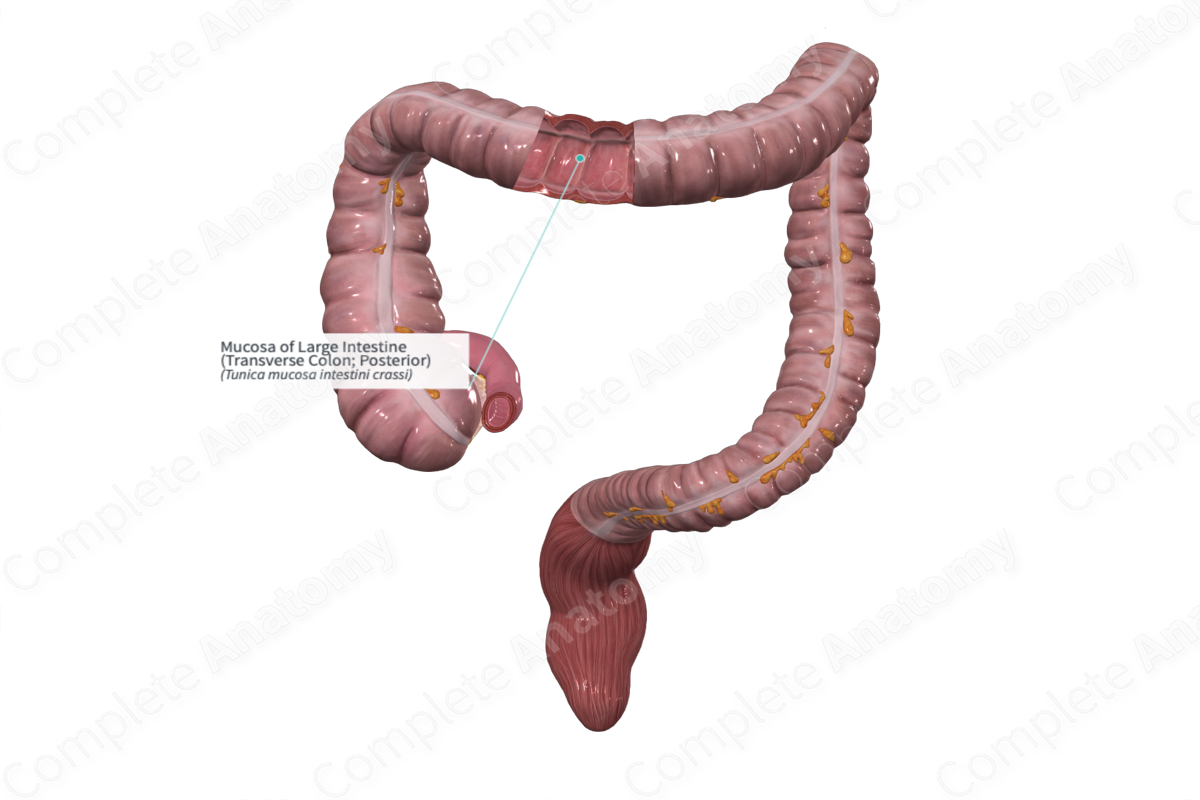
The human colon, a vital organ in our digestive system, is lined with a specialized tissue known as the colonic mucosa. While its biological function is critical for health, the exploration and understanding of the colonic mucosa have taken on profound technological dimensions. From the advanced imaging techniques that allow us to visualize its intricate structure to the artificial intelligence algorithms being developed to detect subtle abnormalities, the colonic mucosa serves as a fascinating case study for the application of cutting-edge technology in healthcare and scientific research. This article will delve into the technological relevance of colonic mucosa, exploring how modern innovations are revolutionizing its study and clinical application.

The Technological Lens on Colonic Mucosa: Visualization and Analysis
Understanding the colonic mucosa’s structure and health is paramount, and technology has provided us with increasingly sophisticated ways to achieve this. Advances in medical imaging and the development of specialized analytical tools are at the forefront of this technological revolution.
High-Resolution Imaging Modalities
The ability to visualize the colonic mucosa at an unprecedented level of detail is a direct result of technological innovation. Traditional methods have been augmented and, in some cases, surpassed by advanced imaging techniques.
Endoscopic Technologies: A Window into the Colon
Colonoscopy remains a cornerstone of colonic examination, but the technology behind it has evolved dramatically. Modern endoscopes are not just simple cameras; they are sophisticated devices incorporating high-definition optics, variable illumination, and often, advanced imaging processing capabilities.
- High-Definition (HD) and Ultra-High-Definition (UHD) Endoscopy: Moving beyond standard definition, HD and UHD endoscopes capture images with significantly higher pixel density. This allows for the visualization of finer mucosal details, such as subtle changes in color, texture, and vascular patterns, which can be indicative of early disease. The clarity offered by these technologies is crucial for distinguishing between benign and potentially malignant lesions.
- Narrow Band Imaging (NBI) and Other Chromoendoscopic Techniques: These technologies employ specific wavelengths of light to enhance the visibility of mucosal structures and vascular networks. NBI, for example, uses blue and green light to highlight superficial capillaries and mucosal glands, making it easier to detect polyps and differentiate them from normal tissue. Other chromoendoscopic techniques involve the topical application of dyes, further accentuating mucosal irregularities.
- Confocal Laser Endomicroscopy (CLE): CLE represents a significant leap forward, allowing for in vivo microscopy of the colonic mucosa. This technique provides cellular-level imaging directly during endoscopy, enabling physicians to assess mucosal architecture, cellular morphology, and even the presence of microorganisms in real-time. This level of detail was previously only achievable through biopsy and subsequent laboratory analysis.
- Optical Coherence Tomography (OCT): OCT uses light waves to capture cross-sectional images of the colonic wall, providing information about its layered structure. This non-invasive technique can help assess the depth of lesions and the extent of inflammation or other pathological processes, complementing traditional imaging.
Advanced Imaging in Radiography and Cross-Sectional Imaging
While endoscopy offers direct visualization, other imaging modalities play a crucial role in assessing the colon and its mucosa, particularly when screening for larger abnormalities or evaluating extraluminal involvement.
- CT Colonography (Virtual Colonoscopy): This technology uses computed tomography (CT) scans to create three-dimensional (3D) virtual images of the colon. Advanced software reconstructs these images, allowing radiologists to examine the colonic lining without the need for a traditional scope. Innovations in CT hardware and image processing have led to faster scan times and improved lesion detection rates.
- Magnetic Resonance Imaging (MRI): While less commonly used for direct mucosal visualization, MRI can provide detailed anatomical information of the colon and surrounding structures. Newer MRI techniques are being developed to improve contrast resolution and functional imaging, which could indirectly offer insights into mucosal health and inflammation.
Digital Pathology and Biomarker Analysis
Beyond direct visualization, technology is revolutionizing how we analyze tissue samples obtained from the colonic mucosa, ushering in the era of digital pathology and advanced biomarker discovery.
Digitization of Histopathology
The traditional process of analyzing tissue biopsies under a microscope is being transformed by digital pathology.
- Whole Slide Imaging (WSI): WSI involves scanning glass microscope slides containing tissue samples at extremely high resolution, creating digital images that can be viewed and analyzed on a computer. This allows for remote consultation, easier sharing of cases, and the potential for automated analysis.
- Image Analysis Software: Sophisticated software algorithms are being developed to analyze these digital slides. These tools can quantify cellular features, identify specific cell types, measure the extent of inflammation, and even detect precancerous or cancerous cells with remarkable accuracy. This automation can reduce human error and increase efficiency in diagnosing mucosal conditions.
High-Throughput Genomics and Proteomics
The molecular landscape of the colonic mucosa holds crucial information about health and disease. Technological advancements in genomics and proteomics are enabling unprecedented analysis.
- Next-Generation Sequencing (NGS): NGS technologies allow for the rapid and cost-effective sequencing of DNA and RNA extracted from colonic mucosal biopsies. This enables the identification of genetic mutations associated with colorectal cancer, the characterization of the gut microbiome’s influence on mucosal health, and the discovery of novel diagnostic and prognostic biomarkers.
- Mass Spectrometry and Proteomics: These techniques are used to analyze the proteins present in mucosal tissue. By identifying and quantifying proteins, researchers can gain insights into cellular functions, signaling pathways, and the molecular mechanisms underlying diseases of the colonic mucosa. This can lead to the development of targeted therapies and more precise diagnostic tests.
Artificial Intelligence and Machine Learning: Revolutionizing Colonic Mucosa Assessment
The sheer volume of data generated by advanced imaging and molecular analysis techniques necessitates powerful tools for interpretation. Artificial Intelligence (AI) and Machine Learning (ML) are emerging as indispensable technologies in this domain.
AI in Image Interpretation and Anomaly Detection
AI algorithms are being trained on vast datasets of colonic images to identify subtle patterns that might be missed by the human eye.
- Automated Polyp Detection and Characterization: ML models are achieving high accuracy in detecting polyps during colonoscopy, and even in differentiating between adenomatous (precancerous) and hyperplastic (benign) polyps. This can assist endoscopists, reduce missed lesions, and potentially improve the efficiency of colonoscopy.
- Predictive Modeling for Disease Progression: AI can analyze combinations of imaging features, patient history, and molecular data to predict the risk of disease progression or recurrence. This allows for personalized surveillance strategies and treatment plans.
- Quantification of Inflammatory Markers: AI-powered image analysis can precisely quantify the extent and severity of inflammation in conditions like inflammatory bowel disease (IBD), providing objective measures for treatment monitoring and therapeutic evaluation.
AI for Personalized Medicine and Treatment Optimization
Beyond diagnosis and detection, AI is playing a crucial role in tailoring treatments based on the specific characteristics of an individual’s colonic mucosa.
- Biomarker Discovery and Validation: AI can sift through complex genomic and proteomic data to identify novel biomarkers that predict response to specific therapies. This accelerates the discovery of personalized treatment strategies.
- Drug Discovery and Development: By analyzing large-scale biological data, AI can help identify potential drug targets within the colonic mucosa and optimize the design of clinical trials for new gastrointestinal medications.
- Integration of Multi-Omic Data: AI is essential for integrating diverse biological datasets – genomics, transcriptomics, proteomics, and metabolomics – with clinical information. This holistic approach provides a deeper understanding of colonic mucosal health and disease, paving the way for truly personalized interventions.
Emerging Technologies and Future Frontiers
The technological exploration of the colonic mucosa is a dynamic field, with new innovations constantly pushing the boundaries of what’s possible.
Advanced Sensing and Nanotechnology
The development of novel sensing technologies promises even more granular insights into the colonic environment.
- Biosensors: Micro- and nano-biosensors could be developed to detect specific molecular markers of disease directly within the colon. These could be delivered via swallowable capsules or integrated into advanced endoscopic devices.
- Nanoparticle Imaging Agents: Nanoparticles can be designed to accumulate in specific areas of the colonic mucosa, acting as contrast agents for enhanced imaging or delivering therapeutic agents directly to diseased sites.

Robotics and Automation in Procedures
The integration of robotics into endoscopic procedures is enhancing precision and potentially enabling new diagnostic capabilities.
- Robotic-Assisted Endoscopy: Robotic systems can offer enhanced dexterity and stability during colonoscopies, allowing for more thorough examinations and potentially reducing patient discomfort. Future developments may include automated biopsy acquisition or targeted drug delivery guided by robotic endoscopes.
- Automated Sample Handling and Analysis: Robotics can also be employed in laboratories to automate the processing and initial analysis of colonic mucosal samples, increasing throughput and consistency.
The colonic mucosa, once primarily a subject of biological and medical inquiry, is now inextricably linked to the technological advancements that are transforming our ability to understand, diagnose, and treat diseases affecting this critical part of the human body. From the high-resolution imaging that reveals its innermost secrets to the AI algorithms that decipher complex biological data, technology is providing an unprecedented toolkit for unlocking the mysteries of colonic mucosal health. As these technologies continue to evolve, we can anticipate even more profound breakthroughs in personalized medicine, early disease detection, and ultimately, improved patient outcomes.
aViewFromTheCave is a participant in the Amazon Services LLC Associates Program, an affiliate advertising program designed to provide a means for sites to earn advertising fees by advertising and linking to Amazon.com. Amazon, the Amazon logo, AmazonSupply, and the AmazonSupply logo are trademarks of Amazon.com, Inc. or its affiliates. As an Amazon Associate we earn affiliate commissions from qualifying purchases.