
The culinary world often boasts terms that, while familiar to seasoned cooks and food enthusiasts, can be somewhat opaque to the uninitiated. “Boston butt,” when referring to a cut of pork, falls squarely into this category. Far from being a geographical reference to a specific Bostonian culinary tradition, the term “Boston butt” actually denotes a highly versatile and economically significant cut of pork shoulder. For those interested in the financial underpinnings of the food industry, from home economics to the broader agricultural and retail sectors, understanding the economics and value proposition of Boston butt pork roast is surprisingly insightful. This examination delves into the financial aspects, exploring its cost-effectiveness, market dynamics, and its role as a cornerstone for various income-generating activities, from backyard barbecues to professional catering.

The Economic Value of the Boston Butt: A Cut Above for Your Budget
The Boston butt, derived from the upper portion of the pork shoulder, is renowned for its rich marbling and connective tissue. This composition, while crucial for its tender and flavorful cooking profile, also directly impacts its economic standing. Unlike leaner, more premium cuts that command higher prices due to perceived delicacy or rarity, the Boston butt offers a compelling value proposition for both consumers and businesses.
Cost-Effectiveness: Maximizing Value Per Pound
From a personal finance perspective, the Boston butt is a clear winner. Its lower price per pound compared to cuts like the pork loin or tenderloin makes it an attractive option for families looking to stretch their grocery budgets without compromising on taste or satisfaction. This cost-effectiveness is a direct result of its origin: the shoulder is a more heavily worked muscle, leading to a tougher texture if not cooked properly, but also making it more abundant and less in demand for quick-cooking applications. This abundance, coupled with the necessary slow-cooking methods to achieve tenderness, positions it as a budget-friendly protein.
For businesses, particularly restaurants, caterers, and food processors, the Boston butt’s affordability is a significant factor in their profit margins. The ability to purchase a substantial cut of meat at a lower cost allows for higher profit potential when it’s transformed into popular dishes like pulled pork, roasts, and stews. The yield from a Boston butt, considering its bone and fat content, is still substantial after trimming and cooking, further enhancing its economic appeal. This means that for every dollar spent on the raw ingredient, a greater volume of finished product can be produced, a fundamental principle in optimizing operational costs.
Abundance and Availability: A Stable Supply Chain
The widespread availability of Boston butt pork roast contributes to its stable pricing. Pigs are raised in large numbers, and the shoulder cut is a significant portion of each animal. This consistent supply chain helps to insulate its price from the volatility that might affect more niche or seasonally available products. For businesses that rely on a steady stream of ingredients, this predictability in both supply and cost is invaluable for planning and financial forecasting. A secure supply chain means that marketing campaigns and menu planning can proceed with confidence, without the fear of sudden price spikes or shortages. This reliability is a hidden asset that underpins the economic viability of many food-related enterprises.
Boston Butt as a Business Asset: Generating Revenue from a Versatile Cut
Beyond its direct cost-effectiveness, the Boston butt’s inherent versatility makes it a powerful asset for businesses looking to generate revenue across a spectrum of culinary applications. Its ability to be transformed into diverse and popular dishes allows for broad market appeal and multiple revenue streams from a single cut of meat.
The Foundation of Popular Culinary Enterprises
Pulled pork, arguably the most famous application of Boston butt, is a staple in barbecue joints, food trucks, and catering services. The low and slow cooking process that renders the Boston butt incredibly tender and flavorful is an art form that attracts dedicated customer bases. The profit margins on pulled pork are often healthy, especially when coupled with effective marketing and a signature sauce or rub. The relatively low cost of the raw ingredient allows operators to offer a substantial portion size at a competitive price, driving volume sales.
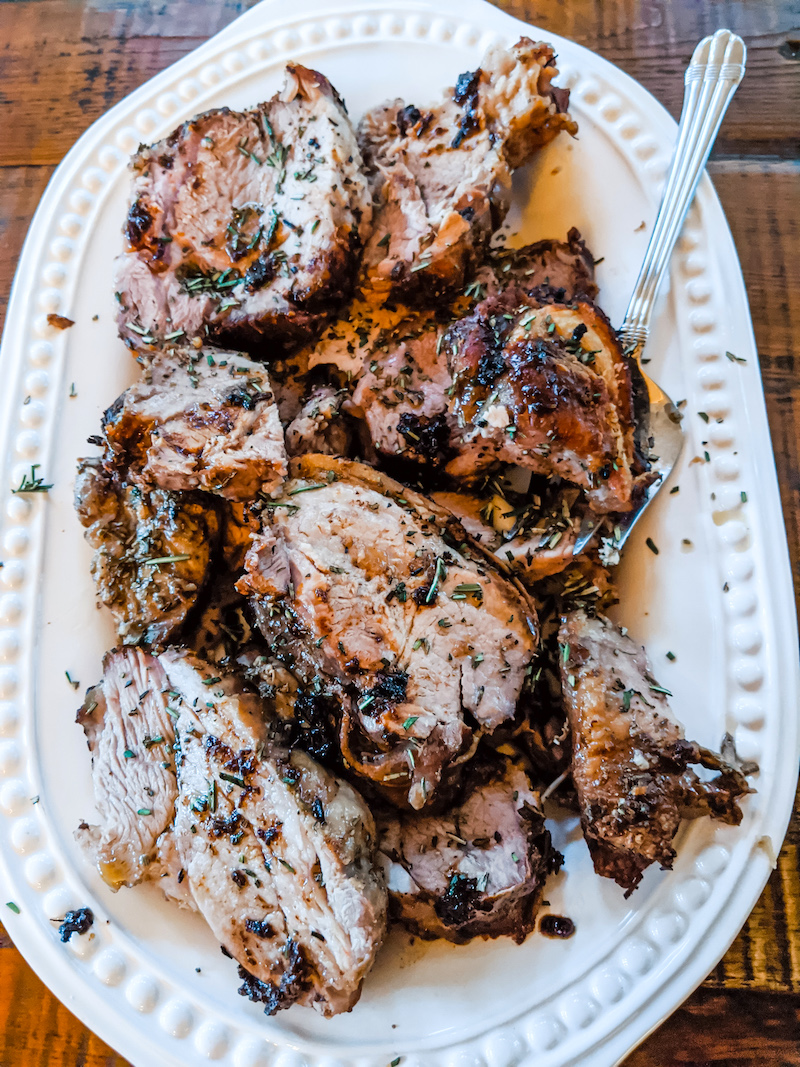
Furthermore, Boston butt is an excellent ingredient for a variety of other dishes. It can be slow-cooked and shredded for tacos, sandwiches, and salads. It can be braised and served as a hearty roast. It can even be ground for sausage or used in chilis and stews. This adaptability means that a single purchase of Boston butts can cater to diverse menu offerings, reducing the complexity of inventory management and potentially increasing the efficiency of a kitchen. For smaller operations or home-based businesses, this versatility can be the key to diversifying their product line and reaching a wider customer base.
Small-Scale Entrepreneurship and Home-Based Businesses
The accessibility and affordability of Boston butt also make it an ideal ingredient for aspiring entrepreneurs looking to start small-scale food businesses from home or through local markets. Selling expertly prepared pulled pork sandwiches, marinated pork roasts for holiday gatherings, or even pre-marinated and portioned Boston butts for home cooks can be a lucrative venture. The initial investment in raw product is relatively low, and the potential for high returns is significant, especially when quality and branding are prioritized.
Consider the economics of a weekend pop-up food stall specializing in slow-cooked pork. A few Boston butts can yield dozens of servings, and with a modest markup, the profit can be substantial. The lower cost of the primary ingredient allows for more aggressive pricing, attracting price-sensitive customers while still ensuring a healthy profit margin. This entrepreneurial spirit, fueled by the economic viability of the Boston butt, contributes to the vibrant landscape of small businesses in the food sector.
Market Dynamics and Pricing Factors: Navigating the Supply and Demand of Boston Butt
The price of Boston butt, like any commodity, is subject to a complex interplay of market forces. Understanding these dynamics is crucial for both consumers seeking value and businesses aiming for profitability. Several key factors influence the cost of this popular pork cut.
Seasonal Demand and Holidays
While Boston butt is a year-round staple, its demand can see significant spikes during certain periods, most notably around holidays like Thanksgiving, Christmas, and summer barbecue seasons. Increased demand during these peak times can lead to temporary price fluctuations. Businesses that can strategically source their Boston butts in advance of these periods can often secure better pricing, further enhancing their profit margins. Conversely, consumers might find prices slightly higher closer to major holidays. For businesses operating on thin margins, anticipating these seasonal shifts and adjusting purchasing strategies accordingly is a vital aspect of financial management.
Livestock Prices and Feed Costs
The ultimate cost of pork products, including Boston butt, is intrinsically linked to the price of live hogs. These prices, in turn, are heavily influenced by the cost of animal feed, which is often tied to agricultural commodity markets like corn and soybeans. When feed costs rise, the cost of raising hogs increases, leading to higher prices for pork at all levels. This ripple effect means that fluctuations in global agricultural markets can directly impact the profitability of pork producers and, subsequently, the retail price of Boston butt. Businesses in the food industry must maintain awareness of these broader economic trends to make informed purchasing decisions and manage their cost of goods sold effectively.
Regional Variations and Processing Costs
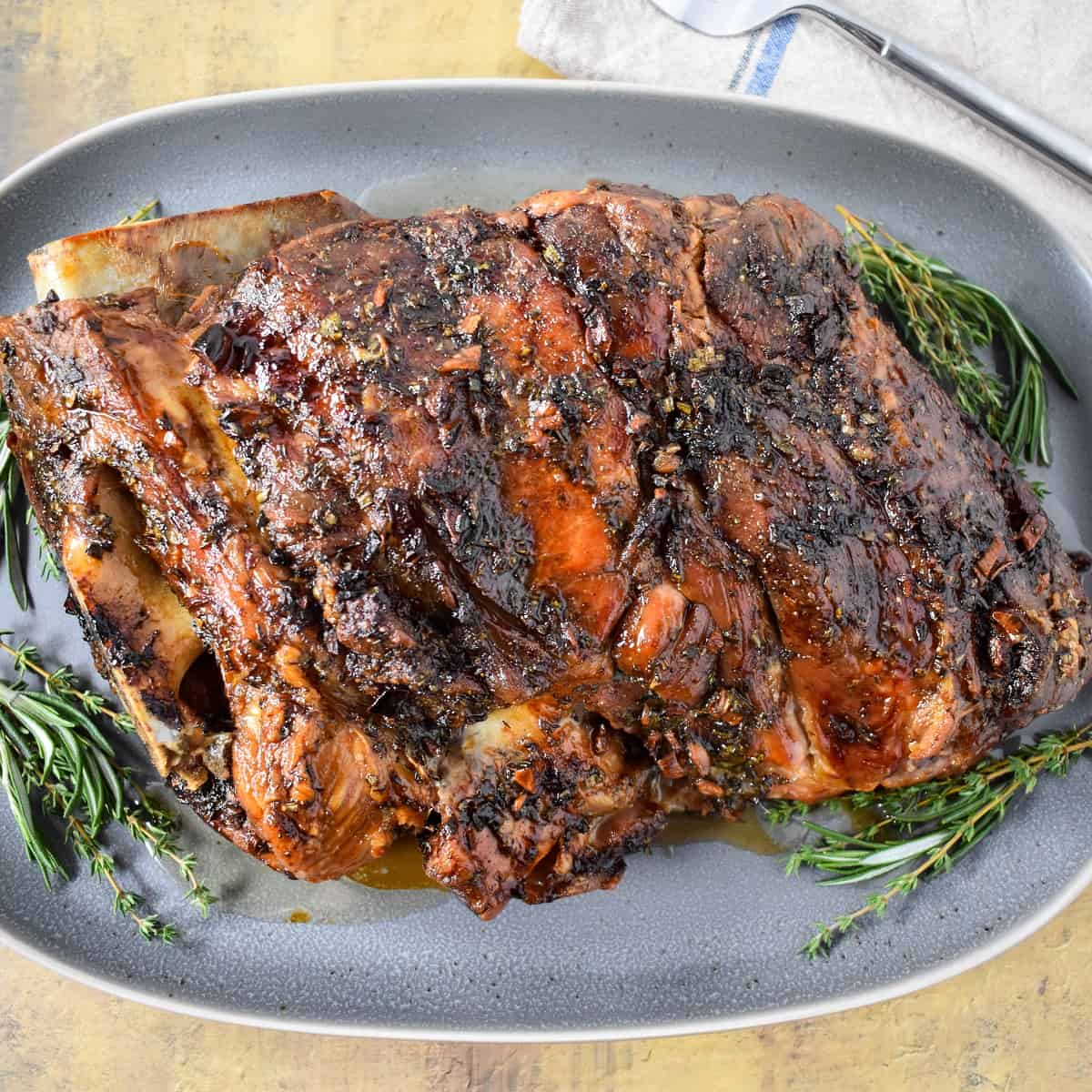
Prices for Boston butt can also vary by region due to differences in local supply, transportation costs, and the presence of processing facilities. Areas with a strong hog farming presence might offer more competitive pricing due to reduced transportation expenses and a higher volume of local supply. Furthermore, the way a Boston butt is processed – whether it’s sold bone-in or boneless, trimmed to specific specifications, or packaged in bulk – can also influence its final price. Understanding these regional nuances can be beneficial for businesses looking to optimize their procurement strategies and secure the best possible prices for their operations. For consumers, shopping at local butcher shops or farmers’ markets might sometimes offer better value compared to large chain supermarkets, depending on local market conditions.
In conclusion, the Boston butt pork roast is far more than just a humble cut of meat. From a financial perspective, it represents excellent value for money for consumers, a cost-effective and versatile ingredient for businesses, and a foundational element for various entrepreneurial ventures. By understanding its economic drivers, market dynamics, and inherent revenue-generating potential, one can truly appreciate the financial significance of this culinary staple. Whether you are managing a household budget, running a restaurant, or exploring new business opportunities in the food industry, the Boston butt offers a compelling case study in how a well-understood and economically priced ingredient can contribute significantly to financial success.
aViewFromTheCave is a participant in the Amazon Services LLC Associates Program, an affiliate advertising program designed to provide a means for sites to earn advertising fees by advertising and linking to Amazon.com. Amazon, the Amazon logo, AmazonSupply, and the AmazonSupply logo are trademarks of Amazon.com, Inc. or its affiliates. As an Amazon Associate we earn affiliate commissions from qualifying purchases.