
Boondocking camping, often referred to as dry camping or dispersed camping, represents a powerful paradigm shift for the modern traveler and a fascinating avenue within the realm of personal finance and potential side hustles. At its core, boondocking is the practice of camping in an RV, campervan, or trailer without hookups for water, electricity, or sewage. While this might sound restrictive, for the financially savvy and adventurous, it unlocks a world of cost savings, extended travel opportunities, and even unique income-generating possibilities. This article delves into the financial implications of boondocking, exploring how it can significantly impact your personal budget, empower your pursuit of online income, and transform your approach to travel and asset utilization.
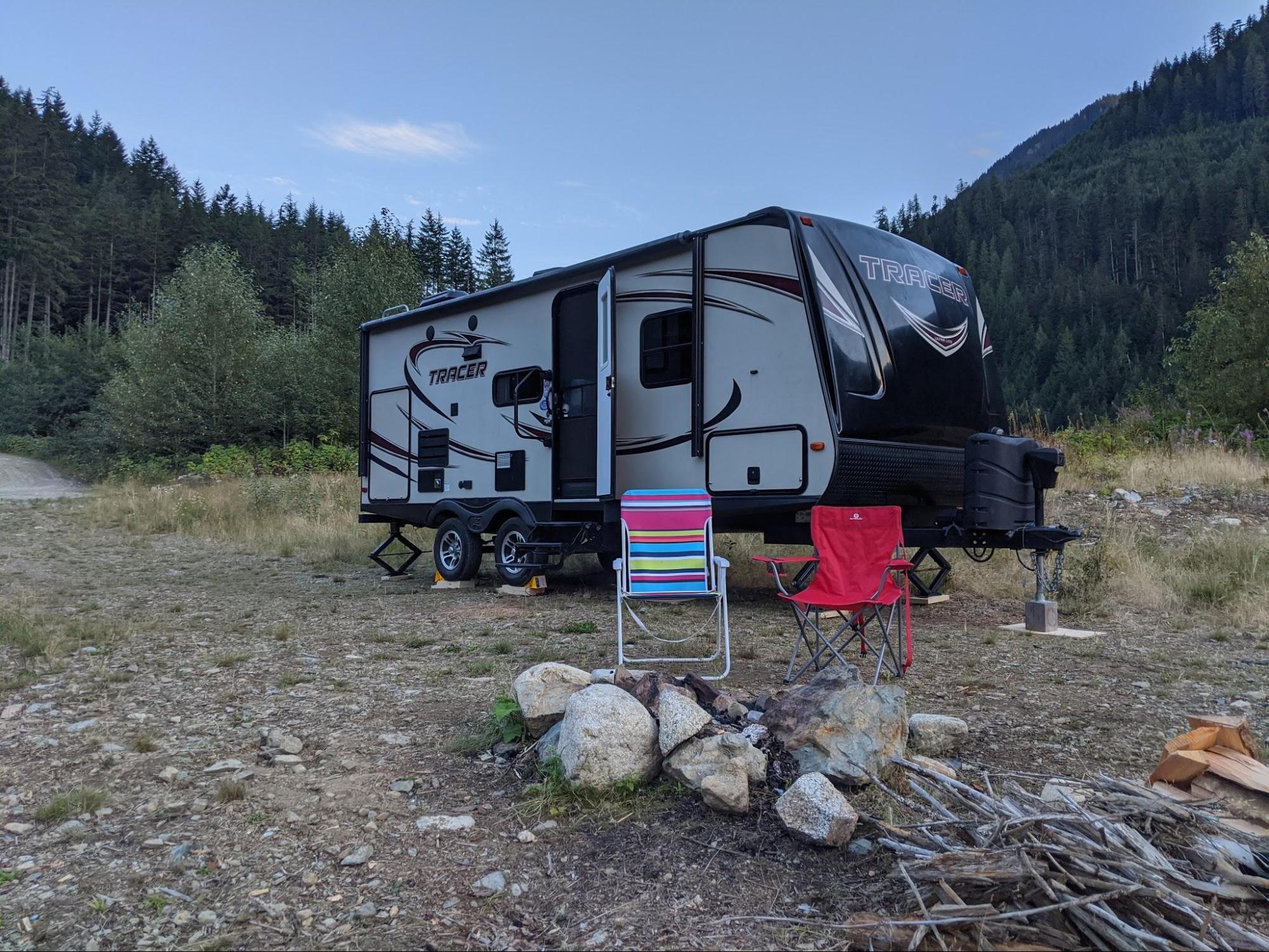
The Financial Advantage: Maximizing Your Travel Budget Through Cost Elimination
The most immediate and compelling financial benefit of boondocking lies in the dramatic reduction, or outright elimination, of traditional campground fees. While established campgrounds can charge anywhere from $30 to over $100 per night, boondocking locations are typically free or involve nominal fees for public land access. This fundamental cost saving is not merely incremental; it can represent thousands of dollars saved over the course of a year, freeing up substantial capital for other financial goals, such as investing, debt reduction, or expanding your online income ventures.
Eliminating Campground Expenses: The Primary Cost Driver
The recurring expense of nightly site fees is the most significant financial hurdle for many aspiring RVers. Boondocking directly addresses this by leveraging publicly owned lands – national forests, Bureau of Land Management (BLM) lands, and state forests – which often permit overnight stays without charge. This opens up a vast and often stunning landscape for exploration without the burden of daily payments. Consider a cross-country trip that might involve 60 nights of camping. At an average campground rate of $50 per night, this equates to $3,000 in accommodation costs. By boondocking for those same 60 nights, this expense can be reduced to virtually zero, a tangible and immediate financial gain.
Extending Travel Duration and Flexibility
The cost savings inherent in boondocking directly translate into an extended travel duration. With significantly lower overhead, individuals can afford to travel for longer periods, maximizing their experiences and minimizing the need to return to a home base. This extended timeline can be invaluable for those pursuing online income streams that require a flexible schedule or for individuals seeking to “work from anywhere.” Imagine a digital nomad who can now afford to spend three months exploring the American Southwest instead of one, all due to the elimination of lodging costs. This prolonged immersion in a location can also lead to a deeper understanding of local economies and potential opportunities for localized side hustles.
Reduced Resource Consumption: A Financial and Environmental Win
While not always explicitly financial, the mindful consumption of resources that boondocking necessitates also carries indirect financial benefits. By necessity, boondockers become acutely aware of their water and power usage. This leads to more efficient habits, such as shorter showers, using energy-efficient appliances, and minimizing non-essential power draws. Over time, these conscious choices can translate into reduced utility bills at a primary residence, a more efficient operation of mobile power systems (solar, generators), and a generally more frugal lifestyle that permeates other areas of personal finance. The investment in efficient systems for boondocking, like solar panels and larger battery banks, while an initial outlay, yields long-term savings through reduced reliance on expensive fuel for generators and a more sustainable power source.
Boondocking as an Enabler of Online Income and Side Hustles
Beyond simply saving money, boondocking can actively facilitate and enhance the pursuit of online income and side hustles. Its inherent flexibility, combined with the opportunity to immerse oneself in diverse environments, can create fertile ground for entrepreneurial endeavors, content creation, and skill-based services.
The “Work From Anywhere” Lifestyle Amplified
For individuals earning income online – freelancers, remote employees, entrepreneurs – boondocking offers an unparalleled opportunity to live the “work from anywhere” dream to its fullest. The freedom from fixed locations and the significant reduction in living expenses mean that more of your earned income can be directed towards savings, investments, or reinvestment into your business. This allows for a more sustainable and enjoyable remote work lifestyle, where the pursuit of a paycheck doesn’t necessitate being tethered to a specific, and potentially expensive, location. The ability to park in a national forest with a stunning view for a week can be a powerful motivator and a significant upgrade from a cramped apartment.
Content Creation Opportunities: Monetizing Your Adventures
The visually appealing and often unique experiences of boondocking are a goldmine for content creators. From YouTube channels documenting the lifestyle, to Instagram feeds showcasing breathtaking vistas, to travel blogs offering practical advice, there are numerous ways to monetize the boondocking journey itself. This can include affiliate marketing for camping gear, sponsored content with outdoor brands, selling photography and videography, or even offering consulting services on how to boondock effectively. The authenticity and relatability of sharing real-world travel experiences can resonate strongly with audiences, creating a loyal following that translates into income.
Skill-Based Side Hustles on the Road
Boondocking can also provide the flexibility to engage in skill-based side hustles that might be location-dependent in a more traditional setting. For example, a skilled carpenter might find opportunities to do odd jobs in small towns they pass through. A photographer could offer portrait sessions for local businesses or events. Even individuals with less tangible skills can leverage their time on the road to develop new ones, perhaps by taking online courses in web design or digital marketing, further enhancing their earning potential. The reduced financial pressure from boondocking provides the mental space and time to pursue these opportunities.
Asset Monetization: Renting Out Your RV
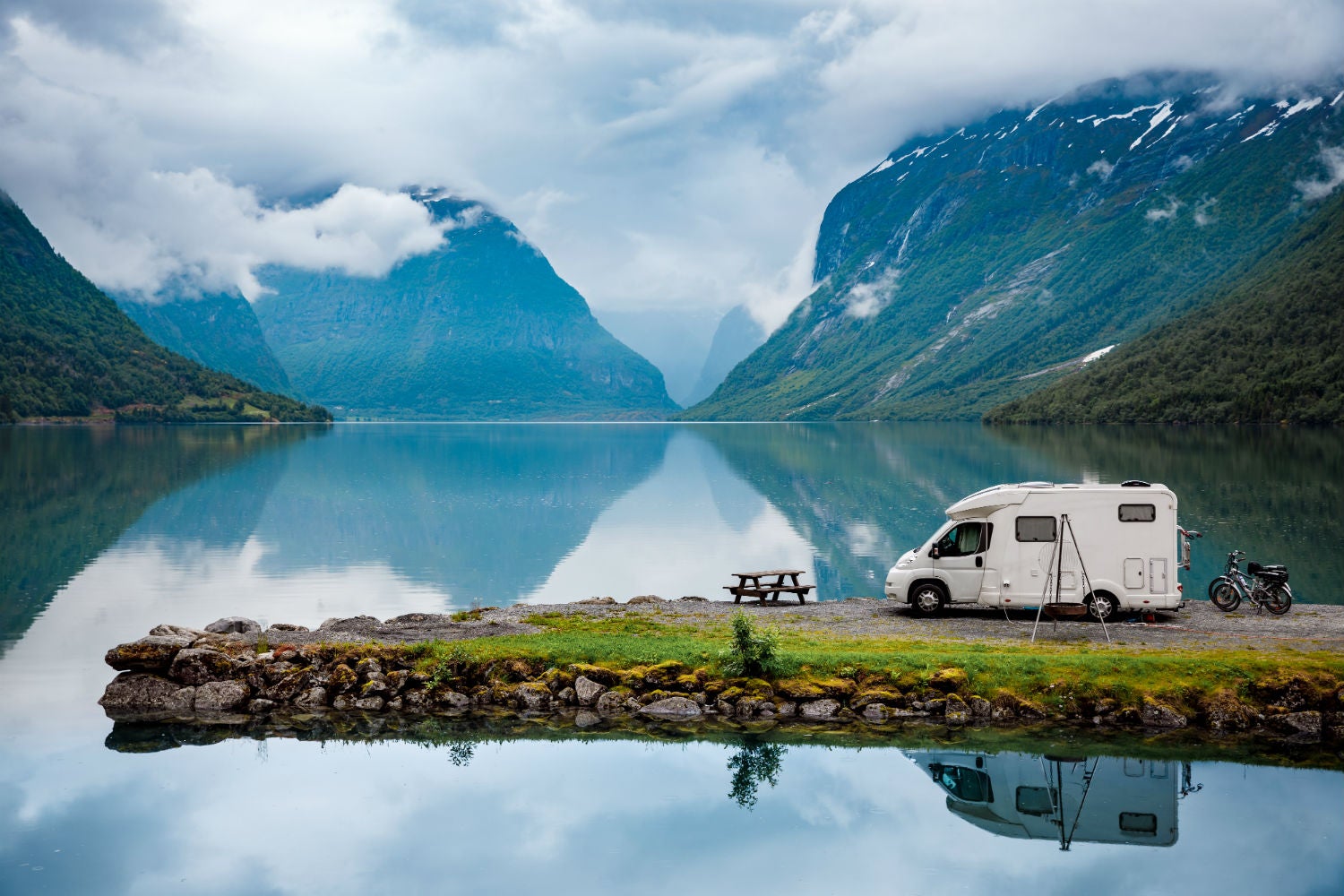
While not directly boondocking itself, the lifestyle is often pursued by RV owners who also own their rigs. This presents a significant opportunity for asset monetization. Platforms like Outdoorsy and RVshare allow RV owners to rent out their vehicles when they are not using them, generating passive income that can offset the costs of RV ownership or even become a substantial revenue stream. The demand for RV rentals, particularly for those seeking more adventurous and off-the-beaten-path experiences, is growing, making this a lucrative side hustle for those willing to share their wheels.
The Investment in Self-Sufficiency: Long-Term Financial Planning
Boondocking encourages a mindset of self-sufficiency, which has profound long-term implications for personal financial planning. The necessity of managing limited resources and the reliance on self-contained systems fosters discipline and a proactive approach to financial management.
Upgrading Your “Mobile Office” and Home Base
The pursuit of boondocking often necessitates investments in equipment that enhances self-sufficiency: solar power systems, larger battery banks, efficient water filtration, composting toilets, and advanced navigation tools. While these are initial capital expenditures, they represent an investment in a more independent and cost-effective lifestyle. Think of it as upgrading your “mobile office” or even your home base. Over time, the savings on utilities, generator fuel, and the increased freedom to travel without being constrained by hookups will recoup these investments. This can be viewed as a form of delayed gratification and a strategic allocation of capital towards long-term financial well-being.
Developing Financial Discipline and Resourcefulness
The very nature of boondocking – managing water, power, and waste with limited capacity – instills a heightened sense of financial discipline and resourcefulness. This mindset naturally spills over into other areas of personal finance. Boondockers learn to budget meticulously, to make conscious spending decisions, and to find creative solutions to challenges. This cultivated resourcefulness is an invaluable asset in navigating economic uncertainties and building a robust financial future. It teaches you to make do with what you have and to prioritize needs over wants, principles that are fundamental to sound financial management.
Building a Foundation for Financial Independence
For many, boondocking is not just a travel trend; it’s a deliberate step towards financial independence. By significantly reducing living expenses and simultaneously opening up avenues for income generation, boondocking empowers individuals to save more aggressively, invest wisely, and escape the traditional cycle of consumerism and debt. It provides the flexibility to take career risks, pursue passion projects, or simply enjoy a higher quality of life with less financial strain. The freedom to choose where and how you live, unburdened by exorbitant housing costs, is a powerful component of overall financial freedom.
Considerations for the Financially Astute Boondocker
While the financial advantages are undeniable, a successful and financially sound boondocking experience requires careful planning and consideration. Approaching it with a financial lens from the outset will maximize its benefits and minimize potential pitfalls.
Strategic Investment in Essential Gear
The initial investment in the right gear is crucial for a comfortable and sustainable boondocking lifestyle. This includes a reliable vehicle, appropriate power generation (solar, generator), water storage and filtration, waste management solutions, and insulation for various climates. Prioritizing quality and functionality over the cheapest option will save money in the long run by reducing repair costs and ensuring efficiency. Researching and investing in durable, energy-efficient appliances and systems should be a primary financial consideration. This upfront investment is a key component of the overall financial strategy.
Understanding Land Use Regulations and Fees
While many boondocking spots are free, it’s imperative to understand and adhere to local land use regulations. Fines for violating dispersed camping rules can be substantial and quickly negate any cost savings. Additionally, some areas, particularly popular national parks or specific BLM districts, may have nominal fees for overnight stays or require permits. Factoring these potential small costs into your budget is essential for avoiding unexpected expenses. Staying informed through official government websites and reputable boondocking apps is a financial best practice.
The Importance of Emergency Funds and Contingency Planning
Even with meticulous planning, unexpected issues can arise. A flat tire in a remote location, a mechanical failure, or a medical emergency can quickly become costly. Maintaining a robust emergency fund is paramount for any boondocker, just as it is for any responsible individual managing their finances. This fund acts as a financial safety net, allowing you to address unforeseen circumstances without derailing your financial goals or resorting to high-interest debt. Contingency planning, including identifying nearby services and understanding communication options, is also a crucial aspect of financial security.
Long-Term Financial Planning: Integration with Boondocking Goals
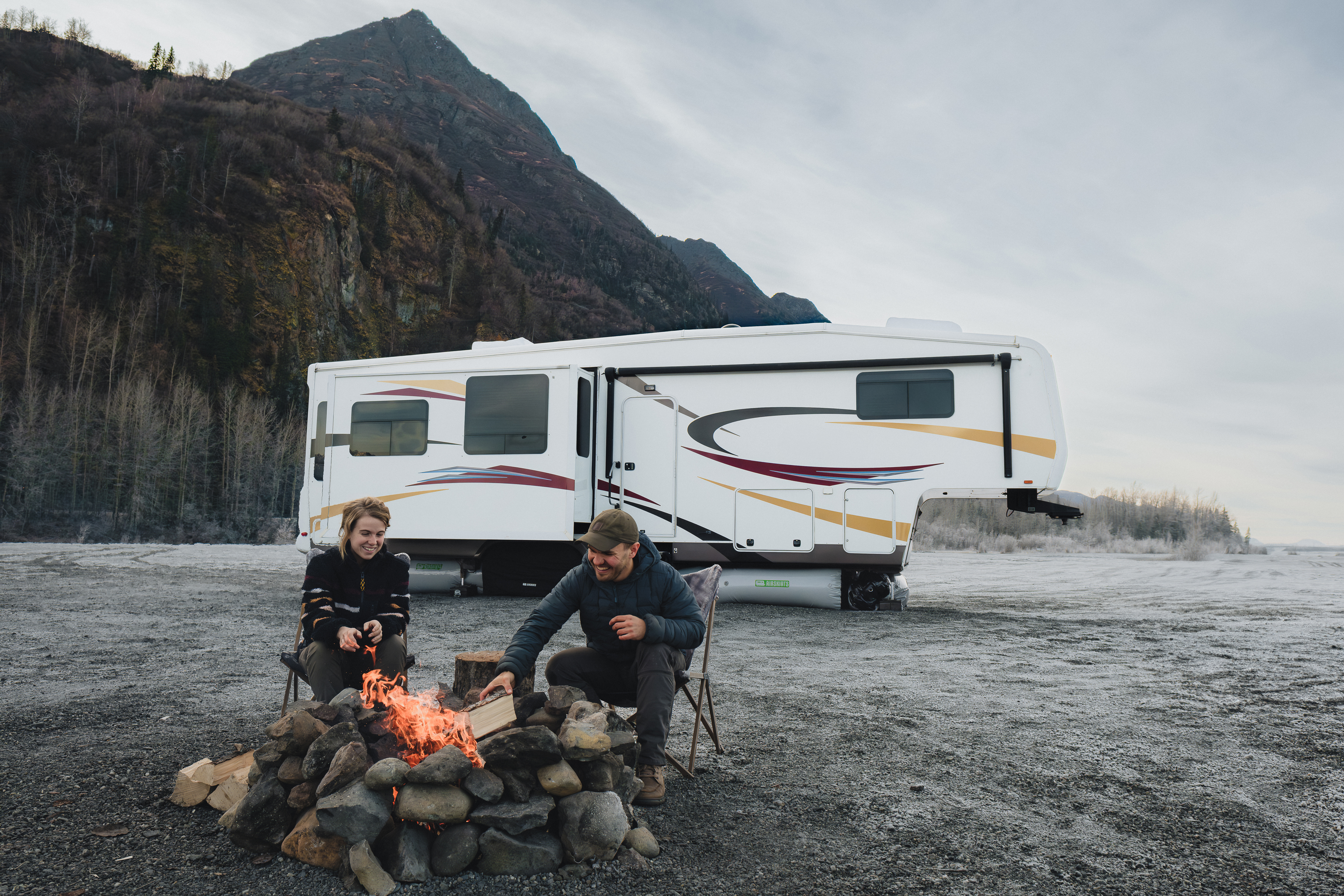
For boondockers, their travel lifestyle should be an integrated part of their broader financial plan. Whether the goal is early retirement, geographic independence for online work, or simply a more fulfilling and less expensive life, boondocking can be a powerful tool. By consciously aligning your boondocking endeavors with your financial aspirations – saving for retirement while traveling, using travel time to build a side hustle, or optimizing your budget to accelerate debt repayment – you can transform a lifestyle choice into a significant wealth-building strategy.
In conclusion, boondocking camping is far more than just a primitive camping experience; it’s a financially intelligent approach to travel and living that empowers individuals to take control of their budgets, unlock new income streams, and build a more resilient financial future. By understanding its core principles and approaching it with a strategic, financially-minded perspective, boondockers can achieve unprecedented levels of freedom, flexibility, and financial well-being.
aViewFromTheCave is a participant in the Amazon Services LLC Associates Program, an affiliate advertising program designed to provide a means for sites to earn advertising fees by advertising and linking to Amazon.com. Amazon, the Amazon logo, AmazonSupply, and the AmazonSupply logo are trademarks of Amazon.com, Inc. or its affiliates. As an Amazon Associate we earn affiliate commissions from qualifying purchases.