
The term “Bisaya” often evokes immediate recognition for many in the Philippines and beyond, but its true scope and significance extend far beyond a simple linguistic label. It represents a complex tapestry of culture, history, and identity that permeates a significant portion of the archipelago. To truly understand “Bisaya” is to delve into the heart of a vibrant and diverse Filipino heritage, acknowledging its linguistic roots, geographical expanse, and the unique cultural nuances that define its people. This exploration will illuminate the multifaceted nature of Bisaya, shedding light on its historical evolution, its linguistic landscape, and the enduring cultural markers that continue to shape the identity of millions.

The Linguistic Tapestry of Bisaya
At its core, “Bisaya” refers to a group of languages spoken in the central and southern Philippines. However, this is a simplification of a rich and varied linguistic reality. The term encompasses a spectrum of related but distinct languages and dialects, each with its own unique characteristics and regional variations. Understanding this linguistic diversity is crucial to grasping the full meaning of Bisaya.
Defining the Bisayan Language Family
The languages commonly classified under the “Bisayan” umbrella belong to the Visayan branch of the Philippine languages, which itself is part of the larger Austronesian language family. This classification highlights their shared ancestry and common linguistic features. While speakers of different Bisayan languages can often understand each other to varying degrees, particularly those geographically closer, there are significant differences that mark them as separate tongues.
Major Bisayan Languages and Their Distribution
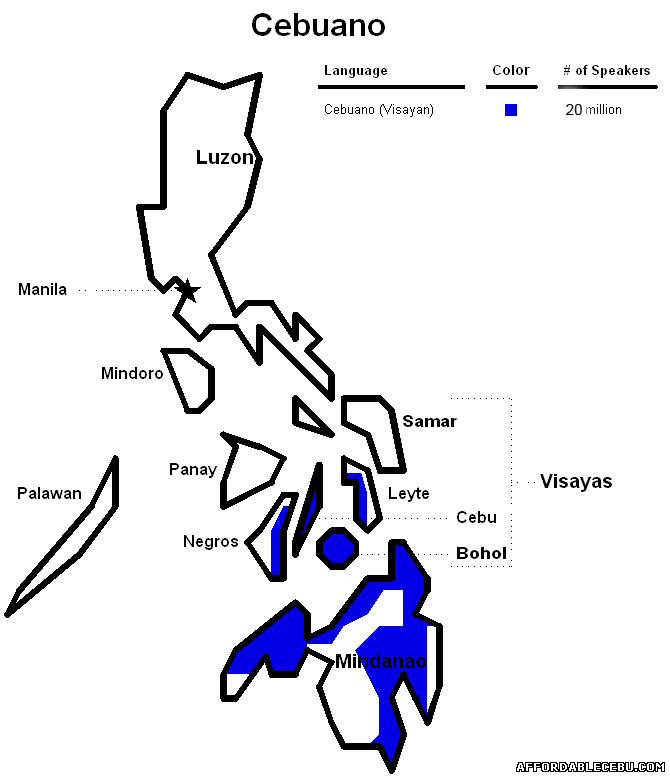
Several major languages are prominently identified as Bisayan. Cebuano, perhaps the most widely spoken, boasts millions of native speakers and is a lingua franca in many parts of the Visayas, Mindanao, and even in some communities in Luzon. Other prominent Bisayan languages include Hiligaynon (also known as Ilonggo), spoken primarily in the Western Visayas region, and Waray-Waray, prevalent in the Eastern Visayas. Beyond these, numerous smaller Bisayan languages and dialects exist, each contributing to the intricate linguistic mosaic. For instance, Boholano, spoken in the island of Bohol, is often considered a dialect of Cebuano, yet possesses distinct features. Similarly, Surigaonon, spoken in the province of Surigao, shares many Bisayan characteristics. The interplay between these languages, their mutual intelligibility, and the historical migrations of their speakers have shaped the linguistic map of the Philippines.
The Nuances of Dialects and Mutual Intelligibility
The concept of mutual intelligibility is a key factor when discussing Bisayan languages. While a Cebuano speaker might understand a significant portion of what a Boholano speaker is saying, the reverse might not always be true to the same extent. This variation in comprehension highlights the dynamic nature of language and its evolution within distinct communities. Geographic proximity, trade routes, and historical interactions have all played a role in shaping the dialects and the degree to which speakers of different Bisayan languages can communicate without a translator. Understanding these linguistic nuances is essential for appreciating the depth and breadth of the Bisayan linguistic heritage.
Geographical and Historical Roots of the Bisaya Identity
The identity of “Bisaya” is inextricably linked to the geographical heartland of the Philippines and a rich historical narrative that stretches back centuries. The term is not merely a linguistic identifier but also a descriptor of a people and a region that have played a pivotal role in shaping the nation’s history and culture.
The Visayan Islands: The Traditional Homeland
The Visayan Islands, a central archipelago in the Philippines, form the traditional homeland of the Bisaya people. This region, comprising islands like Cebu, Negros, Panay, Bohol, Samar, and Leyte, is geographically diverse, featuring lush plains, rolling hills, and stunning coastlines. The maritime nature of these islands has historically fostered strong seafaring traditions, influencing trade, cultural exchange, and the very identity of the Bisaya people. The abundant natural resources of the Visayas, from fertile agricultural lands to rich fishing grounds, have sustained its populations for generations.
Historical Migrations and the Spread of Bisayan Influence
The influence of the Bisaya people and their languages has extended far beyond the Visayan Islands. Historical migrations, driven by factors such as trade, conquest, and settlement, have led to the establishment of Bisaya communities in other parts of the Philippines, most notably in Mindanao. Large Bisaya-speaking populations can be found in cities like Davao and Cagayan de Oro, where their languages and cultural practices have become integral to the local identity. This outward movement has contributed to the widespread recognition and use of Bisayan languages, particularly Cebuano, as important regional lingua francas. The historical interactions between different ethnolinguistic groups within the Philippines have been complex, involving periods of both conflict and cooperation, all of which have contributed to the evolving Bisayan identity.
Colonial Encounters and the Evolution of “Bisaya”
The arrival of Spanish colonizers in the 16th century marked a significant turning point in the history of the Philippines, and by extension, the evolution of the Bisaya identity. The Spanish administration often employed the term “Bisaya” to refer to the inhabitants of the Visayas. However, this categorization sometimes glossed over the distinct ethnolinguistic groups within the region. Despite colonial attempts at homogenization, the core Bisayan identity persisted, adapting and evolving in response to external influences. The Spanish period left an indelible mark on the languages, culture, and social structures of the Bisaya people, introducing new religions, governance systems, and architectural styles that are still visible today.
Cultural Expressions and Identity of the Bisaya People
Beyond language and geography, the Bisaya identity is vividly expressed through a rich tapestry of cultural traditions, social practices, and artistic endeavors. These elements contribute to a shared sense of belonging and distinguish the Bisaya people within the broader Philippine context.
Festivals, Traditions, and Social Practices
Bisaya culture is renowned for its vibrant festivals, many of which are deeply rooted in religious devotion and agrarian cycles. The Sinulog Festival in Cebu, a grand celebration honoring the Santo Niño (the Child Jesus), is one of the most prominent examples, drawing millions of local and international visitors each year. Other significant festivals, like the Ati-Atihan in Aklan (though often associated with Aklanon, it shares many Visayan cultural threads) and the Sandugo Festival in Bohol, showcase the Bisaya penchant for communal celebration, elaborate costumes, and spirited performances. Socially, Bisaya communities often emphasize strong family ties, respect for elders, and a general spirit of hospitality. Traditional practices related to courtship, marriage, and community gatherings continue to hold importance, reflecting a blend of indigenous customs and influences from centuries of interaction.
Cuisine and Culinary Heritage
The culinary landscape of the Bisaya regions is as diverse and flavorful as its people. Drawing heavily from the bounty of the sea and the fertility of the land, Bisayan cuisine features fresh seafood, tropical fruits, and a variety of unique preparations. Kinilaw, a dish of raw fish marinated in vinegar, calamoyog (native lime), ginger, and onions, is a ubiquitous and beloved starter. Lechon, roasted pig, is a celebratory staple found throughout the Philippines, but Bisayan versions often have their own distinct spice blends and cooking methods. Other regional delicacies include Laswa, a vegetable soup, and various grilled and stewed fish and meat dishes. The emphasis on fresh, local ingredients and the skillful use of spices create a culinary heritage that is both satisfying and representative of the Bisaya way of life.
Arts, Music, and Literature
The artistic expressions of the Bisaya people are a testament to their creativity and cultural richness. Traditional music often features the rondalla, an ensemble of stringed instruments, and vocal performances that convey narratives of love, history, and daily life. Contemporary Bisaya music has also seen a resurgence, with artists creating songs in Cebuano and other Bisayan languages that resonate with a new generation. In literature, Bisayan epics and folk tales have been passed down through oral traditions, offering insights into the beliefs and values of the past. Modern Bisaya literature, including poetry, novels, and short stories, continues to flourish, providing a platform for contemporary Bisaya voices and perspectives. Visual arts, from intricate weaving patterns to distinctive pottery, also contribute to the vibrant cultural mosaic of the Bisaya identity.
The Enduring Relevance and Future of Bisaya
In an increasingly globalized world, the Bisaya languages and culture are not only surviving but also thriving, adapting to new contexts and asserting their unique identity. Understanding “Bisaya” today means recognizing its dynamism and its continued importance in the Philippines and beyond.
Bisaya in the Digital Age: Online Presence and New Media
The digital age has provided new avenues for the expression and preservation of Bisaya languages and culture. Online platforms, social media, and digital media channels have become crucial spaces for Bisaya speakers to connect, share content, and engage with their heritage. From YouTube channels dedicated to Bisaya vlogs and tutorials to online dictionaries and language learning apps, the internet is a vital tool for maintaining and expanding the reach of Bisayan languages. Bisaya literature, music, and film are finding new audiences online, fostering a sense of community and cultural pride among the diaspora and those living within the Bisaya-speaking regions. This digital presence is not merely about translation but about creating vibrant, modern expressions of Bisaya identity.
Bisaya as a Lingua Franca and a Marker of Identity
The role of Bisaya, particularly Cebuano, as a lingua franca in large parts of the southern Philippines cannot be overstated. Its widespread use in commerce, education, and daily communication facilitates interaction and fosters a sense of shared identity among diverse communities. For many, speaking a Bisayan language is a proud declaration of their heritage and a connection to their roots. In a nation as diverse as the Philippines, the distinctiveness of Bisaya languages and culture serves as a powerful marker of identity, contributing to the rich mosaic of Filipino nationhood. This linguistic and cultural distinctiveness is a source of pride and a vital element in the ongoing narrative of Philippine identity.

Preserving and Promoting Bisaya for Future Generations
The continued vitality of Bisaya languages and culture depends on conscious efforts to preserve and promote them. Educational initiatives, cultural heritage programs, and the active use of Bisaya in media and public life are crucial for ensuring that future generations remain connected to their linguistic and cultural inheritance. Supporting Bisaya artists, writers, and musicians, as well as encouraging language learning and cultural exchange, will play a significant role in safeguarding this invaluable aspect of Filipino heritage. By recognizing and celebrating the multifaceted nature of “Bisaya,” we not only understand a significant part of the Philippines but also contribute to the enduring legacy of its people.
aViewFromTheCave is a participant in the Amazon Services LLC Associates Program, an affiliate advertising program designed to provide a means for sites to earn advertising fees by advertising and linking to Amazon.com. Amazon, the Amazon logo, AmazonSupply, and the AmazonSupply logo are trademarks of Amazon.com, Inc. or its affiliates. As an Amazon Associate we earn affiliate commissions from qualifying purchases.