
Arousal theory, in the context of technology, delves into the psychological and physiological states of engagement and activation that users experience when interacting with digital systems, applications, and platforms. It examines how the design, features, and content of technology can influence user attention, motivation, and ultimately, their behavior. Understanding arousal theory is crucial for developers, designers, and marketers aiming to create compelling and effective technological experiences that capture and maintain user interest. This theory helps explain why certain interfaces are more engaging than others, why some applications lead to addictive patterns of use, and how digital environments can be optimized to foster desired outcomes, whether it’s increased productivity, prolonged engagement, or a sense of satisfaction.

The Fundamentals of Arousal in Technology Interaction
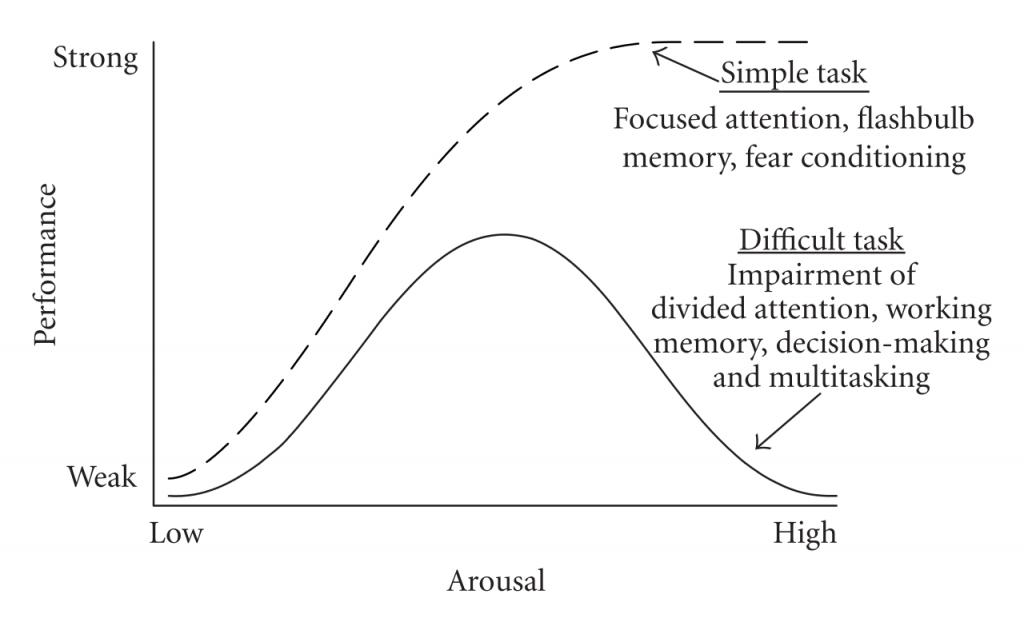
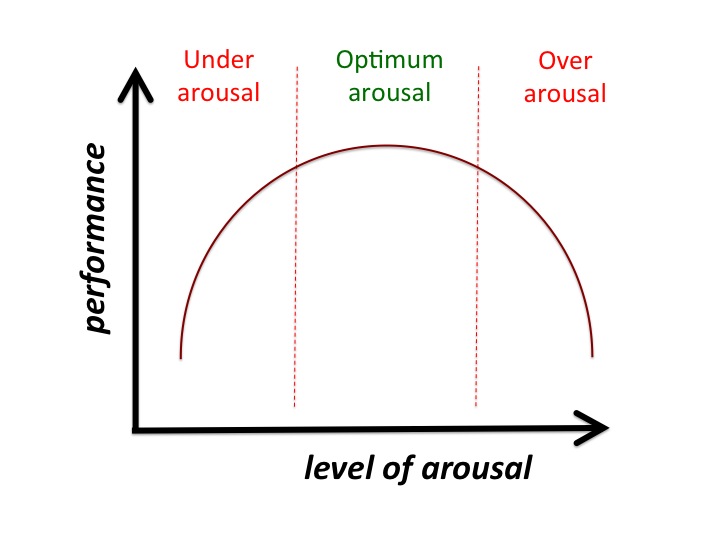
At its core, arousal theory posits that individuals are motivated to maintain an optimal level of psychological and physiological activation. Too little arousal can lead to boredom and disengagement, while too much can result in stress and overload. In the technological realm, this translates to the user’s overall state of alertness and responsiveness to stimuli presented by a device or software. The goal of applying arousal theory in tech is not necessarily to maximize arousal, but to find the sweet spot – an optimal level that promotes positive engagement without causing discomfort or fatigue.
Yerkes-Dodson Law and Optimal Arousal Levels
The Yerkes-Dodson Law, a fundamental principle in psychology, is particularly relevant here. It suggests that performance increases with physiological or mental arousal, but only up to a point. When arousal levels become too high, performance decreases. In technological applications, this means that an interface that is too complex, too fast-paced, or too demanding can overwhelm a user, leading to errors, frustration, and abandonment. Conversely, a technology that is too simplistic or offers little stimulation can bore the user, leading to a lack of attention and engagement. The optimal level of arousal for a given task or user will vary, making personalization and adaptive design key considerations. For instance, a high-stakes financial trading platform might require a different arousal profile than a casual mobile game. The former might benefit from clear, concise information and a controlled pace to minimize errors, while the latter might thrive on rapid feedback and exciting visual cues to maintain engagement.
Physiological and Psychological Components of Arousal
Arousal in the context of technology has both physiological and psychological dimensions. Physiologically, it can manifest as increased heart rate, heightened alertness, and a surge of adrenaline. Psychologically, it involves an increased sense of interest, focus, and motivation. For example, receiving a notification from a social media app can trigger a physiological response – a slight jump in heart rate – and a psychological one – a curiosity to see who has interacted with your content. The design of the notification itself, its sound, its visual prominence, and the perceived importance of the message all contribute to the level of arousal it elicits. Similarly, the engaging narrative of a video game, the fast-paced action, and the rewarding feedback mechanisms all work in concert to create a heightened state of arousal that keeps players immersed.
Designing for Optimal Arousal in Digital Products
Understanding arousal theory allows designers to strategically implement elements that influence user engagement. This involves a careful consideration of various design factors, from visual aesthetics to interactive feedback. The aim is to create experiences that are neither monotonous nor overwhelming, but instead strike a balance that fosters sustained interest and positive user outcomes. This is particularly relevant in today’s competitive digital landscape, where capturing and retaining user attention is paramount for the success of any application or platform.
Visual Stimuli and Engagement
The visual design of a digital product plays a significant role in modulating user arousal. Bright colors, dynamic animations, and visually appealing graphics can increase engagement by capturing attention and signaling important information. For example, a well-designed dashboard with intuitive color-coding can help users quickly identify critical data points, leading to a higher level of focused arousal and better decision-making. Conversely, a cluttered or visually monotonous interface can lead to boredom and disengagement. The strategic use of visual hierarchies, white space, and aesthetic appeal can guide the user’s attention and create a more stimulating, yet organized, experience. Think about how onboarding tutorials use animated elements to guide new users, or how e-commerce sites use high-quality product images and videos to entice shoppers. These are all deliberate applications of visual stimuli to influence arousal and engagement.
Interactive Feedback and Responsiveness
The way a technology responds to user input is another critical factor in arousal. Instantaneous and meaningful feedback can reinforce positive actions, guide users through tasks, and create a sense of control and accomplishment. For instance, when a button changes color or provides a subtle animation upon being clicked, it signals to the user that their action has been registered and processed. This feedback loop is essential for maintaining a sense of presence and agency. Haptic feedback, such as vibrations on a mobile device, can further enhance this sense of interaction and increase arousal. A well-timed vibration when completing a task or receiving an important alert can make the experience more tangible and engaging. Conversely, delays in feedback, unresponsive elements, or ambiguous error messages can lead to frustration, decreased arousal, and a breakdown in the user’s connection with the technology.
Gamification and Motivational Design
Gamification, the application of game-like elements in non-game contexts, is a powerful tool for leveraging arousal theory. Elements such as points, badges, leaderboards, challenges, and progress bars are designed to tap into intrinsic human motivations for achievement, competition, and mastery. By incorporating these elements, digital products can transform mundane tasks into more engaging experiences. For example, fitness apps use streaks and virtual rewards to motivate users to exercise regularly. Educational platforms might employ points and badges to encourage learning progress. These features create a sense of progression and accomplishment, triggering dopamine releases and fostering sustained engagement. The goal is to create a motivational loop that keeps users coming back for more, driven by the desire to achieve new levels, earn recognition, or overcome challenges.
The Impact of Arousal Theory on User Behavior and Technology Adoption
Understanding how arousal theory influences user behavior is paramount for predicting and shaping technology adoption. By designing for optimal arousal, companies can increase user retention, drive deeper engagement, and ultimately achieve their business objectives. This goes beyond simply making a product functional; it involves crafting an experience that resonates emotionally and psychologically with the user.
User Retention and Engagement Metrics
Arousal theory directly impacts user retention and engagement metrics. Technologies that are designed to maintain an optimal level of arousal are more likely to keep users coming back. This can be measured through various metrics such as session duration, frequency of use, and churn rate. For instance, a news aggregator that presents content in a dynamic and personalized way, with engaging headlines and visually appealing summaries, is likely to see higher engagement than one with a static, text-heavy layout. Similarly, productivity tools that incorporate progress tracking, goal-setting features, and motivational nudges can help users stay focused and engaged, reducing the likelihood of them abandoning the tool. The sustained interaction fostered by well-managed arousal levels is a key indicator of a successful digital product.
Addiction and Over-Engagement Concerns
While arousal theory can be used to enhance positive engagement, it also highlights the potential for over-engagement and even addiction. Certain design choices, particularly those that provide frequent and unpredictable rewards, can create a cycle of dependency. This is often seen in social media platforms and online gaming, where notifications and variable reward schedules are used to keep users hooked. Understanding the darker side of arousal theory is crucial for ethical design. Developers and designers have a responsibility to be mindful of the potential for creating unhealthy usage patterns. This involves considering the intensity of stimuli, the predictability of rewards, and providing users with controls to manage their engagement. The goal should be to foster healthy, productive, and enjoyable use, rather than to exploit psychological vulnerabilities for increased screen time.
Personalization and Adaptive Technologies
The concept of optimal arousal is inherently personal. What might be stimulating for one user could be overwhelming or boring for another. This is where personalization and adaptive technologies become vital. By analyzing user behavior, preferences, and even physiological responses (where applicable and ethical), systems can dynamically adjust their interfaces, content, and pace to maintain an optimal level of arousal for each individual. For example, an adaptive learning platform might present more challenging material to a student who is excelling and provide more scaffolding and simpler explanations to one who is struggling. Similarly, a content streaming service might adjust the pace of its recommendations based on a user’s viewing habits and engagement patterns. This tailored approach ensures that the technology remains relevant, engaging, and effective for a diverse range of users, maximizing the benefits derived from arousal theory.
In conclusion, arousal theory provides a powerful framework for understanding and optimizing user engagement with technology. By carefully considering the principles of optimal arousal, visual design, interactive feedback, gamification, and personalization, developers and designers can create digital experiences that are not only functional but also deeply engaging, ultimately leading to greater user satisfaction and the successful adoption of technological innovations. The ongoing evolution of technology will undoubtedly see further exploration and application of arousal theory to create even more immersive and impactful digital environments.
aViewFromTheCave is a participant in the Amazon Services LLC Associates Program, an affiliate advertising program designed to provide a means for sites to earn advertising fees by advertising and linking to Amazon.com. Amazon, the Amazon logo, AmazonSupply, and the AmazonSupply logo are trademarks of Amazon.com, Inc. or its affiliates. As an Amazon Associate we earn affiliate commissions from qualifying purchases.