
In the intersection of insurance, law, and corporate finance, the Independent Medical Exam (IME) serves as a critical pivot point. While it is ostensibly a medical evaluation, in the world of business and personal finance, it functions as a high-stakes financial audit. Whether it arises from a workers’ compensation claim, a personal injury lawsuit, or a long-term disability dispute, an IME is the mechanism used to quantify the monetary value of a physical or psychological condition. For insurance carriers, it is a tool for risk mitigation; for the claimant, it is a determinant of future income and financial security.
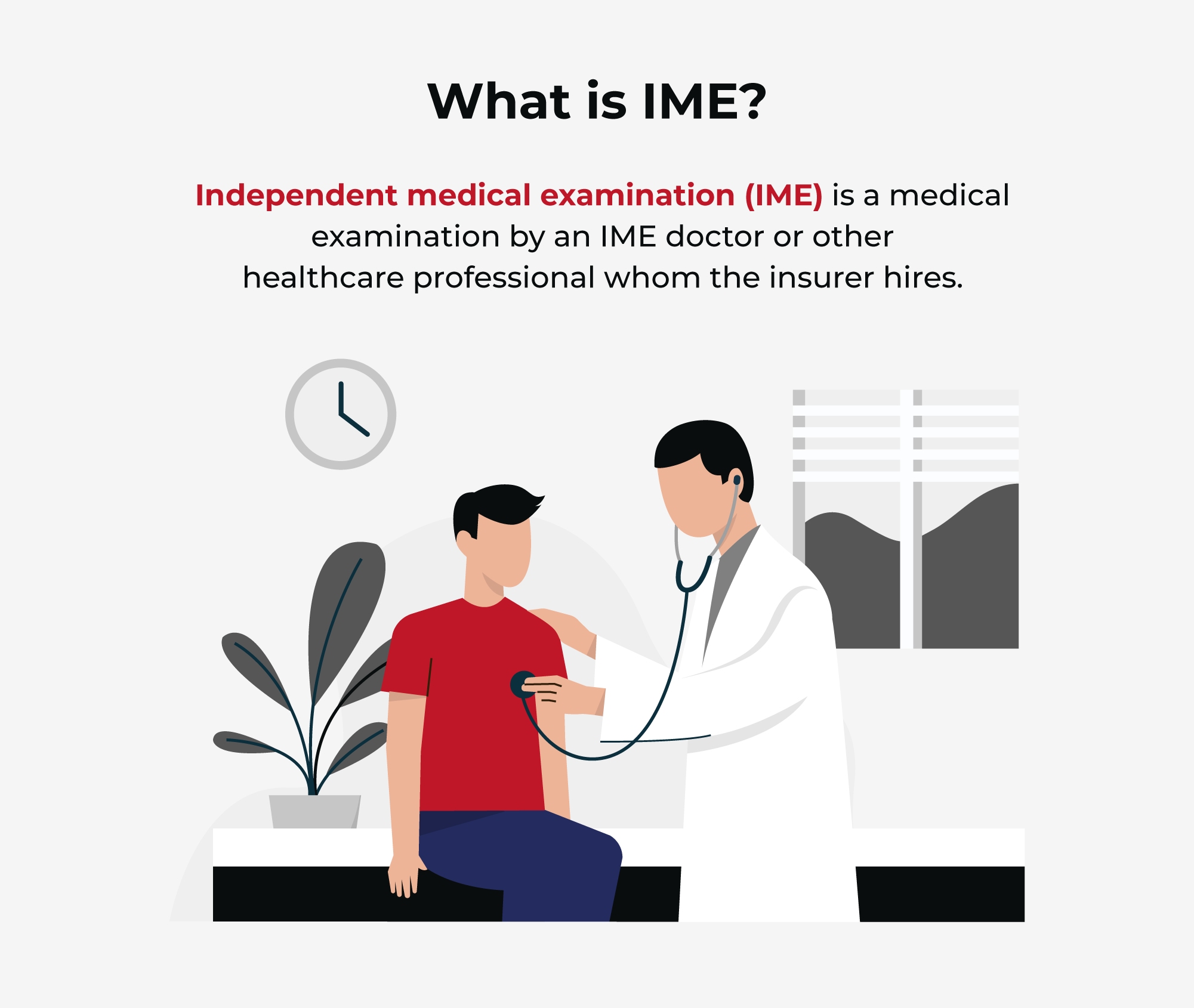
Understanding the independent medical exam through the lens of finance reveals its true purpose: to provide an objective valuation of liability. In a landscape where insurance payouts and legal settlements can reach millions of dollars, the IME acts as a fiscal gatekeeper, ensuring that disbursements are justified and that financial exposure is managed with precision.
The Independent Medical Exam (IME) as a Financial Audit Tool
At its core, an IME is an evaluation performed by a physician who has no prior relationship with the patient. From a financial perspective, this is synonymous with a third-party audit. Just as a corporation brings in an external accounting firm to verify its balance sheets, an insurance company or legal entity utilizes an IME to verify the “liabilities” represented by a medical claim.
The Purpose of Objective Valuation
In any financial transaction involving a claim, there is an inherent conflict of interest. The treating physician, focused on patient advocacy, may inadvertently provide a subjective view of the injury’s severity. Conversely, the claimant has a financial incentive to maximize the perceived impact of the injury to secure a higher settlement. The IME is designed to remove these biases, providing a “fair market value” of the injury’s impact on the individual’s ability to function and work. By establishing an objective medical baseline, the IME allows financial analysts and adjusters to calculate the exact reserves needed to cover the claim.
How IMEs Influence Insurance Liability
For insurance providers, an IME is a fundamental component of liability management. When a claim is filed, the insurer must set aside “reserves”—funds earmarked specifically for that future payout. If the medical reports are vague or contradictory, the insurer may over-reserve, which ties up capital that could otherwise be invested, or under-reserve, which creates a significant risk of a budget shortfall. The IME provides the clarity necessary to refine these figures, directly impacting the insurer’s solvency ratios and quarterly earnings reports.
The Economic Stakes for Businesses and Workers
The financial implications of an IME ripple through the entire economy, affecting corporate bottom lines, insurance premiums, and the personal net worth of the individuals involved. It is not merely a clinical visit; it is an economic event that dictates the flow of capital from one party to another.
Controlling Workers’ Compensation Costs
For business owners, workers’ compensation is a significant line item in the operational budget. Premiums are determined by an “experience rating,” which is heavily influenced by the history of claims and the total amount paid out. A single high-value claim can cause premiums to skyrocket, eating into profit margins and reducing the capital available for expansion or hiring.
The IME serves as a check against “claim inflation.” By accurately determining the point of Maximum Medical Improvement (MMI), the examiner helps the business and the insurer conclude the payment period for temporary disability. This prevents the unnecessary drainage of corporate resources and helps maintain the stability of the company’s insurance costs over the long term.
Impact on Personal Income and Settlements
From the perspective of personal finance, the IME is often the most significant financial hurdle a claimant will face. The examiner’s report will likely determine whether an individual receives a lump-sum settlement or structured payments, and it will heavily influence the calculation of “loss of future earning capacity.”
If the IME report suggests that a worker can return to light-duty work, their disability payments may be reduced or terminated entirely. For a household, this represents a major shift in the monthly cash flow. Conversely, a report that confirms a permanent total disability can secure a lifetime of indexed payments, providing a predictable financial floor for an individual who can no longer participate in the labor market.
Navigating the IME Process: A Strategic Financial Perspective
Because the stakes are so high, the approach to an IME should be as strategic as a high-level business negotiation. Both the entity requesting the exam and the individual undergoing it must understand the financial weight of every statement and observation made during the process.
Preparation and the Cost of Non-Compliance
In the world of finance, non-compliance with a contractual obligation often results in a forfeiture of benefits. The same applies to the IME. For most insurance policies and workers’ compensation laws, attending an IME is a mandatory condition for receiving benefits. Failure to appear or a lack of cooperation can lead to the immediate suspension of payments.
From a strategic standpoint, the preparation for an IME involves a thorough review of past medical records to ensure consistency. Inconsistencies in reporting symptoms or history can be flagged by the examiner as “malingering” or “symptom magnification.” In financial terms, this is viewed as a red flag for fraud, which can not only terminate the current claim but also lead to legal fees and potential restitution, creating a catastrophic financial outcome for the claimant.
The Role of the Examiner in Determining Future Financial Obligations
The examiner’s primary output is a written report that answers specific questions posed by the insurance company or legal counsel. These questions are often framed to address financial liabilities: “Is the injury a direct result of the workplace incident?” or “What percentage of the current disability is due to pre-existing conditions?”
By apportioning the disability—for example, stating that 50% of a back injury is due to age-related degeneration rather than a recent accident—the examiner effectively cuts the financial liability of the insurer in half. This “apportionment” is one of the most powerful tools in insurance defense, as it allows companies to avoid paying for costs they did not legally incur.
Long-term Financial Implications of IME Outcomes
The conclusion of an IME does not just end the medical debate; it sets the stage for the final financial resolution of the case. The data derived from the exam is fed into actuarial models to determine the long-term cost of the claim.
Settling Claims vs. Ongoing Disability Payments
One of the most critical decisions a business or insurer makes is whether to settle a claim for a one-time payment or to continue paying monthly benefits. The IME report is the primary document used to perform a Net Present Value (NPV) calculation for the settlement. If the IME suggests that the claimant will require surgery or expensive medical interventions in five years, the “buyout” price of the claim will increase significantly.
For the claimant, deciding whether to accept a settlement based on an IME involves complex financial planning. They must weigh the immediate liquidity of a lump sum against the long-term security of ongoing payments, all while considering inflation and future medical inflation rates.
Mitigating Fraud and Financial Loss
In the broader scope of business finance, the IME is a front-line defense against the billions of dollars lost annually to insurance fraud. By providing a rigorous, evidence-based assessment, the IME ensures that the financial resources of the insurance pool are preserved for those with legitimate needs. For shareholders of insurance companies, the effectiveness of the IME program is a key metric in operational efficiency. A well-managed IME process reduces the “loss ratio”—the ratio of losses paid out in claims to the total premiums earned—which is a primary driver of stock value and corporate health in the financial sector.
Conclusion
The Independent Medical Exam is far more than a doctor’s appointment; it is a sophisticated financial instrument used to calibrate risk and value in the insurance and legal markets. For the corporation, it is a tool for maintaining fiscal discipline and protecting the bottom line from exaggerated liabilities. For the individual, it is a high-stakes assessment that defines their future income potential and financial stability.
By understanding the IME as a financial audit rather than just a medical check-up, stakeholders can better navigate the complexities of the claims process. In an environment where every medical finding has a direct dollar correlation, the IME stands as the definitive benchmark for the economic resolution of injury and disability claims. Whether you are managing corporate risk or personal recovery, recognizing the financial weight of the IME is essential for sound decision-making and long-term fiscal health.
aViewFromTheCave is a participant in the Amazon Services LLC Associates Program, an affiliate advertising program designed to provide a means for sites to earn advertising fees by advertising and linking to Amazon.com. Amazon, the Amazon logo, AmazonSupply, and the AmazonSupply logo are trademarks of Amazon.com, Inc. or its affiliates. As an Amazon Associate we earn affiliate commissions from qualifying purchases.