
The term “economic bubble” is frequently tossed around in financial news and discussions, often conjuring images of speculative frenzies and dramatic market crashes. But what precisely constitutes an economic bubble? Understanding this phenomenon is crucial for investors, policymakers, and anyone seeking to navigate the complexities of financial markets. At its core, an economic bubble occurs when the price of an asset, such as stocks, real estate, or even commodities, rapidly inflates far beyond its intrinsic or fundamental value. This unsustainable price surge is driven not by rational economic factors, but by a pervasive sense of optimism, speculation, and herd behavior among market participants.
The Anatomy of a Bubble: How Prices Detach from Value
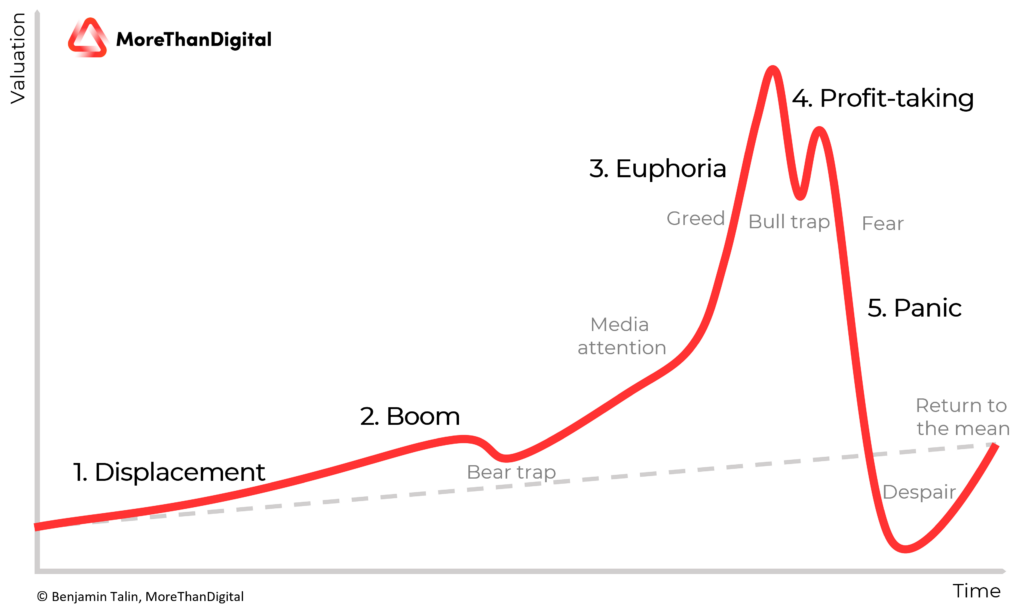
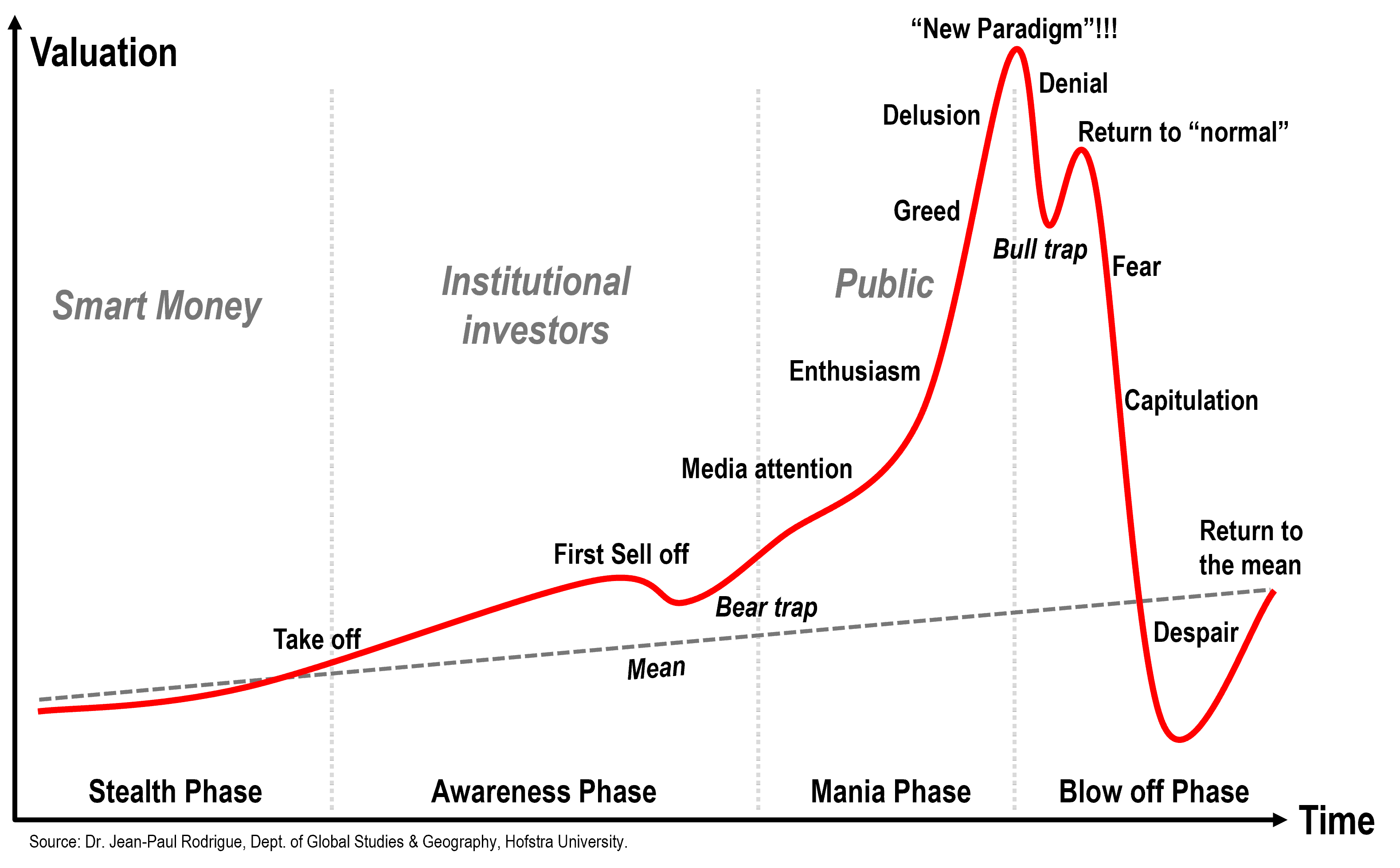
Economic bubbles are not spontaneous events; they typically evolve through distinct phases, each characterized by specific market dynamics and investor psychology. Recognizing these stages can provide valuable insights into the lifecycle of a speculative boom.
The Early Stages: Displacement and Optimism
The genesis of a bubble often begins with a “displacement.” This is an event or innovation that fundamentally alters the economic landscape, creating new opportunities and sparking optimism. Historically, these displacements have ranged from groundbreaking technological advancements to significant shifts in economic policy or consumer behavior. For instance, the advent of the internet in the late 1990s displaced traditional business models and ignited widespread enthusiasm for technology companies.
Following the displacement, a period of optimism takes hold. Early investors who recognize the potential of the new trend or asset class experience significant gains. This success attracts attention, and as more people become aware of the soaring prices and the perceived opportunities for quick wealth, the optimism begins to snowball. The narrative shifts from genuine economic potential to the belief that prices will continue to rise indefinitely, regardless of underlying fundamentals.
The Boom Phase: Mania and Speculation
As the bubble inflates, it enters its “boom” phase, characterized by increasing enthusiasm and speculative activity. This is where prices truly begin to detach from any semblance of fundamental value. Investors are no longer analyzing companies based on their earnings, assets, or future prospects. Instead, they are driven by the fear of missing out (FOMO) and the belief that they can profit by simply buying an asset and selling it to someone else at a higher price – a phenomenon often referred to as the “greater fool theory.”
During this phase, traditional valuation metrics are often disregarded or reinterpreted to justify the escalating prices. Analysts might invent new, often flimsy, valuation models, or the market can simply ignore established ones altogether. Trading volumes surge as more participants – from seasoned professionals to novice retail investors – rush into the market, eager to partake in the perceived “gold rush.” Media coverage intensifies, amplifying the excitement and further fueling the speculative frenzy. This can lead to a situation where assets are bought not for their utility or income-generating potential, but solely for their anticipated price appreciation. The focus shifts from long-term investment to short-term trading and speculation.
The Peak and the Beginning of the End: Smart Money Exits
At its zenith, the bubble is characterized by widespread euphoria. Everyone seems to be making money, and skepticism is often dismissed as negativity or a lack of vision. However, it is often during this peak phase that “smart money” – experienced investors and institutions who understand market cycles and risk management – begin to quietly divest their holdings. They recognize that prices have become unsustainable and that the risk of a downturn far outweighs the potential for further gains.
The exit of smart money can be subtle at first, but as more sophisticated players unload their positions, it can create downward pressure on prices. However, the prevailing optimism often masks these early signs of weakness. For the majority of market participants, the belief in continued ascent remains unshaken. The exit of smart money is a crucial precursor to the inevitable collapse, though it is often missed by those caught in the speculative fervor.
The Bust: The Inevitable Correction
The climax of an economic bubble is the “bust” – the rapid and often dramatic collapse of asset prices. This correction is usually triggered by a catalyst, which can be anything from a change in economic conditions, a shift in monetary policy, or a significant negative news event related to the overvalued asset. The catalyst erodes the confidence that underpinned the bubble, and as investors begin to realize that prices are indeed unsustainable, a wave of selling ensues.
As selling pressure mounts, the fear of missing out is replaced by the fear of loss. Investors scramble to exit their positions, further accelerating the price decline. This creates a vicious cycle where falling prices lead to more selling, which in turn leads to even lower prices. The speed and severity of the bust can be breathtaking, wiping out fortunes and leaving many investors with significant losses. The assets that were once lauded as the next big thing become liabilities, and the euphoria of the boom phase gives way to panic and despair.
Identifying Potential Bubbles: Warning Signs and Indicators
While predicting the exact timing and magnitude of a bubble is notoriously difficult, several warning signs and indicators can help investors identify situations where asset prices may be becoming unsustainable. Vigilance and a commitment to fundamental analysis are key defenses.
Overvaluation Metrics
One of the most straightforward ways to identify potential bubbles is through rigorous valuation analysis. This involves comparing an asset’s current price to its underlying economic fundamentals. For stocks, this might include metrics like the Price-to-Earnings (P/E) ratio, Price-to-Sales (P/S) ratio, or Dividend Yield. When these ratios are significantly higher than historical averages or those of comparable assets, it suggests that the market may be overpaying. For real estate, price-to-rent ratios or price-to-income ratios can serve similar functions. An asset whose price is soaring while its ability to generate income or its intrinsic value remains stagnant or grows at a much slower pace is a prime candidate for overvaluation.
Speculative Behavior and Herd Mentality
The presence of widespread speculative behavior is a strong indicator of a potential bubble. This includes a surge in trading activity driven by short-term price movements rather than long-term investment goals. When everyday individuals, with little to no prior investment experience, are suddenly drawn into a particular asset class, often fueled by media hype and social media buzz, it signals that speculation may be overriding rational decision-making. Herd mentality, where individuals follow the actions of a larger group without independent analysis, is a hallmark of bubble psychology. The fear of missing out (FOMO) becomes a more powerful motivator than due diligence.
Rapid Price Appreciation and Low Volatility (Initially)
Bubbles are characterized by exceptionally rapid price appreciation that cannot be justified by underlying economic growth or fundamental improvements in the asset. This meteoric rise often occurs with surprisingly low volatility in the early stages, as upward momentum seems unstoppable. However, this low volatility is deceptive; it masks the underlying fragility of the market. When prices do begin to turn, the lack of established resistance levels can lead to extremely sharp declines. Investors should be wary of assets experiencing parabolic price increases, especially when the rationale for such gains is vague or based on future promises rather than current performance.
Easy Credit and Leverage
Economic bubbles are often exacerbated by readily available credit and the widespread use of leverage. When borrowing is cheap and easy, it allows more participants to invest, including those who may not have the capital to do so otherwise. This increased demand, fueled by borrowed money, can further inflate asset prices. The use of leverage amplifies both gains and losses. During a bubble, leverage can accelerate the price rise as borrowed funds are injected into the market. However, during a bust, leveraged investors are often forced to sell at any price to meet margin calls, intensifying the downward spiral.
The Consequences of Economic Bubbles
The aftermath of an economic bubble bursting can have profound and far-reaching consequences, not only for individual investors but for the broader economy. Understanding these impacts is crucial for appreciating the importance of maintaining market stability.
Financial Losses for Investors
The most immediate and direct consequence of a bubble bursting is the significant financial losses incurred by investors. Those who bought assets at or near the peak of the bubble can see their investments evaporate, leading to personal financial ruin for many. This can impact retirement plans, savings, and overall financial security. The psychological toll of such losses can also be substantial, leading to a loss of confidence in financial markets and a reluctance to invest in the future.
Systemic Risk and Economic Recessions
Economic bubbles can pose a threat to the entire financial system. When a large asset class experiences a dramatic price collapse, it can lead to widespread bankruptcies of financial institutions that were heavily invested in or lent against those assets. This can trigger a credit crunch, where lending dries up, and businesses struggle to obtain financing. Such systemic risk can cascade through the economy, leading to a contraction in economic activity, job losses, and ultimately, a recession. The dot-com bubble of the early 2000s and the housing bubble of 2007-2008 are prime examples of how bursting bubbles can trigger severe economic downturns.
Regulatory and Policy Responses
The bursting of economic bubbles often prompts significant regulatory and policy responses. Governments and central banks may implement measures to prevent future bubbles, such as tightening lending standards, increasing capital requirements for financial institutions, or adjusting monetary policy. The lessons learned from past bubbles can lead to reforms aimed at improving market transparency, investor protection, and financial stability. However, these interventions are often reactive and may not always be sufficient to mitigate the immediate damage caused by a collapse.
Long-Term Impact on Investor Psychology
The experience of being caught in an economic bubble can have a lasting impact on investor psychology. For those who have suffered significant losses, there can be a deep-seated distrust of financial markets and a preference for extremely conservative investment strategies. This can hinder capital formation and economic growth in the long run. Conversely, some individuals may become overly cautious, missing out on genuine investment opportunities due to a fear of repeating past mistakes. Rebuilding confidence and fostering a balanced approach to investing are critical post-bubble challenges.
Avoiding the Bubble Trap: Strategies for Prudent Investing
While it’s impossible to predict every bubble with certainty, adopting a disciplined and rational approach to investing can significantly reduce the risk of falling victim to speculative manias.
Embrace Fundamental Analysis
The cornerstone of prudent investing is a steadfast commitment to fundamental analysis. This means thoroughly researching an asset’s underlying value, including its earnings potential, financial health, competitive landscape, and management quality. Don’t rely solely on price charts or market sentiment. Understand what you are buying and why its price should reflect that intrinsic value over the long term. Diversification across different asset classes and sectors can also help mitigate the impact of any single asset or market segment experiencing a bubble.
Maintain a Long-Term Perspective
Bubbles are inherently short-to-medium-term phenomena driven by speculative fervor. Investors who focus on long-term goals and value creation are less susceptible to the siren song of quick profits. A long-term perspective allows investors to ride out short-term market volatility and to focus on the fundamental growth and income-generating capabilities of their investments. It encourages patience and discourages the impulsive buying and selling often associated with bubble behavior.
Be Wary of Hype and FOMO
The allure of rapid wealth accumulation can be intoxicating, especially when fueled by widespread hype and the fear of missing out. Recognize that if an investment opportunity sounds too good to be true, it often is. Be skeptical of media narratives that promise guaranteed returns or depict a particular asset as an unstoppable force. Engage in independent research rather than blindly following the crowd. If everyone is talking about an investment and prices are soaring without clear justification, it’s often a sign to proceed with extreme caution, or perhaps to stay away altogether.
Understand and Manage Risk
Every investment carries risk, and understanding and managing that risk is paramount. This includes assessing your own risk tolerance and investing only what you can afford to lose. Utilize risk management tools such as stop-loss orders, diversification, and position sizing to protect your capital. During periods of heightened market exuberance, it may be prudent to reduce exposure to highly speculative assets or to increase your allocation to more defensive investments. A disciplined approach to risk management is a crucial defense against the destructive forces of an economic bubble.
In conclusion, economic bubbles represent a recurring feature of financial markets, driven by a complex interplay of human psychology and market dynamics. By understanding their anatomy, recognizing the warning signs, and adopting prudent investment strategies, individuals can better protect themselves from the inevitable consequences of these speculative excesses and navigate the financial landscape with greater confidence and resilience.
aViewFromTheCave is a participant in the Amazon Services LLC Associates Program, an affiliate advertising program designed to provide a means for sites to earn advertising fees by advertising and linking to Amazon.com. Amazon, the Amazon logo, AmazonSupply, and the AmazonSupply logo are trademarks of Amazon.com, Inc. or its affiliates. As an Amazon Associate we earn affiliate commissions from qualifying purchases.