
The world of music notation, with its staves, notes, and clefs, can sometimes feel like a secret language. For those venturing beyond the most common treble and bass clefs, encountering the alto clef can be a moment of bewilderment. Yet, this specialized clef plays a vital role in representing certain instruments and vocal ranges accurately and efficiently. Understanding the alto clef is not just an academic exercise for musicians; it’s a key to unlocking a deeper comprehension of musical scores and the unique timbres they represent. This article delves into the nature, history, and practical application of the alto clef, demystifying its place within the broader landscape of musical notation.
The Fundamentals of the Alto Clef
At its core, a clef is a symbol placed at the beginning of a musical staff that indicates which pitches are represented by the lines and spaces. Think of it as a translator, assigning specific letter names to the visual elements on the page. There are several clefs in use today, but the alto clef holds a particular significance for specific instrumental families and vocalists.
Understanding Clefs in General
Before focusing on the alto clef, it’s beneficial to grasp the concept of clefs more broadly. The most familiar are the treble clef (also known as the G clef) and the bass clef (also known as the F clef). The treble clef curls around the second line from the bottom of the staff, indicating that this line represents the pitch G above middle C. The bass clef, with its two dots surrounding the fourth line from the bottom, signifies that this line represents the pitch F below middle C.
These two clefs cover the vast majority of orchestral music, keyboard music, and vocal music for soprano, alto, tenor, and bass. However, the range of certain instruments and voices extends beyond what these clefs can comfortably accommodate without the frequent use of ledger lines (extra lines added above or below the staff to represent pitches outside the five-line staff). This is where other clefs, such as the alto and tenor clefs, become indispensable.
The Alto Clef: A Unique Symbol
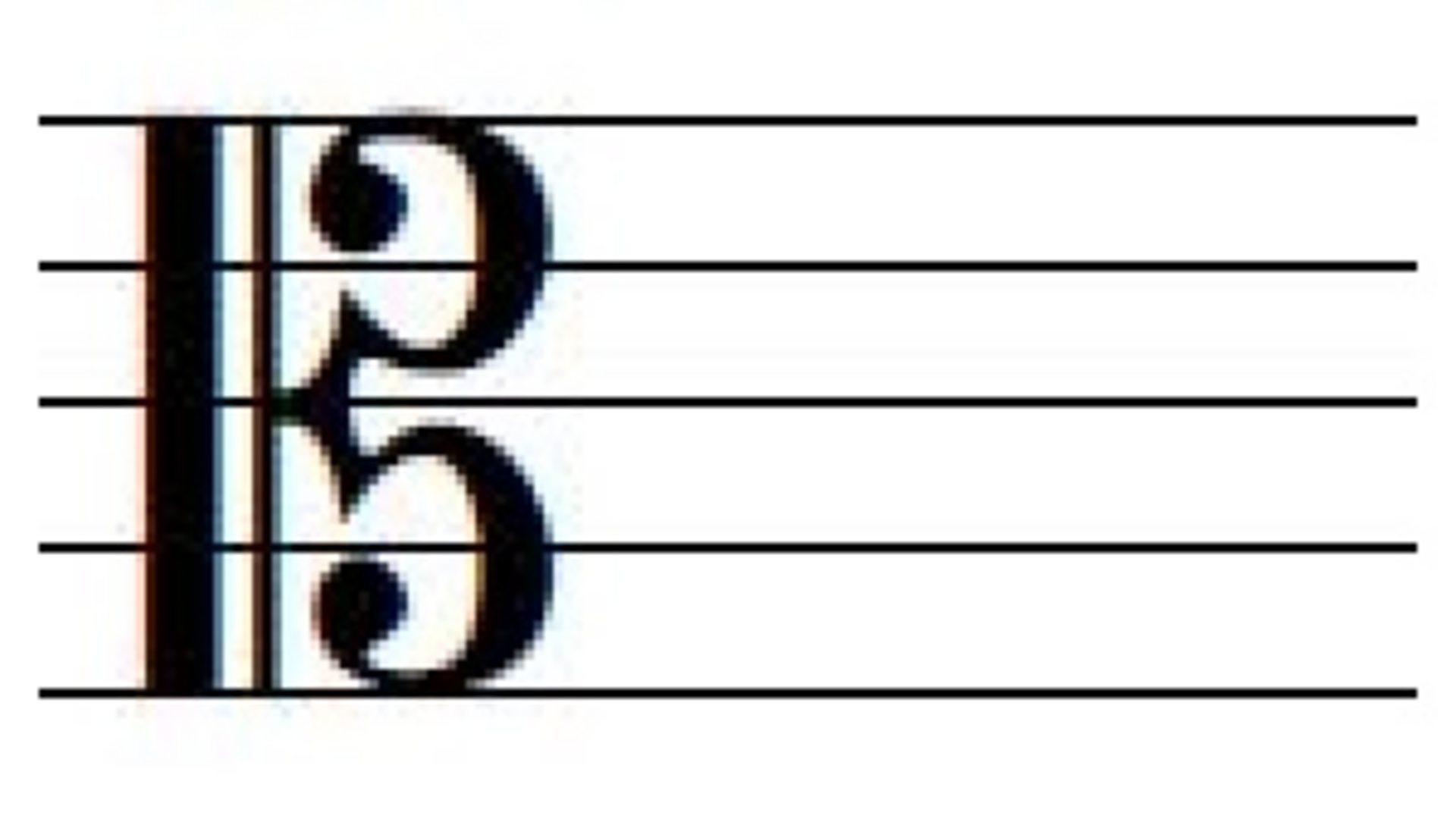
The alto clef is characterized by a symbol resembling a stylized numeral “3” or a heart shape, with the middle point of the symbol resting on the third line from the bottom of the staff. This particular placement is crucial, as it designates that the third line of the staff represents the pitch middle C. This is the most important distinction to remember about the alto clef.
The Middle C Connection
Why middle C? Middle C is a pivotal pitch in Western music, often serving as a reference point. By centering the alto clef on middle C, composers and arrangers can create clear and concise notation for instruments and voices that frequently utilize this central pitch in their primary range. This avoids the need for extensive ledger lines, making scores easier to read and interpret.
Visualizing the Staff with Alto Clef
To truly understand the alto clef, it’s helpful to visualize how it maps onto the musical staff.
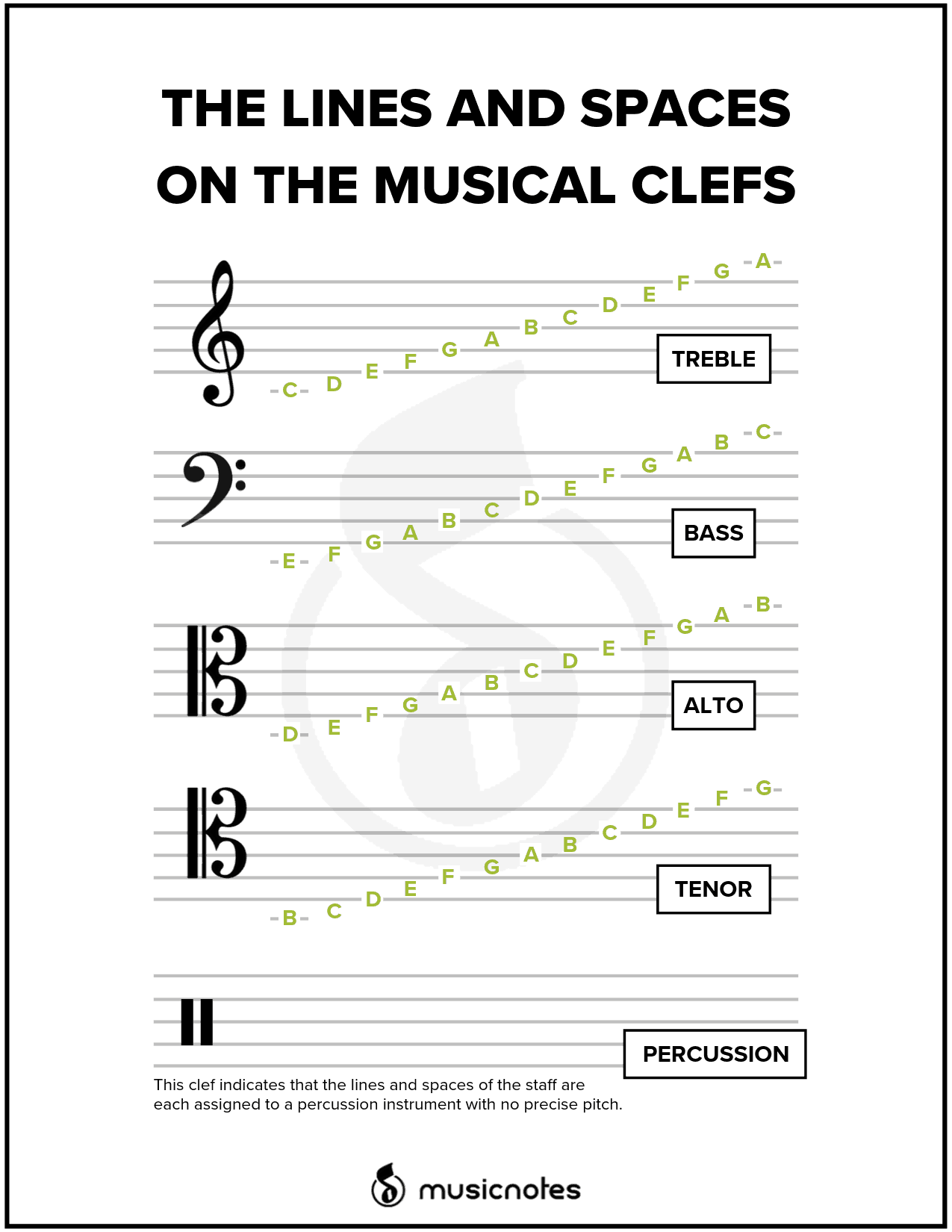
- The Third Line is Middle C: As stated, this is the anchor. Any note written on this line will be played or sung as middle C.
- The Spaces: The spaces above and below middle C will correspond to the notes directly adjacent in the musical alphabet (D, B, etc.). For example, the space immediately above middle C is D, and the space immediately below middle C is B.
- The Lines: The lines above and below middle C will correspond to E, F, G, A, B, and D, E, F, G, A in ascending and descending order, respectively.
Let’s lay it out:
- Line 1 (bottom): F below middle C
- Space 1: G below middle C
- Line 2: A below middle C
- Space 2: B below middle C
- Line 3: Middle C (the defining pitch)
- Space 3: D above middle C
- Line 4: E above middle C
- Space 4: F above middle C
- Line 5 (top): G above middle C
This arrangement allows for a significant portion of the typical range of instruments like the viola, as well as certain vocal parts, to be notated within the five lines of the staff, promoting readability.
Historical Context and Evolution
The alto clef, like other clefs, is a product of centuries of musical notation development. Its existence is tied to the need for greater specificity and efficiency in representing the diverse ranges of musical instruments and voices.
The Origins of Clefs
The earliest forms of Western musical notation, such as neumes, were more like memory aids than precise transcriptions of pitch and rhythm. As music became more complex, particularly during the Gregorian chant era, the need for a system that clearly indicated specific pitches arose. This led to the development of lines representing specific pitches, a precursor to the modern staff.
Clefs emerged as a way to anchor these lines. Initially, letters representing pitches (like ‘G’, ‘F’, and ‘C’) were placed on the lines to define their pitch. Over time, these letter symbols evolved into the more abstract shapes we recognize as clefs today. The C clef, in its various forms, has been particularly enduring, as the pitch C is fundamental to Western harmony.
The Rise of the Alto Clef
The alto clef is essentially a form of the C clef. The C clef can be placed on any of the five lines of the staff. When placed on the first line, it’s the soprano clef; on the second line, the mezzo-soprano clef; on the third line, the alto clef; and on the fourth line, the tenor clef.
The alto clef became prominent with the increasing importance of instruments that occupied the alto register. The viola, a string instrument with a voice between the violin and cello, found its natural notational home in the alto clef. Its range perfectly aligns with the pitches represented by the alto clef on the staff, allowing for clear and concise music to be written. Similarly, certain historical vocal parts, particularly in choral music, would have been written in the alto clef.
Standardization and Modern Usage
While the alto clef is not as ubiquitous as the treble and bass clefs, it remains a standard symbol in music education and professional music. Composers and arrangers select the clef that best suits the intended instrument or voice, aiming for the most readable and practical notation. The standardization of clef usage, while evolving over time, ensures that musicians can learn and interpret music across different genres and historical periods.
Practical Applications: Who Uses the Alto Clef?
The primary reason for the continued use of the alto clef is its perfect suitability for specific musical instruments and vocal ranges. For these musicians, it’s not an option but a necessity for reading their music.
The Viola: The Quintessential Alto Clef Instrument
The viola is unequivocally the instrument most strongly associated with the alto clef. The viola’s range typically lies between that of the violin and the cello, encompassing a rich, warm tenor and alto register. When a viola part is written in treble clef, it often requires a significant number of ledger lines, making it cumbersome to read. The alto clef elegantly resolves this issue by placing middle C on the third line, aligning the majority of the viola’s most frequently used pitches within the confines of the five-line staff.
This notational choice significantly enhances the readability and efficiency of viola parts, allowing violists to focus more on musical expression and less on deciphering complex ledger lines. It’s for this reason that viola students begin learning the alto clef early in their musical education.
Other String Instruments
While the viola is the most prominent, other string instruments may occasionally employ the alto clef, particularly for higher passages that would otherwise extend far into ledger lines in the bass clef. This can include:
- Cello: For its upper register, the cello might use the alto clef. However, the tenor clef is more commonly used for cello passages that go beyond the bass clef’s range.
- Double Bass: While less common than for the cello, in very specific contexts or historical transcriptions, a double bass might utilize the alto clef for certain high notes.
Vocal Music
Historically, the alto clef was also used for alto vocal parts in choral music. In modern practice, however, alto voices are almost exclusively notated using the treble clef, with the understanding that the written notes are generally sung lower than their treble clef counterparts (this is an implicit transposition often taught to altos). This shift has largely occurred to standardize vocal notation and simplify learning for singers who might also encounter other voice parts notated in treble or bass clef. Nevertheless, encountering older choral scores or specific arrangements might still reveal alto clef usage for alto voices.
Other Instruments
Beyond strings, a few other instruments might encounter the alto clef:
- Trombones: In some orchestral settings, particularly for certain solo or prominent passages, the alto clef might be used for the alto trombone. However, the tenor clef is more prevalent for tenor and bass trombones, and the alto trombone can also be notated in treble or bass clef depending on the context.
- Mandola: This instrument, closely related to the mandolin but tuned lower, sometimes uses the alto clef to represent its range.
Learning and Mastering the Alto Clef
For musicians who play instruments that primarily use the alto clef, or for those who wish to broaden their notational knowledge, learning this clef is an essential step. While it can initially seem daunting, a systematic approach can make mastering it achievable.
The Transition from Treble and Bass Clefs
The key to transitioning to the alto clef lies in understanding its relationship to the more familiar clefs. The most direct way to learn is by constantly referring to the central pitch: middle C.
- Middle C as the Anchor: Always remember that the third line from the bottom is middle C.
- Ascending and Descending: Practice identifying notes as you move up and down the staff from middle C. For example, moving up one space from middle C is D, then up one line is E, and so on. Moving down one space from middle C is B, then down one line is A.
- Interval Recognition: As with any clef, developing an ear for intervals is crucial. Practice recognizing the distance between notes as you see them on the staff, regardless of the clef.
Practice Strategies and Resources
Consistent practice is the most effective method for internalizing the alto clef.
- Sight-Singing and Sight-Reading: Regularly practice sight-singing or sight-reading music written in alto clef. Start with simple melodies and gradually increase the complexity.
- Instrument-Specific Exercises: For violists, many method books and etudes are specifically designed to build proficiency in the alto clef.
- Online Resources and Apps: Numerous websites and mobile applications offer interactive exercises for learning and practicing various clefs, including the alto clef. These tools can provide instant feedback and track progress.
- Transposing: For musicians familiar with treble or bass clef, try transposing simple pieces into alto clef. This exercise helps to solidify the understanding of pitch relationships.
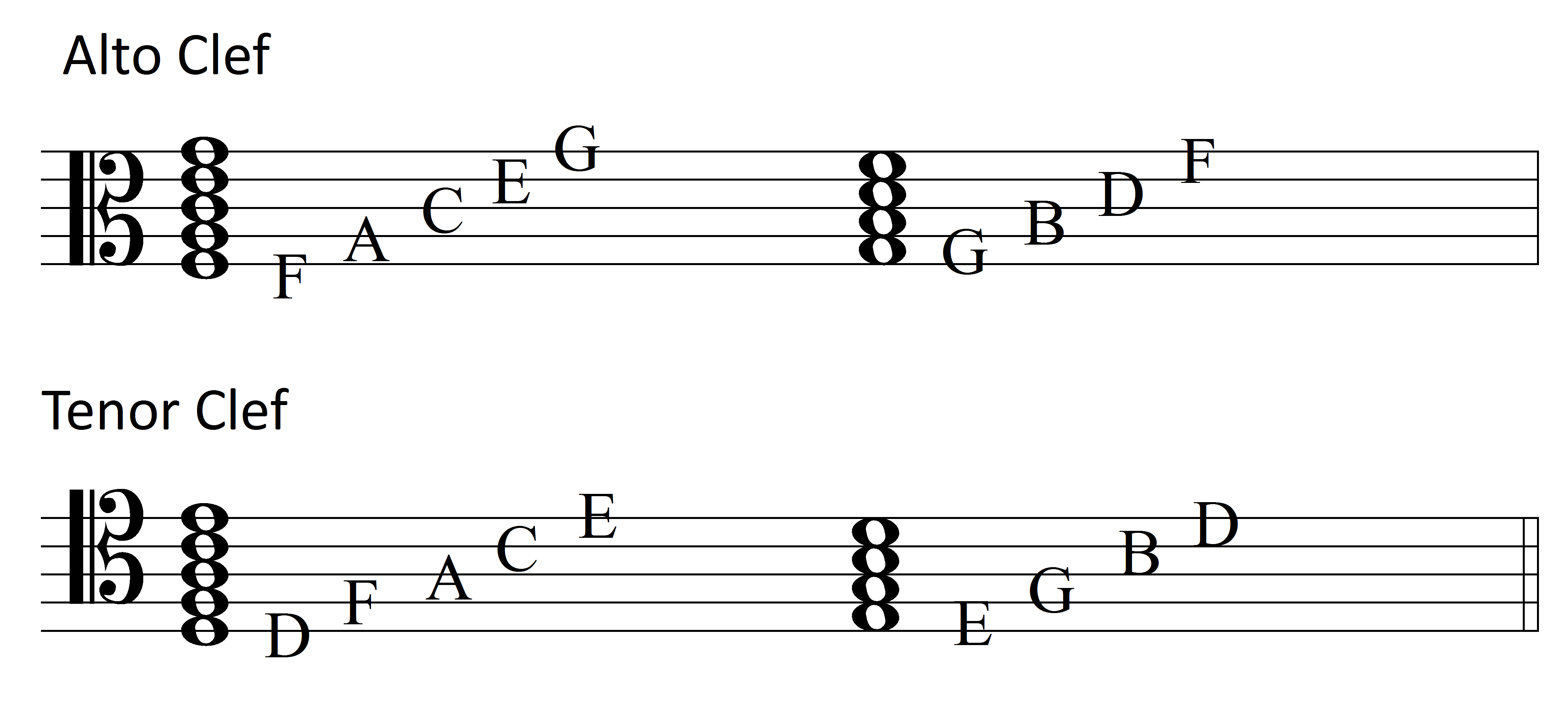
- Labeling and Referencing: When first learning, don’t hesitate to label notes on your music with their letter names until you feel comfortable. Keep a chart of the alto clef handy for quick reference.
The Benefits of Alto Clef Proficiency
Mastering the alto clef opens doors to a wider range of musical repertoire and a deeper understanding of instrumental and vocal writing. For violists, it’s the gateway to reading their primary repertoire with ease and accuracy. For composers and arrangers, it allows for more nuanced and efficient notation. Even for musicians who don’t primarily use the alto clef, understanding it enhances their overall musical literacy, enabling them to better interpret scores and collaborate with musicians who do. In essence, the alto clef, while specialized, is an integral and elegant part of the rich tapestry of musical notation.
aViewFromTheCave is a participant in the Amazon Services LLC Associates Program, an affiliate advertising program designed to provide a means for sites to earn advertising fees by advertising and linking to Amazon.com. Amazon, the Amazon logo, AmazonSupply, and the AmazonSupply logo are trademarks of Amazon.com, Inc. or its affiliates. As an Amazon Associate we earn affiliate commissions from qualifying purchases.