
The academic year is the fundamental framework around which educational institutions organize their teaching, learning, and administrative activities. It’s more than just a series of months; it’s a carefully structured period designed to facilitate the progression of knowledge, the development of skills, and the successful completion of educational programs. Understanding the nuances of the academic year is crucial for students, educators, and administrators alike, as it dictates schedules, curriculum delivery, assessment periods, and ultimately, the journey of learning.
The concept of the academic year is deeply intertwined with the historical development of education and has evolved to meet the diverse needs of modern learning environments. While the general principle remains consistent – a defined period for formal instruction – the specific structures, durations, and names can vary significantly across different countries, educational systems, and even individual institutions. This article will delve into the multifaceted nature of the academic year, exploring its typical components, common variations, and its profound impact on the educational landscape, particularly within the context of higher education.

Understanding the Structure of the Academic Year
The academic year is not a monolithic entity but rather a composite of distinct periods, each serving a specific purpose in the educational cycle. These periods are meticulously planned to ensure a coherent and progressive learning experience for students.
Semesters and Trimesters: The Primary Divisions
The most common ways academic years are divided are into semesters or trimesters. These divisions break down the academic year into manageable blocks of study.
Semesters: A Balanced Approach
A semester, derived from the Latin “sex menses” meaning “six months,” typically refers to two major instructional periods within a single academic year. Most universities operate on a fall semester (often beginning in late August or early September and concluding in December or January) and a spring semester (typically starting in January or February and ending in May or June). This division allows for a substantial period of learning and assessment within each block, followed by a break.
- Fall Semester: This is often the primary intake period for new students, especially in North America. It’s a time of re-acclimation for returning students and the beginning of intensive coursework. The fall semester usually covers a significant portion of the curriculum for a given course or program.
- Spring Semester: Following the winter break, the spring semester continues the academic progression. It’s a period where students might undertake more specialized courses, begin research projects, or prepare for final examinations. The spring semester typically culminates the academic year for many programs.
The semester system is favored for its ability to allow students to delve deeply into subjects, develop a comprehensive understanding, and engage in substantial research or project work. The breaks between semesters provide opportunities for students to rest, reflect, pursue internships, or engage in extracurricular activities.
Trimesters: Accelerated Learning
Alternatively, some institutions adopt a trimester system, dividing the academic year into three approximately equal instructional periods. These are often referred to as fall, winter, and spring trimesters. Each trimester typically lasts around 10-12 weeks. This system allows for a more continuous flow of instruction, with shorter breaks between terms.
- Advantages of Trimesters: The trimester system can offer a faster pace of learning, potentially allowing students to complete their degrees in less time. It can also provide more frequent opportunities for assessment and feedback, which can be beneficial for some learners. Furthermore, it can maximize the utilization of campus facilities and resources throughout the year.
- Disadvantages of Trimesters: The accelerated pace can be demanding for both students and faculty, with less time for in-depth exploration of complex topics or for significant breaks and recuperation. The shorter terms can also make it challenging to fit in extensive research projects or internships that require longer commitments.
Quarters: A Less Common but Distinct Structure
A less common but still utilized structure is the quarter system, which divides the academic year into four periods, typically of 10 weeks each. These are often named fall, winter, spring, and summer quarters. The summer quarter can be optional or mandatory depending on the program and institution.
- Flexibility and Intensity: The quarter system offers a high degree of flexibility, allowing students to take courses in any of the four quarters. It also enables institutions to offer specialized courses or summer programs. However, the intensity of 10-week terms, with shorter breaks, can be demanding. Students often have only a week or two between quarters, with a slightly longer break between the spring and fall quarters.
Beyond the Core: Supplementary Academic Periods
While semesters, trimesters, and quarters form the backbone of the academic year, several other periods and components are integral to the educational experience.
Summer Sessions and Intersessions
Many institutions offer summer sessions or summer school as an optional extension of the academic year. These are shorter periods, typically ranging from a few weeks to a full semester in length, where students can:
- Catch up or get ahead: Students can retake courses they did not perform well in or take additional courses to lighten their load in future regular terms.
- Explore specialized topics: Summer sessions often feature unique courses, workshops, or research opportunities not available during the regular academic year.
- Earn extra credits: This is particularly beneficial for students aiming to graduate early or to pursue dual majors or minors.
Intersessions, often occurring between major terms (e.g., between the fall and spring semesters), are even shorter periods, typically lasting one to three weeks. They are often used for intensive workshops, boot camps, or short, focused courses that offer a different mode of learning.

Holidays and Breaks: Essential for Well-being and Reflection
Crucially, the academic year is punctuated by scheduled holidays and breaks. These periods are essential for the mental and physical well-being of students and faculty, providing time for rest, rejuvenation, and personal pursuits.
- Major Breaks: These include the winter break (typically between the fall and spring semesters, often around Christmas and New Year), spring break (a week-long break, usually in March or April), and the summer break (the longest break, following the spring semester).
- Minor Holidays and Observances: Shorter breaks or days off are also observed for national holidays, religious observances, or institutional breaks.
These breaks are not merely periods of inactivity; they are integral to the learning process, allowing for reflection on acquired knowledge, preparation for upcoming challenges, and the opportunity to engage in activities that foster personal growth.
The Significance and Impact of the Academic Year
The structure and timing of the academic year have far-reaching implications for students, faculty, institutions, and even the broader society.
Student Progression and Academic Planning
The academic year provides a clear roadmap for student progression. It defines when courses are offered, when assignments are due, and when assessments take place.
- Course Sequencing: The academic year dictates the logical sequence of courses within a program. Foundational courses are typically offered in earlier terms, building towards more advanced subjects. This ensures that students acquire the necessary prerequisites before tackling more complex material.
- Degree Completion Timelines: The length and structure of the academic year directly influence how long it takes a student to complete their degree. A student in a semester system might take four years to earn a bachelor’s degree, while a student in a trimester or quarter system, or one who takes summer courses, might be able to complete it in three or three-and-a-half years.
- Extracurricular and Co-curricular Engagement: The academic year’s rhythm also impacts students’ ability to participate in extracurricular activities, internships, and part-time jobs. Breaks and lighter course loads in certain terms might be strategically chosen for these pursuits.
Faculty Teaching Schedules and Research
For faculty, the academic year structures their teaching responsibilities, research commitments, and administrative duties.
- Course Load Management: The division of the academic year helps in distributing teaching loads evenly across terms. Faculty can plan their course offerings, taking into account their research interests and the needs of their departments.
- Research Periods: The breaks within the academic year, particularly the summer break, often provide crucial time for faculty to focus on research, writing, and scholarly pursuits without the immediate demands of teaching.
- Academic Calendar Development: The creation and management of the academic calendar is a significant administrative task, involving coordination between departments, academic support services, and student affairs to ensure a smooth flow of operations.
Institutional Operations and Resource Allocation
Educational institutions rely on the academic year to manage their operational and financial planning.
- Budgeting and Resource Allocation: The academic year dictates periods of high student enrollment and activity, which influences budgeting for staffing, facilities, and student services.
- Admissions and Enrollment Cycles: The academic year is closely tied to admissions cycles. Universities typically have specific application deadlines and enrollment periods that align with the start of each academic term.
- Facility Management: The academic year determines when campus facilities, such as libraries, laboratories, and lecture halls, are in high demand and when they might be used for maintenance or renovations.
Variations in Academic Year Structures
While the core concept of an academic year is universal, its implementation exhibits considerable diversity across the globe and among different types of educational institutions.
International Differences
- North America and Europe: Many countries in North America and parts of Europe predominantly use the semester system, with a strong emphasis on the fall and spring terms.
- Asia and Australia: Some Asian countries and Australia might employ trimester or quarter systems, or variations thereof, often aiming for more continuous academic engagement.
- Southern Hemisphere: Due to differing seasons, academic years in the Southern Hemisphere often begin in February or March and conclude in November or December, with a summer break during the Northern Hemisphere’s winter.
Higher Education vs. K-12
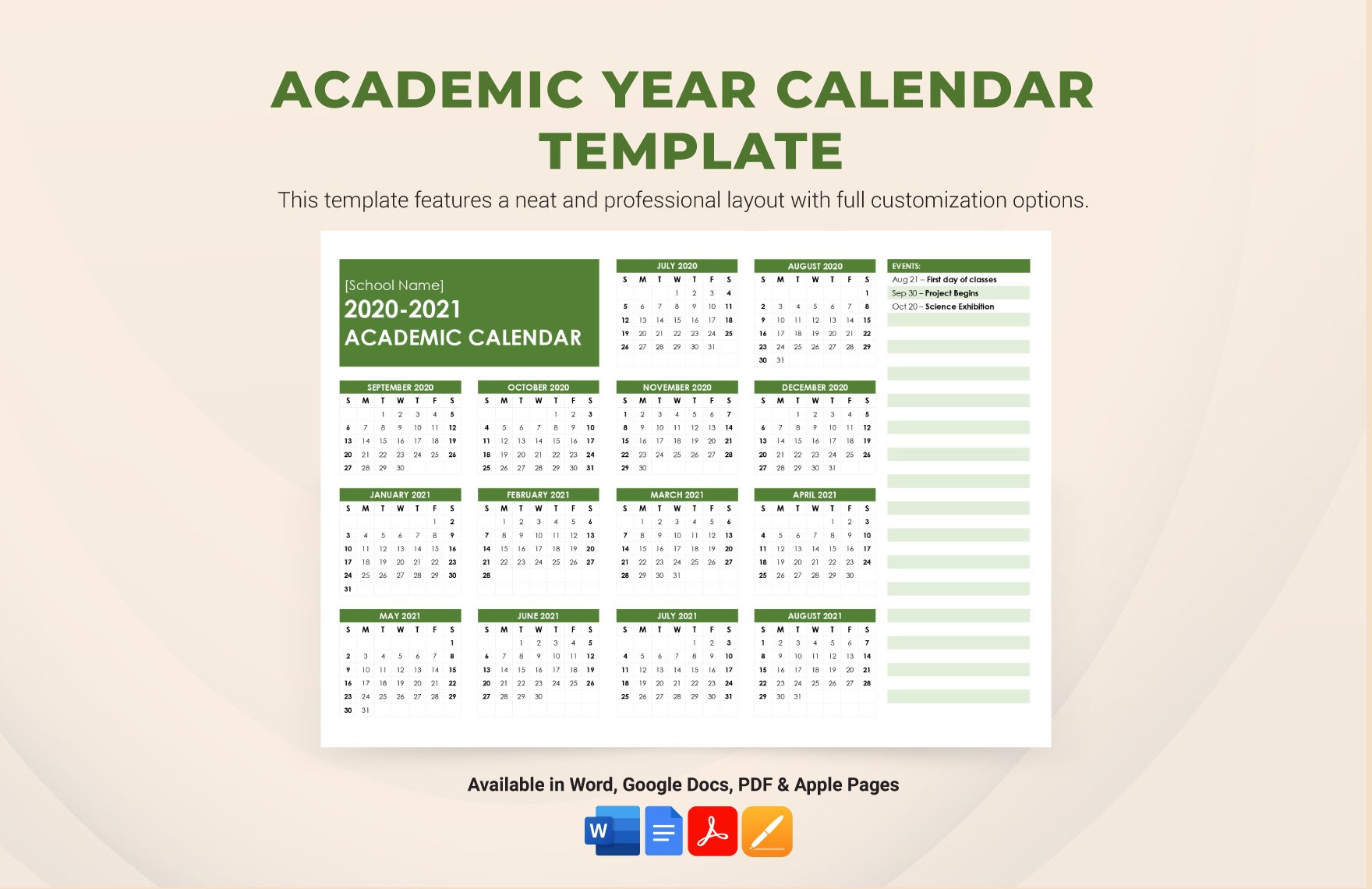
The academic year structure can also differ between higher education and K-12 schooling. K-12 systems often have a more traditional September-to-June structure, with a longer summer break. Higher education, with its diverse program offerings and research demands, often exhibits more flexibility, including the aforementioned semester, trimester, and quarter systems, along with optional summer and intersession terms.
Specialized Institutions and Programs
Certain specialized institutions or programs might have unique academic year structures tailored to their specific needs. For example, professional training programs or executive education courses might operate on condensed schedules or modular formats that deviate from traditional academic year divisions.
In conclusion, the academic year is a fundamental organizational construct that shapes the rhythm of education. Its structure, divisions, and supplementary periods are all designed to facilitate learning, support academic progression, and ensure the efficient operation of educational institutions. Understanding the academic year is not merely an administrative detail but a key element in navigating the educational journey successfully.
aViewFromTheCave is a participant in the Amazon Services LLC Associates Program, an affiliate advertising program designed to provide a means for sites to earn advertising fees by advertising and linking to Amazon.com. Amazon, the Amazon logo, AmazonSupply, and the AmazonSupply logo are trademarks of Amazon.com, Inc. or its affiliates. As an Amazon Associate we earn affiliate commissions from qualifying purchases.