
Abstract photography is a captivating and often misunderstood genre that delves into the realm of visual language beyond literal representation. Instead of aiming to capture a recognizable subject with fidelity, abstract photographers seek to evoke emotions, convey ideas, or explore formal qualities such as color, line, shape, texture, and form. It’s an art form that prioritizes subjective interpretation over objective documentation, inviting the viewer to engage with the image on a deeper, more intuitive level.
This form of photography challenges conventional notions of what a photograph “should be.” It moves away from the familiar landscape, the candid portrait, or the still life, and instead, focuses on the elements and principles of design within the photographic frame. The essence of abstract photography lies in its ability to transform the ordinary into the extraordinary, encouraging us to see the world through a different lens, one that appreciates the beauty of the unconventional.
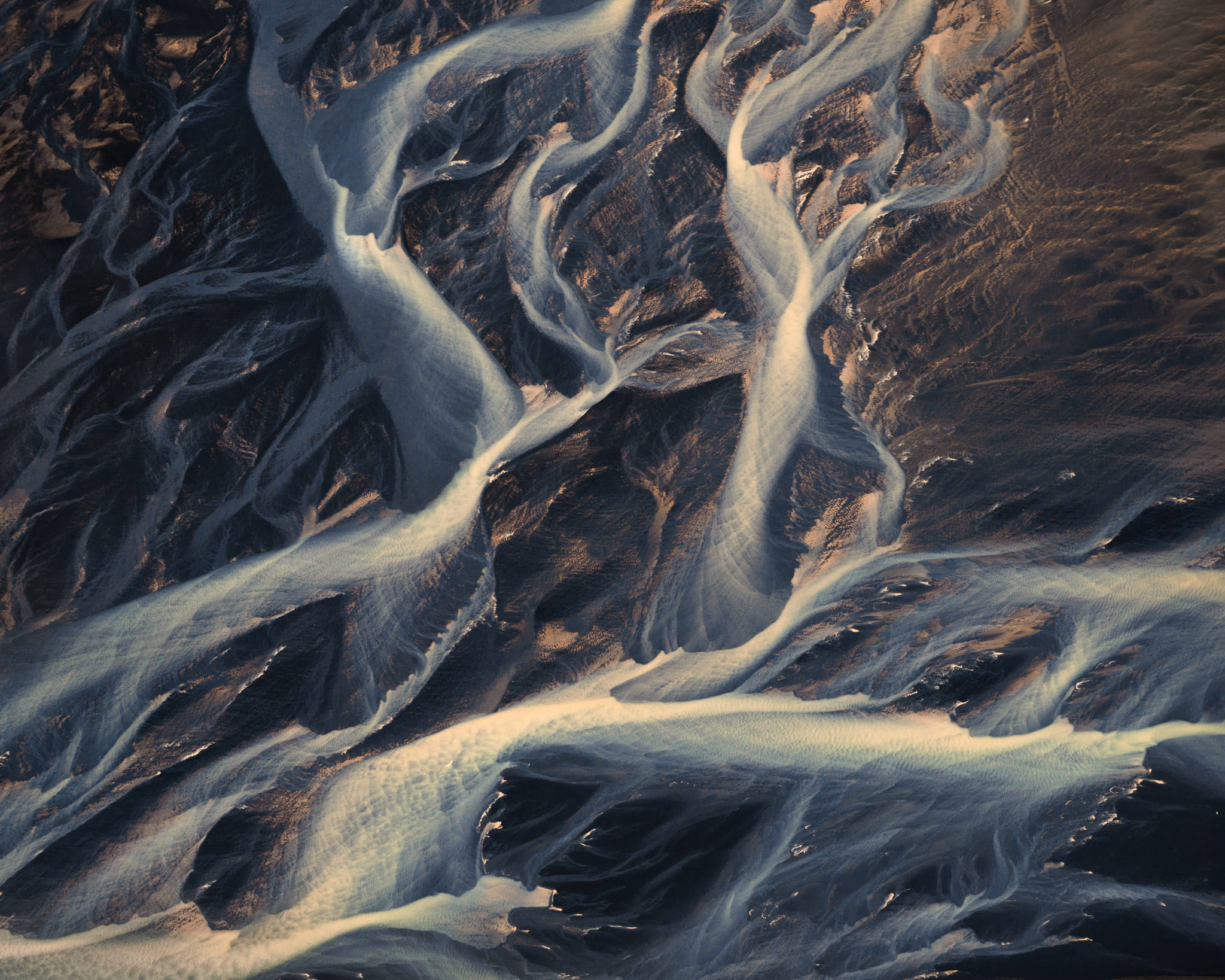
The Core Principles of Abstract Photography
At its heart, abstract photography is about extracting the essence of a subject or scene, stripping away its literal identity to reveal its underlying visual components. This can be achieved through various techniques, both in-camera and in post-processing. The focus shifts from “what” is being photographed to “how” it is being presented.
Deconstructing the Visual Language
Abstract photographers are keen observers of the world, noticing the interplay of light and shadow, the textures of surfaces, the patterns created by natural or man-made elements, and the dynamic relationships between shapes and colors. They often look for:
- Line and Form: The way lines converge, diverge, or create boundaries. The interplay of geometric or organic forms, their weight, and their spatial relationships.
- Color and Tone: The emotional impact of color palettes, the subtle gradations of tone, and the contrast between light and dark.
- Texture and Pattern: The tactile qualities of surfaces, the repetition of elements to create visual rhythms, and the unexpected beauty in everyday textures.
- Light and Shadow: The dramatic effects of light, the creation of mood through shadows, and the way light can sculpt and define forms.
The goal is not to present these elements in isolation but to arrange them in a way that creates a compelling visual experience. This often involves deliberate choices about composition, perspective, and framing.
Intentional Abstraction vs. Accidental Abstraction
It’s important to distinguish between intentional abstract photography and accidental abstraction. While a blurry image of a distant object might appear abstract, true abstract photography is born from a deliberate artistic vision. The photographer consciously chooses to manipulate the elements of the scene or to isolate specific visual aspects to create a desired effect. This intent guides the creative process and ensures that the resulting image is more than just a happy accident.
This intentionality can manifest in various ways:
- Focusing on Details: Zooming in on intricate patterns or textures that would be overlooked in a wider view.
- Manipulating Light: Using harsh lighting to create strong contrasts or soft lighting to evoke a sense of mystery.
- Altering Perspective: Shooting from unusual angles or close-ups to distort familiar forms.
- Motion and Blur: Using intentional camera movement or long exposures to create streaking lines and ethereal forms.
Techniques for Creating Abstract Photographs
The creation of abstract photography is a playground for experimentation. Photographers employ a range of techniques, both traditional and digital, to achieve their desired visual outcomes. These techniques can be applied in-camera, during post-processing, or a combination of both.
In-Camera Techniques
Many abstract photographic effects can be achieved directly through careful manipulation of camera settings and shooting conditions.
Deliberate Focus and Depth of Field
- Shallow Depth of Field: By using a wide aperture (low f-number), photographers can isolate a specific element while rendering the background and foreground out of focus, creating a dreamy or ethereal effect. This can highlight textures, colors, or shapes in a unique way.
- Selective Focus: Intentionally focusing on a particular part of a scene, even if it’s not the most obvious subject, can draw the viewer’s attention to unexpected details and create a sense of depth and dimension.
- Extreme Close-Ups (Macro Photography): Exploring the intricate details of everyday objects at a very close range can reveal abstract patterns and textures that are invisible to the naked eye. Think of the patterns in a leaf, the surface of a fabric, or the crystalline structure of salt.
Motion and Exposure Manipulation
- Long Exposures: Capturing movement over a period of time can transform dynamic scenes into flowing lines and ethereal shapes. This is particularly effective for capturing the movement of water, clouds, or light trails from vehicles.
- Intentional Camera Movement (ICM): While holding the shutter open, photographers can deliberately move the camera (panning, tilting, zooming) to create streaks of color and form. This technique is highly intuitive and can result in a wide range of painterly effects.
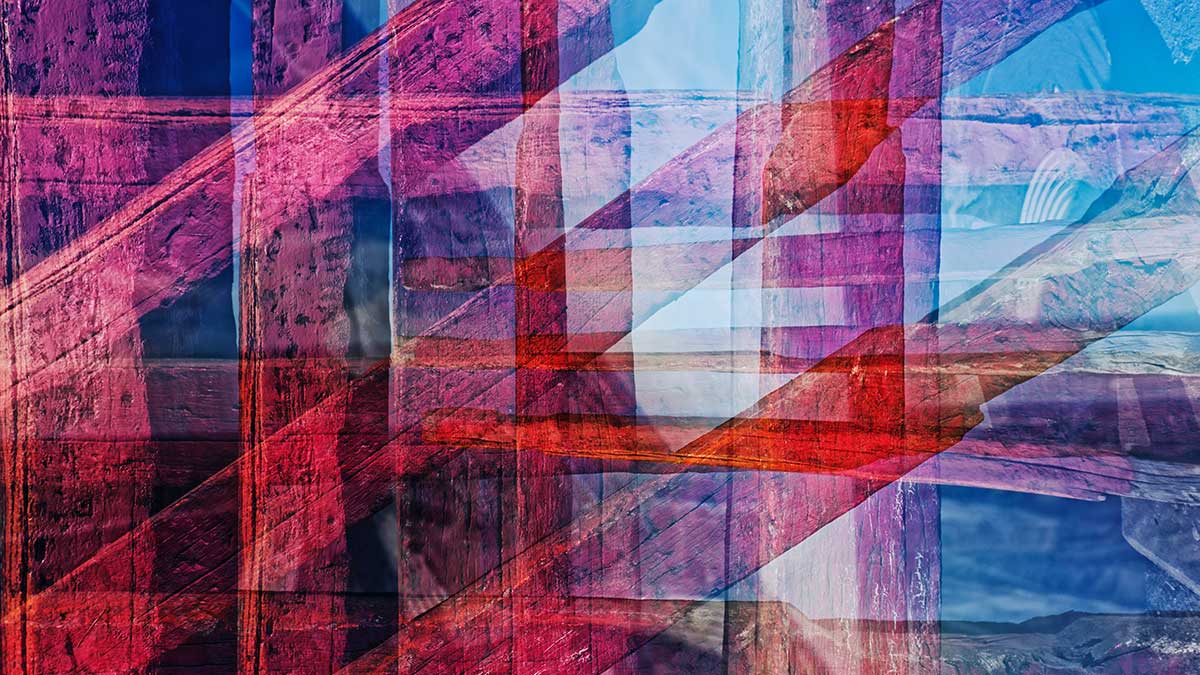
- Multiple Exposures: Layering multiple images on top of each other can create complex and surreal compositions, blending different forms and colors into a single, unified abstract artwork.
Light and Shadow Play
- Silhouettes: By exposing for the bright background, subjects can be reduced to their outlines, emphasizing their shapes and forms against a luminous backdrop.
- Backlighting: Shining light from behind a subject can create dramatic halos, highlight translucent qualities, and emphasize textures.
- High Contrast and Dramatic Lighting: Using harsh light sources to create deep shadows and bright highlights can simplify forms and emphasize their three-dimensionality.
Post-Processing Techniques
Digital editing software provides a powerful toolkit for further abstracting and manipulating photographic images.
Color and Tone Adjustments
- Color Grading: Experimenting with color shifts, saturating or desaturating specific hues, and creating monochromatic or duotone images can drastically alter the mood and impact of a photograph.
- Black and White Conversion: Removing color can force the viewer to focus on form, texture, and contrast, often revealing abstract qualities that were less apparent in the color version.
- Contrast and Brightness Manipulation: Exaggerating contrast can create stark, graphic compositions, while subtle adjustments to brightness can reveal hidden details or create a sense of depth.
Geometric and Pattern Manipulation
- Cropping and Framing: Ruthlessly cropping an image to isolate specific elements, patterns, or lines can transform a recognizable scene into an abstract composition.
- Layering and Blending: Combining multiple images, adjusting their opacities, and using blending modes can create entirely new visual realities.
- Digital Brushes and Textures: Applying digital brushes or overlaying textures can add painterly qualities or introduce new patterns and visual noise.
- Distortion and Transformation: Using tools to warp, stretch, or distort images can create surreal and unexpected forms.
The Subjectivity and Interpretation of Abstract Photography
One of the most compelling aspects of abstract photography is its inherent subjectivity. Unlike documentary photography, which aims to convey factual information, abstract photography invites a multitude of interpretations. The artist’s intent is to provoke a response, to stimulate thought, and to evoke a feeling, but the viewer’s personal experiences, cultural background, and emotional state will inevitably shape their perception of the artwork.
Bridging the Gap Between Artist and Viewer
When viewing an abstract photograph, the viewer is not presented with a clear narrative or an easily identifiable subject. Instead, they are invited to engage with the visual elements on a more primal level. The vibrant color might evoke joy or anxiety, the harsh lines might suggest tension or order, and the soft textures might bring a sense of calm or unease.
This lack of explicit definition can be both a challenge and a reward. Some viewers might find abstract photography confusing or inaccessible, while others find it deeply engaging and liberating. The beauty lies in the freedom to connect with the image on a personal level, to project one’s own emotions and thoughts onto the visual stimulus.
The Role of Titles and Artist Statements
While the visual elements are paramount, the title of an abstract photograph and any accompanying artist statement can provide valuable context and guidance for the viewer. A title can offer a hint towards the artist’s intention or a starting point for interpretation, without dictating a single meaning. For example, a title like “Echoes of the City” might suggest a mood or a feeling related to urban life, even if the image itself doesn’t depict recognizable buildings or streets.
An artist statement can further elaborate on the themes, techniques, or inspirations behind the work. It can offer insights into the artist’s thought process, helping to bridge the gap between their vision and the viewer’s understanding. However, even with these aids, the ultimate interpretation remains with the individual observer.
Abstract Photography as a Form of Emotional Expression
Ultimately, abstract photography is a powerful form of emotional expression for the artist and a potent conduit for emotional experience for the viewer. It allows photographers to translate their inner world, their feelings, and their perceptions into a visual language that transcends the limitations of literal representation. It encourages us to look beyond the surface and to appreciate the beauty and complexity that exist in the abstract, in the intangible, and in the realm of pure visual sensation.
The Impact and Significance of Abstract Photography
Abstract photography, while not always as immediately accessible as more representational genres, holds significant artistic and perceptual value. It pushes the boundaries of photographic expression, challenges viewers’ expectations, and offers a unique way of experiencing the world.
Expanding the Definition of Photography
Historically, photography was often viewed as a medium for documentation and realism. Abstract photography has played a crucial role in challenging this perception and establishing photography as a legitimate and versatile art form capable of conveying complex ideas and emotions in non-literal ways. By moving beyond mere representation, abstract photographers have broadened the scope of what a photograph can be and what it can achieve.
This genre encourages a deeper appreciation for the formal qualities of an image – its composition, its color palette, its textures, and its lines. It teaches us to see the world not just for what it is, but for how it can be visually interpreted and transformed.
Fostering Visual Literacy and Creative Thinking
Engaging with abstract photography can enhance visual literacy and stimulate creative thinking in viewers. When confronted with images that don’t offer straightforward answers, we are encouraged to look closer, to analyze, and to make our own connections. This process of active interpretation hones our ability to perceive nuance, to understand visual cues, and to develop our own unique perspectives.
For aspiring photographers, studying abstract principles can be an invaluable exercise. It teaches them to deconstruct scenes, to identify compelling visual elements, and to experiment with different approaches to composition and technique. This foundational understanding can then be applied to any genre of photography, enriching their overall artistic vision.

A Timeless Exploration of Form and Emotion
The appeal of abstract photography is enduring because it taps into fundamental human experiences. Color, shape, and line are universal visual languages that can evoke a wide range of emotions and associations. Whether it’s the dynamic energy of bold lines, the serenity of soft gradients, or the tension created by contrasting forms, abstract photography offers a rich and varied landscape for exploration.
As technology continues to evolve, the possibilities for creating abstract photography will only expand. From sophisticated digital manipulation tools to innovative in-camera techniques, photographers have an ever-growing arsenal at their disposal. Yet, at its core, abstract photography remains a deeply personal and subjective art form, a testament to the power of vision and the boundless potential of the photographic medium to capture the essence of our experiences and perceptions. It encourages us to look beyond the obvious, to embrace ambiguity, and to find beauty in the unexpected.
aViewFromTheCave is a participant in the Amazon Services LLC Associates Program, an affiliate advertising program designed to provide a means for sites to earn advertising fees by advertising and linking to Amazon.com. Amazon, the Amazon logo, AmazonSupply, and the AmazonSupply logo are trademarks of Amazon.com, Inc. or its affiliates. As an Amazon Associate we earn affiliate commissions from qualifying purchases.