
Acne is a universally experienced, yet highly individualized skin condition. While the desire to understand “what type of acne do I have?” is a common starting point, the path to effective treatment is often paved with accurate self-assessment. In the digital age, technology offers an unprecedented arsenal of tools and methodologies to help individuals pinpoint their specific acne type and subsequently explore tailored solutions. This article delves into how technology, from AI-powered diagnostic tools to data-driven skincare regimens, can empower you to effectively answer that crucial question and embark on a journey towards clearer, healthier skin.
The Technological Revolution in Acne Diagnosis
Gone are the days when a dermatologist’s visit was the sole recourse for identifying acne types. While professional consultation remains invaluable, a burgeoning landscape of technological innovations is democratizing access to accurate self-diagnosis. These tools leverage advancements in machine learning, image recognition, and user data to provide insights that were previously unattainable outside a clinical setting.
AI-Powered Skin Analysis Apps
The advent of sophisticated algorithms has given rise to a new breed of mobile applications designed to analyze skin conditions. These apps typically work by having users upload high-resolution photos of their affected areas. Through advanced image recognition and machine learning models trained on vast datasets of dermatological images, these applications can identify patterns and characteristics indicative of various acne types.
- How it Works: Users are guided through a process of capturing clear, well-lit images of their face, often from different angles. The AI then analyzes factors such as lesion morphology (e.g., papules, pustules, nodules, cysts), their distribution, the presence of blackheads and whiteheads, and even subtle indicators like redness and inflammation.
- Benefits: These apps offer immediate, accessible feedback. They can provide a preliminary categorization of acne, distinguishing between common forms like comedonal acne (blackheads and whiteheads), inflammatory acne (papules and pustules), and more severe cystic or nodular acne. Furthermore, some applications can track the progression of acne over time, allowing for a more dynamic understanding of the condition.
- Limitations and Ethical Considerations: It’s crucial to acknowledge that these AI tools are diagnostic aids, not replacements for professional medical advice. Accuracy can vary depending on image quality, lighting, and the sophistication of the algorithm. Users should exercise caution and cross-reference findings with reliable sources or consult a dermatologist for definitive diagnosis and treatment plans. Privacy concerns regarding the uploading of personal health data also warrant careful consideration, and users should always opt for reputable apps with robust data protection policies.
Smart Skincare Devices and Wearables
Beyond mobile applications, a growing category of smart skincare devices and wearables are emerging that contribute to a more data-driven approach to understanding and managing acne. These devices often integrate with companion apps to collect and analyze user-specific data, providing personalized insights.
- In-Home Skin Analyzers: Handheld devices, often equipped with high-magnification cameras and sensors, can provide more detailed analysis than smartphone cameras alone. These devices can measure skin hydration, oiliness, pore size, and even detect early signs of inflammation. By correlating these metrics with user-reported acne breakouts, individuals can gain a deeper understanding of the environmental and behavioral factors that might be contributing to their specific acne type.
- Wearable Technology and Biomarkers: While still in nascent stages for direct acne diagnosis, wearable technology holds potential for indirect insights. Devices that monitor stress levels, sleep patterns, and even hormonal fluctuations could, in the future, be integrated into comprehensive acne assessment platforms. For example, consistent elevated stress markers might correlate with increased inflammatory acne, providing a clue to its underlying triggers.
- Data Integration for Holistic Understanding: The true power of these devices lies in their ability to integrate data. A smart skincare device might identify increased sebum production, while a wearable tracks stress. When combined with user-inputted diet and lifestyle information, this multi-faceted data can paint a more complete picture of an individual’s unique acne profile, helping them to identify patterns they might otherwise miss.
Decoding Acne Types Through Technological Lenses
The ultimate goal of utilizing these technological tools is to accurately identify your specific acne type. Understanding these categories allows for more targeted and effective treatment strategies. Technology can help differentiate between the various presentations of acne, moving beyond a generalized “breakout” to a precise classification.
Comedonal Acne: The Foundation of Blocked Pores
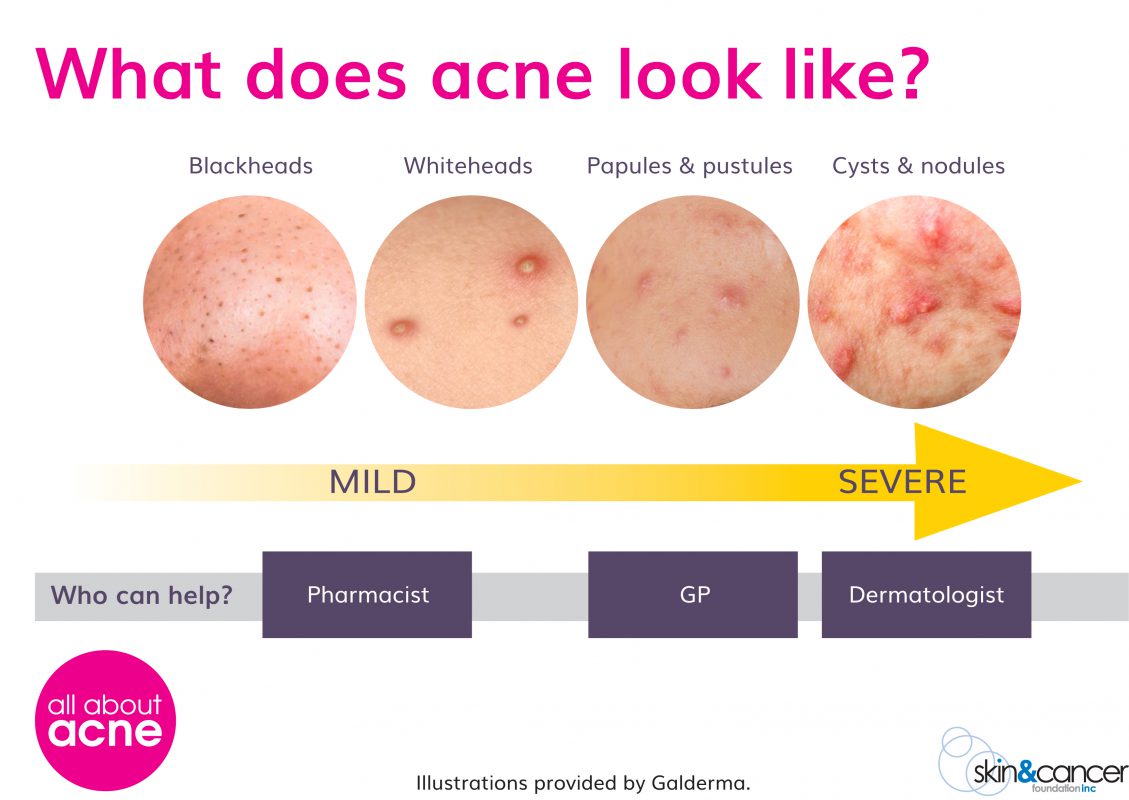
Comedonal acne is characterized by non-inflammatory clogged pores. These can manifest as open comedones (blackheads) or closed comedones (whiteheads). Technological tools are adept at identifying the characteristic appearance and texture of these lesions.
- Visual Identification: AI algorithms excel at distinguishing the distinct visual cues of blackheads (open pores filled with oxidized sebum) and whiteheads (closed pores with trapped sebum and dead skin cells). High-resolution imaging from apps and smart devices can magnify these pores, making them easier to classify.
- Texture and Distribution Analysis: Beyond just visual appearance, some advanced systems can analyze the subtle texture of the skin and the distribution patterns of comedones. This can help differentiate between generalized comedonal acne and areas where it might be more prevalent, potentially indicating underlying factors like friction or product sensitivity.
- Tracking Treatment Efficacy: For individuals using treatments aimed at unclogging pores, technological tools can be invaluable for tracking progress. By regularly analyzing images, users can objectively observe the reduction in blackheads and whiteheads, allowing them to assess the effectiveness of their chosen regimen.
Inflammatory Acne: Papules, Pustules, and Beyond
Inflammatory acne is a step up from comedonal acne, involving redness, swelling, and the presence of pus. This category encompasses papules (small, red bumps) and pustules (papules with visible pus).
- Distinguishing Lesion Types: Technological analysis can differentiate between the raised, red papules and the characteristic white or yellowish centers of pustules. Image recognition algorithms are trained to identify the inflammatory markers, such as erythema (redness) and the presence of a palpable lesion.
- Severity Assessment: While not a substitute for medical diagnosis, AI can offer a preliminary assessment of the severity of inflammatory acne by counting the number of lesions and evaluating their size and intensity of inflammation. This can help individuals understand if their acne leans towards mild, moderate, or severe inflammatory presentations.
- Monitoring Inflammation Levels: For individuals prone to significant inflammation, certain smart devices might incorporate sensors that can detect subtle changes in skin temperature or redness. While not a direct measure of acne type, these readings, when correlated with visible breakouts, can provide further insights into the inflammatory component of their acne.
Cystic and Nodular Acne: The Deeper, More Severe Forms
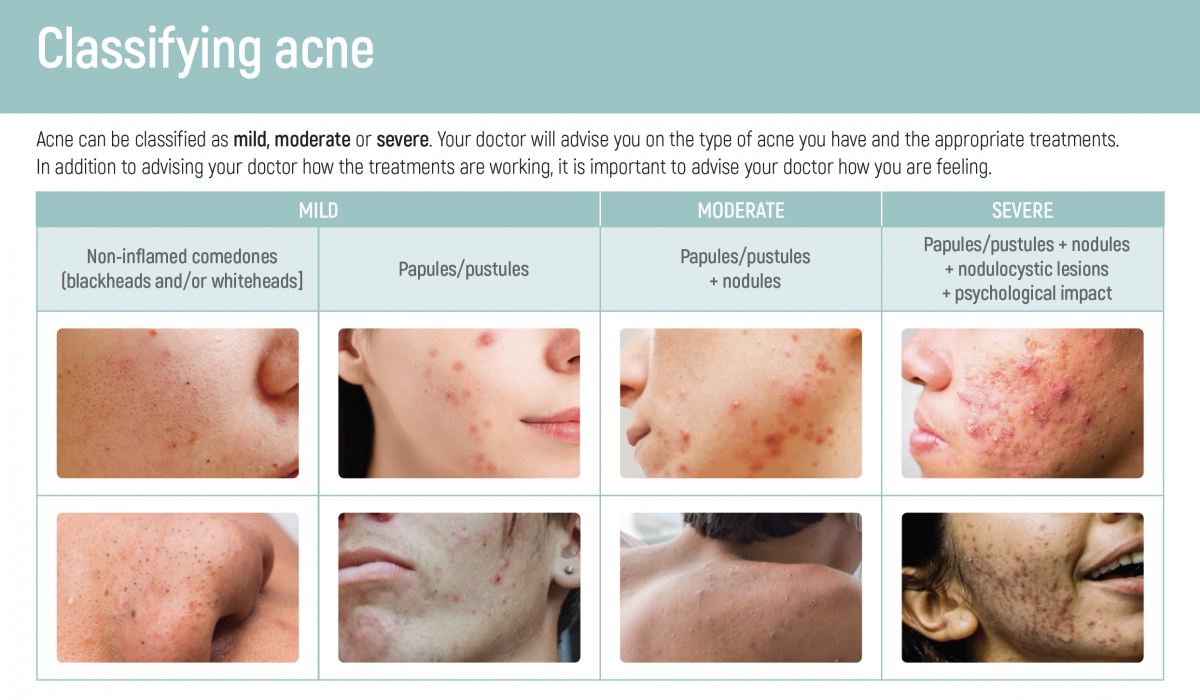
Cystic and nodular acne are the most severe forms, characterized by large, deep, painful lumps beneath the skin’s surface. These are often difficult to self-diagnose accurately without professional guidance, but technology can still offer preliminary insights and aid in monitoring.
- Identifying Subsurface Lesions: While difficult to see directly, advanced imaging and AI analysis may be able to detect the underlying pressure and inflammation associated with cystic and nodular acne. These tools might flag areas that appear significantly raised or discolored beneath the surface.
- Tracking Pain and Swelling: Users can often input subjective data about pain and swelling associated with their breakouts. When combined with visual analysis, this subjective information can help reinforce the potential identification of deeper, more inflammatory lesions.
- Crucial Need for Professional Consultation: It is paramount to emphasize that for suspected cystic or nodular acne, a professional dermatological consultation is non-negotiable. Technology can serve as an initial indicator, prompting the user to seek expert medical advice for accurate diagnosis and appropriate treatment, which often involves prescription medications.
Leveraging Tech for Personalized Acne Management Strategies
Once you have a better understanding of your acne type, technology can then be harnessed to develop and refine personalized management strategies, moving beyond generic advice to data-driven solutions.
AI-Driven Skincare Recommendations
Many advanced skincare apps and platforms are now incorporating AI to provide personalized product recommendations and routine suggestions.
- Product Matching Based on Acne Type and Skin Concerns: By analyzing your identified acne type, skin concerns (e.g., oiliness, dryness, sensitivity), and even ingredient preferences, AI can suggest specific cleansers, treatments, and moisturizers that are most likely to be effective and safe for your skin.
- Routine Optimization: Based on your daily habits, environmental factors, and the response of your skin to different products, AI can help optimize your skincare routine. This might include suggesting the best times to apply certain treatments or recommending adjustments based on seasonal changes or stress levels.
- Ingredient Analysis and Education: Some platforms offer tools to analyze ingredient lists of skincare products, identifying potential irritants or beneficial components for your specific acne type. This empowers users to make more informed purchasing decisions.
Data-Driven Lifestyle and Environmental Tracking
Your environment and lifestyle play a significant role in acne. Technology can help you track and understand these influences.
- Acne Trigger Identification: By logging factors such as diet, sleep quality, stress levels, exercise, and even the weather, users can, over time, identify potential triggers for their breakouts. Apps that integrate with health trackers can automate some of this data collection.
- Environmental Monitoring: While not directly for acne diagnosis, certain smart home devices (e.g., air quality monitors) can provide data that, when correlated with skin health, might reveal environmental factors influencing acne. For instance, consistently high levels of certain pollutants could be a contributing factor for some individuals.
- Personalized Intervention Strategies: Once triggers are identified, technology can help implement personalized intervention strategies. This could range from setting reminders for stress-reducing activities to suggesting dietary adjustments based on logged food sensitivities.
The Future of Acne Management: Predictive and Proactive Tech
The evolution of technology in skincare is moving towards a more predictive and proactive approach. Instead of solely reacting to breakouts, future innovations aim to anticipate and prevent them.
Predictive Analytics for Breakout Forecasting
As AI models become more sophisticated and gather more user data, the potential for predictive analytics in acne management is immense.
- Forecasting Acne Flare-ups: By analyzing historical data, individual skin metrics, and environmental factors, AI could potentially forecast periods of increased acne activity, allowing users to take preventative measures.
- Personalized Prevention Protocols: Based on these predictions, users could receive tailored advice on modifying their routine or lifestyle to mitigate impending breakouts. This might involve adjusting their skincare regimen or implementing specific stress-management techniques.

Virtual Dermatology and Telehealth Integration
The increasing integration of telehealth services is revolutionizing access to dermatological care, further enhanced by technological diagnostic tools.
- Remote Skin Assessments: Patients can utilize high-quality images and videos, often captured with the aid of specialized apps or devices, for remote consultations with dermatologists. This allows for a more informed initial assessment and diagnosis.
- Continuous Monitoring and Adjustments: Telehealth platforms, combined with ongoing data from personal skincare devices, enable dermatologists to monitor treatment progress remotely and make timely adjustments to prescriptions and recommendations.
In conclusion, the question of “what type of acne do I have?” is no longer a barrier to informed action. The rapid advancements in technology, from sophisticated AI diagnostic tools to integrated data-tracking devices, are empowering individuals with unprecedented insights into their skin. By embracing these technological innovations, users can move beyond guesswork, achieve a more accurate understanding of their unique acne profile, and embark on a personalized journey towards achieving clearer, healthier skin. The future of acne management is here, and it’s driven by intelligent technology.
aViewFromTheCave is a participant in the Amazon Services LLC Associates Program, an affiliate advertising program designed to provide a means for sites to earn advertising fees by advertising and linking to Amazon.com. Amazon, the Amazon logo, AmazonSupply, and the AmazonSupply logo are trademarks of Amazon.com, Inc. or its affiliates. As an Amazon Associate we earn affiliate commissions from qualifying purchases.