
The humble wine cooler, once a niche appliance for the serious oenophile, has become a more accessible and increasingly sophisticated gadget. As the technology behind these units evolves, so does our understanding of their optimal performance. But beyond simply keeping your bottles chilled, what is the ideal temperature setting for a wine cooler? This question delves into the intersection of technology, preservation science, and the enjoyment of wine, a perfect fit for the Tech category. Understanding the nuances of temperature control within these appliances is crucial for safeguarding your investment, enhancing flavor profiles, and unlocking the full potential of your wine collection, whether it’s for immediate enjoyment or long-term aging.

The Science of Wine Preservation: Temperature’s Critical Role
Wine is a dynamic, living entity. Its delicate balance of acids, tannins, sugars, and alcohol is highly susceptible to environmental factors, with temperature being paramount. Fluctuations, as much as extreme heat or cold, can wreak havoc on its complex chemistry. This section will explore the scientific basis for optimal wine cooler temperatures, examining how different temperature ranges impact the aging process and flavor development.
Understanding the Impact of Heat
Heat is wine’s most significant enemy. Elevated temperatures accelerate chemical reactions within the wine, leading to premature aging. This can manifest in several undesirable ways:
- Oxidation Acceleration: Heat increases the rate of oxidation, which can lead to a loss of fresh fruit aromas, the development of sherry-like or nutty notes prematurely, and a browning of the wine’s color. For red wines, this might appear as a loss of vibrancy, while white wines can become dull and lose their crispness.
- “Cooked” Flavors: Prolonged exposure to high temperatures can “cook” the wine, resulting in flavors reminiscent of stewed fruits, raisins, or even burnt sugar. This is particularly detrimental to delicate aromatic profiles of white wines and the nuanced fruit notes of fine reds.
- Cork Degradation: Extreme heat can cause the cork to expand and contract, compromising its seal. This leads to increased oxygen ingress and potential leakage, further accelerating spoilage.
- Sulfites’ Effectiveness Reduction: The sulfites added to wine act as antioxidants and antimicrobials. Heat diminishes their effectiveness, leaving the wine more vulnerable to spoilage.
The Risks of Excessive Cold
While heat is generally more damaging, excessively cold temperatures also pose risks:
- Chilling Damage: Temperatures consistently below 40°F (4°C) can be harmful, especially for wines intended for aging. While not as immediately destructive as heat, prolonged exposure to such cold can lead to the precipitation of tartrates, harmless crystalline deposits that can affect clarity. More importantly, it can inhibit the natural, slow evolution of complex flavors that aging wine undergoes.
- Cork Shrinkage and Seal Compromise: Freezing temperatures can cause the liquid to expand, pushing the cork out or even cracking the bottle. Even temperatures just below the freezing point can cause the cork to shrink, compromising the seal and allowing oxygen to enter.
- Flavor “Dulling”: Similar to how refrigerating food can dull its flavors, extremely cold temperatures can suppress the aromatic compounds and complex flavor profiles of wine, making them less expressive and enjoyable.
The “Sweet Spot”: Ideal Temperature Ranges for Wine Storage
Based on the scientific principles outlined above, the consensus among wine experts and appliance manufacturers points to a specific temperature range for optimal wine storage and aging. This range balances the need for slow, controlled aging with the prevention of spoilage.
-
The Ideal Aging Temperature: For most wines intended for long-term aging (beyond a few years), the ideal temperature is consistently between 50°F and 57°F (10°C and 14°C). Within this range, chemical reactions proceed at a slow, controlled pace, allowing complex flavors and aromas to develop harmoniously over time. This is often referred to as “cellar temperature.”
-
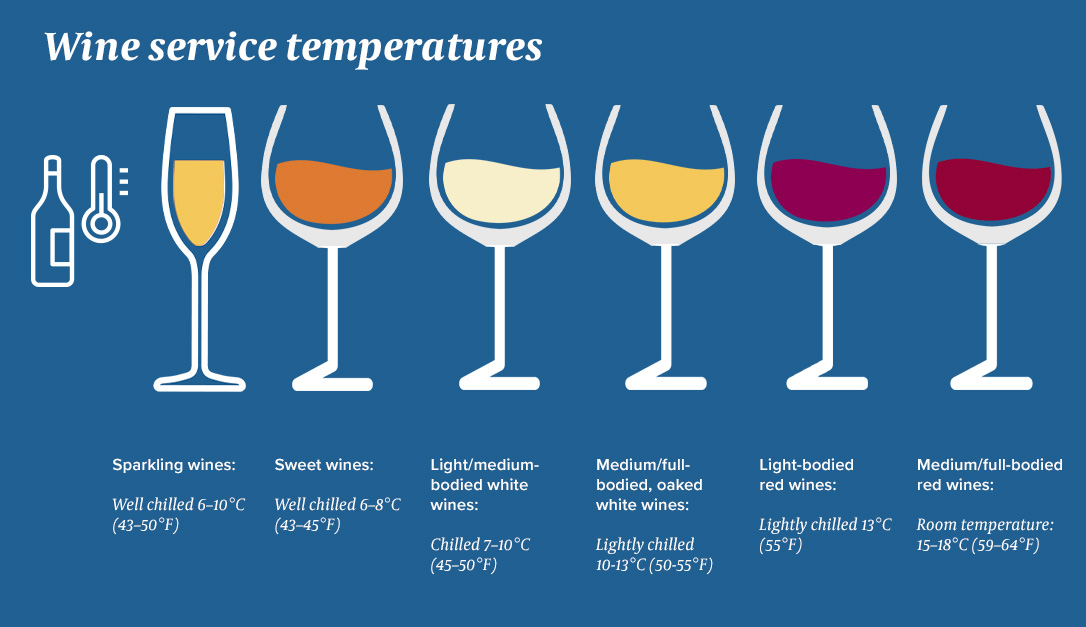
Serving Temperatures vs. Storage Temperatures: It’s crucial to distinguish between storage temperature and serving temperature. While the ideal storage temperature for aging is cooler, wines are often best served at slightly different temperatures depending on their type. For example:
- Sparkling Wines & Light Whites: 40-50°F (4-10°C)
- Full-Bodied Whites & Rosés: 45-55°F (7-13°C)
- Light-Bodied Reds: 50-60°F (10-16°C)
- Medium to Full-Bodied Reds: 55-65°F (13-18°C)
Wine coolers designed for preservation often allow for dual-zone temperature control to accommodate both aging and ready-to-serve needs.
Wine Cooler Technology: Features for Optimal Temperature Management
Modern wine coolers are sophisticated appliances employing various technological advancements to achieve and maintain precise temperature control. Beyond simple cooling, these features ensure stability, prevent fluctuations, and offer user-friendly customization.
Precision Cooling Systems
The heart of any wine cooler is its cooling system. While older models might have relied on less precise thermoelectric cooling, newer, more advanced units often utilize:
- Vibration-Free Compressors: Unlike standard refrigerators, high-end wine coolers use specialized compressors that are designed to minimize vibrations. Vibrations can disturb the sediment in aging wines and potentially negatively impact their development. These quiet, low-vibration compressors ensure a stable environment.
- Digital Temperature Controls and Thermostats: Gone are the days of imprecise dials. Modern wine coolers feature digital displays and thermostats that allow for incredibly accurate temperature setting, typically in one-degree increments. This precision is vital for maintaining that narrow ideal aging range.
- Active Air Circulation: To prevent temperature stratification (where one part of the cooler is warmer than another), many units incorporate internal fans. These fans gently circulate the air, ensuring a uniform temperature throughout the cabinet, which is critical for consistent aging across all your bottles.
- Humidity Control: While not directly temperature, humidity plays a supporting role in preservation. Many advanced wine coolers offer some level of humidity control, typically between 50% and 70%. This prevents corks from drying out, which can lead to a compromised seal and oxidation. This feature works in conjunction with temperature to create an optimal microclimate.
Dual-Zone and Multi-Zone Technology
For collectors who enjoy both aging wines and having a selection ready to serve at their ideal temperature, dual-zone (or even multi-zone) wine coolers are a game-changer.
- Independent Climate Control: These units allow you to set different temperature zones within a single appliance. Typically, one zone is set to the ideal aging temperature (around 55°F/13°C), while another is set to a cooler serving temperature for whites and rosés (around 45°F/7°C), or perhaps a slightly warmer temperature for reds.
- Maximizing Storage and Versatility: This technology is incredibly efficient, allowing you to store a diverse collection without needing multiple appliances. It caters to both the long-term custodian of fine wines and the host who enjoys immediate enjoyment of different varietals.
- Sensor Technology: Advanced dual-zone coolers often employ multiple temperature sensors to monitor and adjust each zone independently, ensuring that the set temperatures are maintained accurately and consistently.
Advanced Monitoring and Connectivity
The evolution of smart home technology has also touched the wine cooler market.
- Internal Temperature Sensors: Beyond basic thermostats, some high-end models feature multiple internal sensors that provide real-time data on temperature and humidity, displayed on a digital interface or even sent to your smartphone.
- Connectivity and App Control: The most advanced wine coolers are now “smart appliances.” They can connect to your home Wi-Fi network, allowing you to monitor and adjust temperatures remotely via a dedicated mobile app. These apps can also provide alerts if the temperature deviates significantly from the set point, offering peace of mind when you’re away from home.
- Inventory Management: Some smart wine coolers integrate with wine inventory apps, allowing you to log your collection and even receive reminders for optimal drinking windows, further enhancing the technological benefit.
Setting Up and Maintaining Your Wine Cooler for Peak Performance
Purchasing a high-quality wine cooler is only the first step. Proper setup and consistent maintenance are crucial to ensure it operates at peak performance and effectively preserves your wine. This section focuses on the practical aspects of getting the most out of your investment.
Initial Setup and Calibration
Upon receiving your wine cooler, it’s important to follow the manufacturer’s instructions for initial setup.
- Placement is Key: Choose a location that is away from direct sunlight, heat sources (like ovens or radiators), and excessive humidity. Extreme external temperatures can put a strain on the cooling system and compromise its ability to maintain the internal set point. Ensure adequate ventilation around the unit as per the manual’s guidelines to prevent overheating.
- Allowing for Stabilization: Before loading your wine, allow the cooler to run empty for at least 24 hours. This allows the internal temperature to stabilize and the cooling system to acclimate to its environment.
- Calibrating Your Thermostat: While digital thermostats are accurate, it’s good practice to verify the actual internal temperature after the initial stabilization period. Use a separate, reliable thermometer placed inside the cooler to confirm that the displayed temperature matches the actual temperature. If there’s a discrepancy, consult your manual for calibration procedures.
Loading Your Wine: Optimizing Airflow and Stability
How you arrange your bottles within the cooler can impact its efficiency and the preservation of your wine.
- Avoid Overcrowding: While it might be tempting to fill every inch, overcrowding can impede airflow, leading to uneven temperatures. Ensure there’s enough space between bottles for air to circulate freely.
- Bottle Orientation: Wine should always be stored on its side in a wine cooler. This keeps the cork moist, preventing it from drying out and shrinking, which can lead to oxidation. The slight contact between the wine and the cork creates a natural seal.
- Weight Distribution: For units with delicate shelving or less robust construction, try to distribute the weight of the bottles evenly to avoid stressing the shelves.

Regular Maintenance for Longevity and Efficiency
Like any appliance, regular maintenance will extend the lifespan of your wine cooler and ensure it continues to perform optimally.
- Cleaning the Interior: Periodically (every few months), empty the cooler and clean the interior with a mild detergent and water. This removes any dust or spills that could affect air quality or introduce odors. Ensure the interior is completely dry before restocking.
- Cleaning the Condenser Coils: Most wine coolers have condenser coils, usually located at the back or underneath the unit. These coils dissipate heat. Dust and debris can accumulate on them, reducing efficiency and increasing energy consumption. Consult your manual for instructions on how to safely access and clean these coils, typically with a vacuum cleaner brush attachment or a soft brush. This should be done at least once or twice a year.
- Checking Door Seals: The rubber gasket around the door is critical for maintaining the internal temperature. Periodically inspect the seals for any tears or signs of wear. A damaged seal will allow warm air to enter and cold air to escape, forcing the cooling system to work harder and leading to temperature fluctuations. Clean the seals with a damp cloth to ensure they make proper contact.
- Monitoring for Frost Buildup: While modern wine coolers are designed to prevent significant frost buildup, excessive icing around the cooling element can be a sign of a problem, such as a faulty door seal or a malfunctioning defrost cycle. Consult your manual or a service professional if you notice this.
By understanding the critical role of temperature in wine preservation and leveraging the technological features of modern wine coolers, you can create the ideal environment for your collection, ensuring that each bottle reaches its full potential, ready to be savored. Regular maintenance and careful setup are not just tasks, but integral components of technologically driven wine care.
aViewFromTheCave is a participant in the Amazon Services LLC Associates Program, an affiliate advertising program designed to provide a means for sites to earn advertising fees by advertising and linking to Amazon.com. Amazon, the Amazon logo, AmazonSupply, and the AmazonSupply logo are trademarks of Amazon.com, Inc. or its affiliates. As an Amazon Associate we earn affiliate commissions from qualifying purchases.