
Diesel Exhaust Fluid (DEF) is a critical component in modern diesel engine emissions control systems, specifically for Selective Catalytic Reduction (SCR) technology. While its primary function is to reduce harmful nitrogen oxides (NOx) into harmless nitrogen and water, understanding its physical properties, particularly its freezing point, is paramount for efficient operation and maintenance, especially in colder climates. This article delves into the science behind DEF’s freezing point, the implications for diesel vehicle owners and operators, and the technological solutions designed to mitigate these challenges.
The Chemistry and Composition of DEF
To understand why DEF freezes, it’s essential to grasp its composition. DEF is not a complex chemical compound but rather a simple, highly purified solution.

The Urea Solution: A Simple Yet Effective Mixture
At its core, Diesel Exhaust Fluid is composed of two primary ingredients:
- Deionized Water: This is the solvent, making up approximately 67.5% of the DEF solution. The water must be deionized to extremely high purity levels to prevent contamination of the SCR system’s catalyst. Impurities in the water can lead to catalyst poisoning, reducing its effectiveness and potentially causing expensive repairs.
- Automotive Grade Urea (Solid): This is the active agent, comprising about 32.5% of the DEF. The urea used is specifically manufactured to meet strict automotive standards, ensuring its purity and suitability for SCR systems. It’s often referred to as “urea prills” or “technical grade urea.”
The precise 32.5% concentration by mass is not arbitrary. This specific ratio of urea to water is crucial for optimal NOx reduction efficiency in the SCR system. When injected into the hot exhaust stream, the urea decomposes into ammonia and carbon dioxide. The ammonia then reacts with NOx on the SCR catalyst, converting them into nitrogen gas and water vapor, both of which are environmentally benign.
Why Purity Matters: Avoiding Contamination
The stringent purity requirements for both deionized water and automotive-grade urea are non-negotiable. Contaminants, even in trace amounts, can have detrimental effects on the SCR system. These contaminants can include:
- Minerals and Salts: Present in tap water or impure urea, these can build up on the SCR catalyst, creating a barrier that prevents the chemical reaction from occurring efficiently.
- Organic Matter: Can lead to blockages in the DEF injection system or filters.
- Other Chemicals: Accidental introduction of cleaning agents, gasoline, or other automotive fluids can rapidly degrade the catalyst.
This emphasis on purity highlights the sophisticated engineering involved in DEF production and handling, ensuring a consistent and effective product for emissions control.
The Freezing Point of DEF: A Critical Threshold
The most significant operational challenge associated with DEF, particularly in regions with sub-zero temperatures, is its tendency to freeze. Understanding this freezing point and its implications is vital for maintaining vehicle functionality and preventing damage.
The Numerical Threshold: 12°F (-11°C)
Diesel Exhaust Fluid has a freezing point of approximately 12 degrees Fahrenheit (-11 degrees Celsius). This is considerably higher than the freezing point of plain water (32°F or 0°C). The presence of urea in the water lowers the freezing point, but not to the extent that it completely eliminates the risk of freezing in many climates.
The exact freezing point can be influenced by minor variations in urea concentration and the presence of impurities. However, for commercial DEF adhering to ISO 22241 standards, 12°F (-11°C) is the accepted and widely recognized freezing point.
The Consequences of Freezing: More Than Just Inconvenience
When DEF freezes, it transforms from a liquid into a solid crystalline structure. This phase change has several serious consequences for a diesel vehicle equipped with an SCR system:
- Inability to Inject: The SCR system relies on the precise injection of liquid DEF into the exhaust stream. If DEF is frozen, it cannot be pumped or sprayed, meaning the SCR system cannot function.
- System Malfunction and Warning Lights: Modern vehicles are equipped with sensors that monitor the DEF level and temperature. When the system detects frozen DEF, it will typically trigger a warning light on the dashboard. Initially, this might be a mild alert, but if the vehicle continues to operate without functional DEF injection, more severe warnings will follow.
- Reduced Engine Performance and Potential Stoppage: Vehicle manufacturers are mandated by emissions regulations to ensure that their vehicles meet NOx reduction standards. If the SCR system is not operational due to frozen DEF, the vehicle’s engine control unit (ECU) will interpret this as a critical emissions fault. To prevent the vehicle from exceeding emissions limits, the ECU will progressively reduce engine power. This de-rating can range from a slight reduction in acceleration to a severe limitation of speed. Eventually, the vehicle may enter a “limp-home” mode or be prevented from starting altogether after a certain number of engine cycles. This is a protective measure designed to enforce compliance with emissions standards.
- Potential for System Damage: While DEF itself is not inherently corrosive, the expansion that occurs when water freezes can put stress on components of the DEF tank and delivery system. Although DEF tanks and lines are typically designed with some consideration for expansion, prolonged freezing or repeated freeze-thaw cycles can potentially lead to leaks or damage to pumps, injectors, or sensors.
Understanding that freezing is not just an inconvenience but a functional shutdown mechanism for the emissions system is crucial for any diesel vehicle owner or fleet operator.
Technological Solutions for DEF Freezing
To address the challenge of DEF freezing, vehicle manufacturers and aftermarket suppliers have developed sophisticated technological solutions integrated into modern diesel vehicles. These systems ensure that DEF remains in a liquid state and is available for injection even in frigid conditions.
Integrated DEF Heating Systems
The most common and effective solution is the implementation of integrated DEF heating systems. These systems are designed to maintain the DEF temperature above its freezing point, ensuring operational readiness.
The Components and Mechanisms of DEF Heating
These heating systems typically consist of several key components working in concert:
- Heated DEF Tank: The primary reservoir for DEF is often equipped with an electric heating element or a coolant heat exchanger. The electric element directly warms the DEF within the tank, while the coolant heat exchanger utilizes warm engine coolant to transfer heat to the DEF. Many modern systems use a combination of both for rapid heating and sustained temperature maintenance.
- Heated DEF Lines/Piping: The lines that transport DEF from the tank to the injection point are also frequently heated. This can be achieved through electrical heating wires integrated into the lines or by routing them close to warm engine components. This prevents freezing as the DEF travels through the system.
- Heated DEF Filter: The filter is a critical component that removes any particulate matter from the DEF before it is injected. Filters can be particularly susceptible to freezing, so they are often integrated into the heating circuit or equipped with their own heating elements.
- Temperature Sensors and Control Units: Sophisticated temperature sensors are strategically placed throughout the DEF system (in the tank, lines, and filter) to monitor the DEF temperature in real-time. This data is fed to the vehicle’s Engine Control Unit (ECU) or a dedicated DEF control module. The control unit then manages the heating elements, activating them when temperatures drop below a set threshold and deactivating them when the DEF is sufficiently warm, optimizing energy usage.
Operational Logic and Energy Management
The heating systems are designed to be intelligent and energy-efficient. They typically operate based on the following logic:
- Cold Start: Upon a cold start, if the DEF temperature is below the freezing point, the heating elements will engage to warm the DEF. The primary goal is to reach a liquid state and achieve operational readiness as quickly as possible.
- Operational Readiness: Once the DEF reaches a safe operating temperature (typically above 12°F or -11°C), the injection system can function. Heating may continue at a lower level to maintain temperature, especially during prolonged idling in very cold weather.
- Energy Conservation: The system is programmed to avoid unnecessary heating. Once the DEF reaches a suitable temperature, the heating elements will cycle on and off as needed, or be deactivated entirely if the ambient temperature is not a concern. Some systems may also use engine coolant heat transfer, which is a more passive form of heating and less of a drain on electrical resources than dedicated electric heaters.
Cold Weather Operating Strategies and Best Practices
Beyond the integrated technology, drivers and fleet managers can also adopt strategies to ensure their vehicles perform optimally in cold weather.
Pre-Heating and Vehicle Parking
- Sufficient Warm-Up Time: If the vehicle has been parked outdoors in freezing temperatures, it’s advisable to allow ample time for the DEF heating system to bring the fluid up to operating temperature before driving off. This might involve starting the engine a few minutes earlier than usual.
- Parking Indoors: Whenever possible, parking the vehicle in a garage or sheltered area can significantly reduce the time and energy required for the DEF system to thaw and become operational. This is particularly beneficial for vehicles that are frequently used for short trips, where the engine may not reach sufficient operating temperature to naturally warm the DEF.
- Avoiding Extended Idling: While idling can generate some heat, it’s not always sufficient to keep the DEF fluid warm, especially in extreme cold. Prolonged idling in freezing temperatures could potentially lead to the DEF cooling down below its operational threshold.

DEF Quality and Storage
- Using Certified DEF: Always use DEF that meets the ISO 22241 standard. This ensures the correct urea concentration and purity, which are critical for both performance and preventing premature freezing issues.
- Proper Storage: If DEF is stored in bulk containers or smaller jugs, it should be stored in a location where it is protected from extreme cold. While DEF is designed to withstand freezing, repeated freeze-thaw cycles can degrade its quality over time. If a container of DEF has frozen, allow it to thaw naturally before use. Do not attempt to accelerate thawing with heat sources, as this can lead to uneven concentrations and potential degradation.
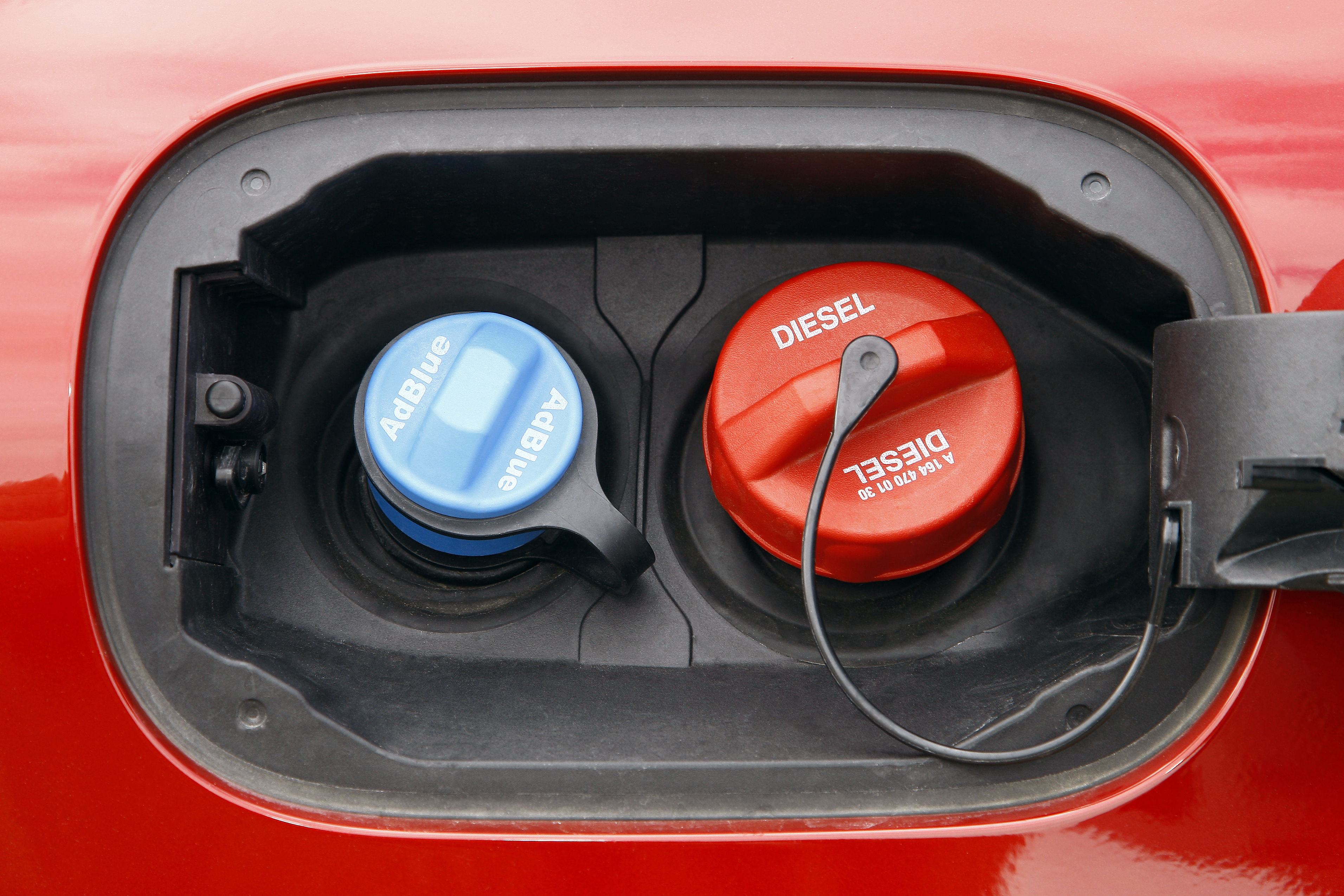
- AdBlue® and Other Brand Names: DEF is known by various brand names globally, such as AdBlue® (a registered trademark of the VDA – German Association of the Automotive Industry). Regardless of the brand, always ensure it is certified to the ISO 22241 standard.
By understanding the operational parameters of DEF, particularly its freezing point, and by leveraging the integrated heating technologies and adopting smart operating practices, diesel vehicle owners can ensure reliable and compliant operation of their SCR systems, even in the harshest winter conditions. This not only contributes to environmental protection but also safeguards the vehicle’s performance and longevity.
aViewFromTheCave is a participant in the Amazon Services LLC Associates Program, an affiliate advertising program designed to provide a means for sites to earn advertising fees by advertising and linking to Amazon.com. Amazon, the Amazon logo, AmazonSupply, and the AmazonSupply logo are trademarks of Amazon.com, Inc. or its affiliates. As an Amazon Associate we earn affiliate commissions from qualifying purchases.