
The pursuit of optical perfection is a constant in the world of photography and videography. Camera lenses, the very eyes of our imaging devices, are intricate pieces of engineering designed to capture light with precision and clarity. However, like any complex manufactured product, they are not immune to flaws. One such defect, often discussed in hushed tones among enthusiasts and professionals alike, is decentration. But what percentage of camera lenses are actually decentered, and what does this mean for image quality? This article delves into the technical nuances of lens decentration, its impact on visual output, and how manufacturers strive to mitigate its occurrence.
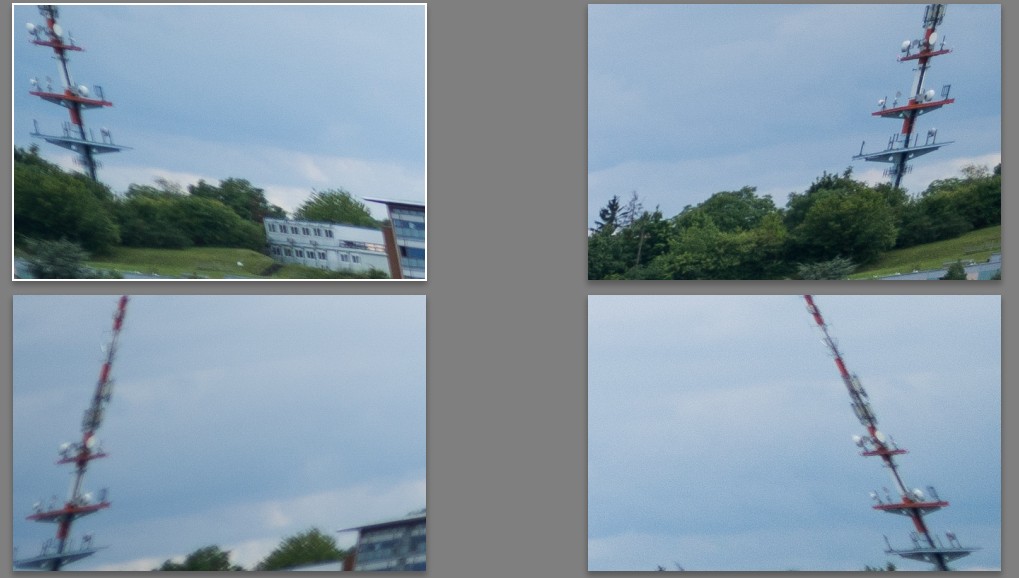
Understanding Lens Decentering: The Optical Imperfection
Decentering in a camera lens refers to a specific manufacturing defect where the optical elements, the individual pieces of glass that make up the lens, are not perfectly aligned with the lens’s mechanical axis. Imagine a stack of perfectly circular discs. If these discs are perfectly centered on top of each other, they form a precise cylinder. If even one disc is slightly off-center, the entire stack becomes asymmetrical. In a lens, this misalignment can lead to a variety of optical aberrations, primarily affecting sharpness and uniformity across the frame.
What is Optical Alignment?
At its core, a camera lens is a system of carefully shaped and positioned glass elements. Each element has a specific curvature and refractive index designed to bend light in a particular way. The collective action of these elements focuses light onto the camera’s sensor or film plane, creating a sharp image. Optical alignment refers to the precise positioning of these elements relative to each other and to the lens barrel. This alignment is crucial for ensuring that light rays converge at the intended focal point without distortion or aberration.
Types of Decentering and Their Manifestations
While “decentered” is a broad term, the specific nature of the misalignment can lead to different optical issues.
Axial Decentering
Axial decentering occurs when an optical element is shifted along the central optical axis of the lens. This means the element is not perfectly centered within its mounting. The consequences can be subtle but significant, often manifesting as:
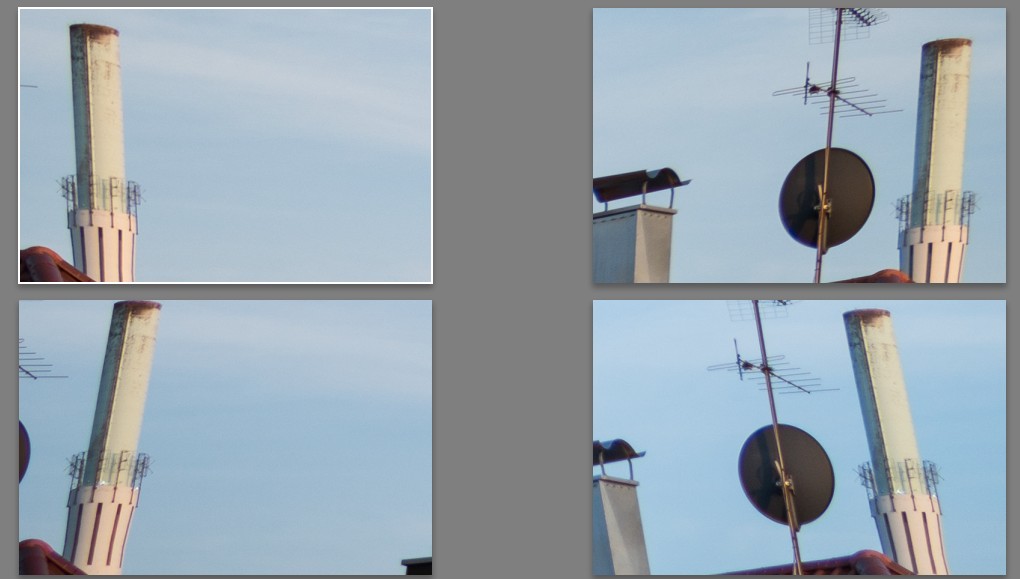
- Asymmetrical Sharpness: One side of the image might be sharper than the other. This is a tell-tale sign of decentering, especially noticeable in landscape or architectural photography where straight lines and uniform detail are expected.
- Chromatic Aberration Shifts: The color fringing that occurs when different wavelengths of light are not brought to the same focal point can become more pronounced or uneven across the frame.
- Field Curvature Variations: The plane of sharp focus might not be flat, and this curvature can be inconsistent, making it difficult to achieve sharpness across the entire scene, particularly when focusing on a subject at an angle.
Radial Decentering
Radial decentering occurs when an optical element is tilted relative to the optical axis. Instead of being perfectly perpendicular, it’s slightly angled. This can also lead to:
- Astigmatism: This aberration causes point sources of light to appear as streaks or lines instead of sharp points. It’s often more pronounced in the periphery of the image.
- Coma: Similar to astigmatism, coma can make off-axis points of light appear comet-shaped.
- General Image Softness: Radial decentering can introduce a pervasive lack of sharpness that isn’t localized to one area but affects the overall image quality.
Compound Decentering
In reality, decentering can be a combination of both axial and radial shifts, leading to a complex interplay of aberrations. This makes it even more challenging to diagnose and correct.
The Manufacturing Process and Tolerance
The creation of a camera lens is a high-precision endeavor. Each optical element is meticulously ground and polished to exacting specifications. These elements are then mounted into the lens barrel. The process of assembling these elements requires incredibly tight tolerances. Modern manufacturing techniques employ advanced machinery and stringent quality control measures to ensure that each element is positioned within microns of its intended location.
However, even with the best technology, achieving absolute perfection in every single lens is practically impossible. There are inherent limitations and microscopic variations in materials and machinery that contribute to the possibility of slight deviations. This is where the concept of “tolerance” comes into play. Manufacturers define acceptable ranges within which a lens’s optical performance is considered within spec. A lens that falls within these tolerances, even if it has a minuscule amount of decentering, is deemed acceptable.
The Impact of Decentering on Image Quality
While the term “decentered” might sound alarming, it’s crucial to understand that the impact on image quality can range from imperceptible to critically detrimental. The severity of the problem depends on several factors.
Severity of Decentering
The degree to which an optical element is misaligned is the primary determinant of its impact. A very slight deviation, within the manufacturer’s established tolerances, might not be noticeable in everyday shooting. However, more significant decentering can lead to obvious degradations in image quality, particularly at wide apertures or when pixel-peeping.
Lens Design and Aperture
The impact of decentering can be exacerbated by certain lens designs and shooting conditions.
- Wide Apertures: Lenses designed to operate at very wide apertures (e.g., f/1.4, f/1.2) are inherently more susceptible to aberrations. At these apertures, the light rays are passing through the lens at steeper angles, making any misalignment more pronounced. A slightly decentered lens that performs adequately at f/8 might exhibit significant softness or aberrations at f/1.4.
- Telephoto vs. Wide-Angle: The impact can also vary between different focal lengths. Wide-angle lenses with complex optical formulas might be more sensitive to the precise positioning of their numerous elements.
- Prime vs. Zoom Lenses: Prime lenses, with their simpler optical formulas, often have fewer elements and can sometimes be more robust against minor decentering. Zoom lenses, with their multiple moving elements and complex designs, can present more potential points of failure for alignment.
User Perception and Critical Evaluation
Ultimately, whether a lens is considered “decentered” can also be subjective and depend on the user’s expectations and shooting style.
- Casual Shooters: For those who primarily use their images for social media or casual printing, minor optical imperfections might go unnoticed. The overall impact on their viewing experience will likely be minimal.
- Professional Photographers and Cinematographers: Professionals who demand the highest levels of sharpness, detail, and consistency across their images are much more likely to detect and be concerned by decentering. Their work often involves large prints, critical focusing, and demanding technical requirements where even slight aberrations can become apparent.
- Testing and Benchmarking: Enthusiasts who engage in rigorous lens testing and benchmarking are more prone to identifying and quantifying decentering. Tools like optical benches and specialized software can reveal subtle issues that the human eye might miss in a typical shooting scenario.
Quantifying Decentering: The Elusive Percentage
The question of “what percentage of camera lenses are decentered” is exceptionally difficult to answer with a definitive number. There isn’t a global database tracking every lens produced and its exact optical alignment. However, we can approach this by considering manufacturing tolerances and the likelihood of encountering a defective unit.
Manufacturing Tolerances as a Guideline
Manufacturers do not aim for absolute perfection; they aim for acceptable performance within defined tolerances. Lenses are designed and tested to meet specific image quality standards. A lens that falls outside these standards is typically rejected during quality control. Therefore, the percentage of defective lenses (meaning they exhibit unacceptable levels of decentering or other aberrations) is intended to be very low.
The “Good Enough” Philosophy
Most lenses produced by reputable manufacturers will perform exceptionally well and are well within acceptable optical tolerances. The number of lenses that are significantly decentered to the point of being unusable is likely a very small fraction of the total production. However, the concept of “decentered” can also refer to lenses that have a minor deviation that might be detectable by critical users but does not fundamentally impair their usability for most purposes.
Factors Influencing Defect Rates
Several factors can influence the likelihood of encountering a decentered lens:
- Manufacturer Reputation and Quality Control: Established brands with robust quality control processes are likely to have lower defect rates. Cheaper or less reputable brands might cut corners, leading to a higher incidence of manufacturing flaws.
- Lens Complexity: More complex lens designs, particularly those with many elements or intricate moving parts (like zooms), might have a slightly higher chance of encountering alignment issues during assembly.
- Production Volume: With millions of lenses produced annually, even a very small defect rate can translate to a statistically significant number of lenses with some degree of decentering.
Anecdotal Evidence vs. Statistical Data
Much of the discussion about decentered lenses on photography forums and online communities is based on anecdotal evidence. While these personal experiences are valuable for understanding potential issues, they do not represent statistical data. It’s common for users who have encountered a problem to discuss it extensively, which can sometimes create the perception that decentering is more widespread than it actually is.
It is highly probable that the vast majority of camera lenses produced by major manufacturers are well within acceptable optical tolerances and do not exhibit significant or noticeable decentering. However, the percentage of lenses that have some measurable degree of decentering, even if very minor and within tolerance, is likely higher. The critical question then becomes: at what point does this minor deviation become a problem?
Identifying and Mitigating Decentering
Fortunately, photographers and videographers have ways to identify potential decentering in their lenses and strategies to mitigate its impact.
Testing Your Lenses for Decentering
If you suspect your lens might be decentered, there are several methods to test it.
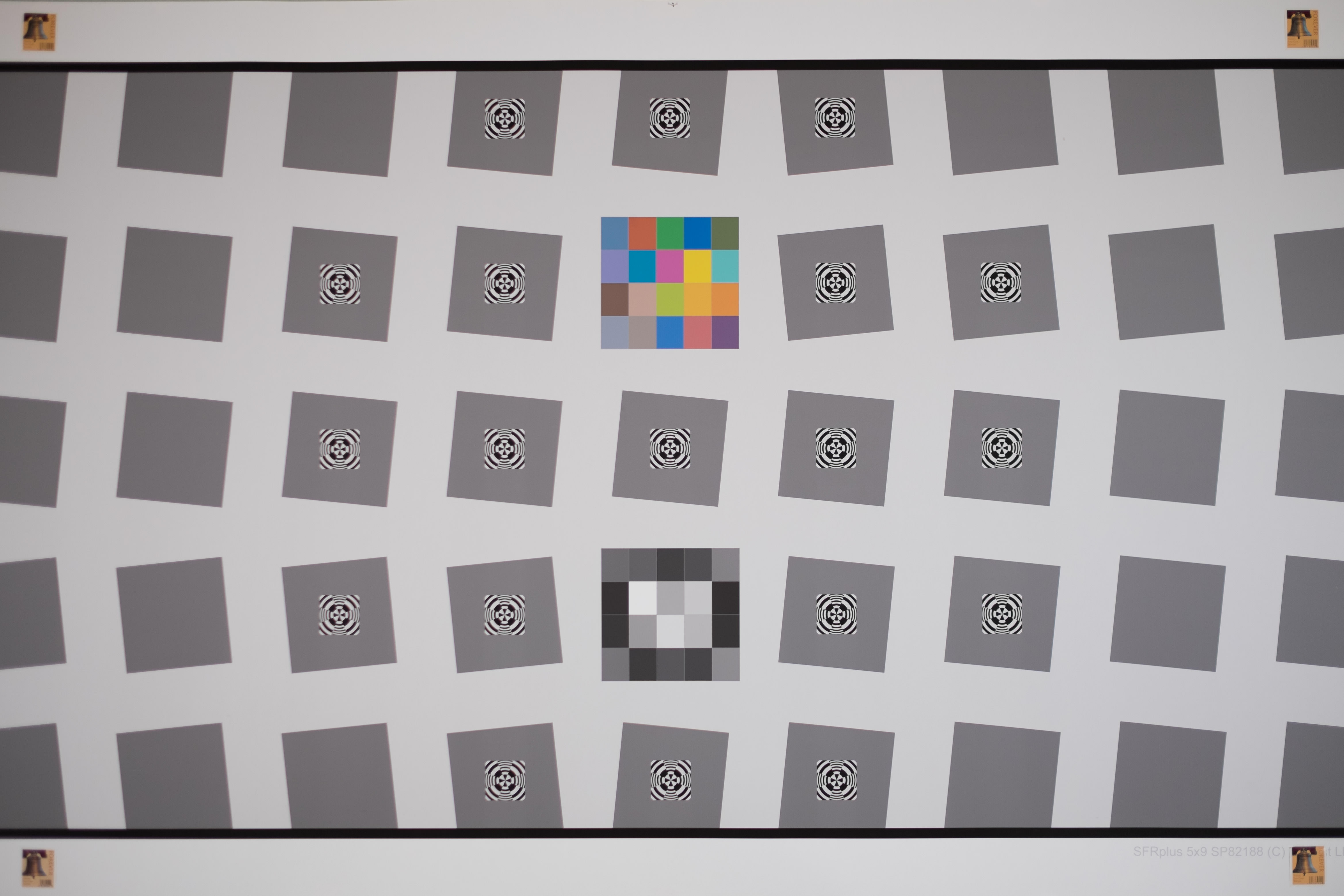
- Chart Testing: The most common method involves photographing a precisely printed test chart (e.g., an ISO 12233 chart or a Siemens star chart) at a consistent distance and aperture.
- Procedure: Mount the camera on a sturdy tripod, ensure the lens is perpendicular to the chart, and focus carefully. Take shots at various apertures, from wide open to stopped down.
- Analysis: Examine the resulting images on a computer screen at 100% magnification. Look for differences in sharpness and detail between different areas of the frame. Consistent sharpness across the frame at smaller apertures (like f/8 or f/11) suggests good alignment. Asymmetry in sharpness, especially at wider apertures, is a strong indicator of decentering.
- Edge-to-Edge Sharpness Test: This involves photographing a flat, evenly lit surface (like a wall with a distinct texture or pattern) from a fixed distance. Analyze the sharpness of the details from the center to the edges of the frame.
- Focus Stacking for Verification: In some cases, using focus stacking techniques might reveal subtle shifts in the plane of focus that are indicative of decentering.
When to Be Concerned
Not all minor sharpness variations are due to decentering. Depth of field at wide apertures can create the illusion of uneven sharpness. However, if you consistently observe:
- Significantly softer corners on one side of the image compared to the other.
- A noticeable tilt in the plane of sharp focus.
- Consistent and pronounced astigmatism or coma that is asymmetrical.
Then, decentering is a likely culprit.
Manufacturer Quality Control and Warranty
Reputable lens manufacturers invest heavily in quality control. They have optical benches and skilled technicians who test lenses throughout the manufacturing process. Most lenses are designed to meet stringent standards, and the number of lenses that fail these tests and reach consumers is minimized.
If you do receive a lens that you strongly suspect is significantly decentered and outside of acceptable performance parameters, it is worth contacting the manufacturer or the retailer. Most manufacturers offer a warranty that covers defects in materials and workmanship, which can include optical alignment issues.
Post-Processing Techniques
While it’s always best to achieve optical perfection in-camera, some post-processing techniques can help mitigate the effects of minor decentering:
- Sharpening: Targeted sharpening can sometimes improve the perceived sharpness in softer areas of the image. However, this cannot correct for actual aberrations.
- Lens Corrections: Software like Adobe Lightroom and Photoshop have built-in lens correction profiles that can correct for common distortions like barrel or pincushion distortion, vignetting, and chromatic aberration. While these profiles don’t directly correct for decentering, they can help to optimize the overall image.
- Cropping: In some situations, if the decentering is primarily affecting the edges of the frame, cropping the image might be a viable solution to achieve a more uniformly sharp result.
The Bottom Line: A Technical Nuance, Not a Widespread Crisis
The question of what percentage of camera lenses are decentered is not easily quantifiable. However, it is important to understand that while manufacturing tolerances exist and minor deviations are possible, the percentage of camera lenses that are significantly decentered to the point of being unusable or noticeably detrimental to image quality is likely very low, especially from reputable manufacturers.
The pursuit of optical excellence is ongoing, and lens designers and manufacturers continuously strive to improve their processes and minimize defects. For the vast majority of photographers and videographers, the lenses they use will deliver exceptional image quality, with any optical imperfections being well within acceptable limits.
While it’s prudent for critical users to understand how to test for and identify potential lens issues like decentering, it should not be viewed as a widespread crisis that plagues most photographic equipment. Instead, it is a testament to the incredible precision involved in lens manufacturing that so many lenses perform so remarkably well, given the complexity of their design and assembly. The occasional issue serves as a reminder of the intricate engineering involved and the importance of rigorous quality control in bringing these optical marvels to life.
aViewFromTheCave is a participant in the Amazon Services LLC Associates Program, an affiliate advertising program designed to provide a means for sites to earn advertising fees by advertising and linking to Amazon.com. Amazon, the Amazon logo, AmazonSupply, and the AmazonSupply logo are trademarks of Amazon.com, Inc. or its affiliates. As an Amazon Associate we earn affiliate commissions from qualifying purchases.