
The question of which jobs are off-limits for individuals with a history of sex offenses is complex and multifaceted, touching upon legal restrictions, societal concerns, and practical implications. While outright legal prohibitions exist for certain professions, the landscape is far more nuanced than a simple list. The restrictions are largely driven by the need to protect vulnerable populations, particularly children, and to prevent reoffending. These restrictions are not uniform across all jurisdictions and can vary significantly based on the nature of the offense, the specific job duties, and the laws of the state or country in question. Understanding these limitations requires delving into the legal frameworks, the rationale behind them, and the evolving societal attitudes towards rehabilitation and reintegration.
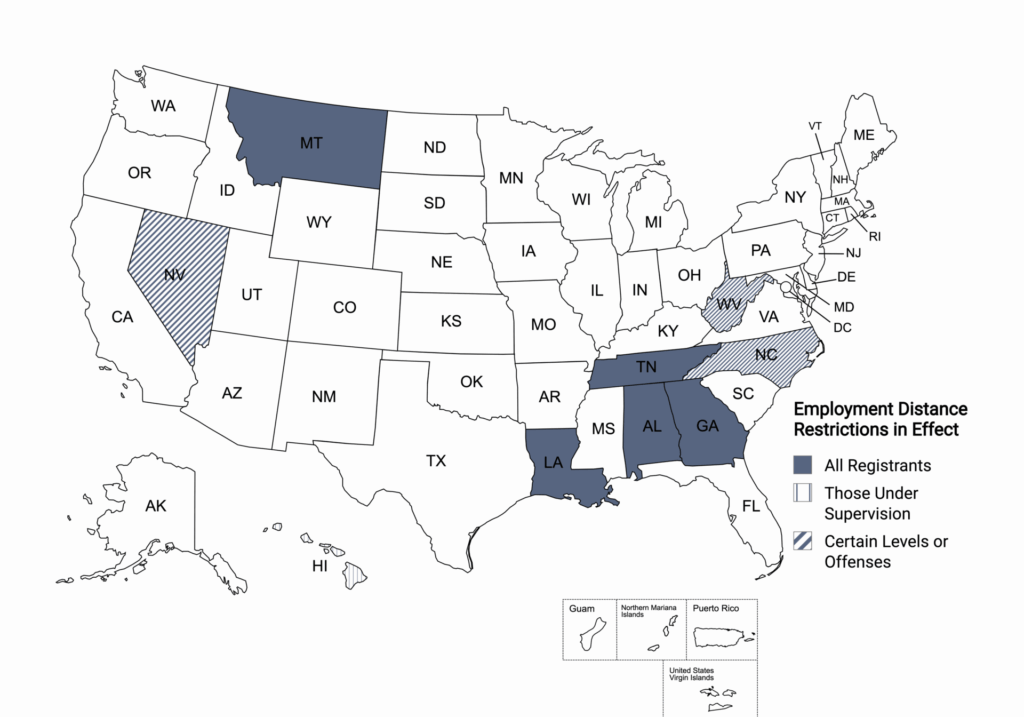
Legal Frameworks and Prohibitions
The legal restrictions placed on sex offenders regarding employment are primarily designed to safeguard the public, with a strong emphasis on protecting minors. These restrictions are often codified in state and federal laws, creating specific prohibitions and limitations for individuals convicted of sex offenses. The severity and nature of the offense, as well as the classification of the offender, often dictate the scope of these restrictions.
Registration and Disclosure Requirements
A foundational element of the legal framework governing sex offenders is the requirement for registration. Most jurisdictions mandate that individuals convicted of certain sex offenses register with law enforcement agencies. This registration typically involves providing personal information, details about the offense, and often requires periodic updates.
- Public Sex Offender Registries: In many places, these registries are publicly accessible, allowing employers and concerned citizens to search for registered offenders. This transparency, while intended for public safety, can significantly impact an individual’s employment prospects. Employers may be hesitant to hire someone whose name appears on a registry, regardless of the specific job.
- Employment Disqualification Based on Registration: While not always a direct legal prohibition on all jobs, the presence on a public registry can serve as a de facto barrier to many positions. Some employers may have policies that automatically disqualify any applicant found on such a registry, irrespective of the job’s nature.
Specific Statutory Prohibitions
Beyond the general impact of registration, many laws explicitly prohibit registered sex offenders from holding positions that involve close proximity to or direct contact with children. These prohibitions are often very detailed and can extend to a wide range of occupations.
- Jobs Involving Minors: This is the most common and stringent category of prohibited employment. It includes, but is not limited to:
- Education Sector: Teachers, school administrators, counselors, bus drivers, cafeteria workers, janitorial staff in schools, and any volunteer position within a school setting.
- Childcare: Workers in daycare centers, preschools, summer camps, and any person providing in-home childcare.
- Youth Organizations: Coaches, leaders, or staff in youth sports leagues, scouting organizations, religious youth groups, and other extracurricular activities.
- Recreational Facilities: Lifeguards at public pools, counselors at youth camps, and staff at amusement parks specifically targeting children.
- Healthcare for Children: Pediatric nurses, doctors specializing in pediatrics, and support staff in children’s hospitals or clinics.
- Positions of Trust and Authority: In some cases, restrictions extend to jobs that involve significant trust or authority, even if not directly involving minors. This can include certain positions in law enforcement, government, or roles that grant access to sensitive information or vulnerable individuals of any age.
- Varying Offense Classifications: The specific prohibition often depends on the classification of the sex offense. For instance, offenses involving minors are almost universally subject to the strictest employment restrictions. Offenses against adults may have fewer direct statutory prohibitions but can still be impacted by disclosure requirements and employer discretion.
Background Checks and Due Diligence
Employers play a crucial role in enforcing employment restrictions, often through the process of background checks. The legal requirements and practical implementation of these checks are vital in determining who can and cannot hold certain jobs.
- Legal Mandates for Background Checks: For specific industries, such as those involving children or sensitive populations, federal and state laws often mandate comprehensive background checks for all prospective employees. These checks typically include criminal history records, including sex offender registry checks.
- Employer Discretion: Beyond legally mandated checks, many employers conduct background checks as a matter of policy, particularly for positions of responsibility or public trust. This discretion allows employers to assess risk and make hiring decisions based on their perceived safety concerns and company policies.
- Ban the Box Legislation: In an effort to promote re-entry and reduce barriers to employment, some jurisdictions have enacted “Ban the Box” laws. These laws generally prohibit employers from asking about criminal history on initial job applications, delaying the inquiry until later in the hiring process. However, these laws typically do not prevent employers from conducting background checks or considering criminal history later in the process, especially for positions with inherent restrictions.
Rationale Behind Employment Restrictions
The stringent employment restrictions placed on sex offenders are rooted in a combination of public safety imperatives, the psychology of offending, and legal principles aimed at societal protection. The core philosophy behind these limitations is to minimize the risk of reoffending and to prevent further harm to potentially vulnerable individuals.
Protecting Vulnerable Populations
The paramount concern driving these restrictions is the protection of vulnerable populations, particularly children. The history of sex offenses, especially those involving minors, often triggers significant concern about the potential for future harm.
- Preventing Recidivism: Studies and societal understanding suggest that certain individuals with a history of sex offenses may be at a higher risk of reoffending. Prohibiting them from positions that provide direct access to children or other vulnerable groups is seen as a proactive measure to prevent such occurrences.
- Duty of Care: Employers in fields like education, childcare, and healthcare have a legal and ethical duty of care towards the individuals they serve. Hiring someone with a history of sex offenses, especially those involving minors, would be seen as a breach of this duty and could expose the employer to significant liability.
- Public Trust: Occupations involving children or vulnerable individuals are built on a foundation of public trust. Allowing individuals with a history of offenses that harm these groups to hold such positions would erode this trust and create widespread concern.

The Nature of Sex Offenses and Risk Assessment
The specific nature of a sex offense plays a critical role in determining employment restrictions. The legal and psychological understanding of sex offenses informs risk assessment and the subsequent limitations.
- Offenses Against Minors: Convictions for offenses involving minors are the most likely to result in broad and severe employment restrictions. The rationale is that individuals who have offended against children pose a direct and unacceptable risk to other children.
- Power Dynamics and Grooming: Many sex offenses involve the abuse of power dynamics and grooming behaviors. Jobs that grant authority, access, or opportunities for manipulation can be seen as enabling these behaviors.
- Treatment and Rehabilitation: While the focus is on prevention, the legal framework also acknowledges the possibility of treatment and rehabilitation. However, for certain offenses and in roles with high risk, the presumption of risk often outweighs the potential for rehabilitation in the eyes of the law and public policy. This means that even after completing treatment, certain employment sectors may remain closed.
Societal and Legal Precedent
The establishment of these employment restrictions is also influenced by societal attitudes, legal precedent, and the evolution of child protection laws.
- Evolving Child Protection Laws: Over the past few decades, there has been a significant evolution in child protection laws and awareness. This has led to increased scrutiny of individuals working with children and a greater emphasis on preventative measures.
- Victim Advocacy: The persistent advocacy of victims’ rights groups has played a crucial role in shaping legislation and public opinion, pushing for stronger protections and stricter regulations for individuals with a history of sex offenses.
- Legal Precedents: Court decisions and legislative actions have established legal precedents that guide how sex offender employment restrictions are applied. These precedents often balance the rights of individuals with the need for public safety, with public safety typically taking precedence in high-risk scenarios.
Navigating Employment Challenges for Sex Offenders
For individuals with a history of sex offenses, finding gainful employment presents significant hurdles. While some jobs are legally barred, many others are made difficult to access due to background checks, employer discretion, and societal stigma. Navigating these challenges requires a strategic approach, focusing on understanding applicable laws, exploring permissible employment sectors, and potentially seeking support for re-entry.
Identifying Permissible Employment Sectors
While many doors may be closed, it is not impossible for individuals with a history of sex offenses to find legitimate employment. The key lies in identifying sectors where direct contact with vulnerable populations is minimal and where employers may be more open to considering candidates with past convictions, provided they are not legally disqualified.
- Industries with Lower Risk Profiles: Certain industries inherently have less direct contact with minors or vulnerable populations. These can include:
- Skilled Trades: Plumbing, electrical work, carpentry, auto mechanics, and construction. These roles often involve working independently or in small teams, with less public-facing interaction.
- Manufacturing and Warehousing: Positions on assembly lines, in logistics, or as warehouse operatives. These environments are typically controlled and do not involve direct interaction with the public.
- Agriculture and Landscaping: Many roles in farming, horticulture, and landscaping do not involve close contact with vulnerable groups.
- Certain Service Industries: Depending on the specific role and employer policies, some positions in hospitality (e.g., kitchen staff), cleaning services, or general labor might be accessible.
- Technology and Remote Work: With the rise of remote work, some tech-adjacent roles that can be performed entirely online and do not require interaction with the public or sensitive data might be an option.
- Employer Willingness and Policies: The willingness of employers to hire individuals with past convictions varies greatly. Some companies have a “second chance” hiring policy, recognizing the value of experience and the potential for rehabilitation. However, these policies are often balanced against the perceived risks associated with the specific role.
- Geographic and Jurisdictional Differences: Employment laws and the enforcement of sex offender registries can differ significantly between states and even municipalities. What might be permissible in one location could be restricted in another.
The Role of Support Services and Re-entry Programs
For individuals seeking to re-enter the workforce after a conviction, specialized support services and re-entry programs can be invaluable. These resources offer guidance, training, and advocacy to help individuals overcome employment barriers.
- Job Readiness Training: Programs may offer resume building, interview skills, and job search strategies tailored to individuals with criminal records.
- Vocational Training: Acquiring new skills in in-demand fields can open up more employment opportunities that may have fewer restrictions.
- Legal Aid and Advocacy: Some organizations provide legal advice regarding disclosure obligations, understanding employment restrictions, and advocating for fair treatment in the hiring process.
- Mentorship and Support Networks: Connecting with others who have navigated similar challenges can provide emotional support and practical advice. These networks can also sometimes lead to direct job leads.
- Disclosure Strategies: Learning how and when to disclose a criminal history to potential employers is a critical skill. Support programs can help individuals develop a confident and honest approach to this disclosure.

Legal Recourse and Expungement
In some circumstances, individuals may have legal avenues to reduce or eliminate the employment barriers associated with their past convictions. These avenues are highly dependent on the jurisdiction and the nature of the offense.
- Expungement and Sealing of Records: Depending on the state and the specifics of the conviction, some individuals may be eligible to have their criminal records expunged or sealed. This process, if successful, can significantly reduce the impact of a criminal history on employment opportunities, as employers may no longer be able to access or consider the record.
- Certificate of Rehabilitation/Good Conduct: Some jurisdictions offer certificates of rehabilitation or good conduct that can be presented to employers. These certificates, issued by a court or relevant authority, attest to an individual’s positive behavior and rehabilitation since their conviction, potentially mitigating an employer’s concerns.
- Legal Counsel: Consulting with an attorney specializing in criminal record relief is essential to understand the specific options available in a given jurisdiction. They can advise on eligibility for expungement, sealing, or other forms of record relief.
In conclusion, while direct legal prohibitions exist for sex offenders in certain jobs, particularly those involving children, the landscape of employment is complex. Societal concerns, background checks, and employer discretion create further challenges. However, by understanding legal frameworks, focusing on permissible employment sectors, and leveraging available support services, individuals with a history of sex offenses can work towards finding meaningful employment and successful reintegration into society.
aViewFromTheCave is a participant in the Amazon Services LLC Associates Program, an affiliate advertising program designed to provide a means for sites to earn advertising fees by advertising and linking to Amazon.com. Amazon, the Amazon logo, AmazonSupply, and the AmazonSupply logo are trademarks of Amazon.com, Inc. or its affiliates. As an Amazon Associate we earn affiliate commissions from qualifying purchases.