
The world of gourmet food is constantly evolving, and truffle cheese stands at the intersection of ancient culinary tradition and cutting-edge technological innovation. While the earthy, intoxicating aroma and complex flavor profile of truffles have been prized for centuries, the journey from their wild discovery to becoming a sophisticated ingredient in artisanal cheeses is increasingly shaped by technology. This article explores the multifaceted role of technology in the creation, authentication, and distribution of truffle cheese, transforming it from a rare delicacy into a more accessible, albeit still premium, product.
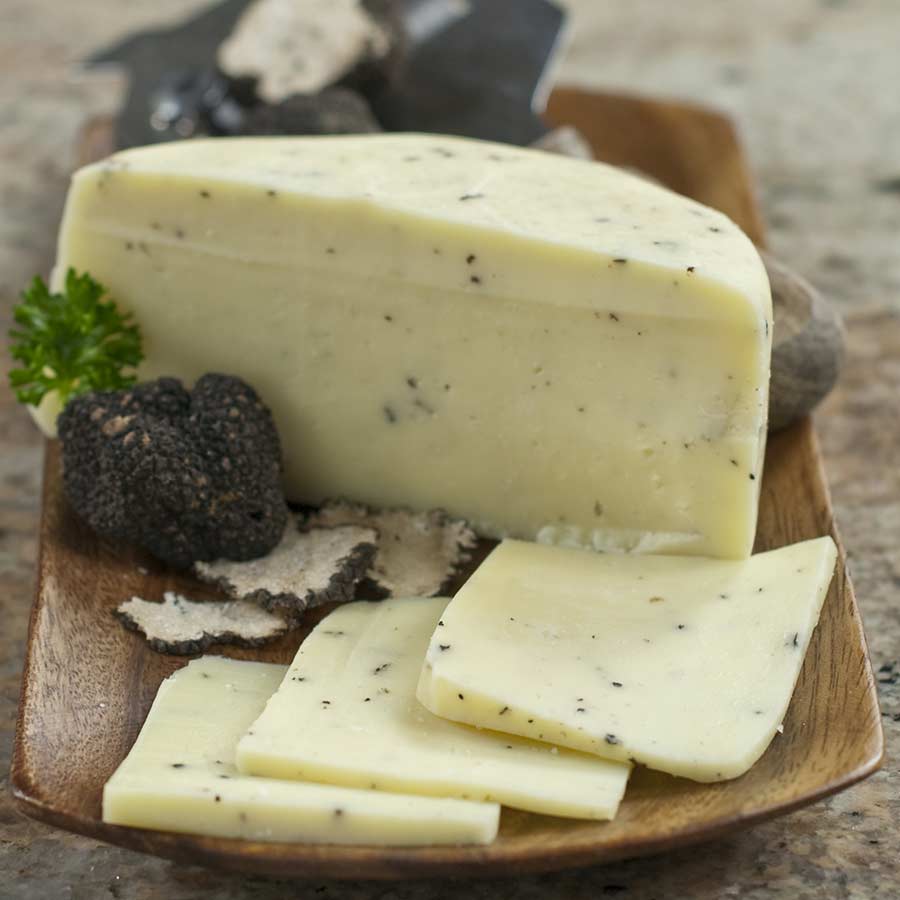
The Technological Genesis of Truffle Cheese
The very concept of incorporating truffles into cheese is not new, but the methods employed to achieve consistency, enhance flavor, and ensure quality have been revolutionized by advancements in various technological fields. From cultivation to the final product, technology plays a crucial role.
Precision Cultivation and Harvesting: The Future of Truffle Farming
Historically, truffles were exclusively wild-harvested, relying on the keen senses of trained dogs or pigs to locate these elusive subterranean fungi. This inherent unpredictability contributed to their scarcity and high price. However, the advent of agricultural technology (AgriTech) has begun to change this landscape.
Mycorrhizal Inoculation and Controlled Environments
The most significant technological leap in truffle production is the successful cultivation of truffle-producing fungi. This involves mycorrhizal inoculation, where the spores of truffle fungi are introduced to the roots of host trees, typically oak or hazelnut, under controlled laboratory conditions. This process, refined through decades of research in plant pathology and microbiology, allows for the establishment of truffle orchards. Advanced soil sensor networks monitor crucial parameters like pH, moisture, and nutrient levels, providing real-time data to farmers. Automated irrigation systems then deliver precise amounts of water, optimizing growth conditions. Furthermore, remote sensing technologies, such as drone-based imaging, can analyze canopy health and soil conditions, identifying areas that may require intervention. This shift from wild foraging to controlled cultivation, driven by biotechnology and agricultural engineering, promises greater supply stability and predictability.
The Role of AI in Predicting Truffle Yields
Artificial intelligence (AI) is beginning to play a role in predicting truffle yields. By analyzing historical data on weather patterns, soil composition, tree age, and inoculation success rates, AI algorithms can forecast the potential bounty of a truffle orchard. This allows producers to better plan their harvesting schedules and manage expectations, both for themselves and for their cheese-making partners. Machine learning models can identify subtle correlations between environmental factors and truffle development that might elude human observation, leading to more accurate predictions and improved resource allocation.
Sophisticated Cheese Making Techniques: From Tradition to Precision
The integration of truffles into cheese is an art form, but modern technology is providing cheesemakers with tools to elevate their craft and ensure a superior, consistent product.
Advanced Fermentation and Maturation Monitoring
The aging process of cheese is critical to developing its complex flavors and textures. Temperature and humidity control systems, once rudimentary, are now highly sophisticated, often managed by programmable logic controllers (PLCs) and Internet of Things (IoT) sensors. These systems maintain optimal conditions within aging rooms, ensuring consistent microbial activity and preventing spoilage. Spectroscopic analysis, a non-destructive technique that measures the interaction of light with matter, can be used to monitor the chemical composition of cheese during maturation. This allows cheesemakers to track the development of specific flavor compounds, including those derived from truffles, and to identify potential issues before they impact the final product. Data analytics platforms aggregate this information, providing insights into optimal aging times for different cheese types and truffle varieties.
Truffle Infusion Technologies
While simply grating fresh truffles over cheese remains a popular method, technological advancements have led to more sophisticated infusion techniques. Ultrasonic extraction is a method being explored to enhance the extraction of truffle aroma compounds, which can then be incorporated into cheese through various methods. Advanced flavor encapsulation technologies can preserve the delicate truffle essence and ensure its even distribution throughout the cheese matrix, even in mass production. These methods are often developed in collaboration with food scientists and chemical engineers, pushing the boundaries of flavor science.
The Digital Marketplace and Traceability of Truffle Cheese
The journey of truffle cheese doesn’t end in the aging room. Technology plays a pivotal role in bringing this premium product to consumers and ensuring its authenticity.
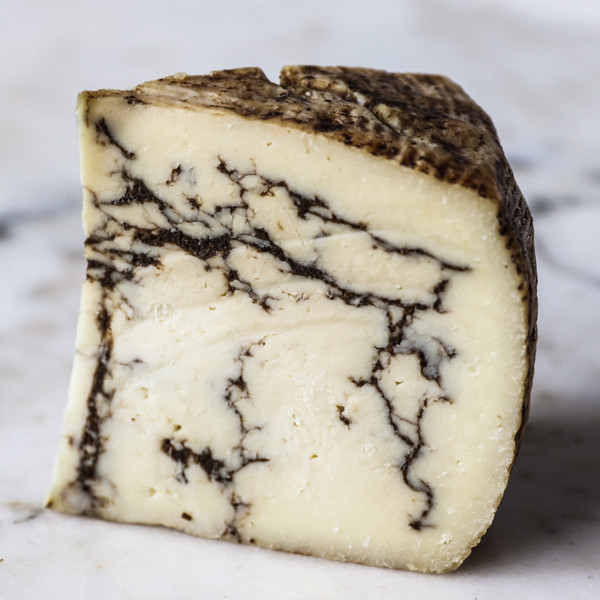
E-commerce Platforms and Targeted Marketing
The rise of e-commerce has opened up global markets for artisanal truffle cheese producers. Specialized online marketplaces dedicated to gourmet foods connect consumers directly with cheesemakers, bypassing traditional distribution channels. Digital marketing strategies, leveraging social media, search engine optimization (SEO), and targeted advertising, allow producers to reach a discerning audience interested in high-quality, unique products. Content marketing, including blog posts, videos, and online cooking demonstrations, educates consumers about the nuances of truffle cheese, further driving demand. Customer relationship management (CRM) software helps producers manage their customer base, track orders, and personalize communication, fostering loyalty.
Blockchain and Authenticity Verification
The premium nature of truffle cheese, particularly varieties infused with rare or expensive truffles, makes it a target for counterfeiting. Blockchain technology offers a robust solution for ensuring authenticity and provenance. Each batch of truffle cheese can be assigned a unique digital identity on a blockchain ledger. This ledger can record every step of the supply chain, from truffle sourcing and cheese production to packaging and distribution. Consumers can then access this information via a QR code on the product packaging, verifying its origin and authenticity. This provides an immutable and transparent record, building trust and confidence in the product. Smart contracts can even automate payments upon successful verification of delivery, streamlining transactions.
Enhancing Traceability with IoT and RFID
Beyond blockchain, Internet of Things (IoT) devices and Radio-Frequency Identification (RFID) tags further enhance traceability. IoT sensors can monitor environmental conditions during transport, such as temperature and humidity, ensuring the cheese arrives in optimal condition. RFID tags provide a quick and efficient way to scan and track individual units or pallets of cheese throughout the supply chain, complementing the blockchain record with real-time operational data. This meticulous tracking not only prevents fraud but also allows for better inventory management and recall efficiency, should any issues arise.
The Economic Landscape: Investing in the Truffle Cheese Market
The burgeoning truffle cheese market presents significant investment opportunities, driven by consumer demand for unique, high-quality food experiences.
Market Trends and Investment Opportunities
The global market for gourmet cheeses, including truffle cheese, is experiencing steady growth. Factors such as rising disposable incomes, increasing consumer interest in artisanal and specialty foods, and the influence of food media contribute to this trend. For investors, this translates to potential opportunities in several areas:
- Direct Investment in Truffle Cultivation: Investing in companies or cooperatives specializing in truffle farming, particularly those utilizing advanced AgriTech, offers exposure to the raw material.
- Artisanal Cheesemaking Businesses: Supporting or acquiring stakes in innovative cheesemakers who have mastered truffle infusion techniques can yield significant returns.
- Specialized Food Distributors and Retailers: Businesses focused on sourcing and distributing premium food products, including truffle cheese, can capitalize on the growing demand.
- Technology Providers: Companies developing and supplying the AgriTech, food processing, and traceability solutions mentioned earlier are also integral to the growth of this market.
Financial Management and Profitability in the Truffle Cheese Sector
The high value associated with truffles naturally elevates the price point of truffle cheese. However, achieving profitability requires meticulous financial management and strategic planning, often facilitated by sophisticated financial tools.
Cost Management and Revenue Optimization
Producers must carefully manage the costs associated with truffle acquisition (whether wild or cultivated), cheese production, aging, packaging, and marketing. Enterprise Resource Planning (ERP) software can integrate various business functions, providing a comprehensive view of costs and revenue streams. Data analytics derived from sales figures, production yields, and marketing campaign performance can help optimize pricing strategies and identify the most profitable product lines. Understanding the price elasticity of demand for premium products is crucial for setting prices that maximize revenue without alienating the target market.
Securing Funding and Scaling Operations
For aspiring or expanding truffle cheese businesses, securing adequate funding is paramount. Venture capital firms specializing in the food and beverage sector, as well as angel investors with an interest in gourmet products, are potential sources of capital. Crowdfunding platforms can also be leveraged to raise funds from a broader base of consumers who are passionate about artisanal food. As businesses scale, sophisticated financial modeling and forecasting tools are essential for demonstrating growth potential to investors and for managing the complexities of larger operations. This includes forecasting cash flow, evaluating return on investment (ROI) for new equipment or market expansion, and ensuring long-term financial sustainability.
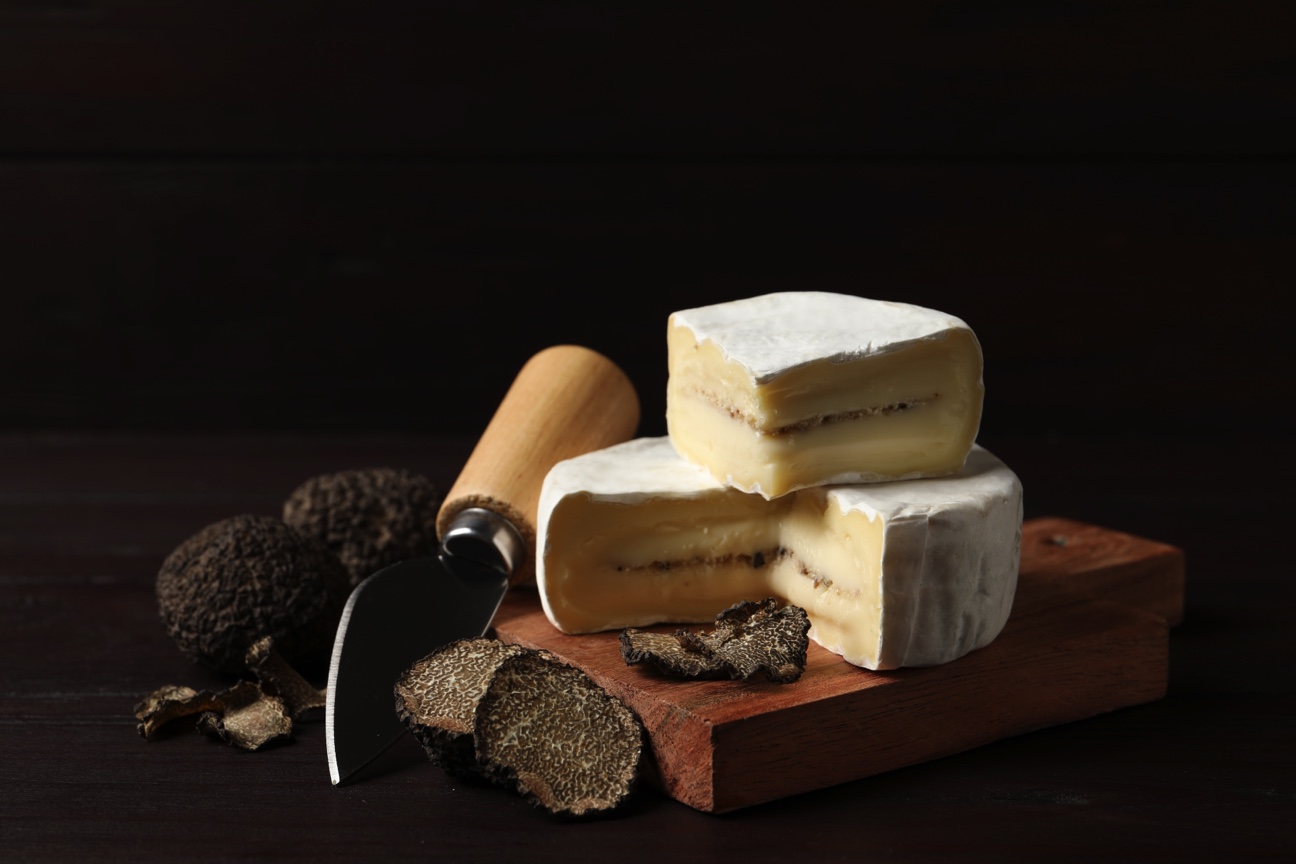
Conclusion: The Technologically Enhanced Future of Truffle Cheese
Truffle cheese is no longer just a product of nature and tradition; it is increasingly a testament to human ingenuity and technological advancement. From the precise cultivation of fungi and the controlled environments of aging rooms to the transparent digital marketplaces and robust authentication systems, technology is weaving itself into every facet of the truffle cheese industry. This integration not only ensures the quality and authenticity of this prized delicacy but also expands its accessibility and drives economic growth. As technology continues to evolve, the future of truffle cheese promises even more innovative production methods, richer consumer experiences, and exciting investment opportunities, solidifying its place as a sophisticated and technologically empowered gourmet staple.
aViewFromTheCave is a participant in the Amazon Services LLC Associates Program, an affiliate advertising program designed to provide a means for sites to earn advertising fees by advertising and linking to Amazon.com. Amazon, the Amazon logo, AmazonSupply, and the AmazonSupply logo are trademarks of Amazon.com, Inc. or its affiliates. As an Amazon Associate we earn affiliate commissions from qualifying purchases.