
At first glance, the question “What does canned coconut milk look like?” might seem straightforward, conjuring images of a simple metal container found in any grocery store aisle. Yet, beneath its unassuming exterior lies a complex interplay of visual branding, sophisticated technology, and profound financial implications that shape not only the product itself but also the broader food industry. Far from being a mere culinary ingredient, canned coconut milk represents a fascinating nexus where food science meets modern branding, and global economics intertwines with sustainable practices. To truly understand what canned coconut milk “looks like,” we must peel back the layers, exploring its physical attributes, the technological innovations that define its journey from tree to table, its strategic branding, and the financial currents that drive its burgeoning market.

The Visual Language of Canned Coconut Milk: More Than Just a Can
The initial impression of canned coconut milk begins with its packaging, an aluminum or steel container typically adorned with vibrant labels. But the true visual experience unfolds once the can is opened, revealing the unique characteristics of the product within.
Beyond the Label: Decoding the Physical Attributes
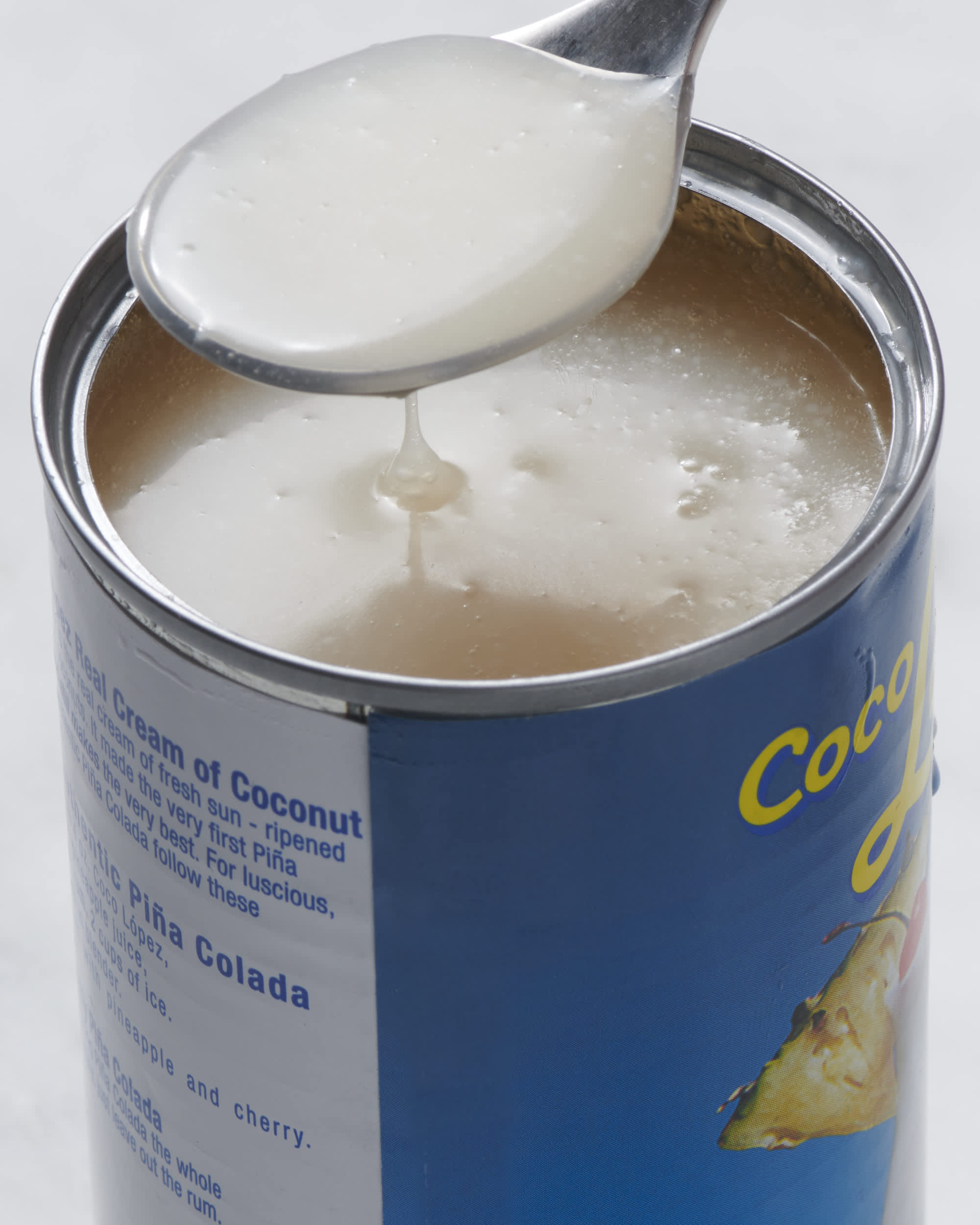
Upon opening a can of coconut milk, the contents often present a layered appearance, a visual cue to its natural composition and processing. At the top, a thick, creamy, opaque white or off-white layer usually sits, denser than the liquid below. This is the coconut cream, rich in fat and flavor, which separates from the thinner, more translucent coconut water or milk solids solution beneath it. This separation is entirely normal and expected, particularly in full-fat varieties, and is a testament to the natural properties of the coconut emulsion. The cream might be firm, almost solid, especially if the can has been stored in a cool environment, or it might be a thick, spoonable liquid. The milk itself, once stirred, typically achieves a smooth, homogenous consistency, ranging from a rich, creamy white to a slightly greyish-white hue, indicative of its natural origins.
The texture inside the can is paramount. A high-quality coconut milk will be smooth, without grittiness or lumps, except for the natural fatty solids. The color should be consistent; any discoloration, such as a yellowish or brownish tint, could signal spoilage or inferior quality. Similarly, an off-odor, distinct from the characteristic sweet and nutty aroma of coconut, is a clear indicator of a problem. These sensory details – sight, smell, and expected texture – are critical for consumers, guiding their perception of quality and freshness even before the product is tasted. This intrinsic “look” of the coconut milk itself is the first layer of its visual language, communicating purity and quality directly to the consumer.
The Art of the Can: Branding and Consumer Perception
Before the can is even opened, its exterior design plays a pivotal role in shaping consumer perception. In a crowded grocery aisle, the label of a canned coconut milk is a meticulously crafted piece of marketing, a visual narrative designed to capture attention and communicate brand values. Brands leverage a spectrum of design elements, from minimalist aesthetics to vibrant, tropical imagery, to convey specific messages. For instance, an organic or health-focused brand might opt for earthy tones, simple fonts, and imagery of lush coconut groves, emphasizing naturalness and sustainability. In contrast, a brand targeting culinary enthusiasts might feature sophisticated recipes or stylized ingredient shots, positioning its product as a premium cooking essential.
The choice of fonts, colors, and graphics isn’t arbitrary; it’s the result of extensive market research and brand strategy. A brand aiming for affordability might use bolder, more direct typography, while a premium brand might select elegant, understated designs. Certifications like “USDA Organic,” “Fair Trade,” or “Non-GMO Project Verified” are prominently displayed, serving as trust signals that instantly communicate compliance with specific standards, appealing to discerning consumers. Even the material and finish of the can itself—matte versus glossy, or the presence of an easy-open tab—contribute to the overall brand experience. This visual storytelling on the can transforms a simple food product into a branded entity, influencing purchasing decisions and fostering brand loyalty long before the taste test. It’s an intricate dance between aesthetics and messaging, where every visual element is a strategic choice designed to resonate with specific consumer segments.
Tech’s Influence: From Farm to Shelf and Beyond
The journey of coconut milk from a tropical palm to a sealed can on a supermarket shelf is profoundly shaped by modern technology. Beyond the basic agricultural practices, technological advancements permeate every stage, from precision processing to intelligent supply chains and digital consumer engagement.
Precision and Preservation: The Technology Behind the Can
The production of canned coconut milk is a marvel of modern food technology, emphasizing efficiency, quality control, and preservation. The initial extraction process, where the coconut flesh is grated and pressed to yield milk, is often highly automated. Advanced machinery ensures consistency in texture and fat content, crucial for product quality. Following extraction, the milk undergoes homogenization, a process using high-pressure pumps to break down fat globules, preventing excessive separation and ensuring a smooth mouthfeel. This step is critical not only for aesthetics but also for maintaining a uniform product over its shelf life.
Sterilization is perhaps the most vital technological aspect. Canned coconut milk relies on retort sterilization, a high-heat, high-pressure process that eliminates bacteria and spoilage microorganisms, allowing the product to be shelf-stable for extended periods without refrigeration. This canning technology, refined over centuries, is now supported by advanced sensors and control systems that monitor temperature and pressure with extreme precision, optimizing sterilization while minimizing nutrient degradation. Furthermore, in an era focused on sustainability, packaging technology continually evolves, with innovations in can lining materials to prevent metallic taste transfer and exploration of more eco-friendly aluminum production processes. Even AI and machine vision are being deployed in quality control, scanning coconuts for defects before processing, ensuring only the best raw materials enter the production line. This technological backbone ensures that the coconut milk consumers open is safe, consistent, and of the highest quality.
Smart Supply Chains and Digital Engagement: Modernizing the Coconut Milk Journey
The supply chain for canned coconut milk is a complex global network, increasingly optimized by cutting-edge technology. From the plantations in Southeast Asia to distribution centers worldwide, IoT (Internet of Things) sensors are deployed to monitor temperature, humidity, and location of shipments, ensuring product integrity and reducing waste. Blockchain technology is emerging as a powerful tool for traceability, allowing consumers to scan a QR code on a can and access information about its origin, processing history, and even the farmers who harvested the coconuts. This level of transparency not only builds trust but also helps combat fraud and verify ethical sourcing claims.
Beyond logistics, technology plays a pivotal role in consumer engagement. Digital marketing strategies leverage data analytics to understand consumer preferences, enabling brands to create highly personalized advertising campaigns. AI-powered algorithms analyze buying patterns and recommend recipes or related products, enhancing the consumer experience. Mobile applications provide users with quick access to nutritional information, recipe ideas, and even direct-to-consumer purchasing options. The growth of e-commerce platforms and sophisticated inventory management systems ensures that canned coconut milk is readily available to a global audience. This integration of smart supply chains and digital marketing tech transforms the humble can of coconut milk into a product connected to a vast digital ecosystem, streamlining its journey to the consumer and fostering deeper brand relationships.
The Brand & Money Equation: Crafting Value in the Global Market
Canned coconut milk is not merely a commodity; it’s a branded product operating within a dynamic global economy. The interplay between brand identity and financial strategy dictates its market position, profitability, and long-term sustainability.
Building a Brand Identity: Trust, Taste, and Transparency
In a competitive market, successful coconut milk brands go beyond merely offering a product; they cultivate a distinct identity built on trust, taste, and transparency. Brand storytelling is a powerful tool, allowing companies to connect with consumers on an emotional level. This might involve highlighting the heritage of coconut farming communities, emphasizing sustainable harvesting practices, or showcasing charitable initiatives that support local economies. Brands that can authentically communicate their commitment to ethical sourcing and environmental stewardship resonate strongly with today’s conscious consumers, driving brand loyalty and willingness to pay a premium.
Differentiation also comes from product innovation and quality perception. A brand might specialize in organic coconut milk, cater to specific dietary needs (e.g., AIP-friendly, keto), or offer unique formulations like extra-creamy or barista-blend varieties. The taste profile and consistency are paramount; brands invest heavily in research and development to ensure their product consistently meets consumer expectations for flavor and texture. Furthermore, visible certifications such as “USDA Organic,” “Fair Trade,” or “Certified Vegan” serve as powerful third-party endorsements, reinforcing a brand’s claims and providing an instant assurance of quality and ethical standards. This holistic approach to brand building, which encompasses product excellence, ethical practices, and compelling storytelling, transforms a generic ingredient into a trusted and desired brand in the minds of consumers.
Financial Currents: Investing in the Coconut Milk Economy
The market for canned coconut milk is a vibrant economic sector, influenced by global trends and offering diverse financial opportunities. The plant-based food movement has been a primary driver of growth, positioning coconut milk as a versatile, dairy-free alternative for cooking, baking, and beverages. This shift has attracted significant investment into the sector, with both established food giants and agile startups vying for market share. Businesses in the coconut milk industry must meticulously manage their finances, from optimizing supply chain costs and production efficiency to strategic pricing and marketing budgets. Profit margins can vary widely based on brand positioning (premium vs. economy), economies of scale, and distribution channels (retail vs. online, domestic vs. export).
From a personal finance perspective, consumers navigate choices based on price, perceived value, and brand loyalty. Budget-conscious buyers might opt for store brands or purchase in bulk, while those prioritizing organic or specific ethical standards may invest in premium options. For investors, the coconut milk sector, as part of the broader plant-based and sustainable food industries, presents intriguing prospects. This includes investing in public companies that produce coconut milk, private equity in innovative food tech startups, or even funds focused on sustainable agriculture in coconut-producing regions. The economic impact extends beyond corporate profits to the livelihoods of millions of coconut farmers globally. Fluctuations in coconut prices, exacerbated by climate change and geopolitical factors, directly affect farmer incomes, highlighting the intricate link between global finance and local economies. Understanding these financial currents is essential for anyone looking to engage with, or invest in, the dynamic world of canned coconut milk.
The Future of Coconut Milk: Where Tech, Brand, and Money Converge
The trajectory of canned coconut milk is one of continuous evolution, driven by a powerful synergy between technological advancement, strategic branding, and informed financial decisions. As global challenges like climate change and food security intensify, this convergence will only deepen, shaping how coconut milk is produced, perceived, and consumed.
Sustainable Innovations and Ethical Investments
The future of canned coconut milk is inextricably linked to sustainability. Technological innovations are paving the way for more eco-friendly practices across the entire value chain. This includes the development of more sustainable packaging materials, moving beyond traditional metal cans to explore biodegradable or compostable alternatives, or cans made from 100% recycled content. In agriculture, precision farming techniques powered by AI and IoT sensors can optimize water usage, monitor soil health, and predict yields, reducing waste and improving resource efficiency in coconut groves. Biotechnology may also play a role in developing more resilient coconut varieties that are less susceptible to pests and diseases, ensuring a stable supply in the face of changing climates.
Ethical investments are crucial to this future. “Impact investing,” which seeks to generate positive social and environmental impact alongside a financial return, is increasingly directed towards sustainable coconut farming communities. This can involve funding projects that provide farmers with better access to technology, fair wages, or training in sustainable agricultural practices. Brands that genuinely commit to these ethical investments will not only secure their supply chains but also enhance their reputation, resonating with a growing segment of consumers who prioritize corporate social responsibility. These actions demonstrate that the “look” of canned coconut milk in the future will embody not just its physical appearance, but its complete lifecycle and ethical footprint.

Personalized Palates and Digital Ecosystems
Looking ahead, the interaction between consumers and canned coconut milk will become even more personalized and digitally integrated. AI-driven platforms will move beyond simple recipe recommendations to offer tailored dietary plans and product suggestions based on individual health goals, preferences, and even genetic profiles. Imagine a smart kitchen assistant recommending a specific brand of coconut milk for a dish, citing its unique fat content or flavor profile as ideal for your personal culinary style.
E-commerce will continue its ascent, with subscription models potentially offering regular deliveries of preferred coconut milk brands, ensuring convenience and freshness. Augmented reality (AR) apps could allow consumers to “virtually” explore the origins of their coconut milk by scanning a can, delving into the brand’s story, and seeing the journey from farm to factory. Furthermore, the burgeoning metaverse could offer immersive branded experiences, where consumers learn about coconut cultivation or participate in virtual cooking classes featuring their favorite coconut milk. This digital ecosystem will not only enhance consumer engagement but also create new revenue streams and brand touchpoints, solidifying coconut milk’s place not just as a pantry staple, but as an integral part of a digitally connected lifestyle.
In conclusion, the question “What does canned coconut milk look like?” opens a window into a fascinating world where the physical attributes of a product are inextricably linked to the technological innovations that create it, the brand narratives that define it, and the economic forces that sustain it. From its creamy texture inside a meticulously designed can to its journey through smart supply chains and its role in ethical investments, canned coconut milk is a microcosm of modern commerce. It perfectly illustrates how tech, brand, and money converge to shape our perception of everyday products, demonstrating that even the simplest items on our grocery shelves carry a rich story of human ingenuity and global connection.
aViewFromTheCave is a participant in the Amazon Services LLC Associates Program, an affiliate advertising program designed to provide a means for sites to earn advertising fees by advertising and linking to Amazon.com. Amazon, the Amazon logo, AmazonSupply, and the AmazonSupply logo are trademarks of Amazon.com, Inc. or its affiliates. As an Amazon Associate we earn affiliate commissions from qualifying purchases.