
Intoxication manslaughter, a grave legal charge stemming from a fatality caused by an intoxicated individual, carries a crushing burden beyond the severe criminal penalties. While the legal definition and punitive measures are paramount, the financial ramifications for the accused, their families, and potentially associated businesses are profound, often leading to irreversible economic devastation. Understanding these monetary consequences is crucial for comprehending the full scope of such an offense, touching upon every aspect of personal and business finance, from immediate legal expenditures to long-term asset protection and income disruption.
The Crushing Financial Burden of Legal Defense and Criminal Penalties
The moment an individual is charged with intoxication manslaughter, a financial clock begins ticking, rapidly accumulating costs that can deplete savings, force asset liquidation, and plunge families into insurmountable debt. These are not merely abstract figures but tangible drains on resources, fundamentally altering economic futures.

Astronomical Legal Defense Costs
Mounting an effective defense against an intoxication manslaughter charge is an incredibly complex and expensive undertaking. Such cases often involve intricate forensic evidence, toxicology reports, accident reconstruction, and expert witness testimonies, all of which demand specialized legal expertise.
- Attorney Fees: Top-tier criminal defense attorneys specializing in serious felony cases command significant hourly rates, often hundreds of dollars per hour, or require substantial upfront retainers. A case can span months or even years, accumulating hundreds of thousands of dollars in legal fees.
- Investigative Services: Gathering evidence, interviewing witnesses, and conducting independent investigations are critical but costly. Private investigators charge their own fees, adding another layer of expense.
- Expert Witnesses: Accident reconstructionists, toxicologists, medical professionals, and other specialists are frequently required to testify or provide analysis. Their fees, including preparation time, reports, and court appearances, can easily reach tens of thousands of dollars per expert.
- Court Costs and Fees: Filing fees, transcription services, deposition costs, and various administrative charges inherent to the legal system further inflate the total expense. Appeals, if pursued, represent an entirely new and equally costly legal battle.
The inability to afford adequate legal representation can severely compromise a defendant’s ability to navigate the complex legal landscape, potentially leading to a less favorable outcome and, consequently, even more severe financial penalties down the line.
Fines, Penalties, and Restitution
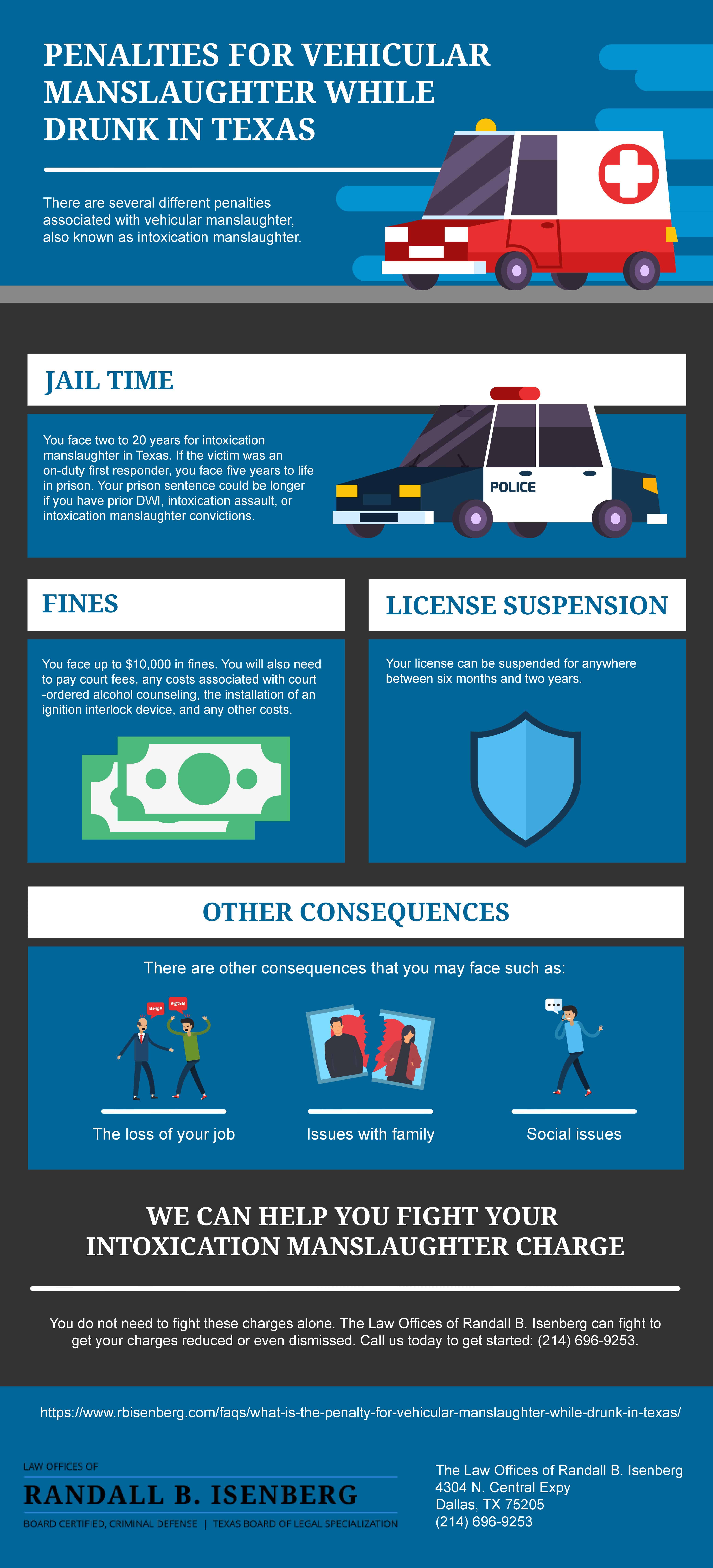
Beyond the costs of defense, a conviction for intoxication manslaughter carries substantial financial penalties imposed by the court system.
- Criminal Fines: Judges often levy significant fines, which can range from thousands to tens of thousands of dollars, depending on the jurisdiction and specific circumstances of the case. These fines are paid directly to the state.
- Restitution to Victims’ Families: In many cases, courts will order restitution to the victims’ families. This financial compensation is intended to cover expenses directly resulting from the crime, such as funeral costs, medical bills incurred before death, and sometimes even lost income the victim would have provided. Restitution amounts can easily climb into the hundreds of thousands or even millions of dollars, representing a direct and substantial financial obligation.
- Mandatory Programs and Fees: Convicted individuals may be mandated to attend substance abuse programs, victim impact panels, or other rehabilitative courses, each carrying associated fees. There are also probation fees, monitoring costs, and other administrative charges associated with post-conviction supervision.
Loss of Income and Future Earning Potential
Perhaps the most devastating long-term financial consequence is the profound and often permanent loss of income and diminished future earning potential.
- Incarceration: A conviction for intoxication manslaughter typically results in a lengthy prison sentence, during which the individual’s ability to earn a living is completely eliminated. For a person in their prime working years, this represents a loss of hundreds of thousands to millions of dollars in potential lifetime earnings.
- Post-Incarceration Employment Barriers: Upon release, individuals with a felony conviction, especially for a violent crime, face immense challenges in securing stable employment. Many industries have strict background check policies, and employers are often hesitant to hire individuals with such a record. This “felon tax” can depress wages and limit career advancement opportunities for decades.
- Professional License Revocation: For individuals in professions requiring state licenses (e.g., doctors, lawyers, nurses, financial advisors, real estate agents), a felony conviction almost invariably leads to the revocation of their professional license, effectively ending their career in that field.
- Impact on Benefits: Loss of employment also means loss of employer-sponsored benefits, such as health insurance, retirement contributions, and other perks, adding further strain to personal finances.
Civil Litigation: A Separate Financial Battlefield
Distinct from the criminal proceedings, victims’ families almost invariably pursue civil lawsuits, opening a second, often equally financially ruinous front. These civil judgments can dwarf criminal fines and restitution, targeting personal assets and future earnings.
Wrongful Death Lawsuits
Family members of the deceased can file a wrongful death lawsuit, seeking compensation for their profound loss. The financial components of such a lawsuit can be extensive:
- Economic Damages: This category seeks to recover quantifiable financial losses, including the victim’s lost future earnings, loss of benefits (pensions, insurance), medical expenses incurred before death, and funeral and burial costs. For a high-earning individual, projected lost income alone can amount to millions.
- Non-Economic Damages: These compensate for intangible losses, such as pain and suffering, loss of companionship, emotional distress, and loss of parental guidance or consortium. While harder to quantify, juries can award substantial sums for these damages, reflecting the severe emotional toll on surviving family members.
Pain and Suffering and Punitive Damages
Beyond wrongful death, other civil claims can intensify the financial burden:
- Pain and Suffering (for the victim): If the victim survived for a period after the incident, their estate might pursue damages for the physical pain and suffering they endured before death.
- Punitive Damages: In cases involving gross negligence, recklessness, or intentional misconduct (such as driving while highly intoxicated, especially with prior DUI offenses), courts may award punitive damages. These are not intended to compensate the victim but to punish the defendant and deter similar future conduct. Punitive damages can be exceptionally large, often running into the millions, as they aim to make a significant financial impact on the defendant.
Asset Forfeiture and Liens
Civil judgments often result in liens placed on the defendant’s property, including real estate, vehicles, and financial accounts. If judgments are not paid, these assets can be seized and liquidated to satisfy the debt. This can lead to the complete erosion of accumulated wealth and assets, impacting not just the individual but also their spouse and children who may rely on these assets.
Business and Professional Financial Fallout
When an intoxication manslaughter incident involves an individual with business ties, or occurs in a context that implicates a corporate entity, the financial repercussions extend beyond personal liability, impacting businesses, partnerships, and professional reputations.
Impact on Business Owners and Licensing
For entrepreneurs or individuals holding key positions in a business, a conviction can trigger a catastrophic chain of financial events for their professional life:
- Loss of Business Income: If the convicted individual is a sole proprietor or a critical figure in a small business, their incarceration can lead to the immediate cessation of business operations, resulting in total loss of business income and potential bankruptcy.
- Loss of Business Licenses: Many industries require specific business licenses that can be revoked or suspended upon a felony conviction, particularly if the crime is deemed to impact the individual’s trustworthiness or fitness to operate. This can permanently prevent the individual from engaging in their chosen profession or owning certain types of businesses.
- Partnership Dissolution: In partnerships, a felony conviction can trigger clauses in partnership agreements that allow for forced buyouts or dissolution, often at unfavorable financial terms for the convicted partner.
Corporate Liability and Reputation Costs
While intoxication manslaughter is typically a personal criminal charge, there are circumstances where a business might face indirect financial consequences:
- Employer Liability: If the incident occurred while the individual was “on the clock” or driving a company vehicle, the employer could potentially face vicarious liability in a civil lawsuit, depending on the jurisdiction and specific facts (e.g., if the employer negligently allowed an intoxicated employee to drive). This would involve the company’s insurance, legal defense costs, and potentially settlement or judgment payouts.
- Reputational Damage: Even without direct legal liability, a high-profile incident involving an employee or executive can severely damage a company’s brand reputation. This can lead to loss of customer trust, decreased sales, cancelled contracts, and difficulty attracting talent, all translating into significant financial losses.
- Increased Insurance Premiums: Companies associated with such incidents may face drastically increased insurance premiums or even difficulty securing coverage in the future.
Insurance Implications for Businesses and Individuals
Insurance policies, both personal and commercial, are critical financial tools designed to mitigate risk. However, in cases of intoxication manslaughter, their protective capacity is often severely limited.
- Auto Insurance Exclusions: Most standard auto insurance policies explicitly exclude coverage for damages or injuries caused by driving under the influence (DUI/DWI). This means the insurer will likely deny coverage, leaving the policyholder personally responsible for all financial damages and judgments from civil lawsuits.
- Umbrella Policies: While personal umbrella insurance policies offer broad coverage beyond standard auto or home policies, they often contain similar exclusions for intentional acts or acts committed while under the influence. It is crucial to review specific policy language.
- Commercial General Liability (CGL): For businesses, CGL policies may offer some protection against third-party claims, but they too often have exclusions for criminal acts or those involving gross negligence, especially if an employee was acting outside the scope of employment or company policy regarding substance use.
Protecting Assets and Long-Term Financial Planning
The specter of intoxication manslaughter underscores the critical importance of prudent financial planning, asset protection strategies, and understanding the potential for complete financial ruin. While impossible to fully insulate oneself from the consequences of such a catastrophic event, certain considerations become paramount.
Asset Forfeiture and Creditor Protection
The threat of massive civil judgments makes asset protection a critical, albeit often reactive, concern.
- Exempt Assets: Depending on state law, certain assets like primary residences (homestead exemptions), retirement accounts (401(k)s, IRAs), and certain life insurance policies may be partially or fully protected from creditors. However, these protections vary widely and are not absolute.
- Fraudulent Transfers: Attempts to transfer assets to family members or trusts after an incident or in anticipation of a lawsuit may be deemed fraudulent transfers and could be reversed by the courts, further complicating legal and financial woes. Proactive, legitimate estate planning well in advance of any incident is the only viable strategy.
- Bankruptcy: For many, the weight of legal fees, fines, restitution, and civil judgments ultimately leads to bankruptcy. While bankruptcy can discharge some debts, certain obligations like restitution, criminal fines, and some taxes are typically non-dischargeable, meaning they will follow the individual indefinitely.
Pre-emptive Financial Planning
While no one plans for such an event, understanding the financial implications can inform broader financial strategies:
- High-Limit Umbrella Insurance: Although often excluded in cases of intoxication, having a robust umbrella insurance policy with high limits is generally a sound financial practice for protecting against large liability claims. It’s crucial to understand its specific exclusions related to criminal acts or intoxication.
- Reviewing Business Insurance: Business owners should regularly review their commercial auto, general liability, and directors and officers (D&O) insurance policies to understand coverage limits and exclusions, especially concerning employee conduct and potential vicarious liability.
- Estate Planning: A comprehensive estate plan, including trusts and wills, established proactively and legitimately, can help protect family assets and ensure a degree of financial stability for dependents in the event of unforeseen circumstances.
Long-Term Financial Ruin and Family Impact
The long-term financial fallout extends far beyond the individual, often engulfing their entire family unit. Spouses may face joint liability for certain debts, and children may experience significant financial hardship due to loss of parental income, depletion of family savings, and the overall economic instability resulting from legal battles and incarceration. The financial shadow cast by intoxication manslaughter can persist for decades, impacting credit scores, ability to secure loans, and overall financial well-being for generations. The true cost of intoxication manslaughter is measured not only in the immeasurable loss of life but also in the catastrophic and enduring financial devastation it wreaks on all involved.
aViewFromTheCave is a participant in the Amazon Services LLC Associates Program, an affiliate advertising program designed to provide a means for sites to earn advertising fees by advertising and linking to Amazon.com. Amazon, the Amazon logo, AmazonSupply, and the AmazonSupply logo are trademarks of Amazon.com, Inc. or its affiliates. As an Amazon Associate we earn affiliate commissions from qualifying purchases.