
The term “Importer of Record” (IOR) is a critical concept in international trade and business, particularly for companies looking to expand their reach into new global markets or those dealing with complex supply chains. While seemingly straightforward, understanding the nuances of an IOR and its associated responsibilities is paramount to avoiding costly delays, legal complications, and financial penalties. At its core, the Importer of Record is the entity legally responsible for ensuring that imported goods comply with all relevant laws and regulations of the importing country. This responsibility extends beyond mere paperwork; it encompasses a comprehensive set of obligations that can significantly impact the success of an international business operation.
The Fundamental Role of the Importer of Record
The Importer of Record is the principal party responsible for the import transaction. This entity takes ownership of the goods at the point of import and is legally accountable for their clearance through customs and compliance with all national regulations. This designation is not merely a bureaucratic formality; it carries significant legal and financial weight.
Legal Accountability and Customs Compliance
When goods arrive at the border of a country, customs authorities require a designated party to assume responsibility for the import process. The IOR is that party. They are the ones who must ensure that all necessary documentation, such as bills of lading, commercial invoices, packing lists, and certificates of origin, are accurate and submitted to customs in a timely manner. Furthermore, the IOR is responsible for classifying the goods correctly, determining the appropriate duties and taxes, and making sure that the imported items meet all safety, health, environmental, and quality standards mandated by the destination country. Failure to comply with these regulations can lead to a range of penalties, including fines, seizure of goods, or even prosecution.
Financial Obligations and Duty Payment
A primary responsibility of the Importer of Record is the payment of all applicable import duties, taxes, and fees. These can include tariffs, value-added tax (VAT), goods and services tax (GST), excise duties, and customs processing fees. The IOR must ensure that these payments are made correctly and on time to facilitate the smooth release of goods from customs. Incorrect calculations or non-payment can result in significant financial penalties, interest charges, and delays. The IOR may also be responsible for any unforeseen charges or adjustments that arise during the customs clearance process.
Product Compliance and Regulatory Adherence
Beyond basic customs clearance, the Importer of Record is tasked with ensuring that the imported products themselves meet all the specific regulatory requirements of the importing country. This can be a complex and ever-changing landscape. For instance, certain electronic devices may need to meet specific safety certifications, food and beverage products might require adherence to stringent health and labeling laws, and chemicals may be subject to environmental regulations. The IOR must actively research, understand, and ensure compliance with these diverse and often sector-specific rules. This might involve obtaining necessary permits, licenses, or approvals before the goods can be imported and sold in the market.
Who Can Be an Importer of Record?
The designation of the Importer of Record can fall upon several types of entities, depending on the nature of the transaction and the business structure involved. Understanding these possibilities is crucial for businesses to properly assign this critical role.
The Direct Importer
In many cases, the entity that purchases the goods directly from an overseas supplier and plans to sell them within the importing country will act as the Importer of Record. This is often the case for established businesses with a physical presence or legal entity within the destination market. They have the infrastructure and knowledge to manage the import process directly. This direct approach allows for greater control over the supply chain and customs procedures.
A Foreign Company with a Local Presence
A foreign company that has established a legal entity, such as a subsidiary or branch office, in the importing country can also serve as the Importer of Record. Having a local presence simplifies the process as the entity is already subject to the laws and regulations of that country. This allows them to navigate customs and tax obligations more effectively. This is a common strategy for larger multinational corporations seeking to formalize their operations in new markets.
A Third-Party Service Provider (Customs Broker/Freight Forwarder)
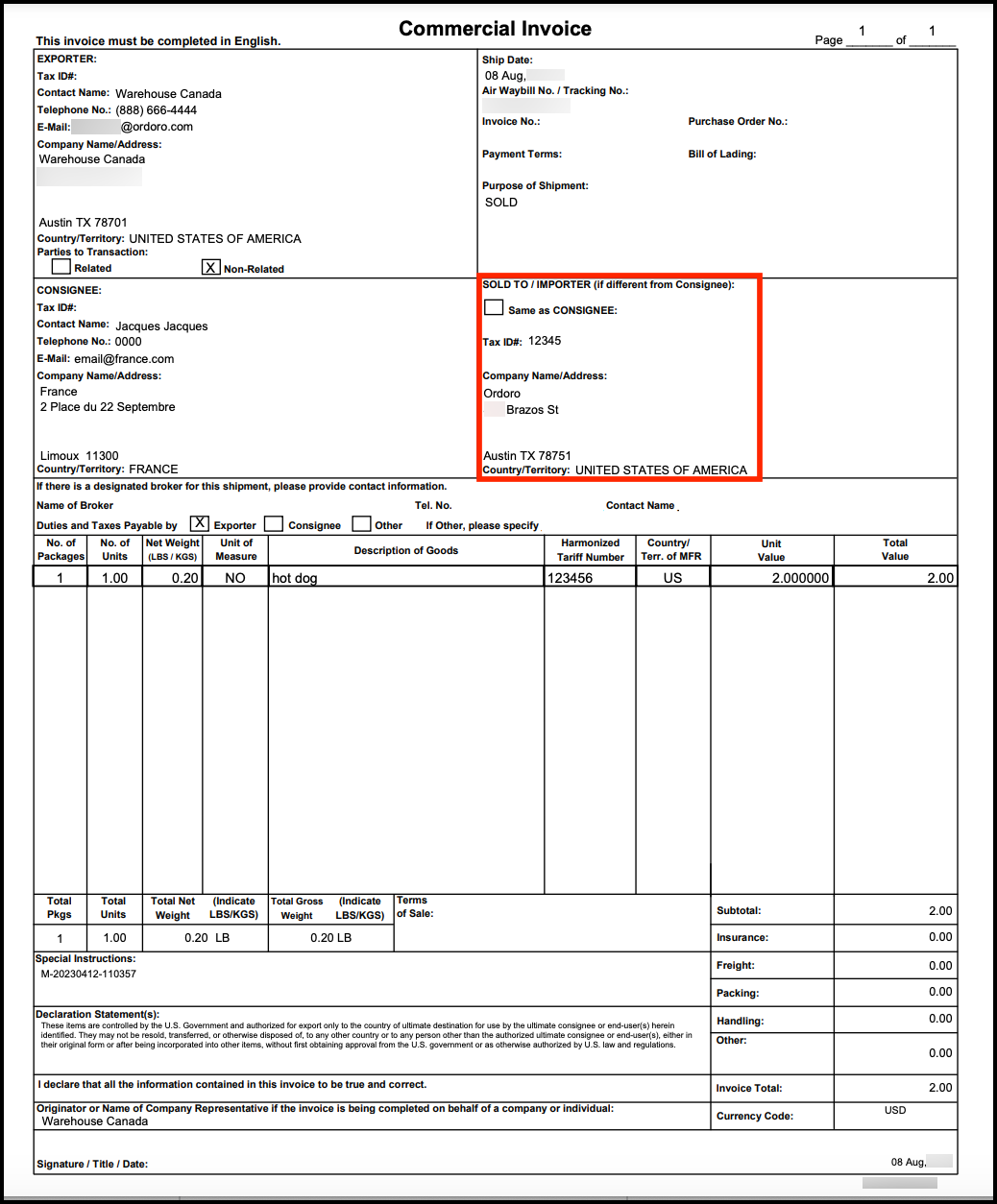
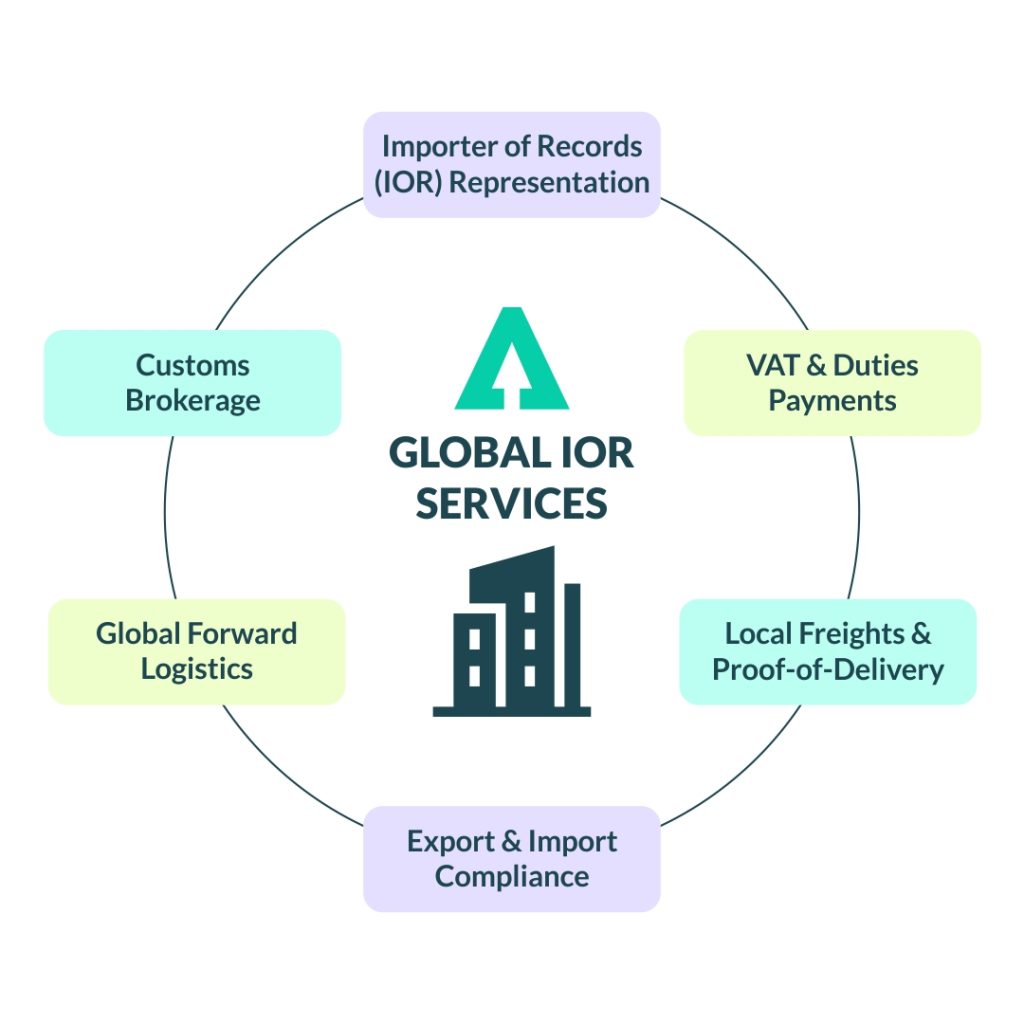
In situations where a company lacks the resources, expertise, or local presence to act as the IOR themselves, they can engage a third-party service provider, such as a customs broker or a specialized logistics company. These professionals are licensed and experienced in managing import regulations and can legally act as the Importer of Record on behalf of the foreign seller or buyer. This is often referred to as acting as a “deemed exporter” or “deemed importer.” This arrangement is particularly beneficial for smaller businesses, e-commerce sellers, or companies importing goods infrequently, as it transfers the burden of compliance to experts.
The Ultimate Consignee
In some specific scenarios, particularly in business-to-consumer (B2C) e-commerce transactions, the ultimate consignee or end-user of the goods might be considered the Importer of Record. However, this is often facilitated through a platform or marketplace that acts as an intermediary, taking on the IOR responsibilities to simplify the process for the individual consumer. This approach aims to streamline cross-border online shopping by ensuring compliance and managing duties upfront.
Navigating the Complexities: Challenges and Best Practices
The role of the Importer of Record, while essential, is fraught with potential challenges. Proactive planning and adherence to best practices are crucial for mitigating risks and ensuring smooth international transactions.
Common Pitfalls and Risks
One of the most significant pitfalls is incorrect product classification. Misclassifying goods can lead to incorrect duty rates, potentially resulting in underpayment (leading to penalties and back-taxes) or overpayment (affecting profitability). Another common challenge is non-compliance with import documentation requirements. Inaccurate or incomplete paperwork is a primary cause of customs delays and potential fines. Furthermore, ignorance of evolving regulations can be detrimental. Customs laws and product standards are subject to change, and failing to stay updated can lead to inadvertent violations. Lastly, unforeseen costs can arise, such as additional inspection fees, storage charges due to delays, or unexpected duty adjustments.
Strategies for Effective IOR Management
To mitigate these risks, businesses should adopt several best practices. Firstly, thoroughly research and understand the import regulations of the destination country. This includes product-specific requirements, labeling laws, and any applicable trade agreements. Secondly, engage with experienced customs brokers or logistics providers. Their expertise can be invaluable in navigating complex customs procedures and ensuring compliance. Thirdly, maintain meticulous records. Accurate and organized documentation is essential for customs audits and dispute resolution. Fourthly, conduct due diligence on suppliers to ensure they provide accurate and complete information for customs declarations. Finally, consider the total landed cost of imports, factoring in all duties, taxes, fees, and potential unforeseen expenses to ensure the financial viability of the transaction.
The Strategic Importance of the Importer of Record for Global Business
The Importer of Record is more than just a logistical placeholder; it is a strategic element that underpins a company’s ability to operate successfully in international markets. Proper understanding and management of the IOR role can unlock new opportunities and foster sustainable global growth.
Facilitating Market Entry and Expansion
For businesses looking to export their products, identifying and appointing the correct Importer of Record in the target market is a fundamental step. It ensures that their goods can legally enter the country and reach consumers without unnecessary bureaucratic hurdles. For companies aiming to sell directly to consumers in foreign markets, or to establish a wholesale presence, clarity on the IOR responsibilities is critical for mapping out their supply chain and go-to-market strategy. It enables a smoother and more predictable entry, allowing businesses to focus on sales and marketing rather than getting bogged down in compliance issues.
Ensuring Supply Chain Efficiency and Reliability
A well-managed Importer of Record process contributes directly to the efficiency and reliability of the entire supply chain. When customs clearance is seamless, goods can move from port to destination swiftly, minimizing lead times and inventory holding costs. This reliability is crucial for meeting customer demand, maintaining brand reputation, and optimizing operational costs. Conversely, issues with the IOR can lead to significant disruptions, impacting production schedules, order fulfillment, and customer satisfaction, ultimately harming the brand’s credibility in the new market.
Building Trust and Brand Reputation
In the global marketplace, adherence to local laws and regulations is not just a legal requirement but also a vital component of building trust and a positive brand reputation. By ensuring that their imported goods comply with all standards and that all duties and taxes are paid correctly, a company demonstrates its commitment to responsible business practices. This ethical approach fosters goodwill with consumers, partners, and government authorities, laying a solid foundation for long-term success and brand loyalty in foreign territories. A proactive and transparent approach to the Importer of Record responsibilities signals professionalism and reliability, which are highly valued by international stakeholders.
In conclusion, the Importer of Record is an indispensable component of international trade. It is the entity that bears the ultimate responsibility for ensuring that imported goods meet all legal, regulatory, and financial obligations of the destination country. Whether managed internally by a company with a local presence, or outsourced to experienced third-party service providers, a clear understanding and diligent management of the IOR role are paramount for successful global expansion, supply chain efficiency, and the cultivation of a strong international brand reputation. Ignoring its significance can lead to significant financial penalties, reputational damage, and the outright failure of international business ventures.
aViewFromTheCave is a participant in the Amazon Services LLC Associates Program, an affiliate advertising program designed to provide a means for sites to earn advertising fees by advertising and linking to Amazon.com. Amazon, the Amazon logo, AmazonSupply, and the AmazonSupply logo are trademarks of Amazon.com, Inc. or its affiliates. As an Amazon Associate we earn affiliate commissions from qualifying purchases.