
In the traditional landscape of business, power was often synonymous with titles, corner offices, and formal hierarchies. However, as the digital economy matures and the barrier to entry for content creation disappears, a different form of influence has taken center stage: Expert Power. Within the realms of brand strategy and personal branding, expert power is no longer just a psychological concept—it is the most potent currency a brand can possess.
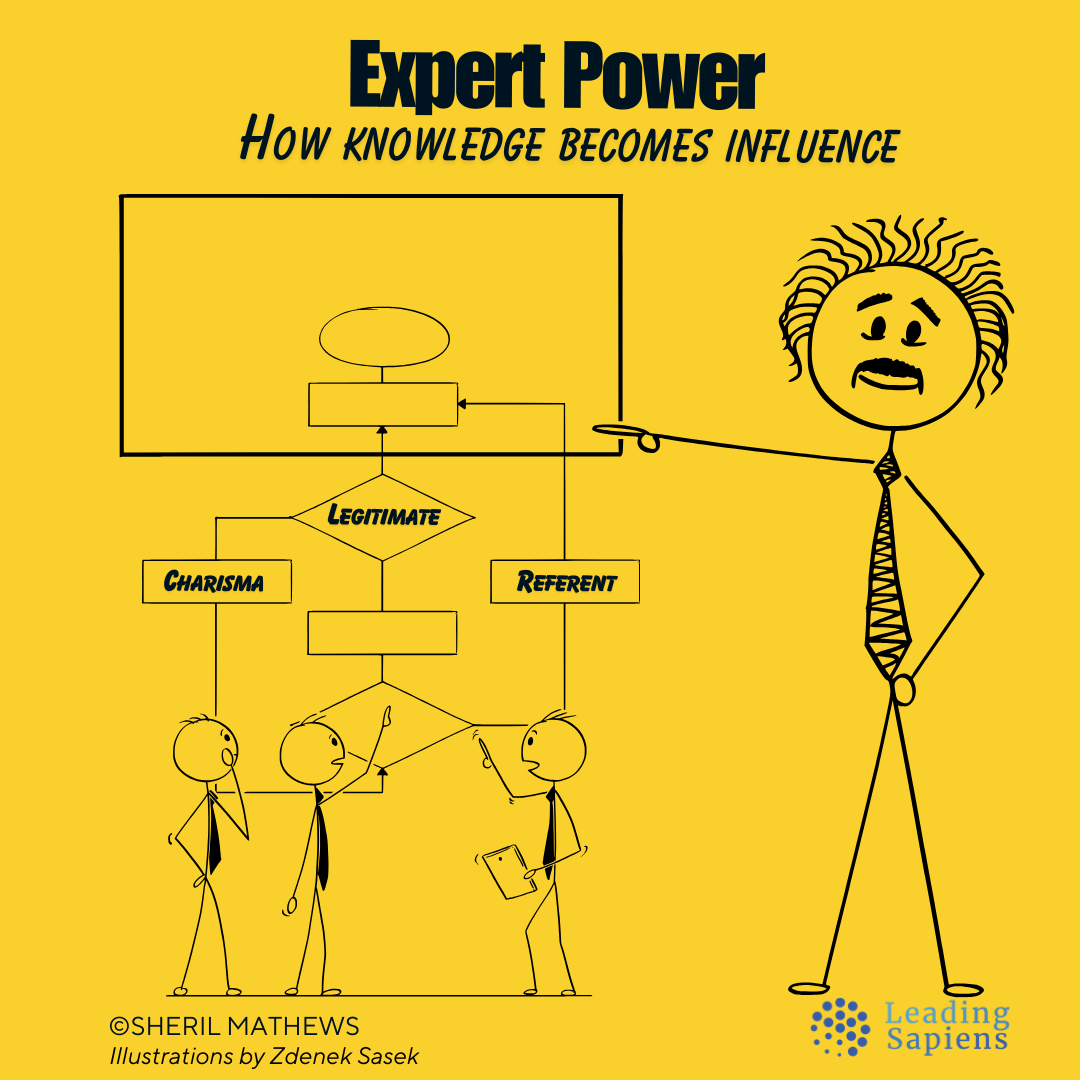
Expert power is the ability to influence others based on the perception of possessing superior knowledge, skills, or experience in a specific niche. Unlike “legitimate power,” which comes from a job title, or “coercive power,” which comes from the ability to punish, expert power is granted voluntarily by an audience. In branding, this means your customers follow you, buy from you, and advocate for you because they believe you have the answers they need.

Understanding Expert Power in the Context of Branding
To understand expert power, one must first view it through the lens of modern marketing. We are living in an era of “information overload” where consumers are skeptical of traditional advertising. In this environment, the brand that wins is not the one that shouts the loudest, but the one that is trusted the most.
Defining Expert Power: Beyond Formal Hierarchy
In branding, expert power is the “authority gap” between a brand and its audience. When a brand demonstrates that it understands a problem better than the customer does, it gains influence. This power is inherently meritocratic; it doesn’t matter if you are a Fortune 500 company or a solo consultant. If your insights provide value and solve complex problems, you hold the power.
From a strategic standpoint, expert power is what transforms a commodity into a category leader. For example, a software company doesn’t just sell code; if it possesses expert power, it sells a “methodology” or a “vision” for how a specific industry should operate.
The Psychology of Authority in Marketing
The effectiveness of expert power relies heavily on the “Heuristic of Authority.” Humans are hardwired to look for shortcuts when making decisions. When faced with a complex choice—such as which brand strategy to adopt or which enterprise tool to invest in—we look for an expert to guide us.
By cultivating expert power, a brand positions itself as the “safe choice.” This reduces the cognitive load on the consumer. When a brand is perceived as an expert, its recommendations are often accepted without the intense scrutiny applied to competitors. This psychological leverage is the foundation of brand loyalty and premium positioning.
The Pillars of Expert Power for Personal and Corporate Brands
Expert power is not something you can simply claim in a mission statement; it must be demonstrated consistently. To build a brand around expertise, you must lean into three specific pillars: knowledge depth, transparency, and content authority.
Deep Domain Knowledge and Constant Learning
The foundation of expert power is, unsurprisingly, actual expertise. However, in branding, it is not enough to be “good” at what you do; you must be a specialist. Narrowing your focus allows you to accumulate a depth of knowledge that generalists cannot match.
This requires a commitment to “Continuous Professional Development” (CPD) and staying at the cutting edge of industry trends. A brand that relies on decade-old case studies will quickly lose its expert power. To maintain authority, you must show that you are not only aware of the current state of your industry but are also predicting its future.
Transparency and Trust: The Ethical Core
Expert power is fragile. It is built on trust, and trust is built on transparency. In brand strategy, this means being honest about what you know—and what you don’t. Ironically, admitting the limitations of your product or service can actually increase your expert power.
When a brand is willing to say, “This solution isn’t right for everyone, but it is perfect for X,” it demonstrates a level of integrity that reinforces its authority. This “unfiltered” approach to branding resonates with modern audiences who are tired of polished, corporate-speak marketing.
Consistent Content Creation and Thought Leadership
If you are an expert but no one knows it, you have no power. In the digital age, content is the vehicle for expert power. This is where “Thought Leadership” comes into play. Through white papers, podcasts, newsletters, and keynote speeches, a brand can “export” its expertise to the world.
The goal of this content is not to sell, but to educate. When you educate your market, you are essentially training them to value the things you are an expert in. This creates a feedback loop where your expertise defines the criteria for success in your industry, naturally positioning your brand as the leader.
How Expert Power Drives Brand Growth
Why should a company invest the time and resources into building expert power? The answer lies in the tangible business outcomes that stem from being an authority. Expert power is a direct driver of revenue, market share, and long-term sustainability.
Reducing Customer Friction through Credibility
One of the biggest hurdles in any sales cycle is “perceived risk.” Customers are afraid of making the wrong choice. Expert power acts as a lubricant in the sales process by mitigating this risk. When a prospect views your brand as an expert, they spend less time questioning your capabilities and more time imagining the results you can provide.
This leads to shorter sales cycles and higher conversion rates. In the B2B world specifically, where high-ticket items require multiple stakeholders’ approval, having a reputation for expertise allows your internal advocates to sell your services more easily to their superiors.
Command Premium Pricing with Specialized Knowledge
There is a reason why specialists earn more than generalists. In the world of branding, this is known as the “Expert’s Premium.” When you have successfully established expert power, you are no longer competing on price.
Commodities compete on price; authorities compete on value. If a customer believes that your brand possesses a unique insight or a proprietary process that no one else has, they will pay a premium to access it. Expert power allows you to move away from the “race to the bottom” and move toward high-margin, high-impact work.
Strategies to Cultivate and Communicate Your Expert Power
Building expert power is a strategic process that requires intention. It is not about being the “smartest person in the room,” but rather about being the most helpful and credible presence in your market.
Leveraging Case Studies and Social Proof
Expertise is proven, not told. Case studies are the “Proof of Work” for a brand. To build expert power, your case studies should go beyond “we did X for client Y.” They should detail the methodology, the obstacles overcome, and the specific insights that led to the solution.
Additionally, “Borrowing Authority” through social proof—such as testimonials from other recognized experts, certifications, and industry awards—can accelerate the growth of your expert power. When other authorities vouch for you, your own power is validated.
Niche Specialization: The Shortcut to Authority
The fastest way to build expert power is to become the “big fish in a small pond.” By specializing in a very specific niche—such as “Brand Strategy for Sustainable Fintech” or “AI-Driven Marketing for E-commerce”—you can achieve expert status much faster than if you tried to be a general marketing agency.
Specialization allows you to see patterns that others miss. These patterns become the “proprietary insights” that form the core of your expert power. Once you have dominated a niche, you can then use that authority as a springboard to expand into adjacent markets.
The Future of Expert Power in a Digital-First World
As we move further into an era dominated by Artificial Intelligence and automated content, the nature of expert power is shifting. Information is becoming a commodity, but insight is becoming a luxury.
Navigating the AI Era: Human Insight vs. Data
AI can aggregate facts, but it cannot (yet) provide the nuanced, experience-based judgment that defines true expert power. In the future, brands will build authority by showing the “human behind the curtain.” Personal stories, failures, and “boots on the ground” experience will become more valuable than generic advice.
Brands that survive the AI-content wave will be those that use technology to handle the “information” while their human experts focus on the “interpretation.” Expert power will be found in the ability to tell a brand what the data actually means for their specific context.

Sustainability of Influence
Finally, the sustainability of expert power depends on a brand’s ability to evolve. The world moves fast, and “expertise” has a shelf life. To maintain your power, your brand must be a “living organism” that is constantly absorbing new information and refining its perspectives.
By prioritizing curiosity as much as expertise, a brand can ensure that its expert power remains relevant for decades, not just a single product cycle. In the end, expert power is about more than just knowing the answers; it’s about being the brand that people trust to find them.
aViewFromTheCave is a participant in the Amazon Services LLC Associates Program, an affiliate advertising program designed to provide a means for sites to earn advertising fees by advertising and linking to Amazon.com. Amazon, the Amazon logo, AmazonSupply, and the AmazonSupply logo are trademarks of Amazon.com, Inc. or its affiliates. As an Amazon Associate we earn affiliate commissions from qualifying purchases.