
Compliance risk, in the realm of business and finance, refers to the potential for an organization to face legal sanctions, financial penalties, or material loss of reputation due to its failure to comply with laws, regulations, industry standards, or internal policies. It’s a pervasive challenge that touches every facet of an enterprise, from its operational procedures to its strategic decision-making. Understanding and effectively managing compliance risk is not merely a matter of avoiding punitive measures; it’s fundamental to sustainable business success, fostering trust with stakeholders, and maintaining a competitive edge in an increasingly regulated global marketplace.
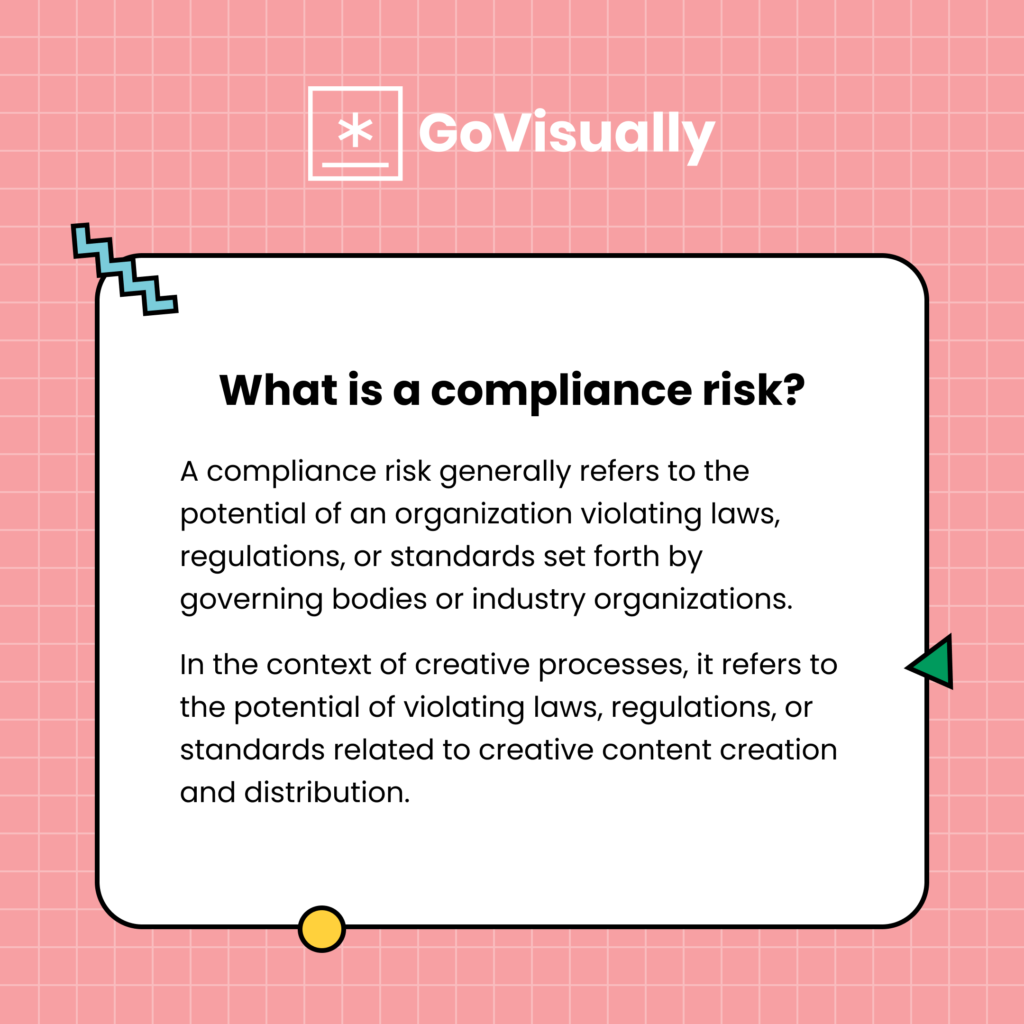
This exploration delves into the multifaceted nature of compliance risk, its origins, the various forms it can take, and the critical importance of proactive management. By dissecting the core components of compliance risk, organizations can better equip themselves to navigate the complex legal and ethical landscape, transforming potential liabilities into opportunities for enhanced operational integrity and strategic advantage.
The Foundation of Compliance Risk: Understanding the Regulatory Landscape
At its core, compliance risk is born from the intricate web of rules, statutes, and guidelines that govern how businesses operate. These regulations are not static; they evolve with technological advancements, societal shifts, and the ongoing pursuit of greater transparency and fairness. For any organization, a fundamental understanding of this dynamic regulatory environment is the bedrock upon which effective compliance strategies are built.
Sources of Regulatory Obligations
The obligations that create compliance risk stem from a diverse array of sources, each with its own set of mandates and potential penalties for non-adherence. Recognizing these distinct origins is the first step in mapping out the compliance landscape for a specific business.
Governmental Laws and Statutes
This is perhaps the most obvious and impactful source of compliance risk. Governments at national, regional, and local levels enact laws to protect citizens, the environment, and the economy. For businesses, this translates into a wide spectrum of regulations. For example, in the financial sector, laws like the Bank Secrecy Act (BSA) and the USA PATRIOT Act in the United States, or the General Data Protection Regulation (GDPR) in Europe, impose strict requirements related to anti-money laundering (AML), Know Your Customer (KYC) procedures, and data privacy. Non-compliance can lead to hefty fines, criminal charges, and significant reputational damage. Similarly, environmental protection laws dictate how businesses must manage waste, emissions, and resource consumption. Labor laws govern employee rights, workplace safety, and fair hiring practices. Failure to comply with any of these can result in legal disputes, worker compensation claims, and governmental investigations.
Industry-Specific Regulations
Beyond general governmental laws, many industries are subject to their own specialized regulatory frameworks designed to address unique risks and ensure public safety or consumer protection. The healthcare industry, for instance, must adhere to regulations like the Health Insurance Portability and Accountability Act (HIPAA), which governs the privacy and security of patient health information. The pharmaceutical industry faces stringent regulations from bodies like the Food and Drug Administration (FDA) regarding drug development, manufacturing, and marketing. In the telecommunications sector, regulations might dictate service quality, data transmission standards, and spectrum usage. Financial services, as mentioned earlier, are heavily regulated by bodies like the Securities and Exchange Commission (SEC) and various central banks. Understanding these sector-specific mandates is crucial for businesses operating within them, as ignorance is rarely a valid defense against non-compliance.
Internal Policies and Procedures
While external regulations form a significant part of compliance risk, internal policies and procedures also play a vital role. These are the rules and guidelines that an organization establishes for itself to ensure efficient operations, ethical conduct, and adherence to external laws. This can include codes of conduct, data security protocols, employee training requirements, conflict of interest policies, and whistleblower procedures. When employees fail to follow these internal directives, it can lead to operational inefficiencies, security breaches, ethical lapses, and ultimately, a heightened risk of external regulatory scrutiny. For example, a company’s policy on handling customer data might be stricter than the legal minimums, but failure to enforce it can still result in a breach and subsequent reputational or financial damage, even if technically compliant with external laws.
The Evolving Nature of Compliance
The regulatory landscape is not static; it’s a constantly shifting terrain influenced by technological innovation, geopolitical events, and evolving societal expectations. This dynamic nature amplifies compliance risk, as organizations must continuously monitor changes and adapt their practices accordingly. New technologies, such as artificial intelligence (AI) and blockchain, introduce novel compliance challenges related to data usage, algorithmic bias, and transaction integrity. Cybersecurity threats necessitate continuous updates to data protection policies and incident response plans. Global events, like pandemics or economic crises, can trigger new regulations or amendments to existing ones, requiring swift organizational responses. Staying ahead of these changes requires a robust monitoring system and a commitment to ongoing learning and adaptation.
Manifestations of Compliance Risk: Where Failures Occur
Compliance risk doesn’t exist in a vacuum; it manifests through various failures in an organization’s operations, decision-making, and governance. Identifying these common areas of failure is essential for developing targeted mitigation strategies.
Operational Failures
Many compliance failures stem from shortcomings in the day-to-day operations of a business. These can range from simple procedural errors to systemic weaknesses that undermine an organization’s ability to meet its obligations.
Process Gaps and Inefficiencies
A primary cause of operational compliance risk lies in poorly designed or inadequately implemented processes. If a company’s process for onboarding new clients doesn’t include a mandatory step for identity verification as required by AML regulations, this creates a significant gap. Similarly, if the process for handling customer complaints is inefficient and leads to delays in addressing sensitive issues, it could violate consumer protection laws. Inadequate training of employees on critical compliance procedures also falls under this category. When staff aren’t properly informed or equipped to follow the rules, errors are more likely to occur. This can lead to inaccurate reporting, unauthorized data access, or even fraudulent activities.
Lack of Automation and Technology Integration
In today’s digital age, relying solely on manual processes to manage compliance can be a recipe for disaster. Manual data entry is prone to errors, and tracking compliance across disparate systems becomes increasingly difficult. A lack of integrated technology can lead to missed deadlines, inconsistent data, and an inability to generate timely and accurate compliance reports. For instance, without an automated system to flag suspicious transactions for AML review, an organization might overlook critical red flags. Similarly, inadequate security controls in legacy systems can create vulnerabilities that expose sensitive data, leading to data privacy breaches and regulatory penalties. Embracing technological solutions, such as compliance management software, can significantly mitigate these risks by standardizing processes, providing real-time monitoring, and facilitating audit trails.
Data Management and Security Breaches
The handling of data is a central concern for compliance risk. Inaccurate, incomplete, or compromised data can lead to erroneous reporting, discriminatory outcomes, and severe breaches of privacy regulations. A failure to implement robust data security measures, such as encryption, access controls, and regular vulnerability assessments, can expose sensitive information to cyber threats. The consequences of a data breach can be devastating, including hefty fines under regulations like GDPR or CCPA, significant legal liabilities, and severe damage to customer trust and brand reputation. Ensuring data integrity, privacy, and security is therefore paramount in managing compliance risk.
Governance and Oversight Deficiencies
Beyond operational execution, weaknesses in an organization’s governance structure and oversight mechanisms can create fertile ground for compliance failures.
Inadequate Risk Assessment and Monitoring
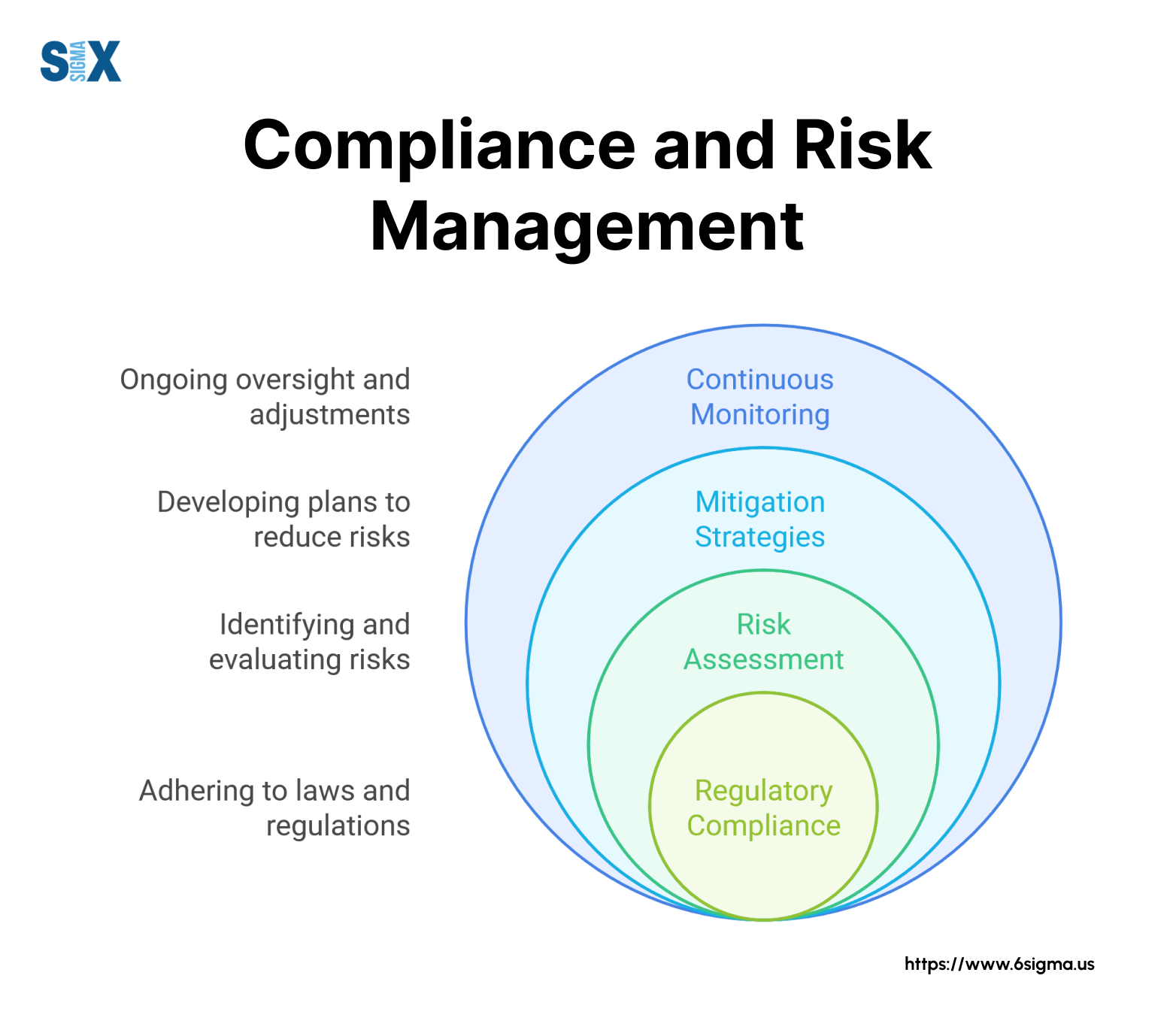
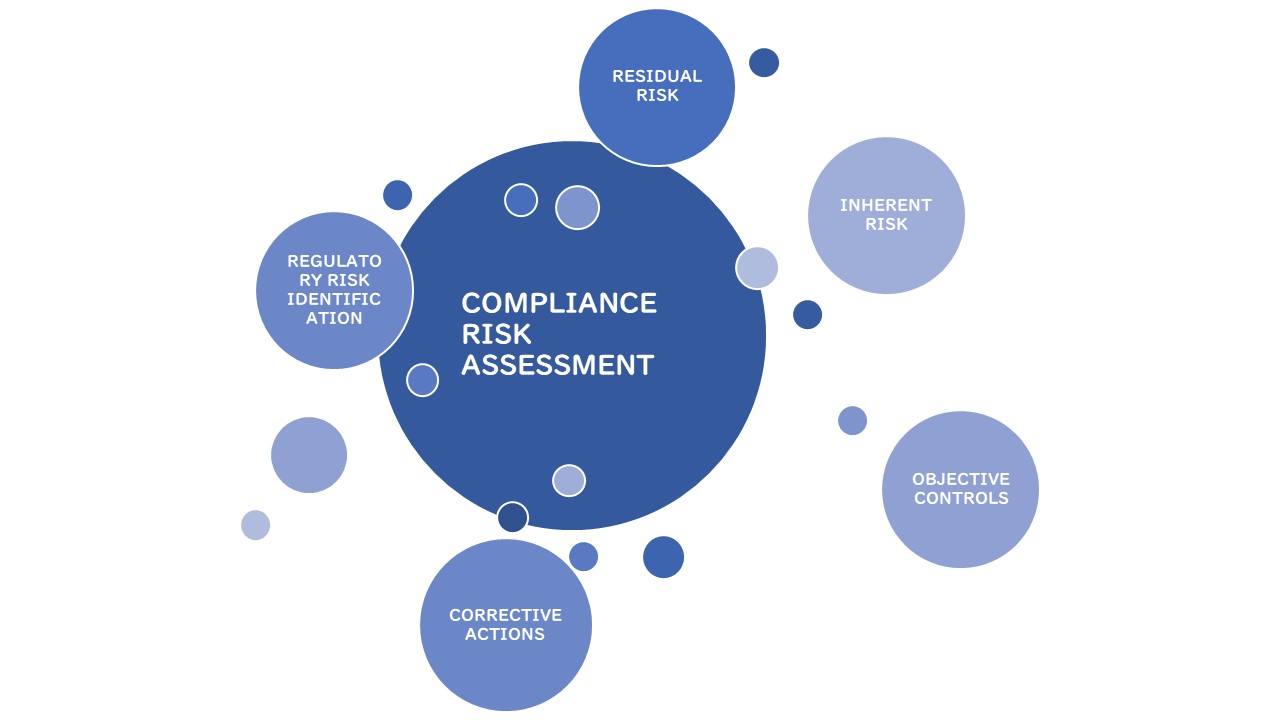
A fundamental aspect of compliance management is the ability to identify, assess, and monitor potential risks. Organizations that fail to conduct regular and comprehensive risk assessments are effectively flying blind. They may not understand the specific regulations that apply to their business, the areas where they are most vulnerable, or the effectiveness of their existing controls. A lack of continuous monitoring means that even if initial controls are put in place, they may become outdated or ineffective over time without being detected. This passive approach can allow minor issues to escalate into major compliance breaches before they are even recognized.
Weak Internal Controls and Audit Functions
Internal controls are the checks and balances designed to prevent and detect errors, fraud, and non-compliance. Weak internal controls can include a lack of segregation of duties (where one person has too much authority), insufficient approval processes, or inadequate documentation. A compromised or ineffective internal audit function further exacerbates this risk. Internal audits are crucial for independently evaluating the effectiveness of an organization’s controls and compliance programs. If the audit function is understaffed, lacks independence, or its findings are not acted upon, the organization loses a critical safeguard against compliance failures.
Lack of Ethical Culture and Tone at the Top
The ethical culture of an organization, often set by leadership, plays a significant role in compliance. If senior management does not visibly champion ethical behavior and adherence to rules, employees may feel less compelled to prioritize compliance. A “tone at the top” that implicitly or explicitly encourages cutting corners or disregarding regulations, even for the sake of short-term profit, is a direct pathway to compliance risk. This can lead to a culture where unethical behavior is tolerated or even rewarded, creating a significant moral hazard and a heightened likelihood of regulatory breaches. Conversely, a strong ethical culture, reinforced by clear communication and consistent action from leadership, fosters a sense of responsibility and accountability throughout the organization.
The Strategic Imperative of Compliance Risk Management
Effective compliance risk management is no longer a mere defensive posture; it has evolved into a strategic imperative that can drive organizational success and provide a competitive advantage. Proactive management of compliance risks is crucial for building trust, enhancing reputation, and ensuring long-term viability.
Building Trust and Reputation
In an era where transparency and accountability are increasingly valued by consumers, investors, and regulators, a strong compliance record is a powerful differentiator. Organizations that consistently demonstrate a commitment to ethical conduct and regulatory adherence build a reputation for reliability and integrity. This trust can translate into stronger customer loyalty, a more attractive proposition for investors, and smoother relationships with regulatory bodies. Conversely, a single compliance failure can quickly erode years of built-up trust and goodwill, leading to significant reputational damage that can be difficult and costly to repair. A proactive approach to compliance signals to stakeholders that the organization is well-managed, responsible, and committed to doing business the right way.
Enhancing Operational Efficiency and Performance
While compliance can sometimes be perceived as a bureaucratic burden, when managed effectively, it can actually lead to improved operational efficiency and performance. The process of identifying and addressing compliance risks often forces organizations to review and streamline their internal processes. This can lead to the elimination of redundancies, the adoption of best practices, and the implementation of more robust internal controls. For example, implementing stringent data privacy controls might necessitate a review of data storage and access policies, leading to better data organization and reduced storage costs. A well-defined compliance framework can also foster greater discipline and accountability, leading to fewer errors, reduced waste, and a more predictable operational environment.
Mitigating Financial Penalties and Legal Liabilities
The most immediate and quantifiable benefit of managing compliance risk is the avoidance of financial penalties and legal liabilities. Fines for non-compliance can range from modest sums to billions of dollars, depending on the severity of the violation and the industry. Beyond direct fines, organizations can incur significant costs related to legal defense, settlements, and remediation efforts. Furthermore, compliance failures can lead to costly litigation, business disruptions, and even the loss of operating licenses. By investing in robust compliance programs, organizations can significantly reduce their exposure to these financial risks, freeing up capital that can be reinvested in growth and innovation.
Driving Innovation and Strategic Advantage
Paradoxically, the constraints imposed by regulations can also serve as a catalyst for innovation. By understanding and adhering to compliance requirements, organizations can identify opportunities to develop new products, services, or business models that meet evolving regulatory standards or anticipate future compliance needs. For instance, the increasing focus on sustainability and environmental regulations is driving innovation in green technologies and circular economy business models. Similarly, advancements in regulatory technology (RegTech) are creating opportunities for companies to leverage AI and automation to enhance their compliance processes. Organizations that view compliance not as a hurdle but as a strategic enabler are better positioned to innovate and gain a competitive advantage in the marketplace.
In conclusion, compliance risk is an inherent and ever-present challenge in the modern business environment. Its effective management requires a comprehensive understanding of regulatory obligations, diligent oversight of operational and governance practices, and a strategic commitment to fostering a culture of integrity. By embracing proactive compliance risk management, organizations can not only avoid costly penalties and reputational damage but also unlock opportunities for enhanced efficiency, innovation, and sustained growth in an increasingly complex world.
aViewFromTheCave is a participant in the Amazon Services LLC Associates Program, an affiliate advertising program designed to provide a means for sites to earn advertising fees by advertising and linking to Amazon.com. Amazon, the Amazon logo, AmazonSupply, and the AmazonSupply logo are trademarks of Amazon.com, Inc. or its affiliates. As an Amazon Associate we earn affiliate commissions from qualifying purchases.