
In the realm of outdoor power equipment, leaf blowers have become indispensable tools for homeowners and landscaping professionals alike. Their primary function – to efficiently move fallen leaves, debris, and grass clippings – is largely dictated by their performance capabilities. While factors like air speed (MPH) are often highlighted, it’s the Cubic Feet per Minute (CFM) rating that truly represents a leaf blower’s power and its ability to tackle various yard work challenges. Understanding CFM is crucial for selecting the right tool for the job, ensuring optimal performance, and making an informed purchase decision. This article delves deep into what CFM signifies for leaf blowers, its importance in different scenarios, and how to interpret it when comparing models.

The Science of Airflow: Defining CFM and Its Significance
At its core, CFM, or Cubic Feet per Minute, is a unit of volumetric flow rate. In the context of leaf blowers, it quantifies the volume of air the machine can move in one minute. Imagine a giant invisible box, three feet long, three feet wide, and three feet high – that’s a cubic yard. CFM essentially measures how many of these “boxes” of air a leaf blower can displace in 60 seconds.
CFM vs. MPH: A Crucial Distinction
It’s common for consumers to be confused between CFM and MPH (Miles Per Hour). While both are measures of airflow, they represent different aspects of a leaf blower’s performance. MPH measures the speed at which the air exits the nozzle. A high MPH is important for directing air with precision and dislodging stubborn debris. However, a high MPH alone doesn’t guarantee the ability to move large volumes of material.
CFM, on the other hand, is about the quantity of air being moved. A leaf blower with a high CFM rating can push a larger volume of air, making it more effective for clearing vast areas or dealing with wet, heavy leaves. Think of it this way: a high-pressure water jet (high MPH) might be good for cleaning a single stubborn spot, but a large-capacity hose (high CFM) is needed to fill a swimming pool. For leaf blowers, a balanced combination of both CFM and MPH is often ideal, but for general clearing power, CFM is the primary indicator.
Why CFM Matters for Leaf Blower Performance
The CFM rating directly impacts a leaf blower’s effectiveness in several key areas:
- Clearing Large Areas: For sprawling lawns or properties with extensive tree cover, a high CFM is essential. It allows you to clear large swaths of leaves much faster, significantly reducing the time and effort required for yard maintenance.
- Tackling Wet or Heavy Debris: Wet leaves are considerably heavier and more compact than dry ones. A leaf blower with a low CFM will struggle to move them effectively, often pushing them around rather than clearing them. A higher CFM rating provides the necessary force to overcome this resistance.
- Moving Compacted Material: Whether it’s mulched leaves, wet grass clippings, or even light snow, a higher CFM can dislodge and move these more compacted materials with greater ease.
- Efficiency and Productivity: Ultimately, a leaf blower with an appropriate CFM rating for your needs will lead to greater efficiency. You’ll spend less time blowing and more time enjoying your clean yard, or moving on to other tasks. This is particularly important for professionals who bill by the hour or by the job.
Navigating the CFM Spectrum: Understanding Different Leaf Blower Classes
Leaf blowers are generally categorized by their CFM ratings, which helps consumers choose a tool suited to their specific needs and property size. These categories are not rigidly defined by manufacturers but offer a useful general guide.
Residential-Grade Leaf Blowers (Under 300 CFM)
Leaf blowers in this range are typically best suited for small to medium-sized yards with lighter leaf accumulation. They are often battery-powered or smaller gas models.
- Ideal Use Cases: Clearing light layers of dry leaves from patios, walkways, and small lawns. These are good for quick touch-ups and managing minimal debris.
- Limitations: They may struggle with wet, heavy leaves, large piles of debris, or extensive properties. While they offer portability and ease of use, their power output is limited for more demanding tasks.
- Considerations: Battery life and charging times are key factors for electric models in this category. For gas models, their lighter weight and simpler operation make them appealing for less frequent users.
Mid-Range Leaf Blowers (300-500 CFM)
This category offers a significant step up in power and is suitable for most suburban homes with medium to large yards. These often include more powerful battery models and entry-level to mid-range gas blowers.
- Ideal Use Cases: Clearing moderate to heavy leaf fall from medium to large lawns, tackling damp leaves, and managing grass clippings after mowing. They are capable of clearing larger areas more efficiently.
- Advantages: Offer a good balance between power, portability, and price. They can handle a wider variety of debris types and conditions than residential models.
- User Experience: Users will notice a substantial difference in clearing speed and the ability to move more material in fewer passes. This range often includes models with comfortable ergonomics and ease of starting.
Professional-Grade Leaf Blowers (Over 500 CFM)
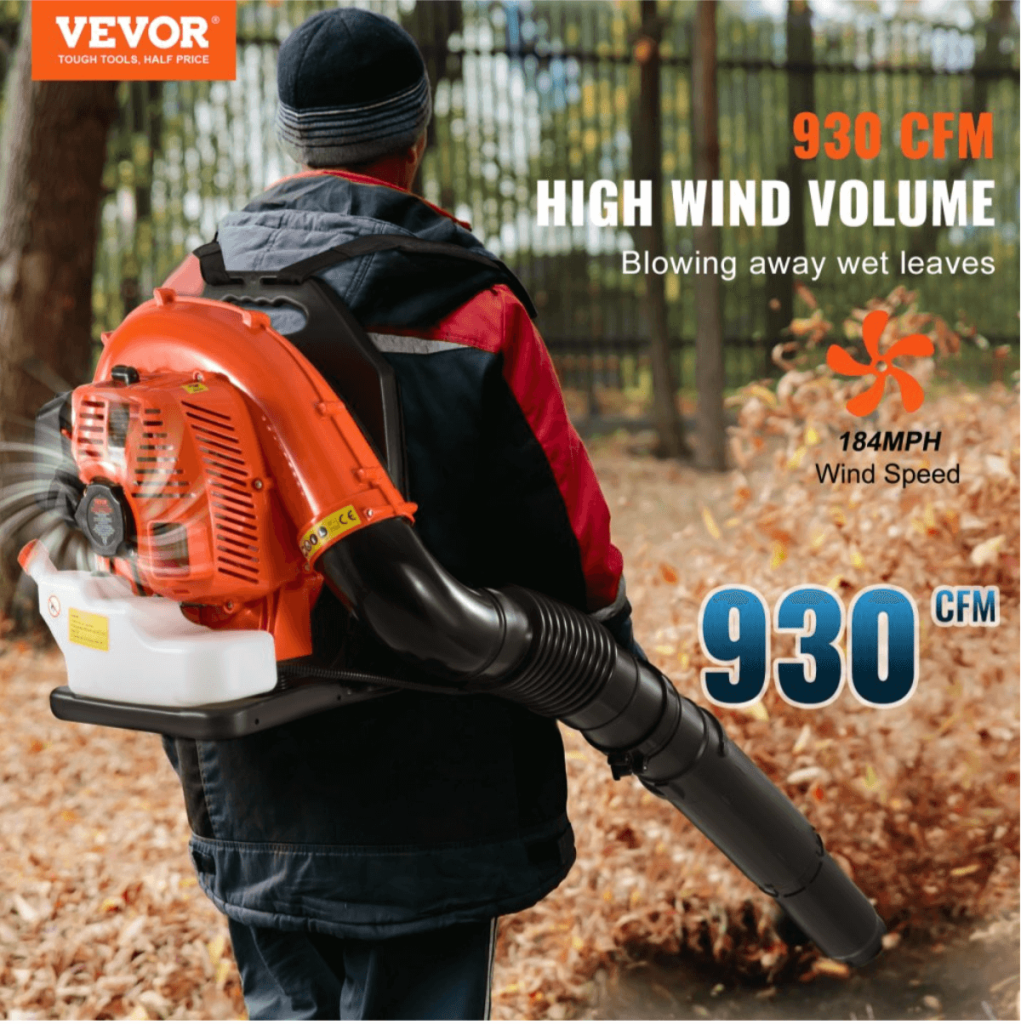
Leaf blowers in this category are built for demanding tasks and are favored by landscaping professionals, property managers, and homeowners with very large estates or challenging debris situations. These are almost exclusively gas-powered, with backpack designs being common to manage their weight and power.
- Ideal Use Cases: Clearing vast properties, moving very wet and heavy leaves, clearing large piles of debris, and professional landscaping services. They are designed for continuous, heavy-duty use.
- Performance Characteristics: These machines boast the highest CFM ratings, allowing them to move enormous volumes of air quickly. This translates to unparalleled clearing power and efficiency for the most challenging jobs.
- Design and Features: Professional models often feature more robust engines, advanced air filtration systems, ergonomic harnesses (for backpack blowers), and durable construction to withstand frequent use in harsh conditions.
Beyond the Number: Factors Influencing Leaf Blower Power and Your Choice
While CFM is a vital metric, it’s not the sole determinant of a leaf blower’s performance. Several other factors contribute to its overall effectiveness and user experience, which should be considered alongside the CFM rating.
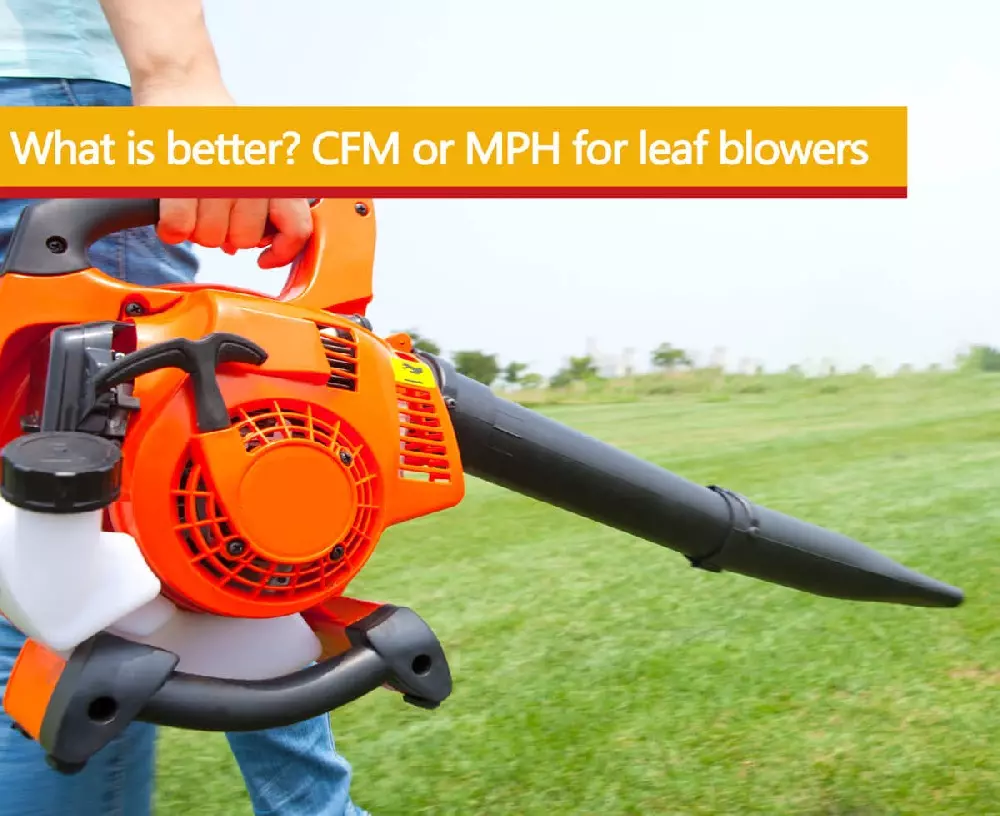
Engine Power and Type (Gas vs. Electric)
The type of engine powering the leaf blower significantly influences its CFM output and overall performance.
- Gas-Powered Leaf Blowers: Generally offer higher CFM and MPH ratings compared to their electric counterparts. They are ideal for larger properties and heavy-duty tasks due to their raw power. However, they can be heavier, noisier, and require fuel and maintenance.
- 2-Stroke vs. 4-Stroke Engines: 2-stroke engines are typically lighter and more powerful for their size but require a gas-oil mixture. 4-stroke engines are generally more fuel-efficient, quieter, and produce fewer emissions but can be heavier.
- Electric Leaf Blowers: Offer convenience, quieter operation, and less maintenance. They are excellent for smaller to medium-sized yards.
- Corded Electric: Provide consistent power without battery limitations but are restricted by the cord length.
- Battery-Powered (Cordless Electric): Offer freedom of movement and are becoming increasingly powerful, with advanced battery technology closing the gap with gas models. Battery life, charge time, and the availability of interchangeable batteries are crucial considerations.
Nozzle Design and Airflow Dynamics
The design of the leaf blower’s nozzle plays a crucial role in how effectively the air is directed and concentrated.
- Tapered Nozzles: These are common and help to accelerate the air speed, making them effective for precise blowing and dislodging debris from tight spots.
- Flat or Wide Nozzles: Can distribute air over a larger area, which can be beneficial for clearing wide open spaces, though they might sacrifice some concentrated force.
- Curved Nozzles: Some specialized nozzles may incorporate curves to improve maneuverability and airflow direction, especially in backpack blowers.
User Comfort and Ergonomics
A powerful leaf blower is of little use if it’s uncomfortable to operate. Ergonomic design is paramount, especially for extended use.
- Weight Distribution: For handheld blowers, the balance and weight distribution significantly impact user fatigue. Backpack blowers distribute weight across the shoulders and back, allowing for longer use of higher-powered units.
- Handle Design: Padded grips, vibration-dampening systems, and adjustable handle positions can greatly improve comfort and reduce strain.
- Noise Levels: While CFM is about power, noise levels are a significant consideration for user comfort and neighborly relations. Electric models generally produce less noise than gas models.
Maintenance and Durability
The longevity and ease of maintenance of a leaf blower are important considerations, especially for those who use their equipment frequently.
- Gas Models: Require regular maintenance such as air filter cleaning, spark plug replacement, and fuel system upkeep.
- Electric Models: Generally require less maintenance, with battery care being the primary concern for cordless units.
- Build Quality: Look for models constructed with durable materials that can withstand the rigors of outdoor use. Metal components and robust plastic casings are indicators of quality.
Making the Right Choice: Aligning CFM with Your Yard’s Needs
Selecting the optimal leaf blower involves a thoughtful assessment of your specific property and typical yard maintenance tasks. A CFM rating that is too low will lead to frustration and inefficiency, while an excessively high CFM might be overkill and unnecessary for smaller needs, potentially leading to higher costs and increased noise.
Assessing Your Property Size and Debris Type
The first step is to honestly evaluate the size of your yard and the typical types of debris you need to manage.
- Small Yards (under 1/4 acre): A residential-grade blower with a CFM rating between 150-300 might suffice, especially if most debris is dry leaves. Battery-powered models are often an excellent choice here for their convenience.
- Medium Yards (1/4 to 1/2 acre): A mid-range blower with a CFM of 300-500 will offer significantly better performance and speed up clearing tasks. Consider both powerful battery models and smaller gas blowers.
- Large Yards (over 1/2 acre) or Properties with Heavy Debris: Professional-grade blowers with CFM ratings exceeding 500 are likely necessary. For very large properties or frequent use, a backpack blower will provide the most power and comfort. If you frequently deal with wet leaves, dense foliage, or compacted debris, prioritize higher CFM regardless of property size.
Budget Considerations and Long-Term Value
Leaf blowers vary significantly in price, from under $100 for basic electric models to several hundred dollars for high-end gas or professional-grade units.
- Initial Investment vs. Long-Term Cost: While a cheaper blower might seem appealing, if it doesn’t effectively clear your yard, you’ll likely end up replacing it sooner or spending more time on manual labor. Consider the total cost of ownership, including fuel, maintenance, and potential replacement costs.
- Power vs. Price Trade-off: Generally, higher CFM ratings come with a higher price tag. Determine the minimum CFM you need to effectively accomplish your tasks and then explore models within that range that fit your budget.
- Brand Reputation and Reviews: Researching brand reputation and reading user reviews can provide valuable insights into a leaf blower’s reliability, durability, and real-world performance, helping you make a more informed decision.
Balancing CFM with Other Performance Metrics and Features
While CFM is paramount for moving air volume, don’t neglect other important metrics.
- Air Speed (MPH): For dislodging stubborn debris or directing airflow with precision, a decent MPH is also important. A blower with high CFM but low MPH might push large volumes of air but without much force.
- Weight and Ergonomics: As mentioned, comfort is key. A powerful blower that you can’t comfortably wield for more than a few minutes is not a good investment.
- Noise Level: Consider local noise ordinances and your personal tolerance for noise.
- Fuel Efficiency and Emissions: For gas models, these factors can impact ongoing costs and environmental impact.
By understanding what CFM represents, how it correlates to different types of leaf blowers, and by carefully assessing your personal needs and property characteristics, you can confidently select a leaf blower that will efficiently and effectively maintain your outdoor spaces for years to come. The right CFM rating transforms a daunting chore into a manageable and even satisfying task, allowing you to enjoy the beauty of your property without the burden of excessive debris.
aViewFromTheCave is a participant in the Amazon Services LLC Associates Program, an affiliate advertising program designed to provide a means for sites to earn advertising fees by advertising and linking to Amazon.com. Amazon, the Amazon logo, AmazonSupply, and the AmazonSupply logo are trademarks of Amazon.com, Inc. or its affiliates. As an Amazon Associate we earn affiliate commissions from qualifying purchases.