
The integrity of our food supply is a paramount concern, impacting public health, global economies, and consumer trust. While physical hazards like glass shards or foreign objects are readily apparent, chemical food hazards represent a more insidious threat, often invisible to the naked eye yet capable of causing significant harm. Understanding these hazards, their origins, and the sophisticated technological approaches to detect and manage them is crucial in safeguarding our food. This exploration will focus on a prominent example of a chemical food hazard and the technological landscape that surrounds its identification and control.
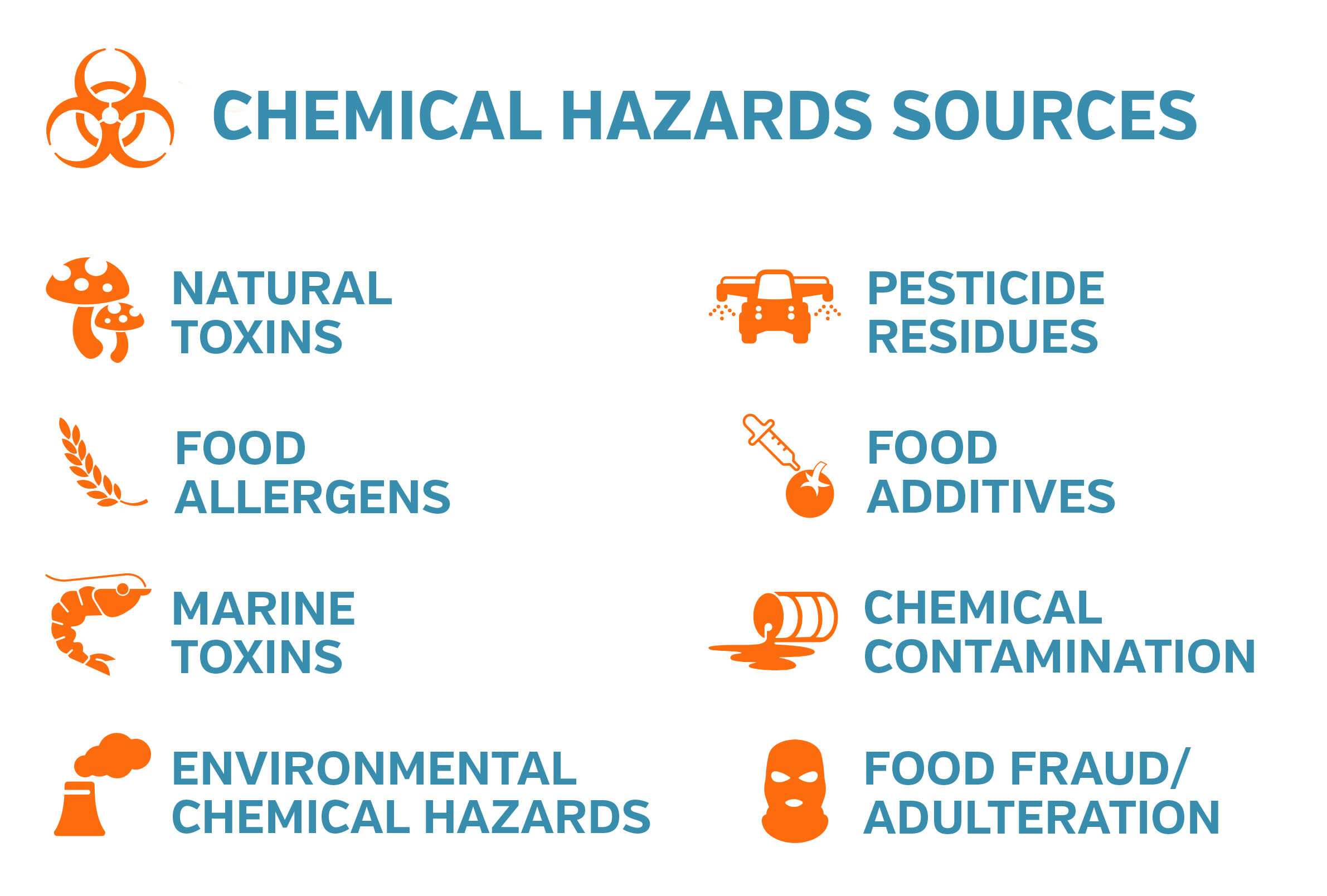
Understanding the Threat: Mycotoxins as a Chemical Food Hazard
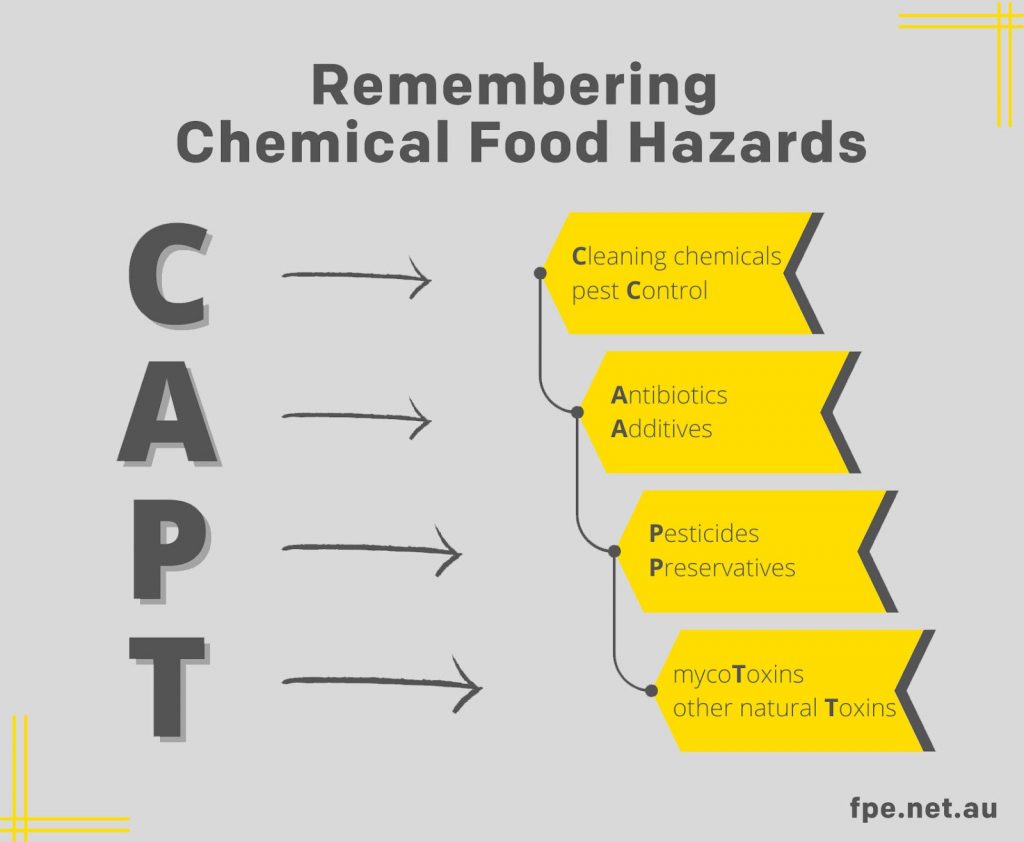
Among the vast array of chemical food hazards, mycotoxins stand out as a particularly pervasive and concerning group. These toxic secondary metabolites are produced by certain molds (fungi) that can contaminate food crops at various stages, from growth in the field to storage. Their presence is not a reflection of poor hygiene in a processing plant but rather a consequence of environmental conditions that favor mold growth.
The Biological Genesis of Chemical Contamination
Mycotoxins are not directly introduced into the food chain by human intervention in the way some other chemical hazards might be. Instead, their origin lies in the biological processes of specific fungal species. Common culprits include Aspergillus, Penicillium, and Fusarium molds, which thrive in warm, humid conditions. These molds can infect a wide range of agricultural commodities, including cereals (corn, wheat, barley, rice), nuts (peanuts, almonds, pistachios), fruits (grapes, apples), and spices.
The type of mycotoxin produced is dependent on the specific mold species and the environmental conditions. For instance, Aspergillus flavus and Aspergillus parasiticus are notorious for producing aflatoxins, a group of highly potent carcinogens. Fusarium graminearum can lead to the production of fumonisins and trichothecenes, while Penicillium species are associated with ochratoxin A.
The Diverse Spectrum of Mycotoxin Toxicity
The impact of mycotoxin ingestion on human and animal health is varied and depends on the specific mycotoxin, the dose, and the duration of exposure. Mycotoxins can exert a range of toxic effects, including:
- Carcinogenicity: Aflatoxins are classified as Group 1 carcinogens by the International Agency for Research on Cancer (IARC), meaning they are definitively carcinogenic to humans.
- Hepatotoxicity: Many mycotoxins, particularly aflatoxins and ochratoxin A, are known to cause liver damage.
- Nephrotoxicity: Ochratoxin A can also target the kidneys.
- Immunosuppression: Certain mycotoxins can weaken the immune system, making individuals more susceptible to infections.
- Gastrointestinal Distress: Some mycotoxins can cause nausea, vomiting, and diarrhea.
- Neurological Effects: Fumonisins, for example, have been linked to neurological disorders in animals.
- Reproductive Toxicity: Some mycotoxins can interfere with reproductive health.
The chronic, low-level exposure to mycotoxins, which is more common than acute poisoning, poses a significant public health challenge as the effects can be cumulative and difficult to attribute to a single source.
Technological Solutions for Detection and Surveillance
The invisible nature of mycotoxins necessitates the application of advanced technological solutions for their detection and surveillance. This is where the intersection of food science and technology becomes critical. From laboratory-based analytical techniques to on-site rapid testing devices, a multifaceted technological approach is employed to ensure food safety.
Advanced Analytical Instrumentation: The Gold Standard
The cornerstone of mycotoxin detection lies in sophisticated analytical instrumentation housed within specialized laboratories. These techniques offer high sensitivity and specificity, allowing for accurate quantification of mycotoxin levels in food matrices.
- High-Performance Liquid Chromatography (HPLC): HPLC is a widely used technique for separating, identifying, and quantifying compounds in a mixture. Coupled with various detectors, such as UV-Vis, fluorescence, or mass spectrometry, HPLC can effectively detect and measure a broad range of mycotoxins. The separation power of HPLC allows for the resolution of closely related compounds, ensuring accurate identification.
- Liquid Chromatography-Mass Spectrometry (LC-MS/MS): This is perhaps the most powerful and versatile analytical technique for mycotoxin analysis. LC-MS/MS combines the separation capabilities of liquid chromatography with the mass analysis capabilities of mass spectrometry. The tandem mass spectrometry (MS/MS) component provides high selectivity and sensitivity by allowing for targeted detection of specific mycotoxin fragments. This makes it invaluable for complex food matrices and for detecting trace levels of contamination.
- Gas Chromatography-Mass Spectrometry (GC-MS): While less common for many mycotoxins due to their relatively low volatility, GC-MS is employed for certain mycotoxins that can be derivatized to increase their volatility. Similar to LC-MS/MS, it offers excellent separation and identification capabilities.
- Enzyme-Linked Immunosorbent Assay (ELISA): ELISA is a widely used immunological assay that relies on the specific binding of antibodies to target mycotoxins. It is a relatively rapid and cost-effective method for screening large numbers of samples. While generally less quantitative than chromatographic methods, it provides a good initial assessment of mycotoxin presence and can be used to confirm findings with more advanced techniques. ELISA kits are readily available for various mycotoxins.
These laboratory-based techniques are essential for regulatory compliance, research, and comprehensive food safety testing. They provide the data necessary to establish maximum residue limits (MRLs) and to monitor the effectiveness of mitigation strategies.
Rapid Detection Technologies: Empowering Field and Factory
While laboratory analysis remains crucial, the need for faster, on-site detection has driven the development of rapid testing technologies. These tools allow for immediate screening at various points in the food supply chain, from farms and storage facilities to processing plants and distribution centers.
- Lateral Flow Devices (LFDs): Similar in principle to home pregnancy tests, LFDs utilize antibodies immobilized on a strip to detect the presence of specific mycotoxins. Samples are prepared and applied to the device, and a visual result (e.g., colored lines) indicates whether the mycotoxin is present above a certain threshold. LFDs are user-friendly, portable, and provide results within minutes, making them ideal for rapid screening.
- Biosensors: Biosensors integrate a biological recognition element (e.g., antibodies, enzymes, aptamers) with a transducer that converts the biological interaction into a measurable signal (electrical, optical, or acoustic). Advancements in nanotechnology and microfluidics are leading to the development of highly sensitive and selective portable biosensors for mycotoxin detection. These devices offer the potential for real-time monitoring and data transmission.
- Spectroscopic Techniques: Emerging spectroscopic methods, such as Near-Infrared (NIR) spectroscopy and Raman spectroscopy, are being explored for their potential in non-destructive, rapid detection of mycotoxins. These techniques analyze the interaction of light with the food sample to identify chemical fingerprints associated with mycotoxin contamination. While still under development for routine mycotoxin quantification, they hold promise for future field applications.
The integration of rapid detection technologies complements laboratory analysis by providing a first line of defense, enabling quicker decision-making and reducing the risk of contaminated products entering the market.
Digital Integration and Data Management in Chemical Hazard Control
The effective management of chemical food hazards like mycotoxins extends beyond detection to encompass robust data management, traceability, and risk assessment systems, all of which are increasingly reliant on digital technologies.
Traceability Systems and Blockchain Technology
Understanding the origin and journey of food products is fundamental to managing chemical hazards. Modern traceability systems leverage digital databases to record every step of the supply chain, from farm to fork. This allows for rapid identification of the source of contamination in the event of a hazard detection.
- Global Standards and Databases: Organizations like the Global Food Safety Initiative (GFSI) promote harmonized food safety standards, which often include requirements for robust traceability. Digital platforms facilitate the implementation and management of these traceability data.
- Blockchain for Enhanced Transparency: Blockchain technology offers a decentralized and immutable ledger for recording supply chain transactions. This can provide unparalleled transparency and security for traceability data, making it more difficult to tamper with records and increasing consumer confidence. By creating a secure, shared record of product movement and quality control checks, blockchain can significantly enhance the ability to pinpoint the source of mycotoxin contamination.

Predictive Modeling and Artificial Intelligence (AI)
The vast amounts of data generated from mycotoxin testing, alongside environmental and agricultural data, are increasingly being harnessed by predictive modeling and AI. These technologies can help anticipate potential contamination risks and inform proactive mitigation strategies.
- Risk Assessment Tools: AI algorithms can analyze historical data on weather patterns, crop types, geographical locations, and mold prevalence to predict areas and crops at high risk for mycotoxin contamination. This allows for targeted monitoring and preventative measures.
- Machine Learning for Pattern Recognition: Machine learning models can be trained to identify subtle patterns in spectroscopic data or other sensor outputs that may indicate the presence of mycotoxins, even at levels below current detection thresholds of some rapid tests.
- Smart Farming and IoT: The Internet of Things (IoT) can be integrated with sensors deployed in fields to monitor environmental conditions conducive to mold growth. This real-time data can then feed into predictive models, alerting farmers to potential risks before contamination occurs.
By leveraging digital technologies, the food industry is moving towards a more proactive and preventative approach to managing chemical food hazards, ensuring a safer food supply for consumers worldwide. The continuous evolution of these technologies promises even greater precision, speed, and effectiveness in safeguarding our food from invisible chemical threats.
aViewFromTheCave is a participant in the Amazon Services LLC Associates Program, an affiliate advertising program designed to provide a means for sites to earn advertising fees by advertising and linking to Amazon.com. Amazon, the Amazon logo, AmazonSupply, and the AmazonSupply logo are trademarks of Amazon.com, Inc. or its affiliates. As an Amazon Associate we earn affiliate commissions from qualifying purchases.