
The phrase “application in process” is ubiquitous in our modern, digitized world, yet its full implications often remain shrouded in a fog of anticipation and uncertainty. At its core, it signifies a crucial intermediary stage: the period after you’ve submitted a formal request and before a final decision is rendered. It’s a dynamic state, indicating that your submission is no longer static; it is actively moving through a workflow, undergoing review, evaluation, or verification by the receiving entity. Far from a passive waiting game, this phase is often a complex, multi-layered journey, profoundly influenced by technological advancements, brand considerations, and critical financial implications. Understanding what “in process” truly entails—whether you’re seeking a new job, a financial loan, or a software update—provides not just clarity but also empowers you with insights into how best to navigate these periods of evaluation.

In an era where every interaction, from securing a mortgage to downloading a new app, involves some form of application, grasping the nuances of this phrase is more vital than ever. This article will delve into the multifaceted meaning of “application in process” by exploring its significance across the key domains of technology, brand, and money, as relevant to our comprehensive coverage. We’ll uncover how digital tools expedite and transform these processes, how your personal and corporate brand is scrutinized during evaluation, and the profound financial stakes inherent in an “in process” application.
Decoding “Application in Process” in the Digital Age: The Tech Perspective
In the technological landscape, “application in process” has evolved dramatically, shifting from manual paperwork to highly automated, algorithm-driven systems. Technology doesn’t just streamline the submission; it fundamentally redefines the entire journey of an application, from initial receipt to final decision. This transformation impacts everything from how job seekers apply to how users access digital services and how developers roll out software updates.
The Backend of Digital Applications: Software and Automation
At the heart of modern “in process” applications lies sophisticated software and automation. For instance, in recruitment, Applicant Tracking Systems (ATS) are prime examples. When a candidate submits a resume, it immediately enters the ATS, which then initiates a process: parsing the data, screening for keywords, and ranking candidates based on predefined criteria. The application isn’t just sitting there; it’s actively being analyzed by algorithms, potentially moving through various stages of automated review before a human even lays eyes on it. This automated pre-screening is what “in process” often means in a job application context – a technological evaluation of fit.
Similarly, when applying for online services, from streaming platforms to Software-as-a-Service (SaaS) tools, your application for an account or subscription triggers a series of automated checks. This might involve verifying your email, processing payment details, or running initial fraud checks. AI and machine learning tools are increasingly integrated into these back-end processes, enabling faster data processing, pattern recognition, and even predictive analytics to assess risk or potential value. For example, a financial tech (FinTech) platform might use AI to process loan applications by rapidly analyzing vast amounts of data, vastly accelerating the “in process” phase compared to traditional methods.
Beyond user-facing applications, the term also resonates within software development itself. When a new app feature or system update is “in process,” it refers to the ongoing stages of development, testing, and deployment. The “application” (the software itself) is being processed through various phases of the software development lifecycle (SDLC), involving coding, debugging, quality assurance, and staging before it is finally released to users. This internal processing ensures functionality, security, and a seamless user experience.
Beyond Submission: Digital Security and User Experience
The “in process” phase isn’t solely about evaluation; it’s also a critical period for ensuring digital security and enhancing user experience. As your sensitive data—personal details, financial information, or proprietary business plans—moves through various digital channels, robust cybersecurity measures are “in process” to protect it. Encryption protocols, secure servers, multi-factor authentication, and constant threat monitoring are all active components designed to safeguard data integrity and privacy during the transmission and storage phases. This digital security “in process” is vital to building and maintaining trust in online platforms.
From a user experience perspective, modern applications often provide transparency during the “in process” stage. Unlike older systems where an application might simply disappear into a black box, today’s digital platforms frequently offer dashboards, progress trackers, and automated notifications (via email or in-app alerts) to keep applicants informed. This transparency—showing an application’s current status, what steps remain, or if additional information is required—transforms the “in process” phase from a period of blind waiting into a more engaging and less anxious experience. It’s a testament to how technology aims to improve not just efficiency but also the emotional journey of the user.
The Strategic Implications: “Application in Process” for Brands and Identity
While technology manages the mechanics, the “in process” phase also serves as a crucial crucible for evaluating brand and identity. Whether it’s an individual applying for a job or a corporation seeking strategic partnerships, the perception and strength of one’s brand are meticulously scrutinized during this period of evaluation. It highlights how a brand is not just what you say you are, but what others perceive you to be when you seek an opportunity.
Personal Brand Under Review: Job Applications and Beyond
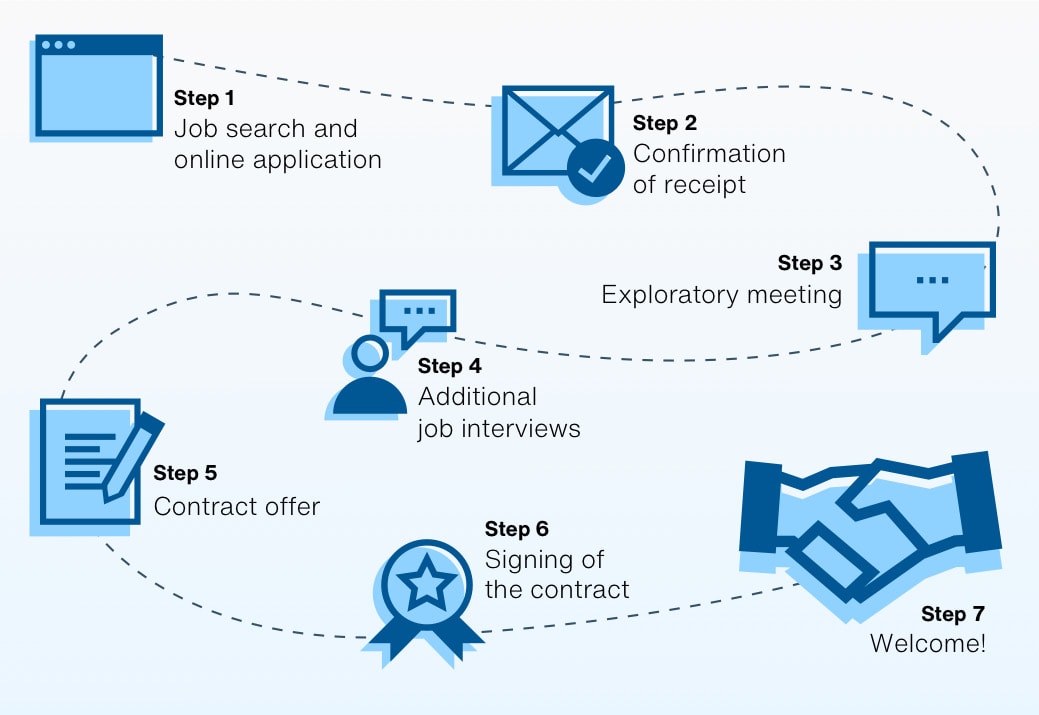
For individuals, “application in process” is intrinsically linked to personal branding. When you apply for a job, an internship, a scholarship, or even a volunteer position, your personal brand—the unique combination of your skills, experience, values, and online presence—is what is actively being evaluated. Recruiters and admissions committees don’t just look at the resume; they often conduct background checks, scour social media profiles, and search for any digital footprint that corroborates or contradicts your presented identity. The “in process” stage, therefore, is where your carefully cultivated personal brand is put to the test.
This period requires your personal brand to be consistent and compelling. An application moves forward not just because of qualifications, but because the applicant’s brand resonates with the organization’s culture and needs. A strong personal brand, carefully curated through consistent online presence, professional networking, and demonstrable expertise, can significantly enhance an application’s trajectory through the “in process” stages. Conversely, inconsistencies or a lack of clarity in your personal brand can derail an otherwise qualified application, leading to its rejection even before direct interaction. It’s a continuous application of your identity to new opportunities.
Corporate Identity and Strategic Applications
For businesses, “application in process” often carries profound strategic weight, directly impacting their corporate identity and future trajectory. Companies frequently apply for a myriad of strategic initiatives: government grants, industry certifications, regulatory approvals, partnerships, or even new market entries. During these “in process” phases, the corporate identity—its mission, values, history, reputation, and financial stability—is rigorously assessed. Stakeholders will evaluate whether the company’s brand aligns with the requirements and objectives of the application, scrutinizing past performance, public perception, and adherence to industry standards.
For example, a company applying for a large government contract will have its operational capabilities, financial health, and ethical conduct thoroughly reviewed. Its corporate brand’s reputation for reliability and innovation becomes a key factor “in process.” Similarly, when a startup applies for venture capital funding, the investors are not just evaluating the business model; they are assessing the founders’ vision, the team’s cohesion, and the company’s potential to build a valuable brand in the market. The “in process” phase here is a direct evaluation of the corporate brand’s strength, viability, and future prospects, serving as a critical gateway to growth or expansion. Marketing departments also operate with applications “in process” as they launch and evaluate campaigns, applying brand strategies and measuring their impact.
Financial Gateways: “Application in Process” and Your Money
Perhaps nowhere is “application in process” more keenly felt than in the realm of finance. For individuals and businesses alike, this phrase signifies a crucial juncture that can unlock access to vital capital, resources, and opportunities. The stakes are often high, as the outcome directly impacts personal financial stability, investment capabilities, or a company’s ability to fund operations and expansion.
Personal Finance: Loans, Credit, and Investments
In personal finance, “application in process” is a familiar and often anxious phrase. When you apply for a mortgage, a credit card, a personal loan, or even open an investment account, your application immediately enters this critical evaluation phase. Lenders and financial institutions initiate a comprehensive review that typically involves several key steps: a credit check to assess your financial history and creditworthiness, verification of income and employment, assessment of existing debts, and evaluation of collateral if applicable. Each piece of information you provide becomes part of a detailed financial profile that is “in process” of being scrutinized.
For a mortgage application, this might involve an underwriter meticulously reviewing all documentation, assessing risk, and ensuring compliance with lending regulations. For a credit card, it’s an automated system checking credit scores and debt-to-income ratios. The duration of this “in process” phase can vary significantly depending on the complexity of the application and the efficiency of the financial institution. During this time, applicants often experience a mixture of hope and trepidation, understanding that the outcome can profoundly impact their ability to achieve significant life goals, from homeownership to financial security. Staying organized and responsive to requests for additional documentation can help smooth the process.
Business Finance and Funding Opportunities
For businesses, “application in process” often represents a bottleneck or a bridge to vital funding. Whether it’s applying for a business loan, securing a line of credit, pursuing venture capital funding, or seeking government grants, the application journey is rigorous and complex. Financial institutions and investors delve deep into a company’s financial health, business model, market potential, management team, and projected cash flows. This “in process” stage involves detailed due diligence, financial forecasting, risk assessment, and legal reviews.
For startups seeking venture capital, the “in process” phase might involve multiple rounds of presentations, extensive data room reviews, and negotiations as investors evaluate the business plan and its potential for exponential growth. For established businesses seeking a traditional loan, it’s about demonstrating a strong balance sheet, consistent profitability, and a clear repayment strategy. Modern financial tools and platforms, particularly in FinTech, are playing an increasingly crucial role in streamlining these complex applications, offering automated data analysis, digital document submission, and AI-powered risk assessment to expedite the “in process” period. However, despite technological advancements, the fundamental scrutiny of financial viability and strategic alignment remains paramount. The outcome of these “in process” applications can dictate a business’s ability to innovate, expand, or even survive.
Navigating the “In Process” Phase: Best Practices and Mindset
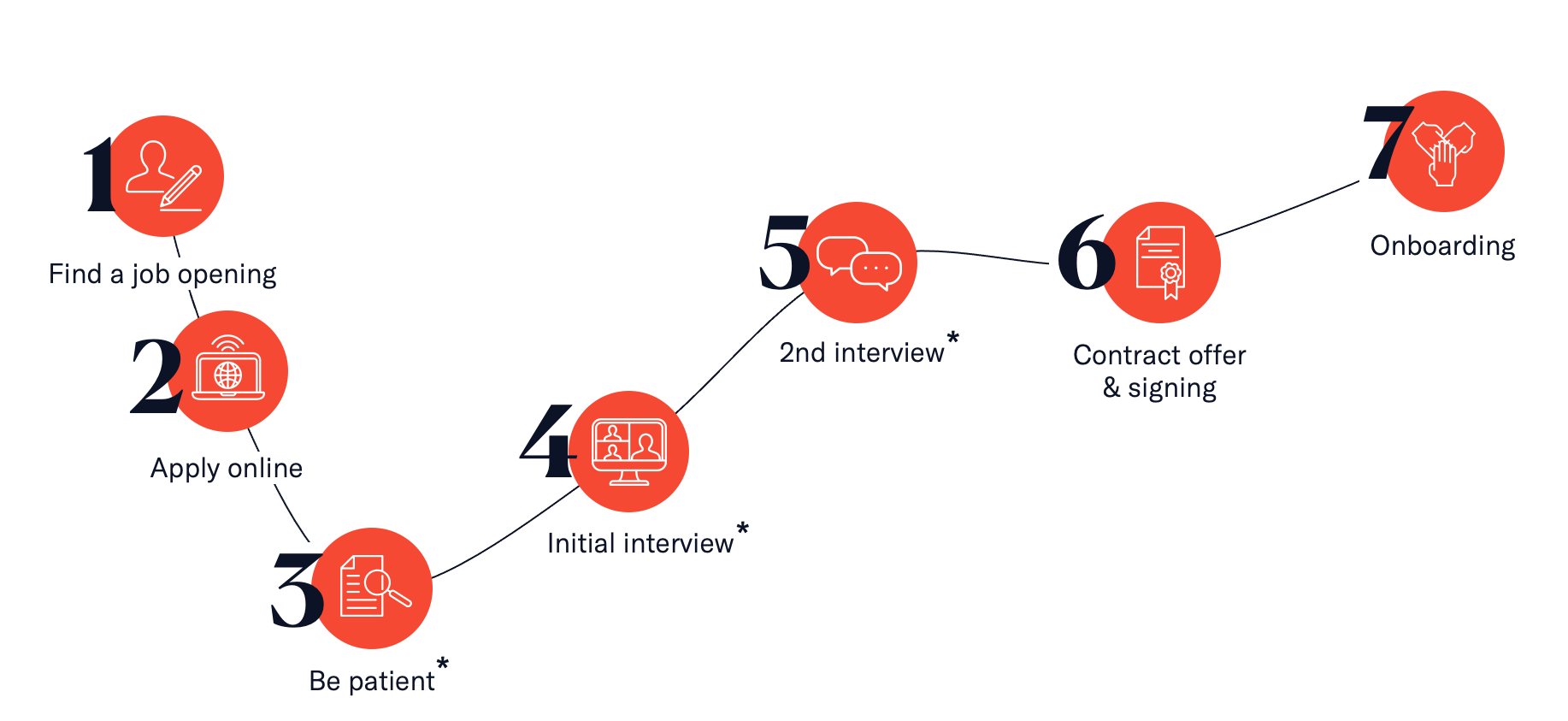
Regardless of the domain—tech, brand, or money—successfully navigating the “application in process” phase requires a combination of preparation, patience, and proactive engagement. Firstly, thorough preparation is paramount. Ensure all required information is accurate, complete, and submitted in the specified format. This minimizes delays and avoids triggering requests for additional details that can prolong the “in process” period.
Secondly, patience and realistic expectations are crucial. Understand that complex applications, especially those involving financial approvals or extensive background checks, naturally take time. While technology has expedited many aspects, human review, regulatory compliance, and due diligence are still integral parts of the process. Resist the urge to constantly contact the reviewing entity, as this can sometimes impede rather than help.
However, proactive follow-up is also valuable when done appropriately. If a specified timeframe has passed or if the application status remains unchanged for an unusually long period, a polite inquiry can be warranted. Often, platforms provide a specific contact point or a tracking number for such queries. Being responsive to any requests for further information is also key to keeping the application moving forward. Always have supporting documentation readily available and be prepared to clarify any details.
Finally, maintaining a positive and professional mindset is important. While the “in process” phase can be anxiety-inducing, focusing on what you can control—your preparation, responsiveness, and professional demeanor—can alleviate some stress. Understanding that “in process” means action is being taken, even if slowly, provides a sense of reassurance.
In conclusion, “application in process” is far more than a simple status update; it’s a dynamic and critical stage of evaluation across virtually every sphere of our interconnected lives. From the technological algorithms diligently sifting through data, to the careful assessment of personal and corporate brands, to the meticulous financial due diligence that underpins our economic stability, this phrase represents a pivotal bridge between submission and outcome. It is a period of anticipation, but also of intense scrutiny and potential, fundamentally shaped by the advancements in technology, the power of branding, and the intricate world of finance. A comprehensive understanding of its meaning empowers individuals and organizations to better prepare, participate, and ultimately succeed in securing the opportunities they seek.
aViewFromTheCave is a participant in the Amazon Services LLC Associates Program, an affiliate advertising program designed to provide a means for sites to earn advertising fees by advertising and linking to Amazon.com. Amazon, the Amazon logo, AmazonSupply, and the AmazonSupply logo are trademarks of Amazon.com, Inc. or its affiliates. As an Amazon Associate we earn affiliate commissions from qualifying purchases.