
In the landscape of modern computing, few innovations have sparked as much discourse, confusion, and genuine transformation as blockchain technology. Often overshadowed by the volatile markets of the cryptocurrencies it powers, the underlying architecture of the blockchain represents a fundamental shift in how data is stored, verified, and transmitted across the globe. At its core, blockchain is a distributed ledger technology (DLT) that enables the secure, transparent, and immutable recording of data. By removing the need for a central authority—such as a bank, a government, or a tech conglomerate—blockchain introduces a trustless environment where the protocol itself ensures the integrity of the information.
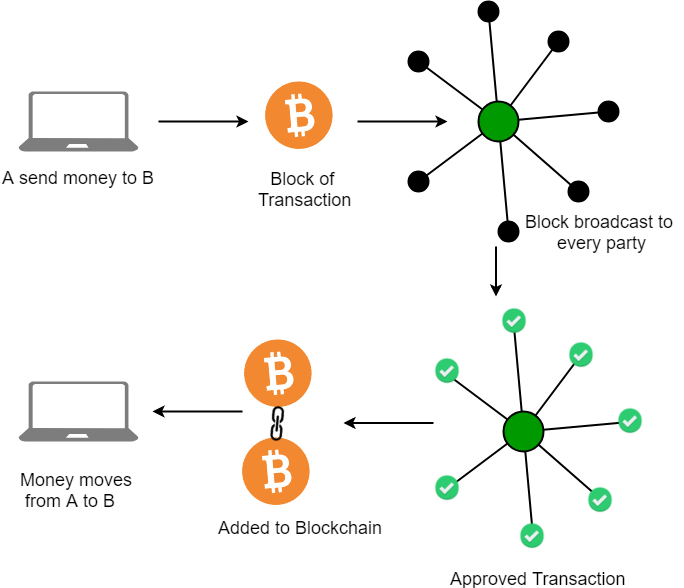
To understand blockchain is to understand the evolution of the internet from a “web of information” to a “web of value.” This transition is fueled by sophisticated cryptography, peer-to-peer networking, and consensus algorithms that collectively redefine digital security and software development.
The Fundamental Architecture of Distributed Ledgers
Unlike a traditional database that is stored on a central server, a blockchain is distributed across a network of computers, often referred to as nodes. This architectural difference is the cornerstone of why the technology is so resilient and transparent.
Decentralization vs. Centralization
In a centralized system, a single entity controls the data. If that server is hacked or the entity decides to alter the records, the entire system is compromised. Blockchain disrupts this model by replicating the ledger across thousands of independent nodes. For a change to be accepted, the majority of the network must agree on its validity. This decentralized nature ensures that no single point of failure exists, making the system inherently resistant to censorship and systemic crashes.
The Anatomy of a Block
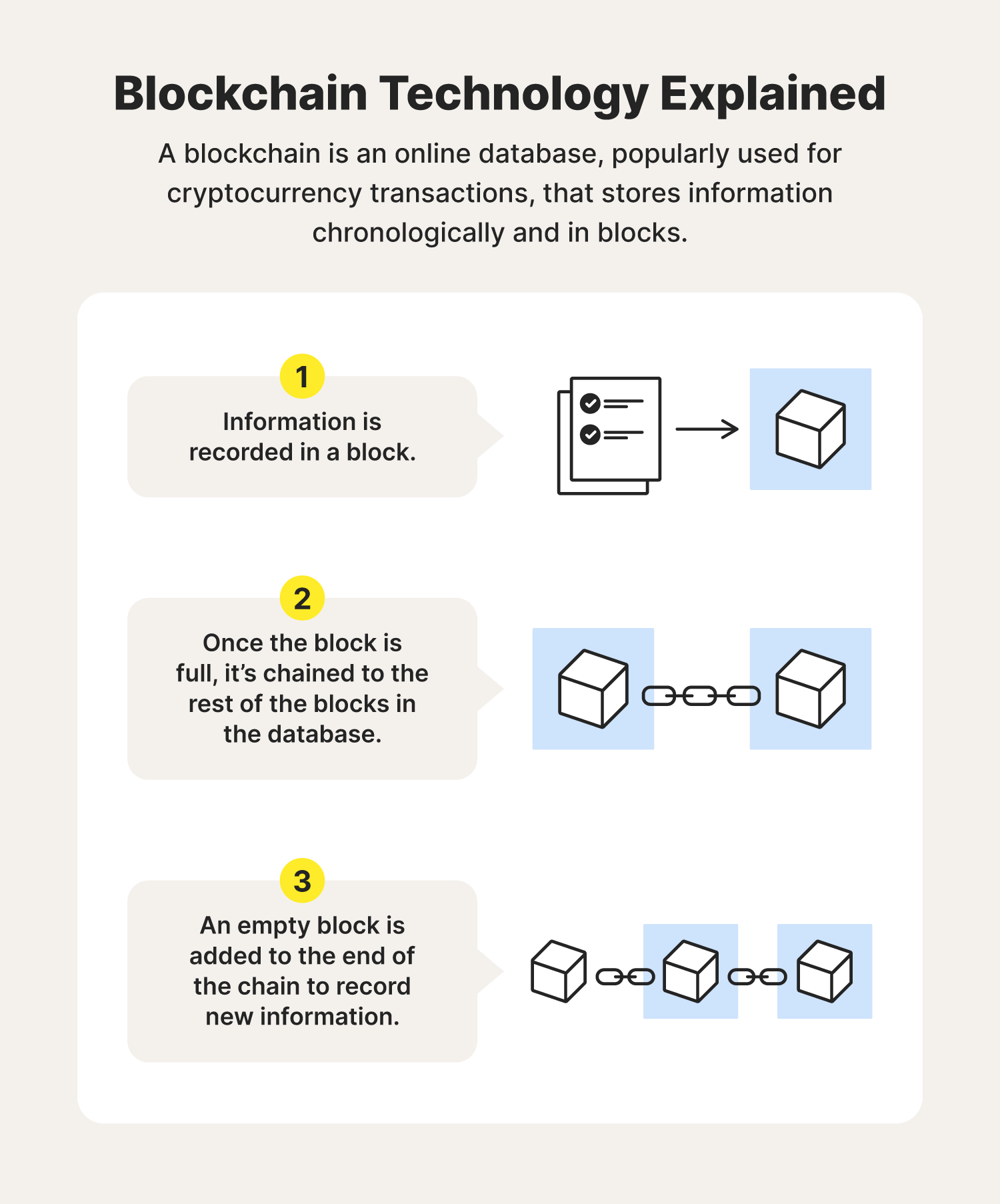
Every blockchain is composed of a linear sequence of “blocks.” Each block contains three primary elements: the data (such as transaction details or smart contract code), a “nonce” (a random number used in the mining process), and a “hash.” The hash is a unique digital fingerprint generated through a cryptographic algorithm. What makes this a “chain” is that each new block also contains the hash of the previous block. This creates a chronological and unbreakable link.
Hash Functions and Cryptographic Links
Cryptography is the engine that drives blockchain security. Using algorithms like SHA-256, the network converts data into a fixed-length string of characters. Even a tiny change in the original data—such as changing a single digit in a transaction—will result in a completely different hash. Because each block references the hash of the one before it, altering an old block would require regenerating every subsequent block in the chain, a feat that is computationally impossible for most modern hardware.
Consensus Mechanisms: How Networks Achieve Agreement
If there is no central leader to decide which transactions are valid, how does a global network of strangers agree on the state of the ledger? This is solved through “consensus mechanisms,” which are protocols designed to ensure all nodes are synchronized.
Proof of Work (PoW)
Proof of Work was the first consensus mechanism, popularized by the Bitcoin network. It requires nodes (miners) to solve complex mathematical puzzles to validate transactions and create new blocks. This process is energy-intensive by design; it forces participants to prove they have expended “work” to participate. This makes it prohibitively expensive for a malicious actor to attack the network, as they would need to control more than 51% of the total computational power.
Proof of Stake (PoS)
As a more energy-efficient alternative to PoW, many modern blockchains have transitioned to Proof of Stake. In this model, “validators” are chosen to create new blocks based on the number of tokens they “stake” or lock up as collateral. If a validator attempts to process fraudulent transactions, they lose their stake. PoS significantly reduces the hardware requirements for maintaining a blockchain, allowing for greater scalability and a lower carbon footprint without sacrificing security.
Fault Tolerance and Network Resilience
At the heart of these mechanisms is the concept of Byzantine Fault Tolerance (BFT). This is a property of a system that allows it to reach consensus even if some nodes fail or act maliciously. By utilizing sophisticated game theory and mathematics, blockchain networks can remain operational and accurate even in hostile digital environments, ensuring that the software remains “always-on.”
Security and Immutability in Digital Ecosystems
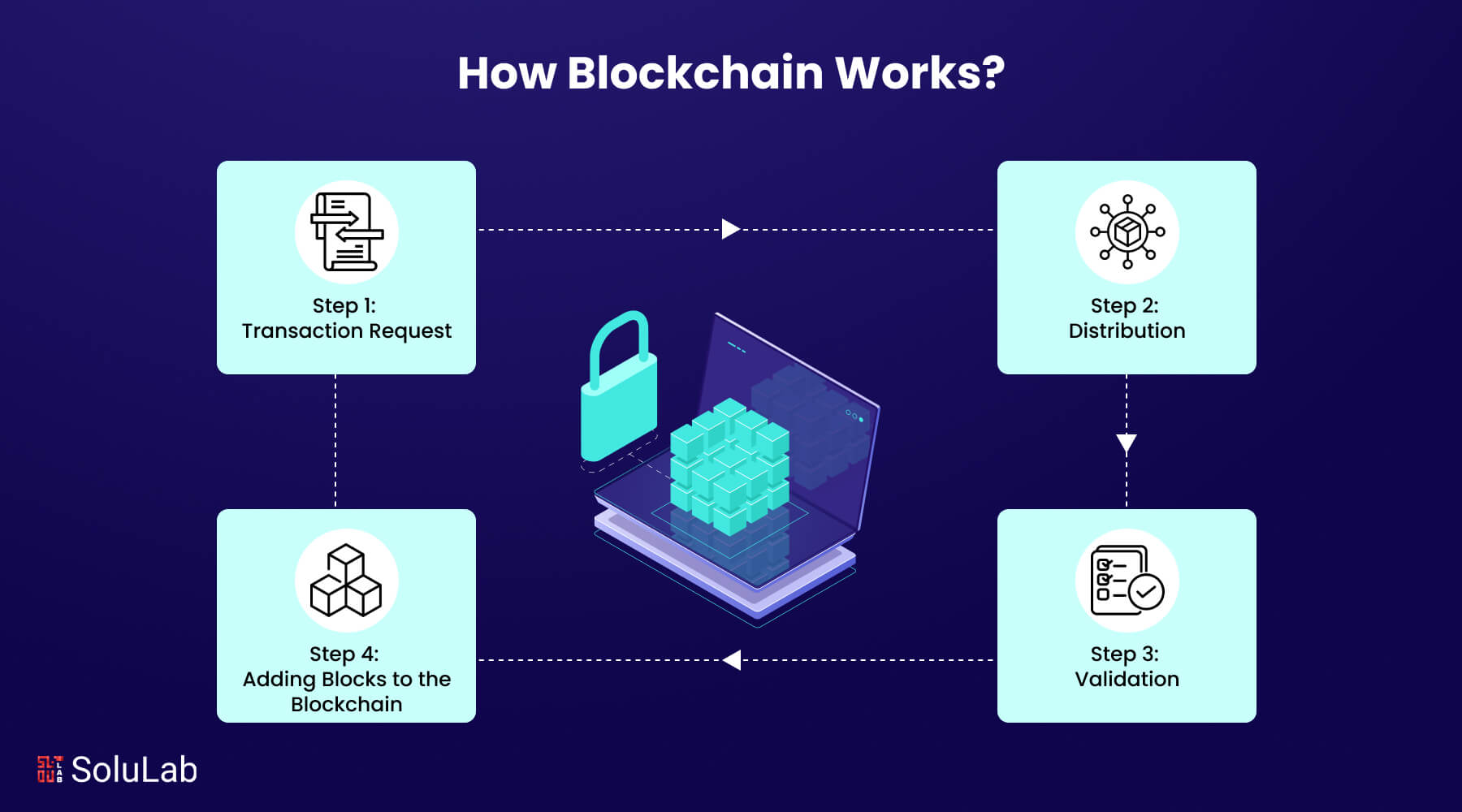
Security is perhaps the most significant “selling point” of blockchain technology in a world plagued by data breaches and identity theft. The marriage of decentralization and cryptography creates a “trustless” security model.
Preventing the Double-Spend Problem
Before blockchain, digital assets were easy to duplicate—much like a digital photo or a PDF. This created the “double-spend” problem in digital finance: how do you ensure someone doesn’t send the same unit of value to two different people? Blockchain solves this by maintaining a universal, time-stamped record of every transaction. Once a transaction is confirmed, it is visible to the entire network, making it impossible to reuse the same asset.
Public vs. Private Blockchains
While the most famous blockchains are public (permissionless), meaning anyone can join and view the data, there is a growing trend of private (permissioned) blockchains in the enterprise sector. Private blockchains offer the same security and immutability benefits but restrict access to authorized participants. This is particularly useful for corporate internal audits, inter-bank settlements, and secure data sharing between software applications that require high levels of privacy.
Encryption Standards
Blockchain technology leverages public-key cryptography to manage digital identities. Every user has a “public key” (akin to an email address) and a “private key” (akin to a password). This ensures that only the owner of a specific digital asset can authorize its movement. Because the private key is never shared on the network, the risk of data theft is localized to the user’s personal security habits rather than a central database vulnerability.
Beyond Cryptocurrency: Software and Enterprise Applications
While blockchain began as a tool for financial transactions, its utility has expanded into a versatile platform for software development and automated logic.
Smart Contracts and Automated Logic
A smart contract is a self-executing contract with the terms of the agreement directly written into code. These contracts live on the blockchain and automatically trigger actions when certain conditions are met. For example, a smart contract could automatically release payment to a software developer once their code passes an automated test. By removing the “middleman,” smart contracts reduce friction, lower costs, and eliminate human error in digital agreements.
Blockchain and AI Integration
The intersection of Artificial Intelligence (AI) and blockchain is one of the most exciting trends in tech. AI requires massive amounts of data, and blockchain can provide a secure, transparent “audit trail” for that data. Furthermore, blockchain can be used to decentralize AI models, preventing a single company from controlling the most powerful algorithms. This ensures that the data used to train AI is verified and that the decision-making process of the AI is logged in an immutable way.
Supply Chain Transparency through Software
In global logistics, tracking a product from the raw material stage to the consumer is notoriously difficult. Blockchain software provides a single source of truth for all parties in the supply chain. Every time a product changes hands, the transaction is logged on the blockchain. This allows for real-time tracking, prevents counterfeiting, and ensures that hardware components in gadgets or gadgets themselves are ethically sourced and authentic.
The Future of Web 3.0 and Scaling Solutions
As we look toward the next decade of technology, blockchain is positioned as the foundational layer of “Web 3.0″—a decentralized version of the internet where users own their data and digital identities.
Layer 2 Scaling and Sharding
The primary challenge facing blockchain technology today is scalability. High-traffic networks can become slow and expensive to use. To solve this, developers are creating “Layer 2” solutions—software protocols that sit on top of the main blockchain to handle transactions more quickly. Additionally, “sharding” is a technique that breaks the blockchain into smaller, more manageable pieces (shards), allowing the network to process multiple transactions in parallel rather than one after another.
Interoperability Protocols
Currently, most blockchains operate as “silos,” unable to easily communicate with one another. The next frontier in blockchain tech is interoperability—creating bridges that allow data and assets to move seamlessly between different networks like Ethereum, Polkadot, and Solana. This will create a unified digital ecosystem where software applications can leverage the unique strengths of multiple blockchains simultaneously.
The Shift to Decentralized Apps (dApps)
The rise of Decentralized Applications (dApps) is fundamentally changing software distribution. Unlike traditional apps that run on a company’s servers, dApps run on a blockchain. This means they cannot be shut down by an arbitrary authority and are not subject to the same privacy risks as centralized platforms. From decentralized social media to secure file storage, dApps are proving that the future of software is open-source, community-driven, and secured by the very code that builds it.
Blockchain technology is far more than a buzzword; it is a structural revolution in digital architecture. By combining the transparency of a public ledger with the security of high-level cryptography, it offers a new way to build software, secure data, and interact in an increasingly digital world. As the technology matures and scaling issues are resolved, blockchain will likely become the invisible backbone of the modern internet, providing a layer of trust that was previously impossible to achieve.
aViewFromTheCave is a participant in the Amazon Services LLC Associates Program, an affiliate advertising program designed to provide a means for sites to earn advertising fees by advertising and linking to Amazon.com. Amazon, the Amazon logo, AmazonSupply, and the AmazonSupply logo are trademarks of Amazon.com, Inc. or its affiliates. As an Amazon Associate we earn affiliate commissions from qualifying purchases.