
In the dynamic world of ceramic art and production, where every piece tells a story and contributes to an artist’s or studio’s brand identity, understanding the foundational materials is paramount. Among these, “slip” stands out as a versatile and indispensable element, not just for its functional properties but critically for its immense potential in shaping aesthetic, communicating brand values, and distinguishing products in a competitive market. At its core, a slip in pottery refers to a liquid clay mixture, essentially clay suspended in water, often with deflocculants to achieve a smooth, creamy consistency. Yet, its application extends far beyond simple utility, serving as a powerful tool in a potter’s branding arsenal, enabling unique surface decoration, texture, and color that define a ceramic brand’s signature aesthetic.

The Essence of Slip: A Foundational Branding Material
The careful formulation and application of slip are critical for establishing and maintaining a consistent brand identity in ceramics. It’s not merely a coating; it’s an intentional design choice that impacts the visual and tactile experience of a piece, directly influencing how a brand is perceived.
Composition and Preparation for Brand Consistency
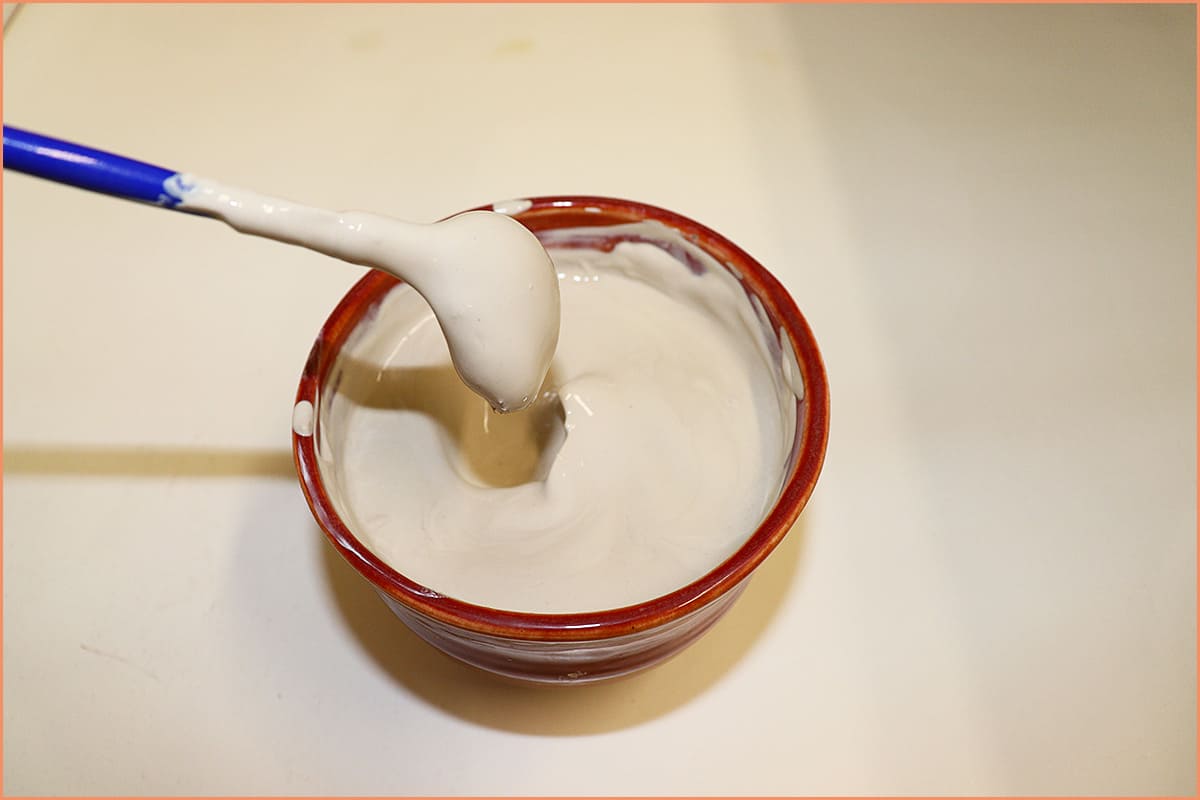
A slip’s composition is a deliberate choice, reflecting the brand’s commitment to quality and specific aesthetic goals. Typically, slip is made from the same clay body as the pottery piece itself, thinned with water to a consistency resembling heavy cream or yogurt. However, artists frequently modify this base by adding various mineral colorants, oxides, or stains to achieve a specific palette that becomes a hallmark of their brand. The precise ratios of clay, water, and additives must be meticulously controlled. Inconsistency in slip preparation can lead to variations in color, texture, or application behavior, directly undermining a brand’s commitment to quality and a recognizable visual style. For a brand aiming for a minimalist, earthy aesthetic, a slip derived directly from local clays might be chosen, highlighting natural variations. Conversely, a brand focused on vibrant, contemporary designs would invest in high-quality commercial stains to achieve consistent, bold hues. This attention to detail in preparation underscores a brand’s professionalism and dedication to its craft.
Beyond Form: Slip as a Surface Canvas for Brand Expression
While the form and shape of a ceramic piece lay the structural groundwork, it is often the surface treatment, heavily influenced by slip, that elevates it to a distinct brand statement. Slip acts as an exquisite canvas, transforming plain clay into a rich tapestry of color, texture, and design. Whether applied as a monochrome layer to achieve a uniform finish or used in intricate patterns, the choices made with slip directly contribute to a product’s market appeal and brand recall. Consider a brand known for its rustic, handcrafted feel; its slip application might feature subtle brushstrokes or uneven textures that convey authenticity and the human touch. Another brand, perhaps specializing in refined, luxury ceramics, might use perfectly smooth, opaque slips in a consistent color palette to project elegance and sophistication. The deliberate manipulation of slip allows for a breadth of expressive possibilities, each capable of reinforcing a brand’s unique identity.
Crafting Brand Identity Through Slip Application Techniques
The myriad ways slip can be applied are not merely technical processes; they are artistic decisions that profoundly influence a ceramic brand’s visual language and market positioning. Each technique offers a distinct opportunity to embed specific brand attributes into the finished product.
Engobe and Sgraffito: Etching Brand Narratives
Engobe refers to a type of slip, often formulated with slightly different properties than the clay body, applied to bisque-fired or greenware pottery to provide an opaque layer of color. Brands might utilize engobes to achieve a uniform background color that deviates significantly from the base clay, setting a specific mood or theme. A brand aiming for a muted, historical aesthetic might use engobes in earthy tones, while a contemporary brand could opt for vibrant, flat colors. The consistency and application technique of engobe contribute to the perceived quality and finish, directly reflecting on the brand’s standards.
Sgraffito, meaning “to scratch,” involves applying a layer of contrasting slip over a different color clay body or a base slip, and then scratching through the top layer to reveal the color underneath. This subtractive technique is incredibly powerful for intricate designs, patterns, and narrative illustrations. For a brand, sgraffito allows for the creation of signature motifs, logos, or storytelling elements directly onto the ceramic surface. A brand might develop a recognizable pattern or iconography through sgraffito that becomes synonymous with its identity, much like a distinctive pattern on fabric or packaging. This method adds a layer of artisanal craftsmanship and exclusivity, appealing to consumers who value unique, hand-detailed pieces.
Trailing and Marbling: Fluidity in Brand Aesthetics
Slip trailing involves applying slip through a squeeze bottle or specialized tool to create raised lines, dots, or patterns on the surface. This technique adds tactile dimension and visual interest, allowing for intricate, lace-like designs or bold, graphic statements. A brand specializing in whimsical or folk-art inspired ceramics might use slip trailing to create charming, expressive designs that resonate with its target audience. The precision and consistency of the trailed lines reflect the artisan’s skill and attention to detail, bolstering the brand’s reputation for quality craftsmanship.
Marbling, also known as agateware or neriage (when combining different colored clays), involves blending different colored slips or clays to create swirling, organic patterns. This technique yields a unique, non-repetitive design on each piece, emphasizing individuality and natural beauty. A brand that celebrates uniqueness, natural phenomena, or an organic aesthetic can effectively use marbling to embody these values. The inherent variation in each marbled piece can be a strong selling point, highlighting the artisan’s touch and the one-of-a-kind nature of their products, thus reinforcing a brand that values individuality and artistic expression.
Dipping and Brushing: Achieving Uniformity and Signature Looks
Dipping involves submerging a ceramic piece into a bucket of slip. This method ensures a highly uniform coating, ideal for brands that prioritize sleek, consistent finishes and solid blocks of color. It’s often used when an even, opaque layer is desired across the entire surface or a specific section. For a brand aiming for minimalist elegance or industrial chic, consistent dipping in a perfectly mixed slip is essential to achieve the desired clean lines and uniform appearance that define its brand.
Brushing allows for more painterly effects, from subtle washes to expressive brushstrokes. Artists can layer different colors, create gradations, or apply slip in a way that highlights the movement of the brush, adding a distinct textural and visual signature. A brand known for its artistic flair or painterly aesthetic would leverage brushing to communicate its artistic identity. The visible brushstrokes can serve as a mark of authenticity and the handmade nature of the product, reinforcing a brand narrative that values artistic freedom and the personal touch.
Slip’s Role in Market Differentiation and Visual Merchandising
In a crowded marketplace, brand differentiation is crucial. Slip provides a potent avenue for ceramic brands to carve out a unique niche, making their products instantly recognizable and desirable.
Distinctive Textures and Colors: Standing Out in a Crowded Market
The strategic use of slip’s textural and color properties is key to creating a memorable brand identity. A particular rough-hewn slip texture, a matte finish, or a signature vibrant blue can become a brand’s visual calling card. These distinct features help products stand out on shelves, in galleries, and online. Consumers often develop an affinity for specific tactile or visual qualities, and consistent application of these through slip techniques ensures brand recognition and loyalty. Imagine a brand that consistently uses a deeply textured, earthy slip paired with specific minimalist forms; this immediately communicates a certain aesthetic and quality, distinguishing it from competitors who might favor smooth, glossy finishes.
Storytelling Through Surface: Connecting with the Brand’s Audience
Beyond aesthetics, slip applications can tell a story, connecting deeply with a brand’s audience. Patterns, motifs, and chosen color palettes can evoke cultural references, natural landscapes, or abstract concepts that align with the brand’s ethos. For instance, a brand committed to sustainability might use slips made from natural, locally sourced pigments, whose subtle imperfections tell a story of connection to the earth. A brand inspired by ocean life might employ fluid, marbled blue and green slips. This narrative element, embedded in the very surface of the pottery, builds an emotional connection with consumers who share those values, transforming a functional object into a piece of art with a meaningful backstory. This storytelling capability is a powerful tool for building a strong, resonant brand.
Maintaining Brand Integrity: Quality Control in Slip Application
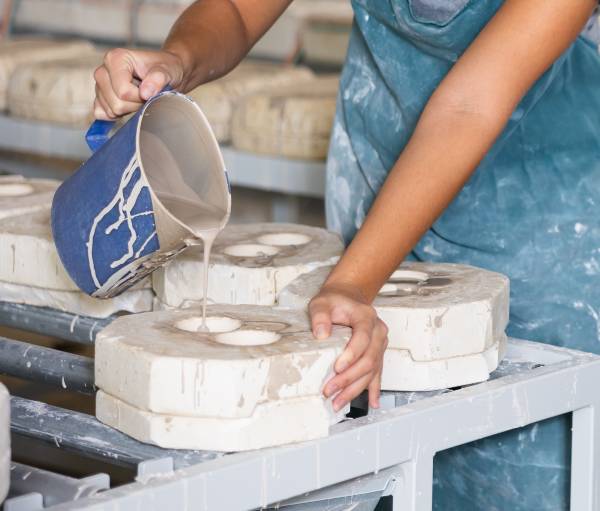
The long-term success of a ceramic brand relies not just on initial appeal but on consistent quality. Quality control in slip preparation and application is therefore non-negotiable for maintaining brand integrity. This includes ensuring consistent viscosity, uniform thickness of application, and reliable firing results. Deviations in these areas can lead to cracking, peeling, or uneven color development, all of which detract from the product’s finish and damage brand reputation. Investing in precise measuring tools, consistent mixing procedures, and skilled artisans who understand the nuances of slip behavior are vital steps for any ceramic brand committed to delivering excellence and upholding its perceived value in the market. Every piece carrying the brand’s name must meet its established standards, and meticulous slip work is a significant component of that promise.
aViewFromTheCave is a participant in the Amazon Services LLC Associates Program, an affiliate advertising program designed to provide a means for sites to earn advertising fees by advertising and linking to Amazon.com. Amazon, the Amazon logo, AmazonSupply, and the AmazonSupply logo are trademarks of Amazon.com, Inc. or its affiliates. As an Amazon Associate we earn affiliate commissions from qualifying purchases.