
Understanding Predominantly White Institutions in Higher Education
The landscape of higher education in the United States is diverse, encompassing a wide array of institutions with varying histories, missions, and student demographics. Among these, the term “PWI college” refers to a Predominantly White Institution. This designation signifies a college or university where the student body is overwhelmingly composed of individuals who identify as white. While seemingly a straightforward demographic observation, the concept of PWIs carries significant historical, social, and cultural weight, influencing the student experience, campus climate, and the broader narrative of American higher education. Understanding what constitutes a PWI is crucial for prospective students, educators, policymakers, and anyone seeking to engage with the complexities of race and equity in academic settings.

Historical Roots and Evolution of PWIs
The very existence of Predominantly White Institutions is deeply intertwined with the historical development of American society and its educational systems. For much of U.S. history, access to higher education was largely restricted along racial lines. This exclusion was a deliberate outcome of systemic racism and segregationist policies that created separate and unequal educational opportunities.
The Era of Segregation
Prior to the Civil Rights Movement and landmark legislation like the Civil Rights Act of 1964 and the Higher Education Act of 1965, many institutions of higher learning were either explicitly or de facto segregated. Public universities and private colleges alike often had policies, both overt and subtle, that limited or prohibited the admission of Black students, as well as students from other minority groups. This historical context is essential to understanding why certain institutions remain predominantly white today. These institutions were established and evolved during periods when whiteness was considered the norm and access for other racial groups was systematically denied.
The Emergence of HBCUs and Their Impact
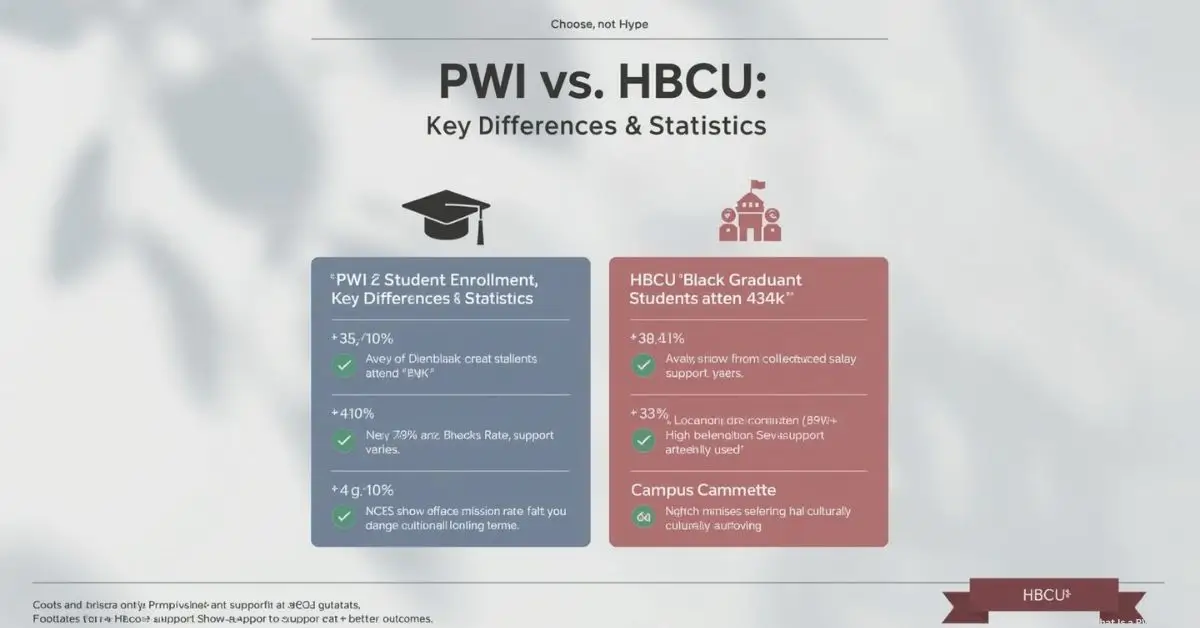
In direct response to this exclusion, Historically Black Colleges and Universities (HBCUs) were founded. These institutions were created specifically to provide educational opportunities for Black Americans who were denied entry into existing universities. The existence and success of HBCUs highlight the long-standing need for institutions that cater to specific demographic groups and foster environments of belonging. While HBCUs represent a crucial part of the higher education tapestry, their creation implicitly underscored the predominantly white nature of the majority of American colleges and universities.
Shifting Demographics and Enduring Legacies
Over time, legal barriers to access have been dismantled, and affirmative action policies, though increasingly debated and challenged, aimed to increase diversity on college campuses. Despite these efforts, many institutions that were established as predominantly white continue to maintain that demographic characteristic. This is due to a complex interplay of factors, including historical legacy, ingrained institutional cultures, the geographic location of institutions, and the ongoing challenges of recruitment and retention for underrepresented minority students. The term “PWI” therefore, is not merely a statistical descriptor but a label that carries the weight of this historical evolution and the ongoing pursuit of greater equity in higher education.
The PWI Experience: What It Means for Students
The demographic makeup of a college campus significantly influences the student experience. For students of color attending a PWI, the experience can be multifaceted, presenting both opportunities for personal growth and challenges related to navigating a dominant culture.
Navigating Campus Climate and Belonging
One of the most frequently discussed aspects of attending a PWI for students of color is the campus climate. This refers to the overall environment and atmosphere of the institution, including the attitudes, behaviors, and expectations that define how people interact. In a PWI, students of color may find themselves in the minority in classrooms, social settings, and even administrative offices. This can lead to feelings of isolation or being an outsider, particularly if there are limited opportunities for connection with individuals who share similar backgrounds or experiences.
The sense of belonging is a critical component of student success and well-being. When students feel they belong, they are more likely to engage academically, participate in campus life, and persist toward graduation. For students of color at PWIs, cultivating this sense of belonging can require proactive engagement with campus resources, building supportive networks, and sometimes, advocating for greater cultural competency and inclusivity from the institution itself.
Opportunities for Intergroup Dialogue and Learning
Conversely, attending a PWI can also provide unique opportunities for students of all backgrounds to engage in meaningful intergroup dialogue and cross-cultural learning. Interacting with individuals from diverse racial and ethnic backgrounds, even if one is in the minority, can broaden perspectives, challenge preconceived notions, and foster a deeper understanding of different lived experiences. This exposure is invaluable in preparing students for an increasingly diverse workforce and global society.
Many PWIs are actively working to create more inclusive environments through diversity and inclusion initiatives, cultural centers, affinity groups, and curriculum development that incorporates diverse perspectives. For students of color, these efforts can be instrumental in fostering a more equitable and supportive campus experience, while for white students, it offers an opportunity to learn from and engage with peers from different walks of life.
Representation and Role Models
The presence of faculty, staff, and administrators from diverse racial and ethnic backgrounds is another important factor in the PWI experience. When students of color see individuals who look like them in positions of leadership, mentorship, and teaching, it can provide crucial role models and affirm their presence and potential within the institution. A lack of such representation can inadvertently send a message that certain groups are not fully valued or integrated into the fabric of the university.
Efforts to recruit and retain diverse faculty and staff are therefore vital for PWIs aiming to create a more equitable and enriching environment for all students. This not only benefits students of color by providing relatable mentors and educators but also enriches the academic discourse and institutional knowledge base for the entire campus community.
The Role of PWIs in Diversity and Inclusion Efforts
While the term PWI inherently points to a demographic imbalance, it is crucial to recognize that these institutions are often at the forefront of diversity and inclusion initiatives within higher education. Their position presents both challenges and significant opportunities to drive meaningful change.
Institutional Commitments to Diversity
Many Predominantly White Institutions have made explicit commitments to increasing diversity and fostering an inclusive campus environment. These commitments often manifest in various forms, including:
- Admissions policies: Implementing holistic review processes, offering scholarships for underrepresented students, and targeted recruitment efforts in diverse communities.
- Curriculum reform: Integrating multicultural perspectives, offering courses on race, ethnicity, and social justice, and ensuring that academic programs reflect a global and diverse world.
- Support services: Establishing cultural centers, providing counseling services tailored to the needs of diverse student populations, and offering mentorship programs.
- Faculty and staff development: Training for faculty and staff on cultural competency, implicit bias, and inclusive pedagogy.
These initiatives are designed to address the historical legacy of exclusion and create a more welcoming and equitable space for all students. The success of these efforts is often measured by changes in demographic representation, student satisfaction surveys, and retention rates for diverse student groups.
Challenges in Achieving True Inclusivity
Despite stated commitments, PWIs often face significant challenges in achieving true inclusivity. These can include:
- Resistance to change: Navigating institutional inertia and overcoming resistance from individuals or groups who are uncomfortable with diversity initiatives.
- Tokenism: Ensuring that diversity efforts go beyond superficial representation and lead to genuine inclusion and empowerment.
- Resource allocation: Securing adequate funding and resources for diversity and inclusion programs, which can sometimes be seen as secondary to core academic functions.
- Measuring impact: Developing effective metrics to assess the true impact of diversity initiatives and making data-driven adjustments.
Addressing these challenges requires sustained leadership, a willingness to confront systemic issues, and ongoing engagement with the entire campus community to foster a shared understanding and commitment to diversity and inclusion.

The Future of PWIs and Diversity
The future of PWIs is intrinsically linked to their ability to adapt and evolve in response to the changing demographics and societal expectations of higher education. As the United States becomes increasingly diverse, institutions that were once predominantly white are under greater pressure to reflect this diversity within their student bodies, faculty, and leadership.
PWIs have the potential to be powerful agents of change, leveraging their resources and influence to create genuinely inclusive environments. This involves not only admitting a diverse range of students but also ensuring that these students thrive academically, socially, and culturally. It requires a fundamental shift in institutional culture, moving from a passive acceptance of diversity to an active, intentional pursuit of equity and belonging for all. The ongoing dialogue surrounding PWIs and diversity highlights the continuous work required to dismantle historical inequities and build a more just and representative system of higher education.
aViewFromTheCave is a participant in the Amazon Services LLC Associates Program, an affiliate advertising program designed to provide a means for sites to earn advertising fees by advertising and linking to Amazon.com. Amazon, the Amazon logo, AmazonSupply, and the AmazonSupply logo are trademarks of Amazon.com, Inc. or its affiliates. As an Amazon Associate we earn affiliate commissions from qualifying purchases.