
Shin splints, a persistent and often debilitating pain along the shinbone, are a common ailment for runners, athletes, and even those with active lifestyles. While the causes can be varied – from overuse and improper footwear to biomechanical issues – one of the most effective and accessible solutions lies in the realm of technology: supportive insoles. These often-overlooked accessories are not mere cushioning; they are engineered pieces of technology designed to address the underlying biomechanical stresses that contribute to shin splints. This article delves into the technological advancements and design principles behind insoles that specifically target and alleviate shin splint pain, focusing on how these innovations translate into tangible benefits for the user.
The Biomechanical Nexus: How Insoles Address Shin Splint Causes Through Technology
Shin splints, medically known as medial tibial stress syndrome (MTSS), are typically caused by repetitive stress and microtrauma to the tibia and the surrounding connective tissues. This stress is often exacerbated by an individual’s unique biomechanics, including overpronation (excessive inward rolling of the foot), supination (excessive outward rolling), or a lack of proper arch support. The technology embedded within modern insoles is precisely designed to counteract these issues.
Understanding Pronation and Supination: The Digital Footprint
The way your foot lands and rolls through your stride is a critical factor in shin splint development. Pronation is the natural inward rolling motion of the foot, which helps absorb shock. However, overpronation means the foot rolls inward too much, placing excessive stress on the tibia and muscles along the shin. Conversely, supination or underpronation means the foot doesn’t roll inward enough, leading to poor shock absorption and increased impact forces distributed unevenly.
Technological advancements in gait analysis and foot scanning have been instrumental in understanding these biomechanical variations. Many high-end running stores and specialty athletic retailers now utilize 3D foot scanners and pressure plates to capture detailed data on an individual’s foot structure, arch height, and pronation patterns. This data, often processed by sophisticated software algorithms, allows for a precise identification of biomechanical inefficiencies. Insoles designed for shin splints are then selected or custom-made based on this digital footprint.
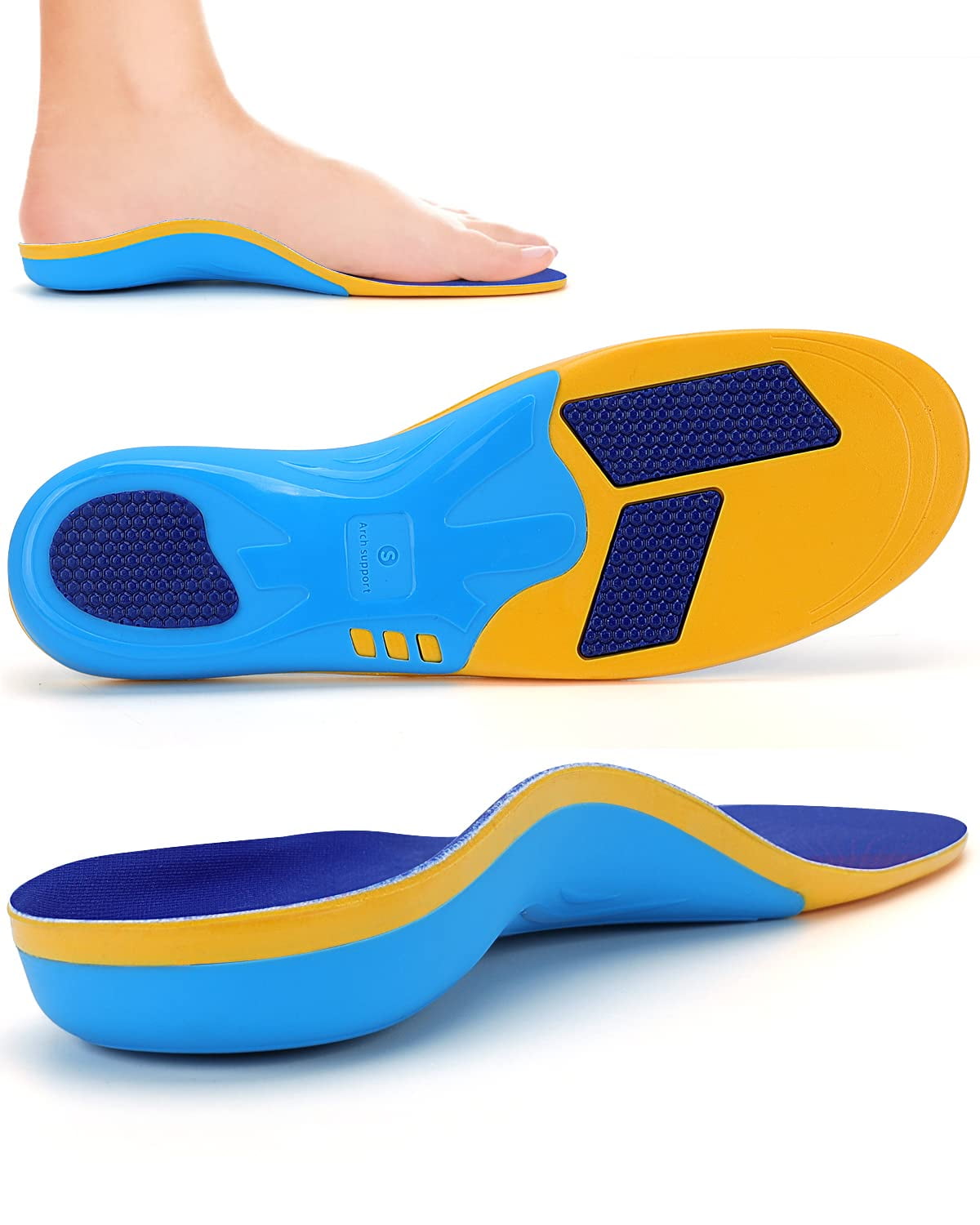
- Motion Control Insoles: For individuals who overpronate, motion control insoles are engineered with specific technologies to limit excessive inward rolling. These often feature a firmer heel cup to stabilize the heel and a rigid shank or a medial post (a denser material on the inner side of the insole) to prevent the arch from collapsing. The materials used are carefully selected for their rigidity and ability to resist compression, providing a stable platform that guides the foot through a more neutral motion.
- Cushioning and Shock Absorption: While stability is crucial, shock absorption is equally important in preventing the jarring impact that can trigger shin splints. Insoles utilizing advanced foam compounds, such as EVA (ethylene-vinyl acetate) and PU (polyurethane), are designed to effectively dissipate impact forces. Newer technologies incorporate dual-density foams, where different regions of the insole have varying levels of firmness to provide targeted cushioning and support. Some high-performance insoles even integrate gel or air pockets in key impact zones, further enhancing their shock-absorbing capabilities.
Arch Support: The Structural Engineering of Comfort
The arch of the foot acts as a natural shock absorber and provides structural integrity. A collapsed or inadequately supported arch can lead to altered biomechanics, placing undue stress on the muscles and bones of the lower leg, including the tibia. Insoles play a vital role in providing the necessary support to maintain the arch’s natural curvature.
- Variable Arch Profiles: Insoles are designed with various arch heights to accommodate different foot types. Whether you have a high arch, a neutral arch, or a flat foot, there’s a technologically designed insole to provide optimal support. This is often achieved through the molding process of the insole material. Advanced manufacturing techniques allow for precise shaping of the arch contour, ensuring it aligns with the individual’s foot structure without causing discomfort or creating new pressure points.
- Semi-Custom and Custom Technologies: Beyond off-the-shelf options, semi-custom and custom insoles represent a significant technological leap. Semi-custom insoles are often available in different arch heights and widths, allowing for a more personalized fit. Custom insoles, on the other hand, are created from precise scans or molds of an individual’s feet. This data is then used by CAD (Computer-Aided Design) software to generate a 3D model of the insole, which is then manufactured using technologies like CNC (Computer Numerical Control) milling or 3D printing. This level of precision ensures a perfect fit and targeted support for even the most complex biomechanical needs, offering the ultimate technological solution for persistent shin splints.
The Materials Science of Shin Splint Relief: Advanced Compounds and Composites
The effectiveness of an insole is heavily dependent on the materials from which it is constructed. The field of materials science has made significant strides in developing compounds that offer the ideal combination of cushioning, support, durability, and moisture-wicking properties.
Intelligent Foams and Polymers
Modern insoles rarely rely on simple foam. They incorporate sophisticated polymers and composites engineered for specific performance characteristics.
- EVA and PU Blends: While EVA is a common and effective cushioning material, blends of EVA with other polymers, or the use of different densities of EVA, allow for nuanced shock absorption. Polyurethane (PU) offers greater durability and resilience, making it suitable for high-impact activities and insoles that need to maintain their structural integrity over time.
- Thermosensitive Materials: Some advanced insoles utilize thermosensitive polymers that subtly mold to the shape of the foot with body heat. This “memory foam” effect provides a personalized fit over time, enhancing comfort and ensuring optimal contact points for support and shock absorption. This adaptive technology allows the insole to adjust to the wearer’s unique footfall patterns.
Lightweight and Breathable Technologies
Beyond support and cushioning, the comfort and performance of an insole are also influenced by its weight and breathability.

- Aerogel Infusions: Emerging technologies are exploring the use of materials like aerogel, a synthetic porous ultralight material, in select areas of insoles. Aerogel offers exceptional thermal insulation and cushioning properties without adding significant weight, which is crucial for athletes seeking to minimize any added burden.
- Moisture-Wicking Fabrics and Treatments: Keeping the foot dry is essential for comfort and preventing blisters. Insoles often incorporate top layers made from advanced synthetic fabrics or treated natural fibers that wick away moisture. Some even feature antimicrobial treatments to prevent odor, contributing to a more pleasant and hygienic experience during prolonged activity. The integration of these materials ensures that technology is also addressing the often-overlooked aspects of foot comfort and health.
The Application of Wearable Technology in Insole Design and Personalization
The convergence of wearable technology and footwear is opening new frontiers in how insoles are designed, utilized, and integrated into a user’s overall fitness regimen.
Smart Insoles: Data-Driven Performance Insights
The concept of “smart insoles” represents a significant technological evolution. These insoles are embedded with sensors that can capture a wealth of biomechanical data during activity.
- Sensor Integration: These sensors can measure metrics such as foot strike pattern, ground contact time, cadence, pressure distribution, and even pronation angles in real-time. This data is then transmitted wirelessly to a smartphone app or dedicated device.
- Performance Analysis and Injury Prevention: By analyzing this data, athletes and individuals can gain unprecedented insights into their running or walking mechanics. The associated apps often provide feedback and recommendations for improving form, identifying potential biomechanical imbalances that could lead to shin splints or other injuries, and tracking progress over time. This proactive approach to injury prevention is a testament to how technology is moving beyond passive support to active intervention.
AI-Powered Personalization and Recommendations
The data collected by smart insoles, combined with artificial intelligence (AI), is revolutionizing the personalization of insole solutions.
- Algorithmic Recommendations: AI algorithms can analyze an individual’s biomechanical data, activity levels, and reported symptoms to recommend the most suitable type of insole or suggest specific adjustments to their training or footwear.
- Predictive Analytics: In the future, AI may even be able to predict the risk of developing shin splints based on subtle changes in an individual’s gait patterns detected by smart insoles. This predictive capability would allow for early intervention and personalized training modifications to prevent pain before it even begins. The continuous feedback loop between the user, their insole, and AI creates a dynamic and adaptive system for maintaining foot health and optimizing performance.
Choosing the Right Technological Solution for Shin Splint Relief
Navigating the technological landscape of insoles designed for shin splints can seem daunting, but understanding the core principles and available innovations can empower you to make an informed decision.
Decoding Insole Technologies for Your Needs
When selecting an insole, consider the specific technological features that address your likely causes of shin splints.
- For Overpronation: Look for insoles with robust motion control features, a firm medial post, and a well-defined heel cup. Technologies that employ denser materials on the medial side to resist inward collapse are key.
- For Lack of Cushioning/Shock Absorption: Prioritize insoles utilizing dual-density foams, gel inserts, or air cushioning systems. Materials like advanced EVA and PU blends are designed for superior shock dissipation.
- For Arch Support: Ensure the insole offers a profile that matches your arch height. Technologies that allow for a semi-custom fit or are designed based on 3D foot scans can provide superior, targeted arch support.
The Role of Professional Assessment and Digital Tools
While many off-the-shelf insoles can provide significant relief, professional assessment can unlock the most effective technological solutions.
- Gait Analysis: A professional gait analysis, often performed using high-speed cameras and pressure-sensitive mats, provides a detailed biomechanical profile. This data is invaluable for selecting the right insole or for informing the creation of custom insoles.
- Specialty Retailers and Podiatrists: Many specialty running stores offer advanced foot scanning technology and knowledgeable staff who can guide you through the selection process. For persistent or severe shin splints, consulting a podiatrist or sports medicine professional is recommended. They can leverage advanced diagnostic tools and may recommend custom-molded insoles created with CAD and 3D printing technologies for a truly personalized solution.
In conclusion, the world of insoles for shin splints is a testament to the power of technology in addressing common physical ailments. From the intelligent materials science that provides targeted cushioning and support to the cutting-edge sensor technology in smart insoles, the innovations are designed to provide not just relief, but also performance enhancement and proactive injury prevention. By understanding these technological advancements, individuals can find the right insole solution to stride confidently, free from the nagging pain of shin splints.
aViewFromTheCave is a participant in the Amazon Services LLC Associates Program, an affiliate advertising program designed to provide a means for sites to earn advertising fees by advertising and linking to Amazon.com. Amazon, the Amazon logo, AmazonSupply, and the AmazonSupply logo are trademarks of Amazon.com, Inc. or its affiliates. As an Amazon Associate we earn affiliate commissions from qualifying purchases.