
When embarking on a bathroom renovation or construction project, one of the most critical decisions you’ll make regarding interior finishing is the type of drywall to install. The bathroom, by its very nature, is a high-moisture environment, presenting unique challenges that standard drywall simply cannot withstand. Choosing the wrong material can lead to a cascade of problems, from unsightly mold and mildew growth to structural damage. However, the modern building materials landscape offers sophisticated solutions that leverage technological advancements to combat these issues. This article will delve into the technical intricacies of selecting the optimal drywall for your bathroom, exploring the innovative materials and application strategies that ensure longevity, health, and aesthetic appeal in this demanding space.

Understanding the Moisture Challenge: Beyond the Surface
The bathroom’s environment is characterized by fluctuating humidity levels and direct water exposure from showers, baths, and sinks. Standard gypsum drywall, a ubiquitous building material, is fundamentally composed of a gypsum core sandwiched between paper or fiberglass facings. While effective in most dry interior spaces, this composition makes it highly susceptible to moisture.
The Inherent Vulnerabilities of Traditional Drywall
The gypsum core itself is porous and can absorb water. When exposed to prolonged moisture, it loses its structural integrity, becoming soft, crumbly, and prone to degradation. The paper facing, in particular, is a breeding ground for mold and mildew. These microscopic organisms thrive on organic matter and moisture, leading to:
- Aesthetic Deterioration: Visible mold stains, peeling paint, and warped surfaces mar the appearance of the bathroom.
- Health Hazards: Mold spores can be released into the air, contributing to respiratory problems, allergies, and other health issues for occupants.
- Structural Compromise: In severe cases, moisture can seep through the drywall and into the wall cavity, affecting insulation and even the underlying framing, leading to costly repairs.
The Role of Vapor Barriers and Ventilation
Beyond the choice of drywall, it’s crucial to understand how other building science principles interact with your wall system.
- Vapor Barriers: These are crucial for preventing moisture from migrating from the humid interior of the bathroom into the wall cavity. While the drywall itself can offer some barrier properties, a dedicated vapor barrier (often a polyethylene sheet) is typically installed on the warm side of the insulation to prevent condensation within the wall. The specific placement and type of vapor barrier are dictated by local building codes and climate considerations, highlighting the engineered nature of a well-constructed wall system.
- Ventilation: Effective ventilation, primarily through exhaust fans, is paramount in removing humid air from the bathroom before it can condense on surfaces or penetrate materials. The power of modern exhaust fans, measured in Cubic Feet per Minute (CFM), is a testament to technological advancements in creating healthier indoor environments. The integration of humidity-sensing fans, which automatically activate when moisture levels rise, represents an even more sophisticated approach to moisture control.
The Evolution of Drywall Technology for High-Moisture Environments
Recognizing the limitations of traditional drywall, manufacturers have invested heavily in research and development, leading to specialized products engineered for superior moisture and mold resistance. These advancements are rooted in material science and innovative manufacturing processes.
Moisture-Resistant (Green Board) Drywall: A Foundational Upgrade
Often referred to as “green board” due to its distinctive green-colored paper facing, moisture-resistant drywall represents a significant step up from standard drywall for bathrooms. While not entirely waterproof, its improved performance stems from specific technological enhancements:
- Enhanced Paper Facing: The paper facing of green board is treated with wax or other water-repellent additives, significantly reducing its ability to absorb moisture compared to standard paper-faced drywall. This is a chemical engineering feat that alters the surface properties of the paper.
- Proprietary Core Additives: The gypsum core itself may also contain additives designed to resist water penetration and inhibit mold growth. These are often proprietary formulations that leverage chemical compounds to alter the hygroscopic nature of the gypsum.
- Application: Green board is typically recommended for walls and ceilings in areas with moderate moisture exposure, such as bathrooms and laundry rooms. It’s crucial to remember that it is still a resistance measure, not a complete barrier. Proper finishing and sealing are still essential.
Mold-Resistant Drywall: The Next Tier of Protection
Building upon the principles of moisture resistance, mold-resistant drywall takes protection a step further by specifically targeting the prevention of mold and mildew growth. These products often employ advanced material science and coatings.
- Fiberglass Facing: Many mold-resistant drywall products utilize a fiberglass mat as their facing instead of paper. Fiberglass is inherently resistant to mold and mildew, does not readily absorb water, and offers superior dimensional stability in humid conditions. The weave and composition of this fiberglass mat are carefully engineered for optimal performance.
- Antimicrobial Additives in the Core: The gypsum core is often infused with antimicrobial agents. These chemicals are designed to inhibit the growth of mold and bacteria, even if the board does become exposed to moisture. These are sophisticated biocides, precisely formulated and integrated into the gypsum slurry during manufacturing.
- Specialized Coatings: Some high-performance mold-resistant drywall also features specialized coatings that create an additional barrier against moisture and inhibit microbial colonization. These coatings are often polymer-based and are applied using advanced spraying or rolling techniques.
- Where to Use: Mold-resistant drywall is the preferred choice for all bathroom walls and ceilings, especially in areas that receive direct water spray, such as around showers and tubs.
The Ultimate Defense: Cement Board and Other Composites
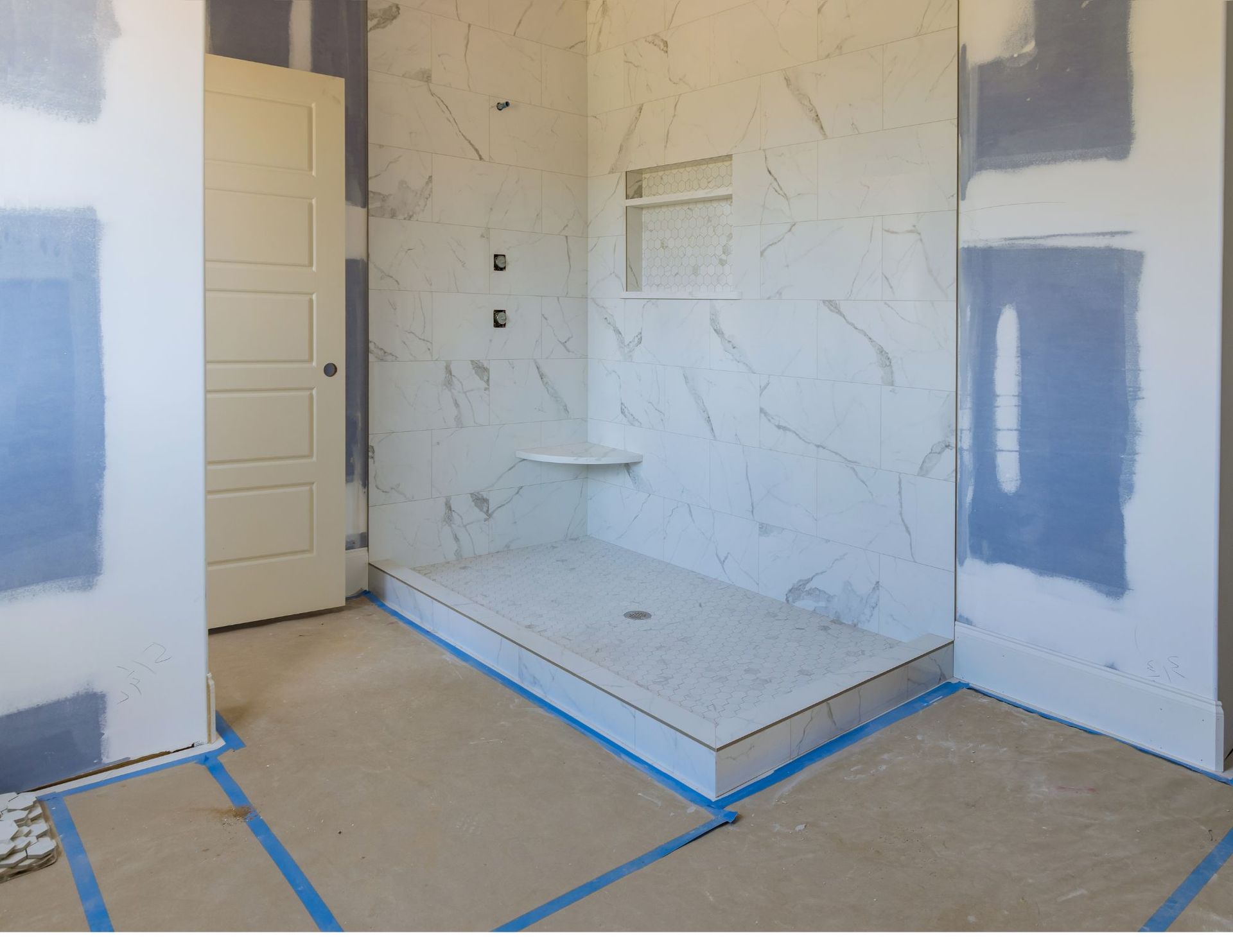
For areas of extreme moisture exposure or where direct water contact is unavoidable, advanced composite materials offer unparalleled performance. These are not technically drywall but are often used as the substrate for tile in bathrooms, providing a crucial technological layer of protection.
- Cement Board: Composed of Portland cement, aggregate, and often reinforcing fibers, cement board is exceptionally durable, waterproof, and resistant to mold and rot. Its manufacturing involves precise mixing ratios and curing processes to achieve its robust properties. Its density and inert composition make it an ideal substrate for tiling in wet areas.
- Waterproof Backer Board: These are typically made from extruded polystyrene or other closed-cell foam materials, often coated with a cementitious layer for adhesion. They offer excellent thermal insulation properties in addition to being waterproof and mold-resistant. The cellular structure of the foam is a marvel of material engineering, designed to trap air and prevent water ingress.
- Gypsum Backer Board with Waterproof Coatings: Some manufacturers offer gypsum core products with integrated waterproof membranes or coatings. These products aim to combine the ease of installation of gypsum with the enhanced protection of waterproof materials. The application of these coatings involves sophisticated chemical processes.
Strategic Application and Installation: The Technology of a Seamless Finish
Beyond selecting the right material, the how of drywall installation is equally critical in ensuring its long-term performance, especially in a moisture-rich bathroom. This involves understanding modern installation techniques and the role of specialized compounds and finishes.
Substrate Preparation and Fastening
The foundation of any successful drywall installation begins with proper substrate preparation.
- Stud Spacing: Adhering to recommended stud spacing (typically 16 inches on center) ensures adequate support for the drywall panels, preventing sagging and cracking over time, especially under the stress of potential moisture expansion and contraction.
- Fastener Choice: Using corrosion-resistant screws (e.g., coated drywall screws) is essential in bathrooms to prevent rust stains from developing around the screw heads as moisture inevitably interacts with the fasteners. The coatings on these screws are engineered to withstand corrosive environments.
- Panel Orientation: For bathrooms, it’s often recommended to hang drywall vertically rather than horizontally. This minimizes the number of horizontal seams, which are more susceptible to moisture ingress and cracking. The physics of stress distribution are at play here.
Taping, Mudding, and Finishing: Creating Impermeable Layers
The seams between drywall panels are the most vulnerable points. Modern drywall compounds and finishing techniques are designed to create smooth, durable, and moisture-resistant surfaces.
- Joint Compounds: While standard joint compounds are suitable for most areas, bathrooms may benefit from specialized mold-resistant or moisture-resistant joint compounds, particularly in high-splash zones. These compounds often contain biocides or other additives to enhance their performance.
- Paper vs. Fiberglass Tape: For most bathroom applications, fiberglass mesh tape is often preferred over paper tape. Fiberglass tape is inherently resistant to mold and mildew and provides a stronger, more stable joint that is less prone to cracking in humid conditions. The adhesive properties and weave pattern of fiberglass tape are technologically advanced.
- Multiple Coats and Sanding: Applying multiple thin coats of joint compound with proper drying times and sanding between each coat is crucial for achieving a smooth, seamless finish that is ready for priming and painting. This layered approach, combined with meticulous sanding, creates an effective barrier.
- Primer and Paint: The choice of primer and paint is also a critical technological component of bathroom drywall.
- Moisture-Resistant Primer: A high-quality, moisture-resistant primer acts as a seal, preventing moisture from penetrating the drywall and paint layers. Look for primers specifically formulated for high-humidity areas. These primers often contain advanced acrylic resins that form a durable, water-repellent film.
- Mold-Inhibiting Paint: Many bathroom paints now incorporate mildewcides and other antimicrobial agents to actively inhibit mold growth on the painted surface. These are not just decorative but are functional coatings designed to combat microbial colonization. Semi-gloss and gloss finishes are also generally more durable and easier to clean than flat finishes, contributing to long-term hygiene.
Beyond the Basics: Advanced Considerations and Future Trends
The field of building materials is constantly evolving, driven by a demand for more durable, sustainable, and healthier solutions. For bathroom drywall, this translates into continued innovation.
The Role of Integrated Systems
Modern construction often emphasizes integrated systems where different components work in synergy.
- Waterproofing Membranes: In addition to using mold-resistant drywall, applying a liquid-applied or sheet waterproofing membrane over the drywall in shower and tub areas provides an additional, robust layer of protection. These membranes are engineered for exceptional water impermeability and adhesion.
- Smart Building Materials: The future may see the integration of sensors or self-healing properties into drywall, allowing for early detection of moisture issues or minor repairs to be automatically addressed. While still largely in the research and development phase, this represents the cutting edge of building material technology.
Sustainability and Health: Tech-Driven Improvements
The drive for sustainability and improved indoor air quality is also influencing drywall technology.
- Low-VOC Compounds and Finishes: Manufacturers are increasingly focusing on developing low-VOC (Volatile Organic Compound) joint compounds, primers, and paints. This not only improves indoor air quality but also reduces the environmental impact of the materials. The chemical formulations are being optimized for reduced off-gassing.
- Recycled Content: Many drywall products now incorporate recycled gypsum and paper content, contributing to a more sustainable building practice. The manufacturing processes are being adapted to efficiently utilize post-consumer and post-industrial waste streams.
In conclusion, selecting the right drywall for a bathroom is a decision that requires a deep understanding of material science and the technological advancements that have been made to combat moisture. From the engineered enhancements of moisture-resistant and mold-resistant drywall to the robust performance of cementitious boards, and the sophisticated application techniques involving specialized compounds, primers, and paints, a tech-centric approach ensures a durable, healthy, and aesthetically pleasing bathroom environment. By investing in the right materials and employing proper installation methods, you are not just finishing a room; you are implementing an engineered system designed to withstand the unique challenges of a high-moisture space.
aViewFromTheCave is a participant in the Amazon Services LLC Associates Program, an affiliate advertising program designed to provide a means for sites to earn advertising fees by advertising and linking to Amazon.com. Amazon, the Amazon logo, AmazonSupply, and the AmazonSupply logo are trademarks of Amazon.com, Inc. or its affiliates. As an Amazon Associate we earn affiliate commissions from qualifying purchases.