
In an age where technology permeates every aspect of our lives, from communication to finance, it’s no surprise that innovative solutions are continuously emerging in the realm of health and well-being. Among these, the Transcutaneous Electrical Nerve Stimulation (TENS) unit stands out as a remarkable example of how accessible technology can significantly improve quality of life. Far from being just another medical gadget, a TENS unit embodies a confluence of technological ingenuity, strategic personal investment, and even plays a subtle role in maintaining one’s professional brand by enabling consistent productivity.

For anyone navigating the complexities of chronic pain or seeking effective management for acute discomfort, understanding what a TENS unit helps with goes beyond its immediate function of pain relief. It delves into how this device fits into a modern lifestyle driven by efficiency, informed choices, and the pursuit of optimal performance—whether in a startup, a corporate role, or managing personal finances. This article will explore the multifaceted benefits of TENS units, examining them through the lens of cutting-edge technology, the importance of brand and reputation, and the financial prudence of investing in one’s health.
The Core Technology: Demystifying TENS and Its Evolution
At its heart, a TENS unit is a non-invasive, drug-free method of pain relief. It delivers low-voltage electrical currents through electrodes placed on the skin near the area of pain. These electrical impulses interfere with pain signals, offering a temporary but often significant respite. But to truly appreciate its value, we must first understand the underlying technology and how it has evolved from rudimentary devices to sophisticated personal health companions.
How TENS Works: A Glimpse into Neuromodulation
The effectiveness of a TENS unit is primarily explained by two theories:
- Gate Control Theory: This theory suggests that non-painful input can “close the gates” to painful input, preventing pain sensations from reaching the central nervous system. The electrical impulses from a TENS unit stimulate sensory nerves, which then transmit signals faster than pain signals. These faster signals effectively “close the gate,” blocking the perception of pain.
- Endorphin Release Theory: Prolonged TENS stimulation, particularly at lower frequencies, can promote the release of endorphins—the body’s natural painkillers. These neurotransmitters bind to opioid receptors in the brain, reducing pain perception and creating a sense of well-being.
The beauty of TENS lies in its direct interaction with the body’s nervous system, offering a targeted approach without systemic side effects often associated with oral medications. This direct, localized intervention is a testament to clever engineering applied to human physiology.
TENS Units in the Digital Age: Beyond Basic Pulses
Modern TENS units are a far cry from their clunky predecessors. The digital age has ushered in a new era of sophisticated features that enhance user experience and efficacy:
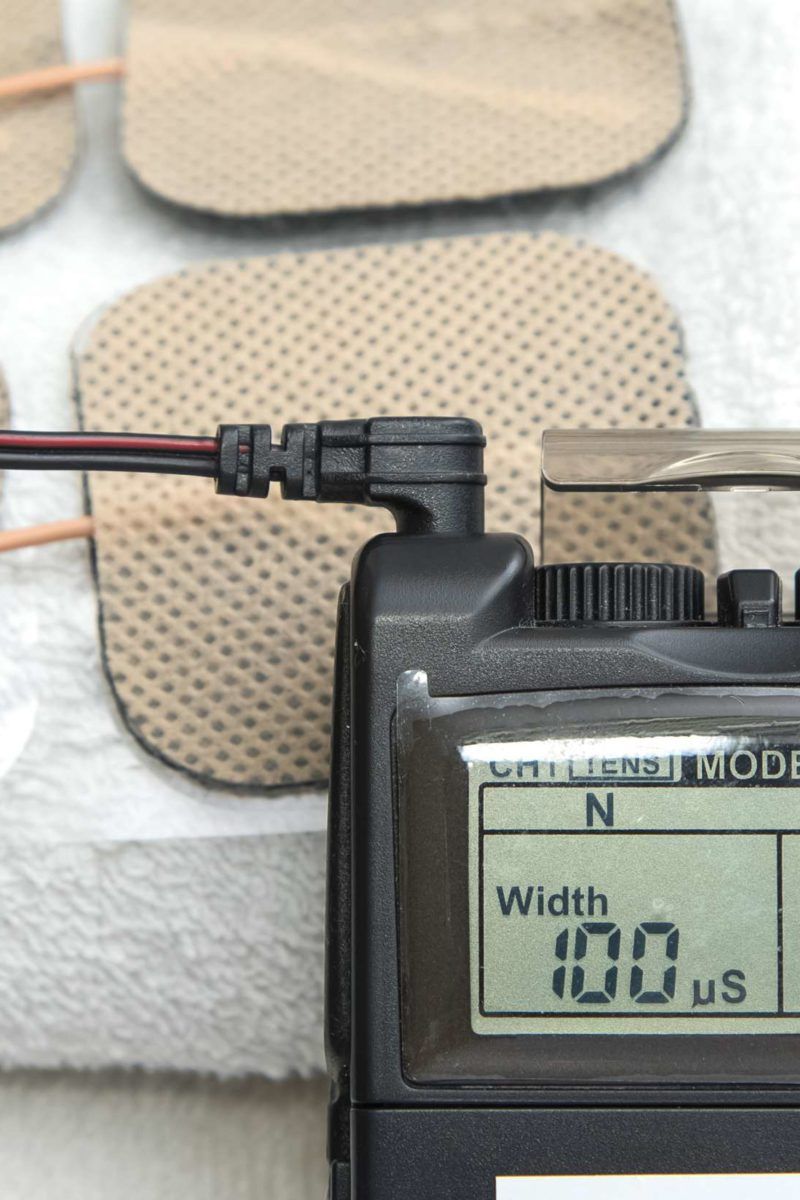
- Digital Controls and Customization: Contemporary units offer precise digital controls for intensity, pulse rate, and pulse width, allowing users to fine-tune settings for optimal pain relief. Multiple pre-set programs often cater to different types of pain (e.g., muscle soreness, nerve pain, joint pain), making them versatile tools.
- Portability and Design: Sleek, compact, and often wireless designs make TENS units highly portable. They can be discreetly worn under clothing, allowing individuals to manage pain while at work, exercising, or traveling. This emphasis on portability and ergonomic design aligns perfectly with the demands of a mobile, always-on lifestyle.
- Rechargeable Batteries: Gone are the days of constantly replacing alkaline batteries. Most modern TENS units feature rechargeable lithium-ion batteries, enhancing convenience and reducing long-term operating costs—a small but significant financial perk.
- Multi-Mode Functionality: Beyond simple TENS, many devices now integrate EMS (Electrical Muscle Stimulation) capabilities, which can help with muscle strengthening and recovery, further broadening their utility for fitness enthusiasts or those in rehabilitation.
The Smart Health Ecosystem: Integrating TENS with Modern Tech
The true potential of TENS units in the current technological landscape emerges when we consider their integration into the broader smart health ecosystem. This is where TENS units transcend basic medical devices and become intelligent health companions:
- App Connectivity and Data Tracking: Many advanced TENS units now feature Bluetooth connectivity, allowing them to pair with smartphone apps. These apps enable users to control the device remotely, track usage sessions, monitor pain levels before and after treatment, and even visualize progress over time. This data-driven approach empowers users with insights into their pain patterns and the effectiveness of different treatment protocols.
- Personalized Therapy Algorithms: With sufficient data and advancements in AI, future iterations of TENS units could offer even more personalized therapy. Algorithms could learn from a user’s pain responses, suggesting optimal settings or treatment durations based on historical data and physiological feedback.
- Integration with Wearables: Imagine a TENS unit seamlessly integrating with your smartwatch or fitness tracker, adjusting stimulation based on your activity levels or heart rate, or even reminding you when it’s time for a session. This convergence of medical tech with everyday wearables signifies a future where health management is predictive and pervasive.
From a tech perspective, the TENS unit is not just a static device but an evolving piece of the digital health puzzle, offering increasing personalization and connectivity that aligns with the broader trends in AI, IoT, and data-driven wellness.
Brand and Reputation: Trust, Design, and the User Experience
In a crowded market, the brand identity of a TENS unit manufacturer, and even how a user’s consistent pain management reflects on their personal brand, are crucial considerations. For a device that directly impacts physical comfort and the ability to function, trust, reliability, and ease of use become paramount.
Building Trust: Certifications, Clinical Evidence, and User Testimonials
A strong brand in the medical technology space is built on a foundation of trust. For TENS unit manufacturers, this translates to:
- Medical Certifications: Reputable brands invest heavily in obtaining necessary certifications (e.g., FDA clearance in the US, CE marking in Europe) that validate the device’s safety and efficacy. These certifications are not just regulatory hurdles but powerful brand signals that assure consumers of quality and reliability.
- Clinical Evidence: Brands that actively fund or reference clinical studies demonstrating the effectiveness of their devices gain significant credibility. This scientific backing differentiates them from generic, unproven alternatives and strengthens their market position.
- User Testimonials and Reviews: In the age of online commerce, authentic user reviews and testimonials are invaluable. A brand with a consistent stream of positive feedback from real users who have experienced tangible pain relief builds a community of trust and advocacy, driving further adoption. These personal stories often carry more weight than abstract marketing claims.
For consumers, choosing a TENS unit from a well-regarded brand with transparent certifications and positive reviews is a smart investment, minimizing the risk of purchasing an ineffective or unsafe product.
The Aesthetics of Healing: Design as a Brand Differentiator
While functionality is key, the aesthetic design and user experience of a TENS unit play a significant role in its branding and adoption:
- Sleek and Discreet Design: For many, the idea of wearing a medical device can feel stigmatizing. Brands that design TENS units to be sleek, unobtrusive, and even aesthetically pleasing overcome this barrier. A device that can be worn discreetly allows users to maintain their privacy and confidence, contributing to a more positive user experience.
- Intuitive User Interface (UI): A complex, hard-to-navigate device will lead to frustration and underuse. Brands that prioritize an intuitive UI—clear displays, simple buttons, and logical menu structures—make their TENS units accessible to a wider audience, including those who may not be tech-savvy. This ease of use enhances user satisfaction and brand loyalty.
- Packaging and Accessories: Even the packaging and quality of accessories (electrodes, carrying cases) contribute to the overall brand perception. Premium packaging and durable, high-quality accessories convey a commitment to excellence and attention to detail.
These design considerations transform a purely functional device into a desirable personal health tool, reinforcing the brand’s commitment to user-centric innovation and lifestyle integration.
Personal Empowerment and Productivity: Your Brand, Uninterrupted
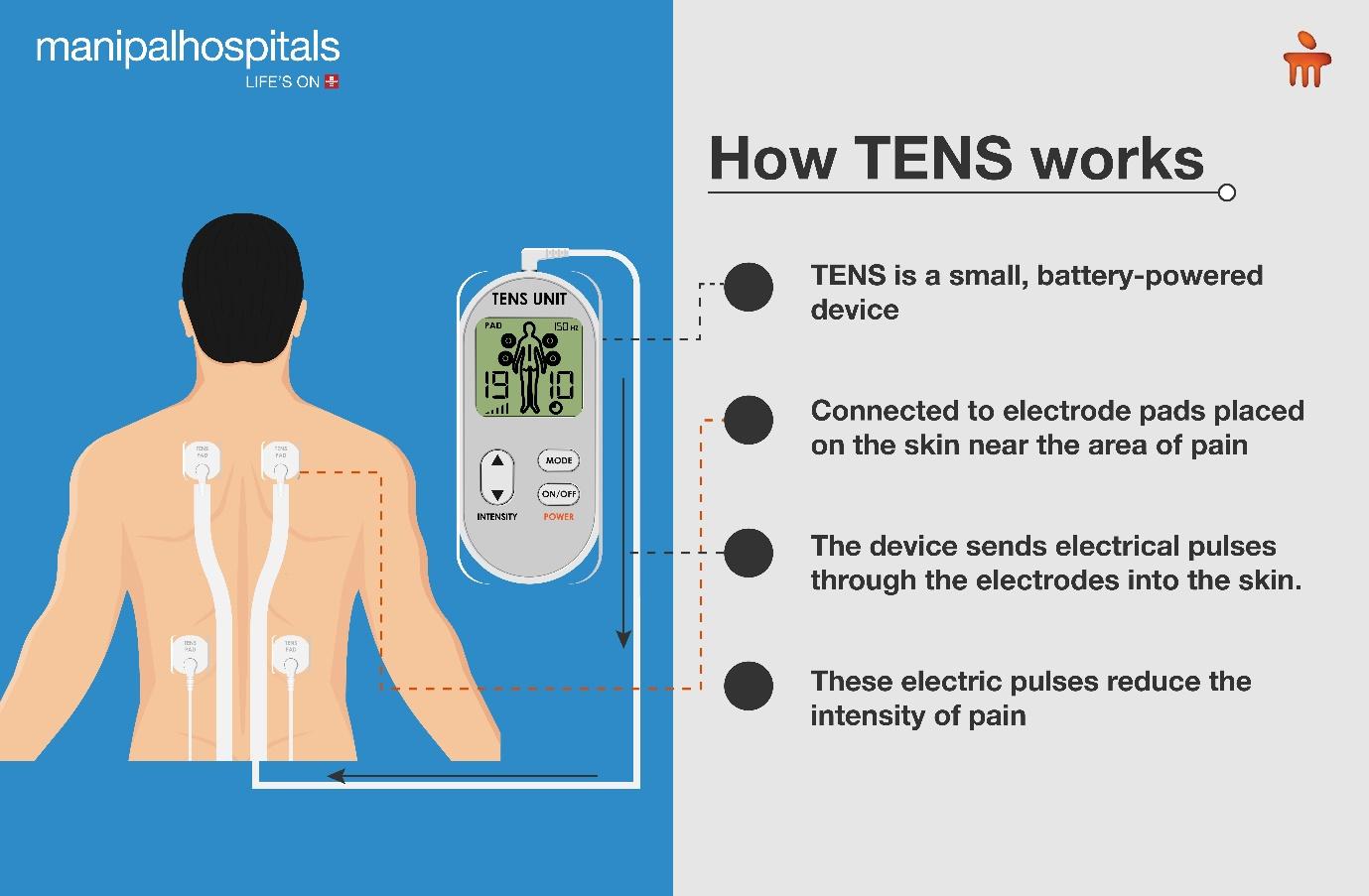
While TENS units directly impact physical well-being, their indirect benefits extend to an individual’s personal and professional brand:
- Maintaining Productivity: Chronic pain can be debilitating, impacting focus, energy levels, and overall productivity. By effectively managing pain, a TENS unit enables individuals to remain engaged in their work, hobbies, and social lives. This consistent presence and productivity are crucial for maintaining a strong professional reputation and delivering on commitments.
- Enhancing Quality of Life: Beyond work, pain relief allows for participation in activities that enrich life—exercise, spending time with family, pursuing passions. An individual who can actively engage with life despite chronic conditions projects an image of resilience and capability.
- Reducing Reliance on Medications: For those wary of the side effects or long-term implications of pain medication, a TENS unit offers an alternative that aligns with a more natural or holistic approach to health. This aligns with a personal brand focused on self-care and informed health choices.
In essence, by helping individuals manage pain and maintain an active, productive lifestyle, a TENS unit indirectly supports their personal brand—projecting reliability, capability, and a proactive approach to well-being.
The Financial Equation: Smart Health Investments and Economic Benefits
When considering any health intervention, especially one involving technology, the financial implications are always a significant factor. A TENS unit, viewed through the lens of personal finance and smart investing, presents a compelling case for cost-effectiveness and long-term economic benefits.
Cost-Effectiveness: A Smart Alternative to Recurring Expenses
One of the most attractive aspects of a TENS unit is its potential to offer significant long-term savings compared to other pain management strategies:
- Reduced Medication Costs: For individuals relying on over-the-counter pain relievers or even prescription medications, the recurring cost can add up substantially over time. A TENS unit, once purchased, has minimal ongoing costs (primarily replacement electrodes), offering a drug-free alternative that can drastically cut down on pharmaceutical expenses.
- Fewer Therapy Sessions: While TENS units are often used in conjunction with physical therapy, they can also extend the benefits of therapy at home or potentially reduce the frequency of professional sessions, leading to savings on co-pays and consultation fees.
- Avoiding Invasive Procedures: In some cases, effective TENS therapy might delay or even prevent the need for more invasive and expensive medical procedures, offering substantial financial relief.
- Minimizing Lost Productivity: As discussed earlier, pain can lead to lost workdays or reduced efficiency. By managing pain, a TENS unit helps individuals maintain their income-earning capacity, preventing potential financial losses due to absenteeism or decreased performance.
Framed as an investment in one’s health, a TENS unit offers a high return through improved well-being and reduced recurring expenses.
Navigating the Market: Price Points, Insurance, and Value for Money
The market for TENS units offers a wide range of price points, from basic models under $50 to advanced units exceeding $300. Making an informed financial decision involves considering:
- Initial Investment vs. Features: Basic models provide core functionality, while higher-priced units offer more programs, better build quality, app connectivity, and additional features like EMS. The “value for money” depends on individual needs and the frequency of use. For chronic pain sufferers, investing in a more robust, feature-rich unit often proves more cost-effective in the long run.
- Insurance Coverage: In many regions, TENS units are considered durable medical equipment (DME) and may be covered by health insurance plans, especially if prescribed by a physician. Checking with your insurance provider can significantly reduce the out-of-pocket expense, making a high-quality unit more accessible.
- Cost of Consumables: Remember to factor in the cost of replacement electrodes. While generally inexpensive, they are a recurring expense. Some brands offer more durable or reusable electrodes, which can contribute to long-term savings.
Economic Impact: TENS in the Broader Health and Wellness Market
Beyond individual finances, the TENS unit market contributes to the broader health and wellness economy:
- Market Growth: The global market for TENS units is growing steadily, driven by an aging population, rising prevalence of chronic pain, and increasing demand for non-pharmacological pain management solutions. This growth signifies investment opportunities in R&D, manufacturing, and distribution within the health tech sector.
- Innovation and Competition: A growing market fosters competition, which in turn drives innovation. Companies are motivated to develop more effective, user-friendly, and affordable devices, ultimately benefiting consumers.
- Healthcare Cost Reduction: Widespread adoption of cost-effective pain management tools like TENS units can, on a macro level, contribute to reducing overall healthcare expenditures by mitigating the need for more expensive interventions.
From personal budgeting to broader market trends, the TENS unit represents a financially prudent choice for individuals and a dynamic segment within the health tech economy.
Choosing Your TENS Unit: A Guide for Informed Decisions
Making the decision to purchase a TENS unit is a step towards proactive pain management. However, with a multitude of options available, informed decision-making is key to selecting a device that truly helps with your specific needs.
Key Features to Consider: Customization, Portability, and Ease of Use
When evaluating different TENS units, consider these practical aspects:
- Customization Options: Look for units with a variety of modes, intensity levels, and pulse settings. The more customizable the unit, the better it can be tailored to your unique pain profile and comfort level.
- Portability and Power Source: If you plan to use the unit on the go, a compact, lightweight, and battery-operated (preferably rechargeable) model is ideal. Consider battery life and charging time.
- Number of Channels: Most units come with two channels, allowing for the placement of four electrodes simultaneously. Some offer four channels, accommodating up to eight electrodes, which can be beneficial for larger areas of pain or multiple pain sites.
- User Interface: A clear display, intuitive controls, and easy-to-understand instructions will enhance your experience. App-controlled units often offer a more sophisticated and flexible interface.
- Quality of Electrodes: The quality of the electrode pads is crucial for effective treatment and skin safety. Look for hypoallergenic, durable pads that provide good conductivity.
- Brand Reputation and Warranty: Opt for reputable brands that offer good customer support and a decent warranty period, signaling confidence in their product.
Understanding Your Needs: Acute vs. Chronic Pain and Professional Consultation
Before making a purchase, it’s vital to:
- Identify Your Pain Type: TENS units can be effective for various types of pain, including back pain, neck pain, arthritis, sciatica, fibromyalgia, menstrual pain, and sports injuries. Understanding whether your pain is acute (short-term) or chronic (long-term) can help in selecting appropriate settings or models.
- Consult a Healthcare Professional: Always consult with a doctor, physical therapist, or pain specialist before starting TENS therapy. They can help diagnose your pain, recommend specific TENS settings, guide you on proper electrode placement, and ensure TENS is appropriate for your condition, especially if you have underlying health issues like pacemakers, epilepsy, or are pregnant.
Conclusion
The question “what does a TENS unit help with?” yields an answer far richer than simple pain relief. It’s a testament to the power of accessible technology to enhance individual well-being, offer a financially astute alternative to traditional pain management, and even subtly empower individuals to maintain their personal and professional capabilities. From its sophisticated neuromodulation technology and increasingly smart features to the careful branding that builds trust and the significant cost-effectiveness it offers, the TENS unit stands as a prime example of how modern tech, when applied thoughtfully, can genuinely improve lives.
By choosing a TENS unit, users aren’t just buying a device; they’re investing in a tool that can help them reclaim comfort, sustain productivity, and make informed choices for a healthier, more engaged life. In a world constantly seeking efficient and effective solutions, the TENS unit firmly positions itself as a valuable ally in the journey towards sustained wellness and personal empowerment.
aViewFromTheCave is a participant in the Amazon Services LLC Associates Program, an affiliate advertising program designed to provide a means for sites to earn advertising fees by advertising and linking to Amazon.com. Amazon, the Amazon logo, AmazonSupply, and the AmazonSupply logo are trademarks of Amazon.com, Inc. or its affiliates. As an Amazon Associate we earn affiliate commissions from qualifying purchases.