
The modern streaming landscape is no longer just about the stories being told; it is a testament to the massive technological infrastructure that brings high-definition content to billions of devices worldwide. When users ask “what to watch on Prime,” they are interacting with one of the most sophisticated content delivery networks (CDNs) and machine-learning recommendation engines in existence. Amazon Prime Video has evolved from a simple value-add for shipping subscribers into a tech-forward platform that pushes the boundaries of UI/UX design, cloud computing, and audiovisual fidelity.
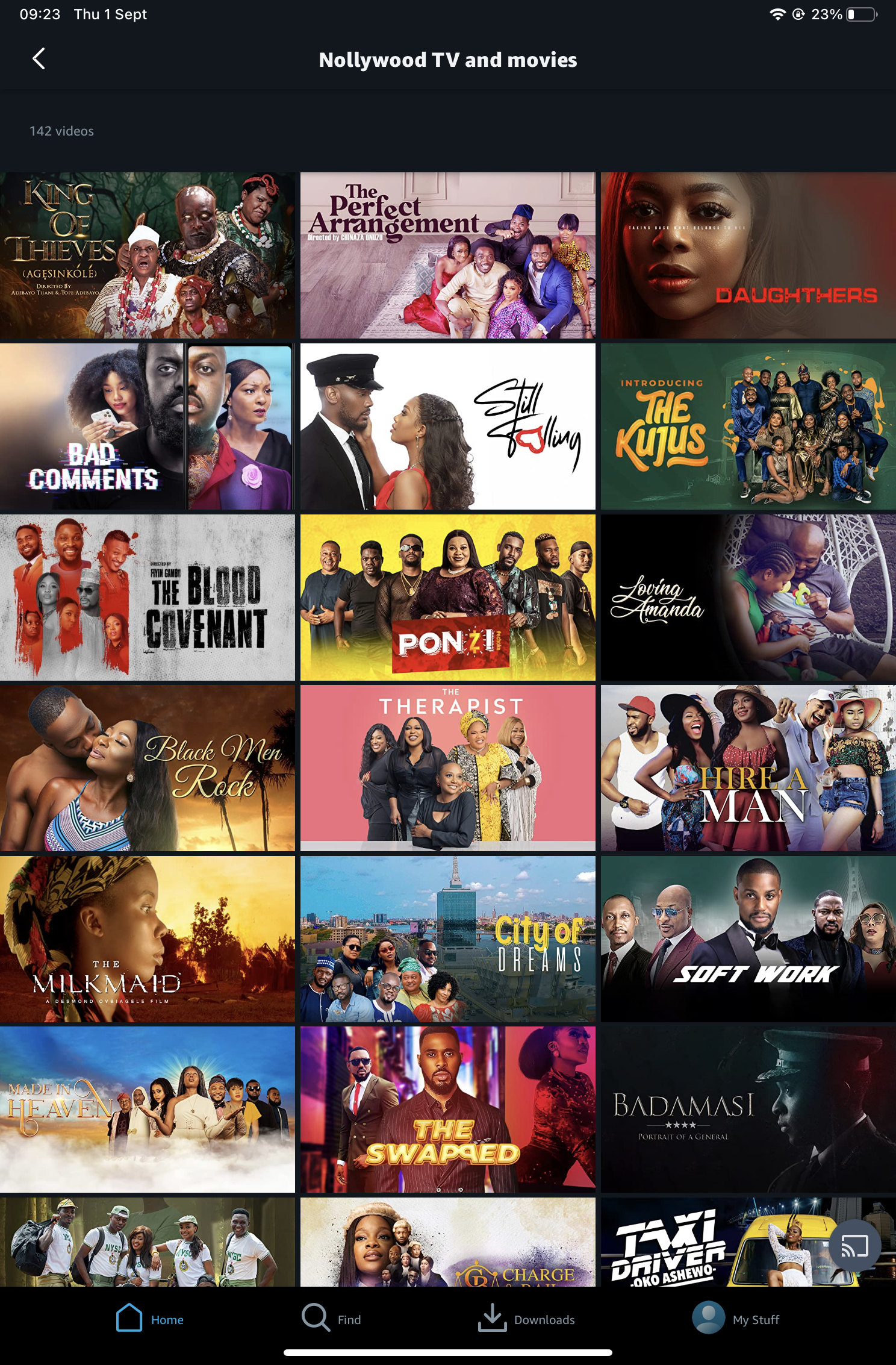
Choosing what to watch is often a paradox of choice. To navigate this, one must understand how technology facilitates discovery, enhances the viewing experience, and integrates with the broader digital ecosystem. This guide explores the platform through a technical lens, highlighting how to maximize your subscription by leveraging the tech that powers your favorite shows and films.
The Algorithm Behind the Recommendations: How Prime Video Curates Your Feed
At the heart of the “what to watch” dilemma is the recommendation engine. Unlike traditional cable television, where programming is linear and universal, Prime Video utilizes complex machine learning models to create a unique storefront for every user. This personalization is the result of massive data processing, where every click, pause, and search query serves as an input for the algorithm.
Machine Learning and Predictive Viewing Patterns
Amazon’s recommendation system relies on “collaborative filtering” and “content-based filtering.” Collaborative filtering analyzes the behavior of millions of users to find patterns. If User A and User B both enjoyed The Boys and Invincible, and User A recently started Gen V, the algorithm will likely suggest Gen V to User B.
Content-based filtering, on the other hand, looks at the metadata of the shows themselves—genre, director, cast, and even sub-tags like “dystopian” or “gritty.” By merging these two approaches, the platform attempts to predict what will keep you on the app longest. Understanding this helps users “train” their feed; by interacting with the “Like” or “Not for me” buttons, you are essentially refining the data points that the AI uses to curate your home screen.
The Role of Metadata and Search UI
The efficiency of finding what to watch is also a matter of database management. Prime Video utilizes deep metadata tagging, which allows for highly specific search queries. Beyond just titles, users can search for “Action movies with high-speed chases” or “Documentaries about sustainable tech.” The underlying architecture of the search UI (User Interface) is designed to minimize friction. The goal is “Zero-Second Discovery,” where the most relevant content is presented before the user even begins to scroll. For tech-savvy viewers, utilizing the “Watchlist” feature acts as a manual override to the algorithm, ensuring that your prioritized content remains at the forefront of the UI.
Technical Specs: Choosing Content Based on Hardware and Connectivity
To truly appreciate “what to watch” on Prime, one must consider the hardware-software synergy. Not all content is created equal in terms of bitrates and resolution. To get the most out of a high-end OLED TV or a high-fidelity home theater system, users should look for specific technical markers within the Prime Video library.
The 4K Ultra HD and HDR10+ Advantage
Amazon has been a pioneer in adopting HDR10+, an open-standard high dynamic range format that competes with Dolby Vision. When selecting a blockbuster like The Lord of the Rings: The Rings of Power, the technical merit of the stream is just as important as the plot. HDR10+ allows for frame-by-frame metadata adjustments, ensuring that brightness and contrast are optimized for your specific display’s capabilities.
Viewers should look for the “UHD” (Ultra High Definition) and “HDR” icons in the video description. From a tech perspective, watching these titles on a compatible device allows you to see the full potential of Amazon’s encoding prowess. The platform uses HEVC (High-Efficiency Video Coding) to deliver 4K content at manageable bitrates, ensuring that even those without fiber-optic internet can experience high-fidelity visuals without constant buffering.
Optimizing Playback for Mobile and Low-Bandwidth Environments
For users watching on the go, Prime Video’s mobile app features advanced “Data Saver” settings. This is a crucial piece of software engineering that allows the app to dynamically adjust the bitrate based on real-time network conditions. The “Best,” “Better,” and “Good” settings give users granular control over their data consumption.
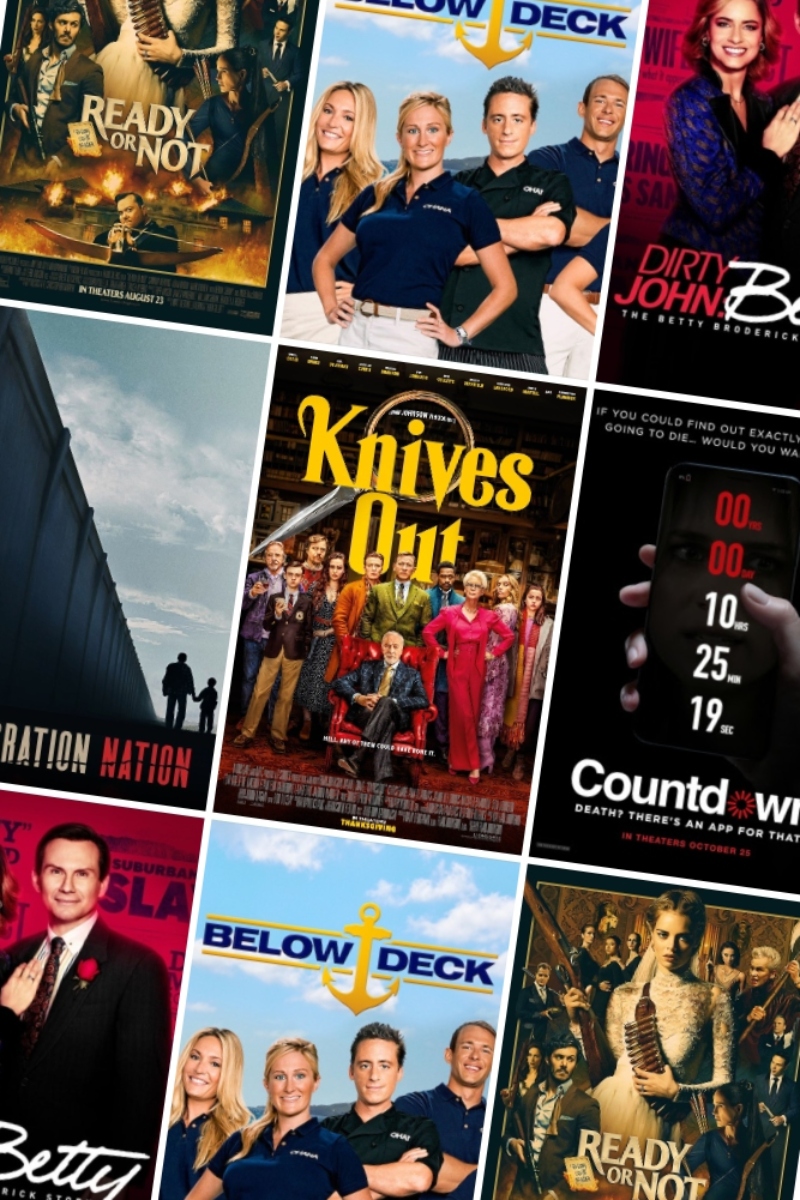
Furthermore, the “Download” feature utilizes sophisticated compression algorithms to store content locally. For those using tablets or smartphones, choosing “what to watch” may be dictated by how well a show scales to a smaller screen. Animated series and high-contrast dramas tend to retain the most visual clarity when compressed for mobile viewing, making them the optimal choice for commuters.
Integrating the Ecosystem: Prime Video’s Role in the Smart Home
Prime Video does not exist in a vacuum; it is a core component of the Amazon “Ambient Intelligence” strategy. The decision of what to watch is often mediated by the devices we use to interact with our homes.
Alexa Voice Integration and Content Discovery
The integration of Alexa into the Fire TV ecosystem and the Prime Video app has revolutionized content discovery. Using Natural Language Processing (NLP), users can bypass menus entirely. Commands like “Alexa, find me a tech thriller” or “Alexa, play the latest episode of The Expanse” utilize the Alexa Skills Kit to bridge the gap between user intent and software execution. This voice-first approach is a significant step toward a more accessible digital experience, allowing users to navigate a library of thousands of titles using only their voice.
The X-Ray Feature: Real-Time Metadata Enrichment
One of the most innovative tech features unique to Prime Video is “X-Ray,” powered by IMDb (an Amazon subsidiary). While watching a film, users can access real-time data about the actors on screen, the music playing in the background, and even trivia about the scene.
Technologically, this is achieved by syncing a timestamped database with the video stream. For the viewer, it transforms a passive experience into an interactive one. If you’re watching a complex series like Mr. Robot, X-Ray provides the technical context and casting details that enhance the narrative. This feature is a prime example of how big data can be utilized to provide value to the end-user without interrupting the viewing experience.
The Future of Streaming: AI-Driven Content Discovery and AWS Power
The infrastructure that supports Prime Video is built on Amazon Web Services (AWS), the world’s most comprehensive cloud platform. This relationship allows Prime Video to experiment with cutting-edge technologies that will define the future of how we choose what to watch.
Generative AI and Interactive Previews
We are moving toward an era where AI doesn’t just recommend content but helps summarize it. Amazon is currently exploring the use of Generative AI to create “Review Highlights” and personalized trailers. Imagine a system that knows you prefer “high-stakes drama” and automatically generates a 30-second preview of a movie focusing only on those elements. This level of algorithmic customization would virtually eliminate “scroll fatigue,” making the “what to watch” question easier to answer than ever before.
Cloud Computing and Global Latency Reduction
The technical challenge of delivering a seamless 4K stream to a user in a rural area versus a user in a tech hub like San Francisco is immense. Through AWS’s global network of “Edge Locations,” Prime Video caches content closer to the user. This reduces latency and “Time to First Frame” (TTFF). As cloud gaming and interactive “choose your own adventure” content (like those seen in experimental digital media) become more prevalent, the low-latency infrastructure of AWS will allow Prime Video to offer experiences that traditional broadcasters simply cannot match.

Conclusion: Maximizing the Tech in Your Subscription
Answering the question of “what to watch on Prime” is as much about understanding the platform’s technical capabilities as it is about knowing your own taste in movies. By leaning into the machine learning recommendations, optimizing your hardware settings for 4K HDR, and utilizing features like X-Ray and Alexa integration, you transform your subscription from a simple video library into a high-performance digital entertainment hub.
The intersection of entertainment and technology is where Prime Video shines. Whether it is the efficient HEVC encoding that saves your mobile data or the AWS-powered cloud that ensures a buffer-free 4K experience, the technology is the silent protagonist in every story you stream. As the platform continues to integrate AI and expand its technical footprint, the way we discover and consume content will only become more intuitive, immersive, and personalized. For the tech-savvy viewer, the “Watchlist” is not just a list of movies—it is a curated data set of high-fidelity experiences waiting to be unlocked.
aViewFromTheCave is a participant in the Amazon Services LLC Associates Program, an affiliate advertising program designed to provide a means for sites to earn advertising fees by advertising and linking to Amazon.com. Amazon, the Amazon logo, AmazonSupply, and the AmazonSupply logo are trademarks of Amazon.com, Inc. or its affiliates. As an Amazon Associate we earn affiliate commissions from qualifying purchases.