
In the world of high-end property management and residential leisure, the “smart home” has moved beyond the living room and into the backyard. While most homeowners understand that pools require chemicals, the nuanced science of total alkalinity (TA) has historically been a manual, often frustrating chore. However, as we enter an era defined by the Internet of Things (IoT), artificial intelligence, and advanced chemical engineering, the question of “what does alkalinity do for a pool” is being answered through the lens of sophisticated technology.
Alkalinity is the fundamental stabilizer of water chemistry, acting as a “buffer” for pH levels. In technical terms, it measures the water’s ability to neutralize acids. Without proper alkalinity, pH levels fluctuate wildly—a phenomenon known as “pH bounce”—which can lead to equipment corrosion, skin irritation, and cloudiness. Today, the integration of digital sensors and automated dosing systems is transforming this baseline chemical requirement into a precision-engineered metric that ensures longevity for both the pool and its high-tech components.
The Science of Stability: Understanding Total Alkalinity through a Digital Lens
To understand why technology has focused so heavily on alkalinity, one must first understand its role as the structural foundation of water chemistry. Total alkalinity is a measurement of alkaline substances (primarily bicarbonates, carbonates, and hydroxides) dissolved in the water.
The pH Buffer: Why Precision Matters
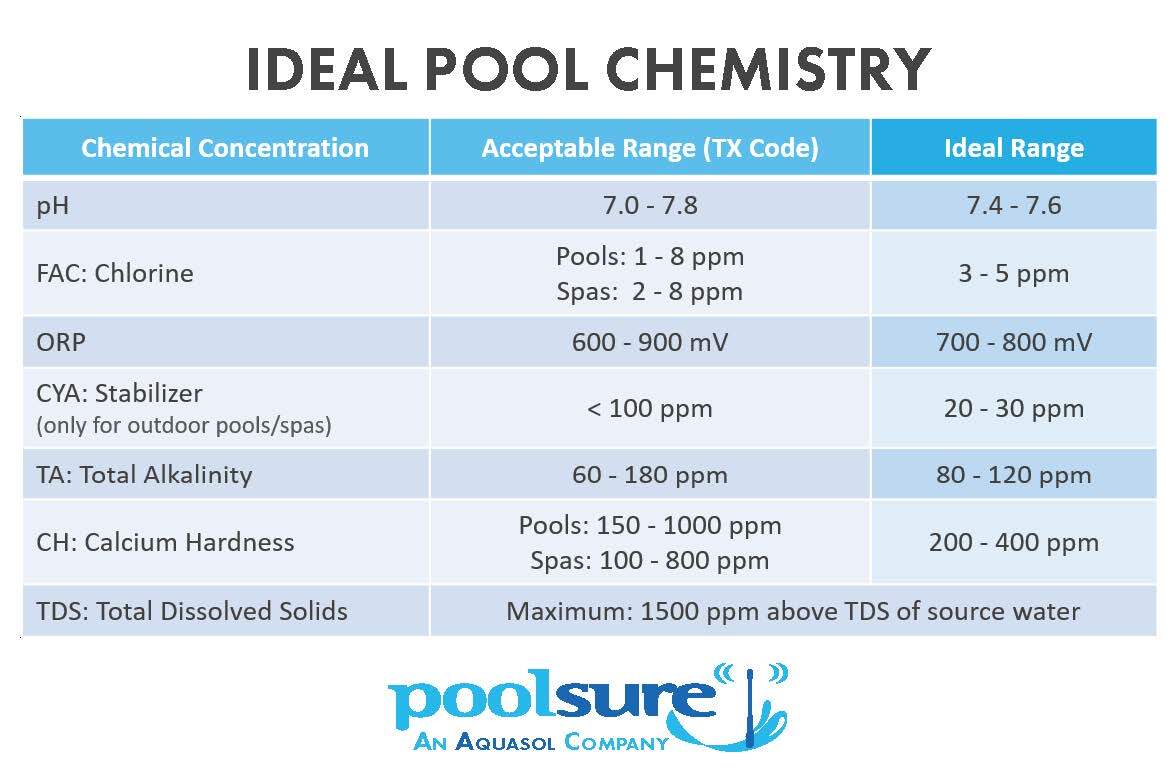
In any aquatic environment, pH levels are naturally volatile. Factors such as bather load, rainfall, and even the introduction of chlorine can cause pH to spike or plummet. Alkalinity serves as the “anchor” that prevents these swings. From a technological standpoint, maintaining alkalinity between 80 and 120 parts per million (ppm) is the critical threshold for protecting sensitive hardware. If alkalinity is too low, the water becomes acidic and aggressive, potentially etching the heat exchangers in high-efficiency gas heaters or degrading the seals in variable-speed pumps. Conversely, high alkalinity leads to scale formation, which can clog filtration systems and coat salt-chlorine generator cells, rendering them useless.
Digital vs. Analog: The Shift to High-Accuracy Sensors
The traditional method of testing alkalinity involved titration kits—counting drops of a reagent in a plastic vial until the color changed. This method is prone to human error, light-source interference, and subjective interpretation. Modern tech has introduced spectrophotometric sensors and electrochemical probes that can measure ion concentrations with laboratory-grade accuracy. These sensors utilize specific wavelengths of light or electrical conductivity to determine the precise parts-per-million of alkaline compounds, feeding this data into a digital interface that eliminates the guesswork of manual testing.
The IoT Revolution in Backyard Maintenance
The most significant advancement in pool care is the rise of the IoT-connected pool. By embedding smart sensors directly into the plumbing or floating them on the surface, homeowners and facility managers now have a 24/7 window into their water’s chemical health.
Real-Time Monitoring Systems
New-generation IoT devices, such as the Sutro Smart Water Monitor or the Waterlily system, have revolutionized how we track alkalinity. These devices are equipped with microfluidic cartridges that perform automated chemical tests several times a day. The data is transmitted via Wi-Fi or Bluetooth to a cloud-based server, where it is processed and sent to a smartphone app. This real-time visibility allows for proactive management; instead of discovering a massive alkalinity drop after a heavy rainstorm, the user receives a notification the moment the buffer begins to weaken, allowing for immediate corrective action.
Automated Dosing and Cloud Integration
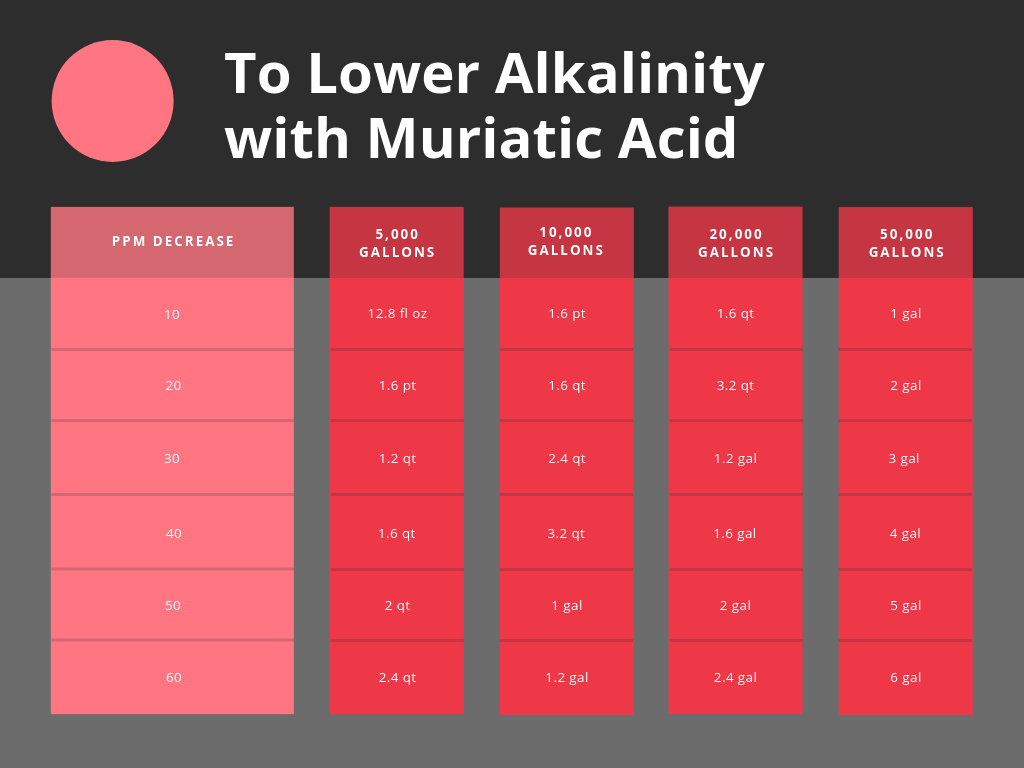
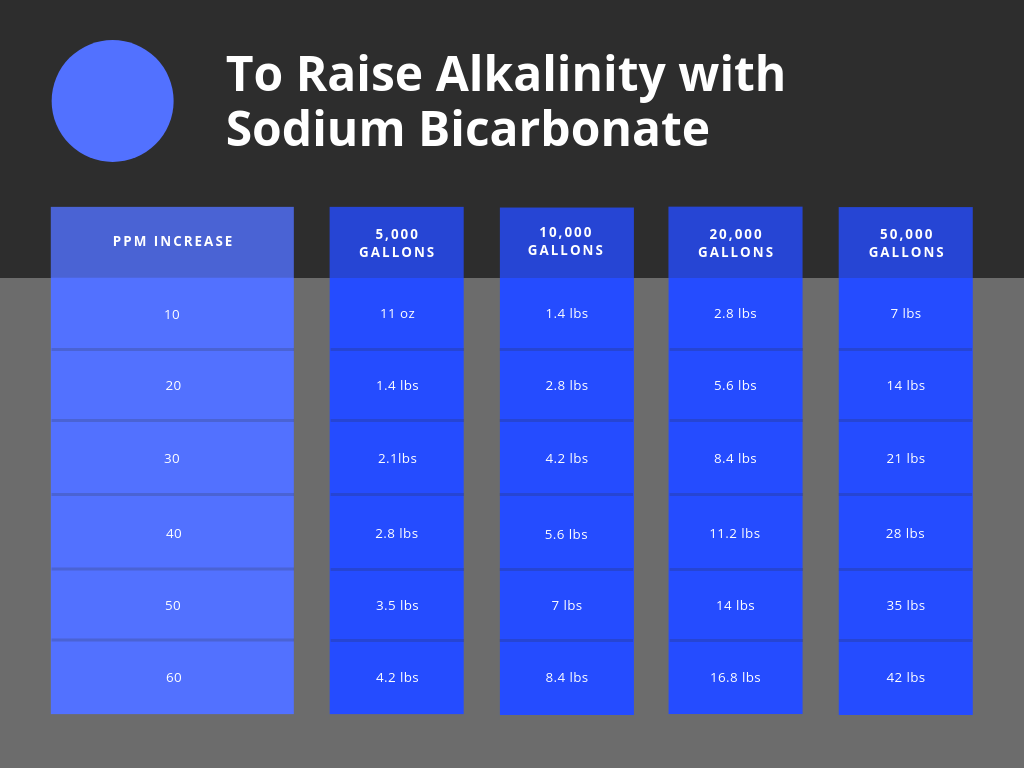
The ultimate goal of pool technology is a “set and forget” ecosystem. Integrated automation systems, like those from Hayward’s OmniLogic or Pentair’s IntelliCenter, can now be linked to chemical feed pumps. When the digital sensors detect a drift in alkalinity or pH, the controller activates a peristaltic pump to dispense a precise amount of sodium bicarbonate (to raise alkalinity) or muriatic acid (to lower it). By integrating with cloud weather data, these systems can even anticipate chemical changes. For example, if the system’s API detects an incoming storm with acidic rain, it can preemptively adjust the alkalinity buffer to compensate for the anticipated pH drop.
AI and Predictive Analytics in Water Chemistry
Beyond simple monitoring and automation, the industry is leveraging Artificial Intelligence (AI) and Machine Learning (ML) to provide deeper insights into how pools behave over time. This is where the true value of tech-driven alkalinity management lies.
Machine Learning for Seasonal Balancing
Every pool has a unique “personality” influenced by its local environment, water source, and usage patterns. AI-driven platforms can analyze months of alkalinity data to identify trends. For instance, a system might learn that a specific pool’s alkalinity tends to deplete faster during the high-heat months of July and August due to increased evaporation and top-off water. By identifying these patterns, the AI can provide the user with a “chemical forecast,” suggesting the ideal time to add buffers before the water chemistry becomes unstable. This predictive maintenance extends the life of the pool’s interior finish and mechanical components significantly.
Preventing Corrosion and Scaling via Data-Driven Insights
One of the most expensive failures in pool ownership is the degradation of the pool shell or the plumbing system. Low alkalinity leads to “aggressive” water that leaches calcium out of plaster and grout. High alkalinity leads to calcium carbonate scaling. Tech platforms now use the Langelier Saturation Index (LSI)—a mathematical formula that calculates the scaling or corrosive tendency of water—as a primary dashboard metric. By automatically calculating the LSI based on real-time alkalinity, pH, temperature, and calcium hardness readings, the software can warn a user if their water is “out of balance” long before physical damage occurs. This is a level of preventive care that was impossible in the pre-digital era.
The Future of Residential Pool Technology
As we look toward the future, the technology surrounding pool alkalinity and overall water quality is moving toward total sustainability and seamless smart-home integration.
Sustainability and Chemical Reduction
High-tech filtration and purification systems, such as Ozone and UV-C sterilizers, are becoming more common. While these systems reduce the need for chlorine, they do not eliminate the need for alkalinity. In fact, they make alkalinity management even more critical, as these systems perform best in a stable pH environment. The next generation of pool tech is focusing on “chemical optimization”—using the minimum amount of additives necessary to maintain safety. Advanced algorithms are being developed to calculate the exact gram-weight of chemicals needed based on the pool’s total volume and current alkalinity levels, reducing waste and minimizing the environmental footprint of backyard maintenance.
Smart Home Ecosystem Integration
The pool is no longer an island. Modern property tech (PropTech) is integrating pool chemistry data into broader home automation platforms like Apple HomeKit, Amazon Alexa, and Google Home. Imagine a scenario where your smart home’s voice assistant notifies you: “Your pool’s alkalinity is currently 70 ppm. I have scheduled the automated feeder to add 2 lbs of stabilizer at 2:00 PM to maintain a neutral LSI.” This level of integration ensures that the technical complexities of alkalinity are handled by the house itself, providing the owner with the luxury of a perfectly balanced pool without the need for a degree in chemistry.
The answer to “what does alkalinity do for a pool” has evolved. While it remains the bedrock of chemical stability, its management has transitioned from a manual art to a digital science. Through IoT sensors, AI-driven analytics, and automated dosing, technology has mastered the delicate balance of pool chemistry, protecting investments and ensuring that the water is always safe, clear, and perfectly buffered. As these technologies continue to mature, the “smart pool” will become a standard feature of the modern home, proving that even the most basic chemical principles can be enhanced through silicon and software.
aViewFromTheCave is a participant in the Amazon Services LLC Associates Program, an affiliate advertising program designed to provide a means for sites to earn advertising fees by advertising and linking to Amazon.com. Amazon, the Amazon logo, AmazonSupply, and the AmazonSupply logo are trademarks of Amazon.com, Inc. or its affiliates. As an Amazon Associate we earn affiliate commissions from qualifying purchases.