
In today’s hyper-connected world, Wi-Fi is no longer a luxury; it’s an essential utility. From streaming your favorite shows and attending virtual meetings to managing your smart home devices and keeping up with the latest tech trends, a stable and robust wireless network is the bedrock of our digital lives. But have you ever stopped to wonder what exactly makes this magic happen? While we often take it for granted, a small, unassuming box in your home or office plays a pivotal role: the Wi-Fi router. This article delves into the fundamental functions of a router, demystifying its importance and exploring its impact across the technology, brand, and money spheres.
The Router: More Than Just a Box, It’s the Brain of Your Network
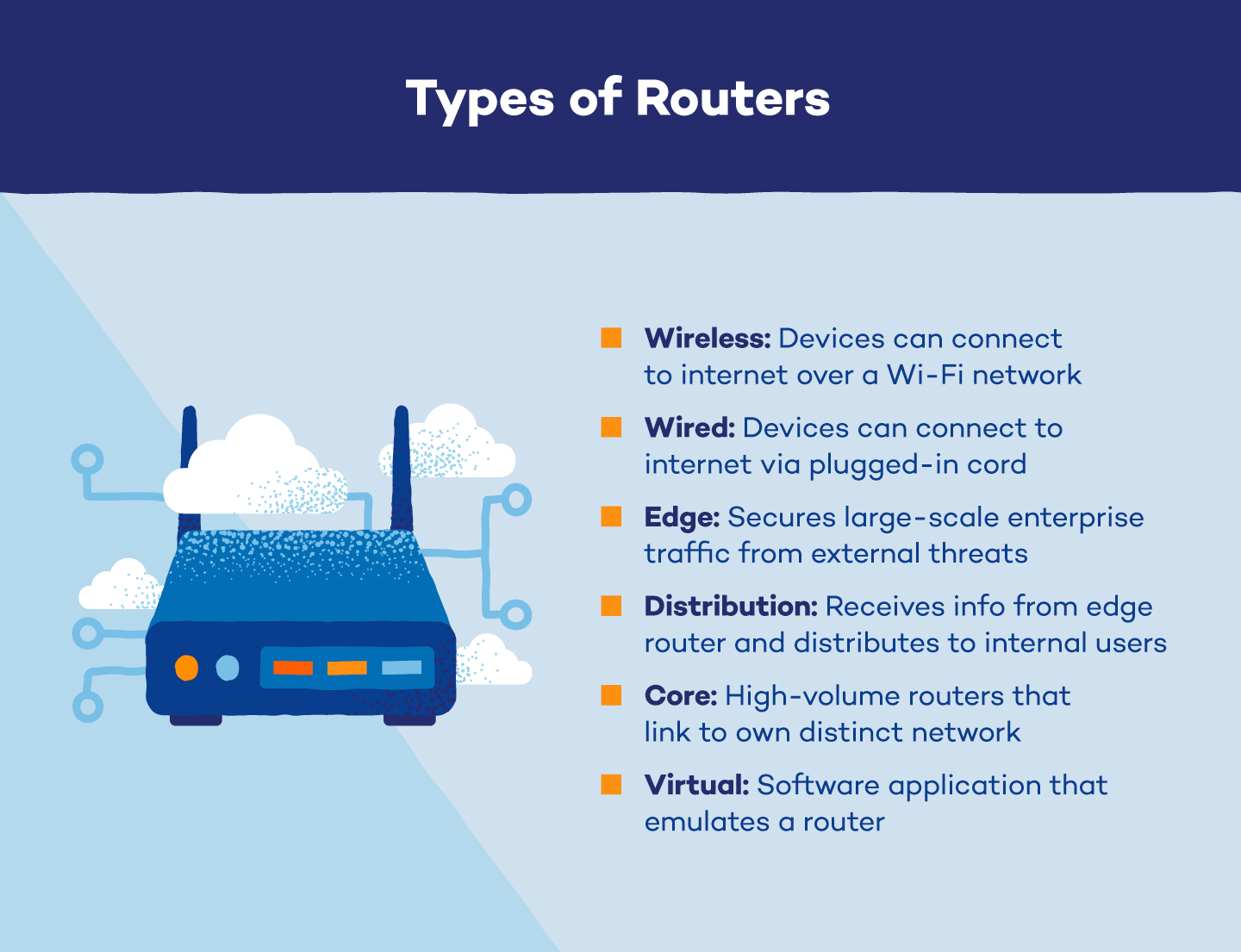
Think of your router as the central nervous system of your home or office network. It’s the device that orchestrates the flow of data, allowing all your connected devices – smartphones, laptops, smart TVs, gaming consoles, and even your smart refrigerator – to communicate with each other and, crucially, with the internet. Without a router, your internet service would be confined to a single wired connection, rendering the convenience and ubiquity of Wi-Fi impossible.
Bridging the Gap: From Wired to Wireless
At its core, a router’s primary function is to act as a bridge between your local network (all the devices connected wirelessly or via Ethernet cables in your home) and the wider internet. Your Internet Service Provider (ISP) provides you with an internet connection, typically delivered via a modem. The modem’s job is to translate the signals from your ISP into a format that your home network can understand. However, a modem usually only supports a single wired connection. This is where the router steps in.
The router connects to your modem via an Ethernet cable. It then takes that single internet connection and creates a local area network (LAN). This LAN allows multiple devices to share the same internet connection. The router’s magic lies in its ability to assign unique local IP addresses to each device connected to it, enabling them to communicate within the network. When a device requests information from the internet (e.g., loading a webpage), the router directs that request to the modem and then routes the incoming data back to the correct device.
Directing Traffic: The Art of Packet Routing
The internet is a vast network of interconnected devices, and data travels across it in small packets. Each packet contains a portion of the data being sent, along with information about its origin, destination, and sequence. When your router receives a request, it breaks down the data into these packets. It then uses sophisticated routing tables and algorithms to determine the most efficient path for these packets to travel across the internet to their destination.
Conversely, when data returns from the internet, the router receives it and, using the destination IP address of your specific device, accurately routes each packet back to its intended recipient. This complex but rapid process ensures that your data arrives in the correct order and without corruption. This efficient traffic management is crucial for a seamless online experience, preventing bottlenecks and lag.
Network Address Translation (NAT): Sharing One IP Address
One of the cleverest functions of a router is Network Address Translation (NAT). Your ISP assigns your home or office a single public IP address. However, you likely have many devices connected to your network, each needing a way to be identified. NAT allows your router to act as an intermediary, using that single public IP address to represent all the devices on your local network when they communicate with the internet.
When a device on your network sends data out, the router replaces the device’s private IP address with the router’s public IP address. When data returns, the router checks the incoming traffic and directs it to the correct internal device based on the connection information it has stored. This not only conserves the limited supply of public IP addresses but also provides a fundamental layer of security by masking the internal structure of your network from the outside world.
Wi-Fi Broadcasting: The Wireless Signal
Beyond its routing capabilities, the router is also responsible for creating and broadcasting the Wi-Fi signal. It contains a wireless transmitter and antenna that emit radio waves. These radio waves carry the internet data to your wireless devices. Different routers utilize various Wi-Fi standards (like Wi-Fi 4, Wi-Fi 5, Wi-Fi 6, and the latest Wi-Fi 6E and Wi-Fi 7), each offering improvements in speed, capacity, and efficiency.
The router acts as a central hub for all wireless connections. Your devices scan for available Wi-Fi networks, identify your network’s name (SSID), and then connect using a password. The router manages these connections, ensuring that each wireless device can access the internet and communicate with other devices on the network.
Security: The First Line of Defense
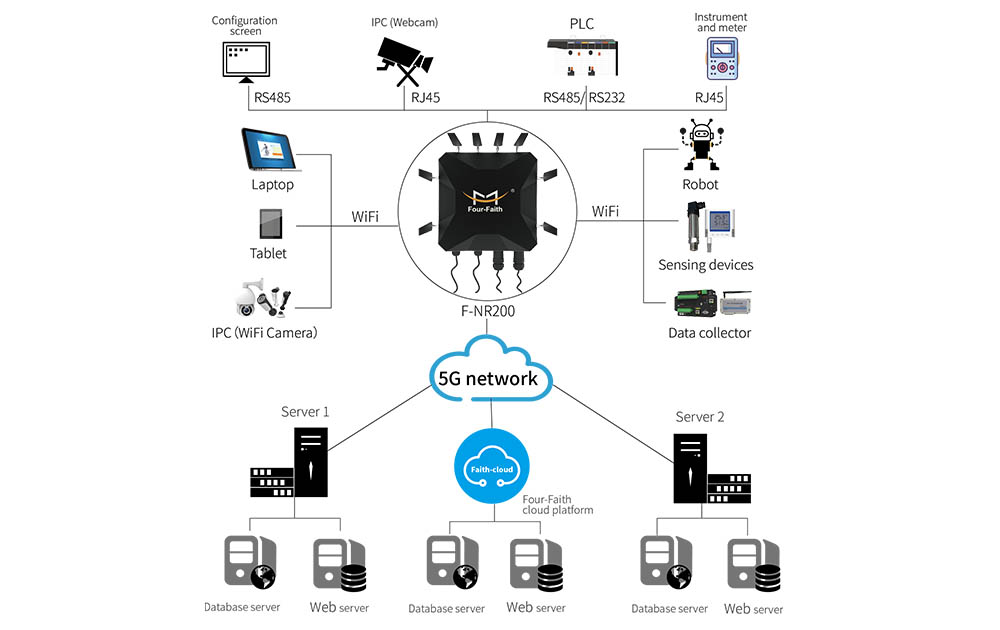
In the digital realm, security is paramount. Your router plays a crucial role in safeguarding your network and connected devices from unauthorized access and malicious threats. It acts as the first line of defense, implementing several security measures:
Firewall Protection
Most modern routers come equipped with a built-in firewall. This firewall acts like a digital gatekeeper, monitoring incoming and outgoing network traffic. It analyzes data packets and blocks any that are deemed suspicious or do not conform to your predefined security rules. This prevents hackers and malware from entering your network and compromising your devices.
Encryption Protocols
To protect your Wi-Fi signal from being intercepted by unauthorized users, routers employ encryption protocols. The most common and secure is WPA3 (Wi-Fi Protected Access 3), preceded by WPA2 and older, less secure protocols like WEP. When you set up your Wi-Fi, you choose an encryption method and a strong password. This encrypts the data transmitted wirelessly, making it unreadable to anyone without the decryption key (your password).
Network Segmentation (Guest Networks)
Many routers offer the ability to create a separate “guest network.” This allows you to provide internet access to visitors without giving them access to your main network and its sensitive devices, such as shared drives or smart home controllers. This is a vital feature for maintaining the security and privacy of your primary network.
The Router’s Impact on Your Digital Life: Tech, Brand, and Money
The functions of a router extend far beyond just providing internet access. They have a profound impact on how we experience technology, how businesses build their brands, and how we manage our personal and business finances.
Enhancing Your Tech Experience
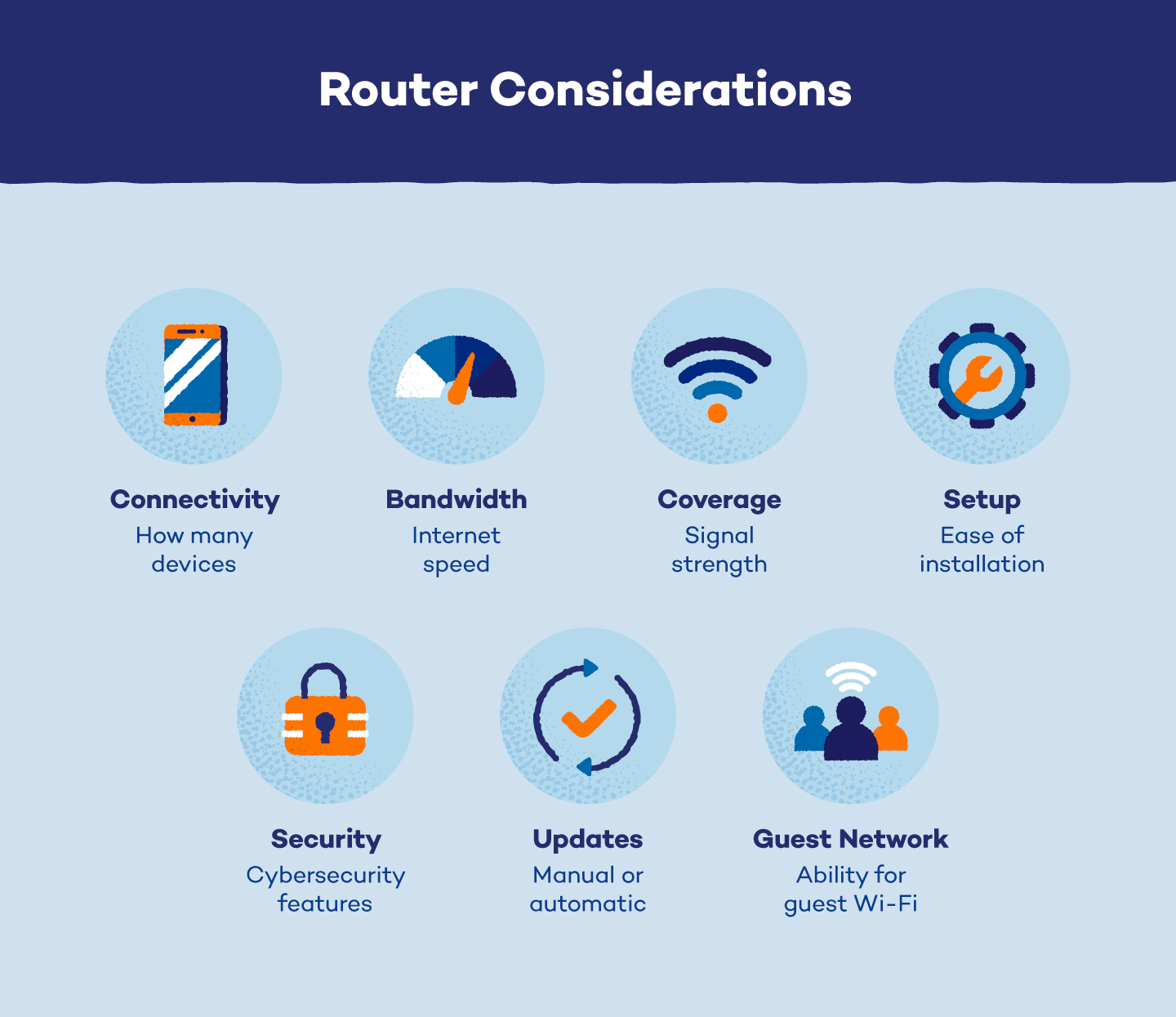
A robust router is the backbone of a seamless technology experience. Its performance directly influences:
- Speed and Responsiveness: The faster and more efficient your router, the quicker your devices can download and upload data. This translates to faster website loading, smoother video streaming (especially in high definition), quicker game downloads, and a more responsive experience when using cloud-based applications.
- Connectivity and Reliability: A good router ensures stable connections for all your devices. This is critical for productivity tasks like video conferencing, where dropped connections can be incredibly disruptive. It also means fewer frustrating moments of lost signal when you’re trying to relax or entertain yourself.
- Smart Home Integration: The proliferation of smart home devices – from smart bulbs and thermostats to security cameras and voice assistants – relies heavily on a strong and reliable Wi-Fi network. A powerful router can handle numerous simultaneous connections without sacrificing performance, making your smart home truly integrated and responsive.
- Future-Proofing: As technology evolves, so do Wi-Fi standards. Investing in a router that supports the latest Wi-Fi standards (like Wi-Fi 6 or 6E) ensures that your network can keep pace with newer, more demanding devices and applications, future-proofing your home or office connectivity.
Building and Maintaining Your Brand Presence
In today’s digital-first world, a strong online presence is synonymous with a strong brand. A well-functioning Wi-Fi network, powered by an efficient router, is essential for:
- Seamless Customer Experience: For businesses, a reliable Wi-Fi network is crucial for providing excellent customer service. This includes smooth operation of point-of-sale systems, fast and responsive websites accessible via Wi-Fi, and efficient communication channels for customer support. A slow or unreliable connection can lead to frustrated customers and damage brand perception.
- Remote Work and Collaboration: The rise of remote and hybrid work models means that businesses rely on their employees having stable internet connections to be productive. A company that provides employees with reliable routers or guidelines for choosing them contributes to a more efficient and engaged workforce, reflecting positively on the company’s commitment to its employees.
- Marketing and Digital Engagement: From running online advertising campaigns to engaging with customers on social media and hosting webinars, businesses need a robust internet connection to execute their marketing strategies effectively. A router’s performance directly impacts the speed and reliability of these digital outreach efforts.
- Brand Reputation: In the age of online reviews and social media, a consistent and positive customer experience is paramount. A business that suffers from connectivity issues, whether in its physical location or in its online services, can quickly see its reputation suffer. A reliable router is a silent but significant contributor to maintaining a positive brand image.
Managing Your Money and Online Income
The router’s impact on your finances is often indirect but undeniably significant:
- Enabling Online Income Streams: For many, the internet is a primary source of income. Freelancers, online entrepreneurs, content creators, and those with side hustles all depend on a stable internet connection provided by their router to:
- Access online marketplaces and platforms: Selling products, offering services, or finding freelance gigs.
- Communicate with clients: Sending proposals, receiving feedback, and collaborating on projects.
- Manage online businesses: Processing orders, updating websites, and running marketing campaigns.
- Attend virtual training and development: Upskilling to earn more.
- Efficient Online Banking and Investing: Managing personal finances, paying bills, and making investments online require a secure and reliable connection. A router’s security features, like firewalls and WPA3 encryption, are vital for protecting sensitive financial information from cyber threats.
- Cost-Effective Solutions: While high-end routers can be an investment, a good quality router can prevent costly disruptions. For businesses, downtime due to internet issues can translate into significant lost revenue. For individuals, a reliable connection can mean avoiding late fees on bills or missed opportunities for online earning.
- Choosing the Right Plan: Understanding your Wi-Fi needs, dictated by your router’s capabilities and the number of devices you use, can help you choose the most appropriate and cost-effective internet plan from your ISP. An overpowered router might not be necessary, while an inadequate one can lead to frustration and the need for costly upgrades to both the router and the internet plan.
Conclusion: The Unsung Hero of Your Digital Life
In essence, your Wi-Fi router is the unsung hero of your digital life. It’s the central hub that enables all your devices to connect to the internet, facilitating everything from basic browsing to complex online operations. Its role as a traffic director, IP address manager, and Wi-Fi broadcaster is fundamental to how we interact with the digital world. Furthermore, a well-performing router significantly enhances our technology experience, bolsters brand presence for businesses, and underpins our ability to generate online income and manage our finances effectively. Understanding what your router does empowers you to make informed decisions about your network, ensuring a faster, more secure, and more reliable digital life.
aViewFromTheCave is a participant in the Amazon Services LLC Associates Program, an affiliate advertising program designed to provide a means for sites to earn advertising fees by advertising and linking to Amazon.com. Amazon, the Amazon logo, AmazonSupply, and the AmazonSupply logo are trademarks of Amazon.com, Inc. or its affiliates. As an Amazon Associate we earn affiliate commissions from qualifying purchases.