
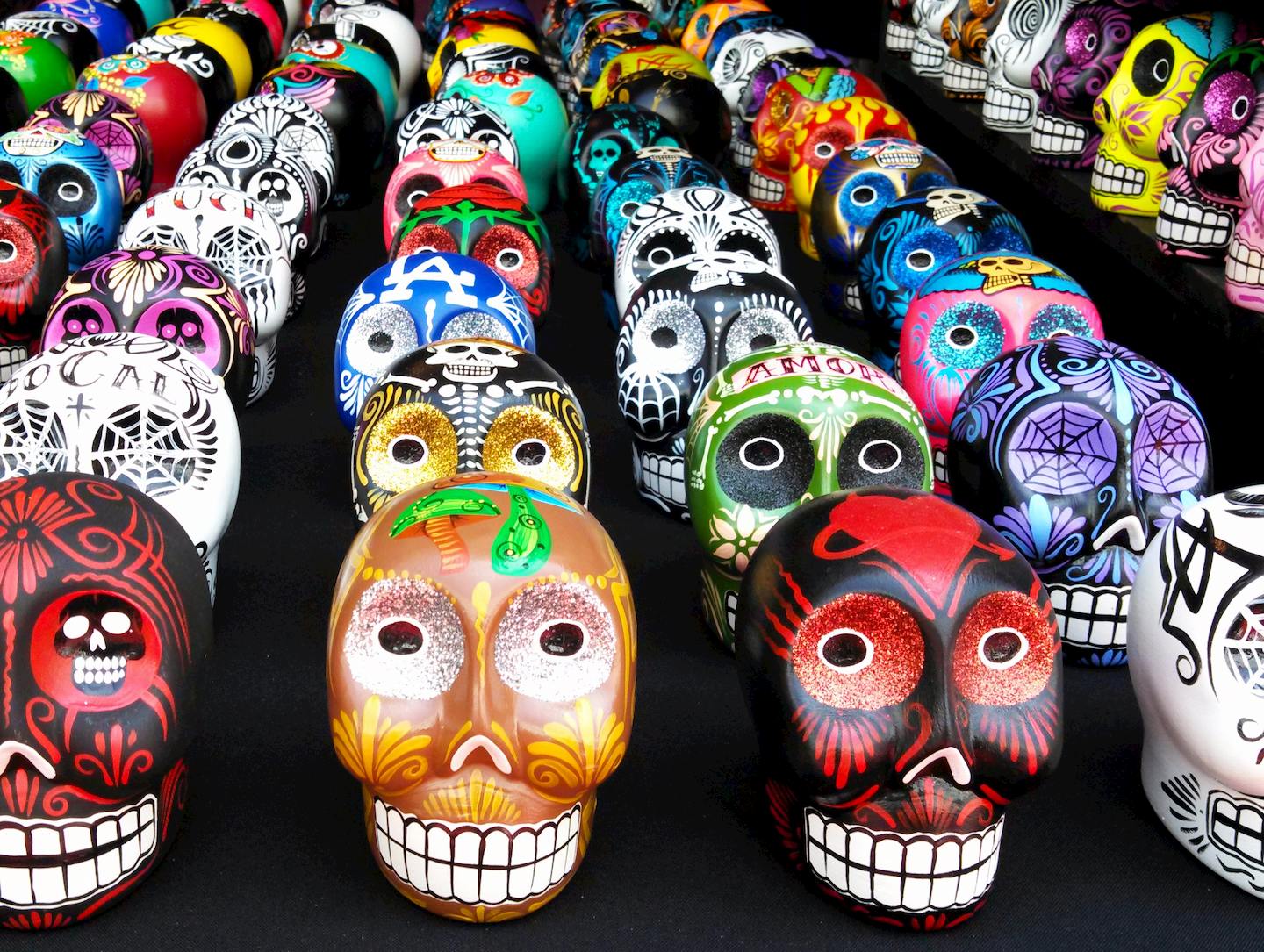
The vibrant and intricate sugar skull, a ubiquitous symbol particularly around the Mexican holiday of Día de Muertos (Day of the Dead), often sparks curiosity about its deeper meaning. Beyond its striking visual appeal, the sugar skull, or calavera de azúcar, is steeped in history, cultural significance, and a unique perspective on life and death. While its aesthetic has become popular in modern art and design, understanding its origins reveals a profound representation of memory, celebration, and the cyclical nature of existence. This exploration delves into the symbolic layers of the sugar skull, moving beyond its surface beauty to uncover the rich tapestry of tradition it embodies.
The Origins and Evolution of the Calavera
The concept of the sugar skull is intrinsically linked to the ancient Mesoamerican civilizations and their distinct approach to mortality. These societies, including the Aztecs, Maya, and others, viewed death not as an end, but as a natural transition, a continuation of life in another form. This worldview profoundly influenced their rituals and artistic expressions.
Pre-Hispanic Roots: Honoring the Ancestors
Long before the arrival of Europeans, indigenous cultures in Mesoamerica developed sophisticated practices for commemorating the deceased. Skulls, or tzompantli, were often displayed as part of these rituals, not as symbols of fear or morbidity, but as offerings and testaments to the cycle of life. The Templo Mayor in Tenochtitlan, the Aztec capital, famously featured a tzompantli where skulls of sacrificed individuals were threaded onto wooden racks. This practice, while seemingly gruesome by modern Western standards, reflected a profound reverence for ancestors and a belief in their continued presence and influence.
The Aztec goddess Mictecacihuatl, the “Lady of the Dead,” presided over these festivals. Her role was to guard the bones of the dead and oversee the feasts dedicated to them. These ancient traditions laid the groundwork for the more elaborate and visually distinct calaveras that would emerge centuries later. The fundamental idea of acknowledging and celebrating death, rather than fearing it, was firmly established.
The Colonial Imprint: Syncretism and Adaptation
The Spanish conquest of Mexico in the 16th century introduced Catholicism and its own distinct perspectives on death and the afterlife. However, rather than completely eradicating indigenous beliefs, the imposed religion often syncretized with existing traditions. The Catholic holidays of All Saints’ Day (November 1st) and All Souls’ Day (November 2nd) merged with indigenous festivals honoring the dead.
This fusion is crucial to understanding the modern calavera. While the indigenous reverence for ancestors and the cyclical view of life persisted, the Christian framework provided new narrative elements and visual motifs. The skulls themselves, while still representing mortality, began to take on a more refined and less raw form. The sweet treats, often shaped like skulls, became a way to honor the departed by offering them something palatable and pleasing. The use of sugar, a valuable commodity at the time, also added a layer of significance to these offerings.
The simplification of the skull, moving from actual bone to an edible confection, democratized the practice. Sugar skulls became accessible to a wider populace, allowing families to create personalized memorials for their loved ones. This shift marked a move towards a more joyful and celebratory commemoration, a departure from the somber tones often associated with death in European traditions.
The Symbolism of the Sugar Skull Today
In contemporary times, the sugar skull has transcended its original religious and cultural context to become a widely recognized symbol. Its meaning, while rooted in tradition, has also evolved to encompass broader themes of remembrance, resilience, and the beauty found in the ephemeral.
Celebrating Life, Not Mourning Death
Perhaps the most crucial aspect of the sugar skull’s symbolism is its reframing of death. Unlike in many Western cultures where death is often a subject of fear and sorrow, the sugar skull embodies a philosophy of acceptance and celebration. It represents the idea that the end of physical life is not a definitive conclusion, but a transition to another realm, a reunion with ancestors.
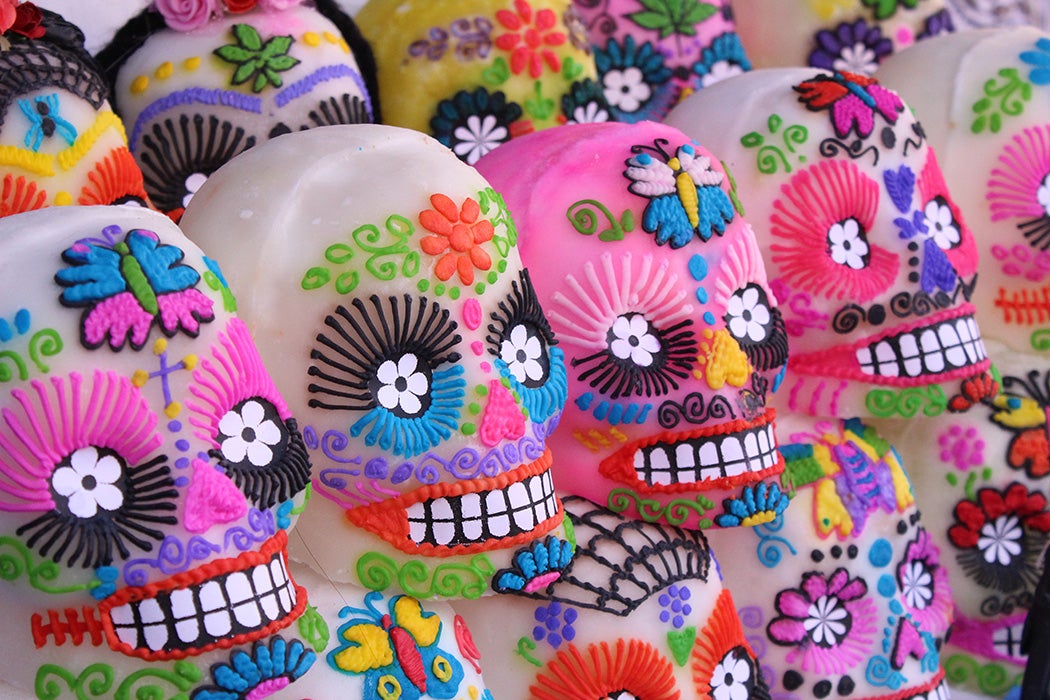
The elaborate decorations – the bright colors, flowers, swirls, and geometric patterns – are not meant to be macabre but festive. They symbolize the joy and vibrancy of the life that was lived. The names of deceased loved ones are often written on the forehead of the sugar skull, a direct and personal way of keeping their memory alive. This act of remembrance is not one of grief, but of affection and a desire to maintain a connection. The sugar skull, therefore, becomes a vessel for love and remembrance, a tangible reminder of the enduring bonds between the living and the departed.
Artistic Expression and Cultural Identity
The aesthetic of the sugar skull is undeniably captivating. Its intricate designs and bold colors have made it a popular motif in art, fashion, and decorative items. This widespread adoption, however, can sometimes lead to a superficial understanding of its meaning. While it’s perfectly acceptable to appreciate the artistry of a sugar skull, it’s important to acknowledge its deeper cultural origins.
For Mexican communities, the sugar skull is a powerful emblem of cultural identity. It represents a unique heritage that has managed to preserve indigenous traditions while integrating external influences. The meticulous craftsmanship involved in creating traditional sugar skulls is a testament to the skill and artistry passed down through generations. Each skull can be a unique piece of art, reflecting the personality and spirit of the individual it memorializes or the artist who created it.
The “Day of the Dead” itself, of which the sugar skull is a central icon, has been recognized by UNESCO as an Intangible Cultural Heritage of Humanity. This designation highlights the global significance of this tradition and the importance of preserving its authentic meaning and practices. The sugar skull, in this context, serves as a potent ambassador of this rich cultural legacy.
Embracing Mortality and the Cycle of Life
Ultimately, the sugar skull serves as a potent reminder of our own mortality and the universal cycle of life and death. It encourages a more open and accepting dialogue about death, stripping away the fear and replacing it with a sense of peace and continuity. By engaging with the calavera, individuals are invited to contemplate their own lives, the legacies they wish to leave, and the interconnectedness of all beings.
The ephemeral nature of the sugar skull itself – made of sugar, meant to be consumed or to decay – further reinforces this theme. It speaks to the transient nature of physical existence, encouraging us to appreciate the present moment and the beauty that can be found even in the face of impermanence. The sugar skull is not about dwelling on the end, but about honoring the journey and the memories that persist beyond it. It is a symbol of hope, remembrance, and the enduring spirit that connects generations.
The Contemporary Relevance of the Sugar Skull
In the modern world, where discussions about death can often be taboo, the sugar skull offers a refreshing perspective. Its widespread popularity, even outside of its traditional context, speaks to a universal human need to grapple with mortality in a meaningful and aesthetically rich way.
Cultural Appreciation vs. Appropriation
As the sugar skull gains global recognition, it’s important to distinguish between cultural appreciation and cultural appropriation. Appreciating the artistry and symbolism of the sugar skull involves understanding its origins, respecting its cultural significance, and engaging with it in a way that honors its traditions. This can involve learning about Día de Muertos, supporting artisans who create authentic sugar skulls, and sharing the deeper meaning behind the symbol.
Cultural appropriation, on the other hand, involves taking elements of a culture without understanding or respecting their original context, often for commercial gain or trendiness. When sugar skulls are used purely as a decorative motif without any acknowledgment of their cultural roots, or when their symbolism is trivialized, it can be seen as disrespectful to the communities that hold this tradition dear. Promoting understanding and educating oneself about the cultural context is key to genuine appreciation.
The Sugar Skull in Art and Design
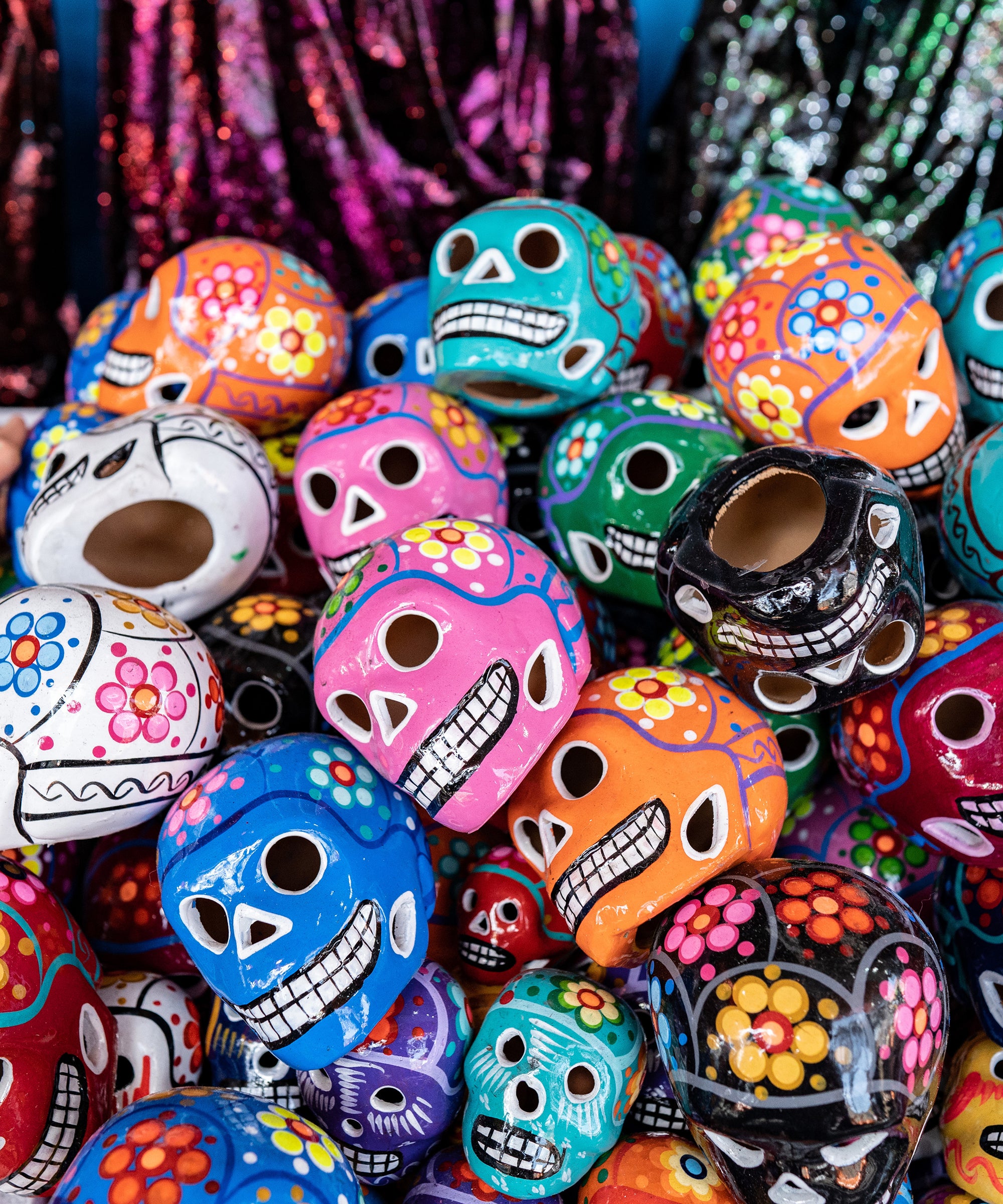
The visually striking nature of sugar skulls has made them a recurring theme in various artistic mediums. From paintings and sculptures to jewelry and fashion, artists and designers continue to draw inspiration from the intricate details and vibrant colors of calaveras. This artistic engagement, when done with respect and understanding, can help to spread awareness of the symbol and its cultural heritage.
Contemporary artists often reinterpret the traditional sugar skull, infusing it with their own unique styles and perspectives. This evolution demonstrates the enduring power of the symbol and its ability to resonate with new audiences. These artistic expressions, when accompanied by an acknowledgment of their origins, can serve as gateways for people to learn more about Día de Muertos and the broader Mexican culture.
A Symbol of Resilience and Remembrance
In essence, the sugar skull remains a powerful and enduring symbol. It represents a profound cultural perspective that embraces life, honors the departed, and acknowledges the cyclical nature of existence with grace and festivity. Its journey from ancient Mesoamerican rituals to modern artistic expression is a testament to its rich symbolism and its ability to connect with people across cultures and generations. The sugar skull invites us to look at death not with fear, but with remembrance, love, and a celebration of the lives that have touched ours. It is a beautiful and poignant reminder that even in endings, there is beauty, continuity, and the promise of remembrance.
aViewFromTheCave is a participant in the Amazon Services LLC Associates Program, an affiliate advertising program designed to provide a means for sites to earn advertising fees by advertising and linking to Amazon.com. Amazon, the Amazon logo, AmazonSupply, and the AmazonSupply logo are trademarks of Amazon.com, Inc. or its affiliates. As an Amazon Associate we earn affiliate commissions from qualifying purchases.