
The realm of sports medicine has always been at the forefront of innovation, constantly seeking ways to enhance athletic performance, prevent injuries, and accelerate recovery. In today’s rapidly evolving technological landscape, sports doctors are increasingly integrating cutting-edge Tech into their practice, transforming how athletes are assessed, treated, and managed. This isn’t just about treating injuries; it’s about optimizing the entire athlete’s journey, from amateur aspirations to professional dominance, through intelligent application of technological advancements.
The Evolving Role of Technology in Sports Medicine
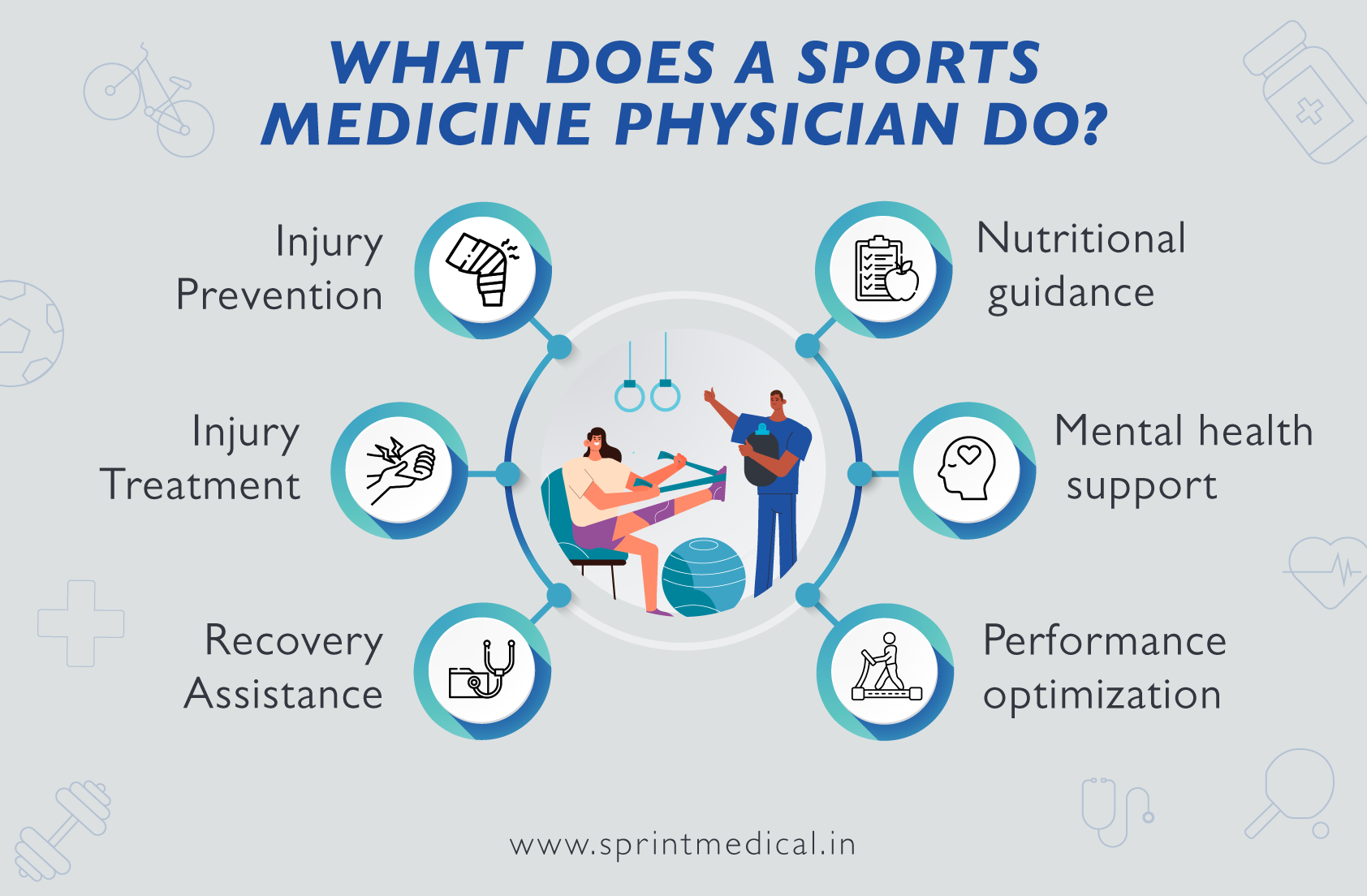
The traditional image of a sports doctor might conjure up a scene of hands-on examination and manual therapy. While these fundamental skills remain crucial, the modern sports doctor’s toolkit is now significantly augmented by a sophisticated array of technologies. These advancements allow for a more precise, data-driven, and personalized approach to athlete care, ultimately contributing to improved outcomes and extended careers.
Advanced Diagnostic Tools: Seeing Beyond the Surface
The ability to accurately diagnose an injury or underlying condition is paramount. Technology has revolutionized this aspect of sports medicine, moving beyond basic imaging to offer deeper insights.
High-Resolution Imaging and Biomechanics Analysis
While X-rays and MRIs have been staples for years, advancements in imaging technology offer far greater detail and faster results. 3D imaging techniques can provide a more comprehensive view of bone and soft tissue structures, aiding in the precise identification of even subtle abnormalities. Beyond static imaging, motion analysis systems, utilizing high-speed cameras and marker-based motion capture, are instrumental in evaluating an athlete’s biomechanics. These systems can pinpoint inefficient movement patterns, muscular imbalances, or poor technique that may predispose an athlete to injury or limit their performance. By analyzing everything from a runner’s gait to a pitcher’s throwing motion, sports doctors can identify root causes of pain and dysfunction that might otherwise be overlooked.
Wearable Sensors and Real-Time Data Collection
The proliferation of wearable technology has opened a new frontier in continuous athlete monitoring. Smartwatches, fitness trackers, and specialized sensors embedded in clothing can collect a wealth of physiological data. This includes heart rate variability, sleep patterns, activity levels, and even more sophisticated metrics like stride length and ground contact time. Sports doctors can leverage this data to gain a comprehensive understanding of an athlete’s training load, recovery status, and overall well-being. Deviations from baseline metrics can serve as early warning signs of overtraining, fatigue, or potential injury, allowing for proactive intervention before a problem escalates. This constant stream of data empowers doctors to make informed decisions about training adjustments, rest periods, and when an athlete is truly ready to return to play.
Precision Treatment and Rehabilitation Technologies
Once a diagnosis is made, technology plays an equally vital role in the treatment and rehabilitation process, enabling faster and more effective recovery.
Minimally Invasive Surgical Techniques and Robotics
For surgical interventions, advancements in arthroscopy and minimally invasive surgery have significantly reduced recovery times and post-operative complications. Robotic-assisted surgery is also becoming more prevalent, offering enhanced precision, dexterity, and visualization for surgeons, particularly in complex orthopedic procedures. These technologies allow for smaller incisions, less tissue damage, and quicker return to mobility for the athlete.
Advanced Rehabilitation Equipment and Virtual Reality
The rehabilitation phase is critical for an athlete’s return to sport. Technology is transforming this process with innovative equipment and immersive experiences. High-intensity laser therapy, ultrasound, and electrotherapy devices are used to promote tissue healing and reduce inflammation. Furthermore, virtual reality (VR) is emerging as a powerful tool in rehabilitation. VR environments can simulate sport-specific movements and scenarios, allowing athletes to regain confidence and re-learn complex motor skills in a controlled and engaging manner. This not only accelerates the physical return to play but also addresses the psychological aspect of recovery, helping athletes overcome fear of re-injury. Gamified rehabilitation programs, powered by interactive technology, can also increase patient adherence and motivation.
Data Analytics and Predictive Modeling for Injury Prevention
Perhaps one of the most transformative applications of technology in sports medicine lies in its ability to move from reactive treatment to proactive prevention. By harnessing the power of data analytics and predictive modeling, sports doctors can identify at-risk athletes and implement targeted strategies to mitigate those risks.

Leveraging Big Data for Performance Optimization
The sheer volume of data generated by athletes – from training logs and performance metrics to biomechanical assessments and physiological monitoring – constitutes a rich resource. Sports doctors, often working in conjunction with data scientists and performance analysts, can utilize sophisticated algorithms to identify patterns and correlations that might not be apparent through traditional analysis.
Machine Learning for Injury Risk Assessment
Machine learning algorithms can be trained on vast datasets of athlete information, identifying the complex interplay of factors that contribute to injuries. By analyzing variables such as training volume, intensity, sleep quality, previous injury history, and movement patterns, these models can predict an athlete’s likelihood of sustaining specific types of injuries. This allows sports doctors to flag individuals who may require closer monitoring or specific preventative interventions. For example, a machine learning model might identify a subtle increase in hamstring strain risk based on a combination of decreased flexibility, increased sprint volume, and a slight shift in running cadence.
Personalized Training and Recovery Protocols
The insights gained from data analytics are not just about identifying risks; they are also about optimizing an athlete’s performance. By understanding an individual athlete’s unique physiological responses and biomechanical characteristics, sports doctors can work with coaches to develop highly personalized training and recovery protocols. This data-driven approach ensures that training loads are precisely calibrated to the athlete’s capacity, promoting adaptation without overexertion. Similarly, recovery strategies can be tailored to address specific needs, whether it’s optimizing sleep, nutrition, or targeted physical therapies. This level of personalization, facilitated by technology, is crucial for pushing athletic boundaries while safeguarding the athlete’s long-term health.
The Future of Sports Medicine: A Tech-Driven Frontier
The integration of technology into sports medicine is not a static phenomenon; it’s a continuous evolution. As technology advances, so too will the capabilities of sports doctors.
Emerging Technologies and Innovations
The future promises even more sophisticated tools and techniques. We can anticipate advancements in:
AI-Powered Performance Analysis and Injury Prediction
Artificial intelligence will likely play an even greater role in analyzing complex datasets, providing real-time feedback to athletes and coaches, and even generating personalized training plans autonomously. AI-powered computer vision could monitor technique during training sessions and provide immediate corrective feedback.
Genomics and Personalized Medicine
While still in its nascent stages for widespread application in sports medicine, understanding an athlete’s genetic predispositions could inform injury prevention strategies and optimize training responses. This approach allows for a truly individualized understanding of an athlete’s potential and vulnerabilities.
Advanced Biologics and Regenerative Medicine
Technologies in regenerative medicine, such as stem cell therapies and platelet-rich plasma (PRP) injections, are becoming increasingly sophisticated in their ability to accelerate tissue healing and recovery. These technologies, when combined with precise diagnostic imaging and rehabilitation protocols, offer new avenues for addressing complex injuries.
The Collaborative Ecosystem: Tech, Sports Doctors, and Athletes
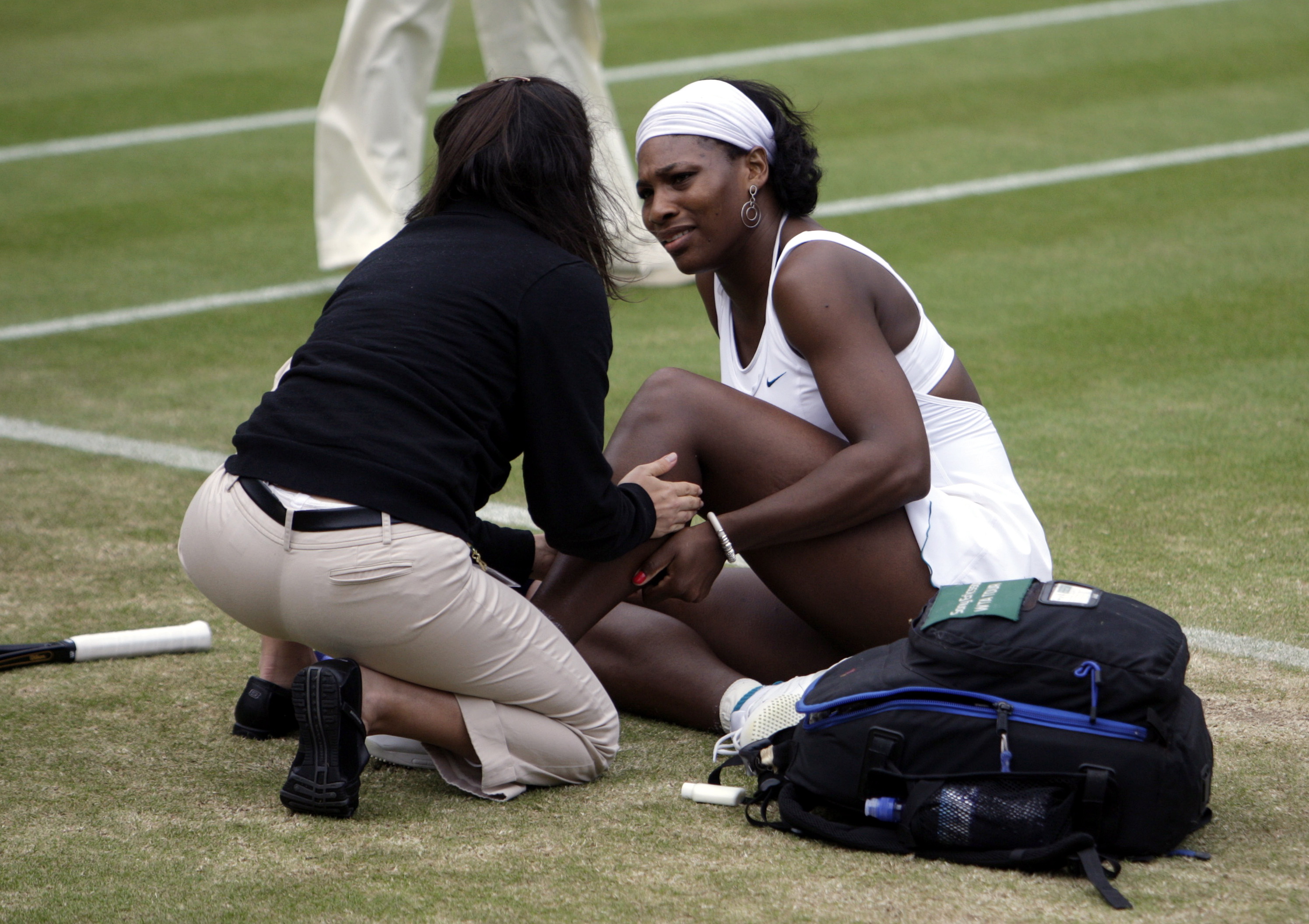
Ultimately, the successful implementation of technology in sports medicine relies on a collaborative ecosystem. Sports doctors act as the central hub, interpreting the data, making clinical decisions, and guiding the application of these technological tools. They work closely with athletes, coaches, physical therapists, and performance analysts, ensuring that technology serves to enhance, rather than complicate, the athlete’s journey. The future of sports medicine is one where technology empowers athletes to reach new heights of performance, while simultaneously safeguarding their health and ensuring the longevity of their careers. The sports doctor, armed with this technological arsenal, is at the vanguard of this exciting transformation.
aViewFromTheCave is a participant in the Amazon Services LLC Associates Program, an affiliate advertising program designed to provide a means for sites to earn advertising fees by advertising and linking to Amazon.com. Amazon, the Amazon logo, AmazonSupply, and the AmazonSupply logo are trademarks of Amazon.com, Inc. or its affiliates. As an Amazon Associate we earn affiliate commissions from qualifying purchases.