
In an increasingly connected world, few things are as frustrating as the digital dead zone – that irritating spot in your home, office, or even outdoors where Wi-Fi vanishes, cellular calls drop, or data grinds to a halt. We rely on seamless connectivity for everything from streaming our favorite shows to conducting critical business meetings, managing finances, and building our online presence. Enter the humble yet indispensable repeater: a device specifically engineered to banish these digital black holes and extend the reach of your signals.
Far from a mere gadget, a repeater is a foundational element in modern network infrastructure, impacting everything from individual productivity to corporate efficiency and even the viability of online income streams. This article delves into the core mechanics of what a repeater does, explores its diverse applications across various technologies, and uncovers its broader implications for your digital security, personal brand, and financial well-being in an ever-more interconnected ecosystem.
The Core Mechanics: How a Repeater Works to Banish Dead Zones
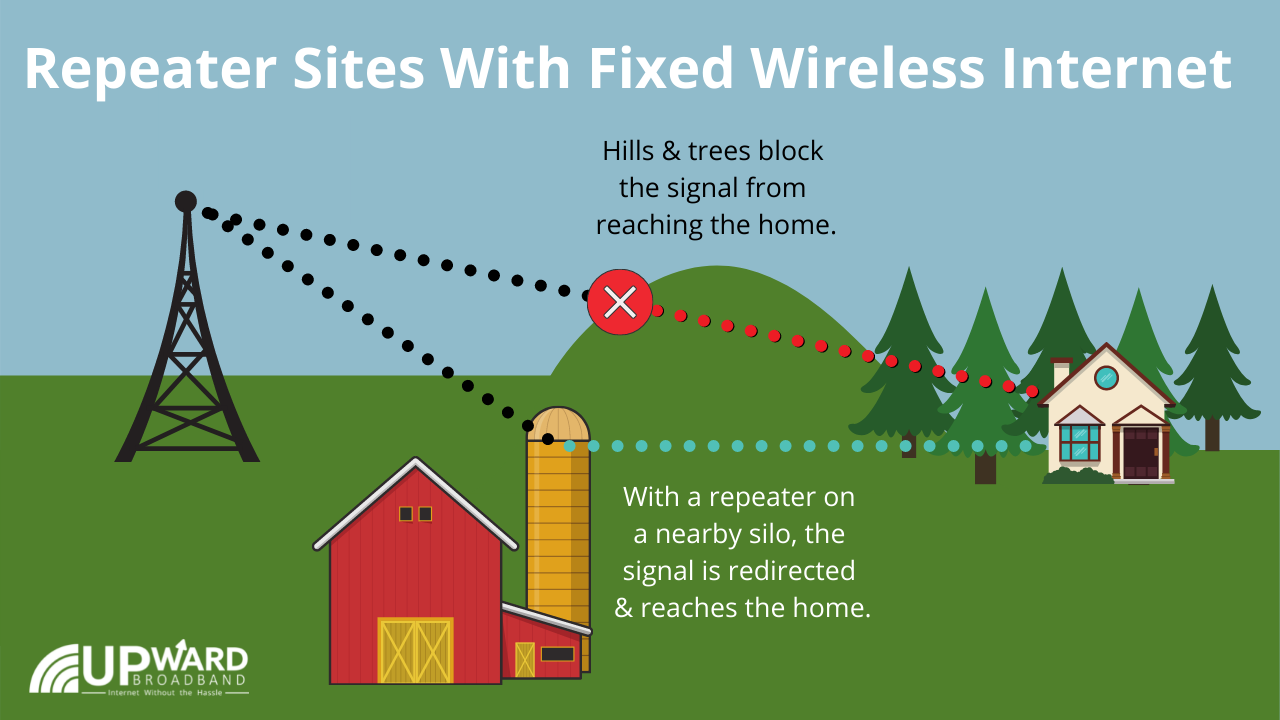
At its heart, a repeater is a device designed to receive a signal, amplify it, and then retransmit it, effectively extending the signal’s range beyond its original capabilities. This simple yet powerful principle underpins its utility in overcoming the natural limitations of signal transmission.
The Principle of Signal Amplification
Signals, whether they are radio waves, Wi-Fi frequencies, or cellular transmissions, naturally degrade over distance and when encountering obstacles like walls, floors, or even furniture. This phenomenon, known as attenuation, causes the signal strength to weaken, leading to slower speeds, dropped connections, and those dreaded dead zones.
A repeater acts as a digital intermediary, strategically placed within the existing signal’s range but close enough to the edge of its effective coverage. It performs a three-step process:
- Reception: It picks up the attenuated signal from the source (e.g., your Wi-Fi router, a cellular tower, or another radio).
- Amplification: It then boosts the strength of this weakened signal.
- Retransmission: Finally, it sends out the now-amplified signal, effectively rebroadcasting it further, allowing it to cover a greater area or penetrate obstacles more effectively.
This cycle revitalizes the signal, allowing devices further away or obstructed by physical barriers to connect with the network or communication source as if they were closer to the original transmitter. While often associated with Wi-Fi, this principle applies to various forms of signal extension, from cellular networks to long-range radio communications.
Distinguishing Between Repeaters, Extenders, and Mesh Networks
The terms “repeater” and “extender” are often used interchangeably, particularly in the context of Wi-Fi. While there can be nuanced technical differences based on how they process the signal (e.g., a “range extender” might create a new network name while a “repeater” uses the same SSID), for most practical purposes, they serve the same function: boosting an existing Wi-Fi signal.
However, it’s important to differentiate these from more advanced solutions like mesh Wi-Fi systems. A mesh network typically consists of multiple interconnected nodes (often resembling small, stylish hubs) that communicate with each other to form a single, unified, and expansive Wi-Fi network. Unlike a repeater that simply broadcasts an amplified signal from a single point, mesh nodes intelligently route traffic and automatically switch devices to the strongest signal available. This often results in more stable performance, broader coverage, and simpler management, though at a typically higher cost than a standalone repeater. While mesh systems represent an evolution in home networking, repeaters remain a cost-effective and straightforward solution for specific dead zone issues.
A Spectrum of Applications: Where Repeaters Make a Difference (Tech Focus)
The versatility of repeaters extends far beyond just improving home Wi-Fi. They are critical components in ensuring reliable communication across diverse technological landscapes.
Home & Office Connectivity: The Ubiquitous Wi-Fi Repeater
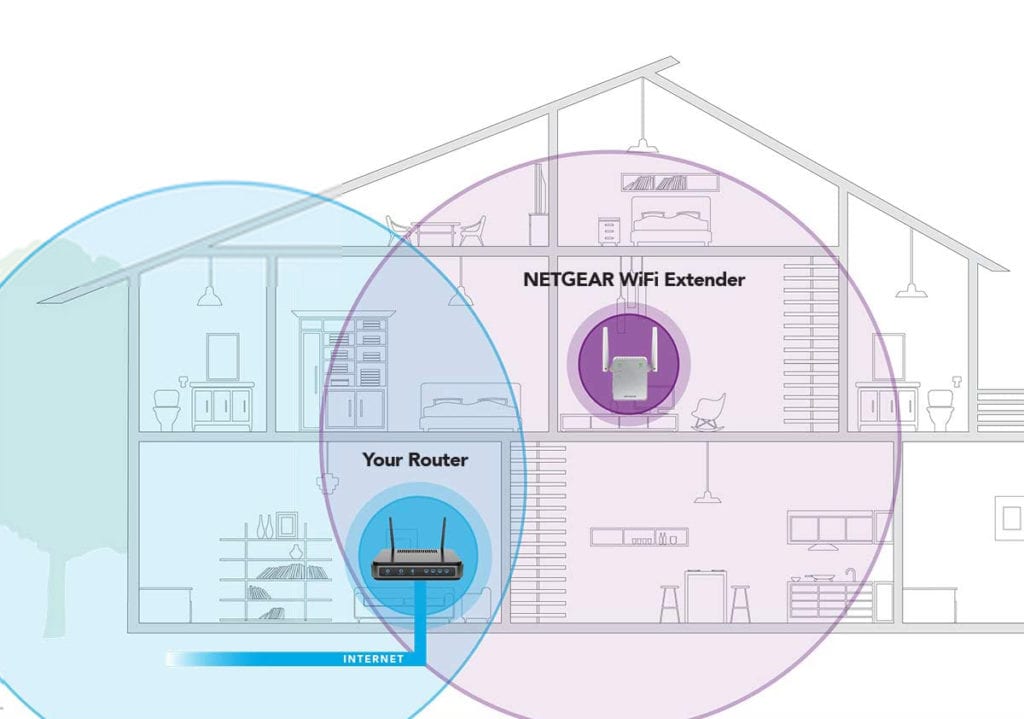
For the average consumer, the most familiar form of a repeater is the Wi-Fi range extender. These devices are lifesavers in homes and small offices grappling with inadequate Wi-Fi coverage. Common scenarios where Wi-Fi repeaters prove invaluable include:
- Large Homes: Sprawling floor plans or multi-story houses often suffer from signal drop-offs on distant floors or in far-flung rooms. A repeater strategically placed can seamlessly extend the network.
- Obstacle-Rich Environments: Thick walls, metal objects, and even large appliances can absorb or block Wi-Fi signals. Repeaters help bypass or penetrate these barriers.
- Outdoor Coverage: Want Wi-Fi on your patio, in the garage, or near the pool? A repeater can push the signal outdoors, enabling smart outdoor devices or simply extending your connectivity for leisure.
- Improving Device Performance: For devices like smart TVs, gaming consoles, or security cameras that are far from the main router, a repeater can provide the stable bandwidth needed for optimal performance, preventing buffering or disconnections.
Setting up a Wi-Fi repeater is typically a straightforward process, often involving a simple WPS button press or a quick configuration via a web interface or dedicated app. Modern repeaters prioritize ease of use, making them accessible even for users with minimal technical expertise.
Boosting Beyond Wi-Fi: Cellular and Radio Repeaters
The repeater concept isn’t limited to local area networks. It plays a crucial role in broader communication infrastructures:
- Cellular Boosters: These devices are essentially repeaters for mobile phone signals. They are particularly vital in rural areas, large buildings (like hospitals, warehouses, or underground parking garages), or vehicles where cellular signals struggle to penetrate or reach. A cellular booster captures weak outdoor signals, amplifies them, and broadcasts them indoors, dramatically improving call quality, text message reliability, and mobile data speeds.
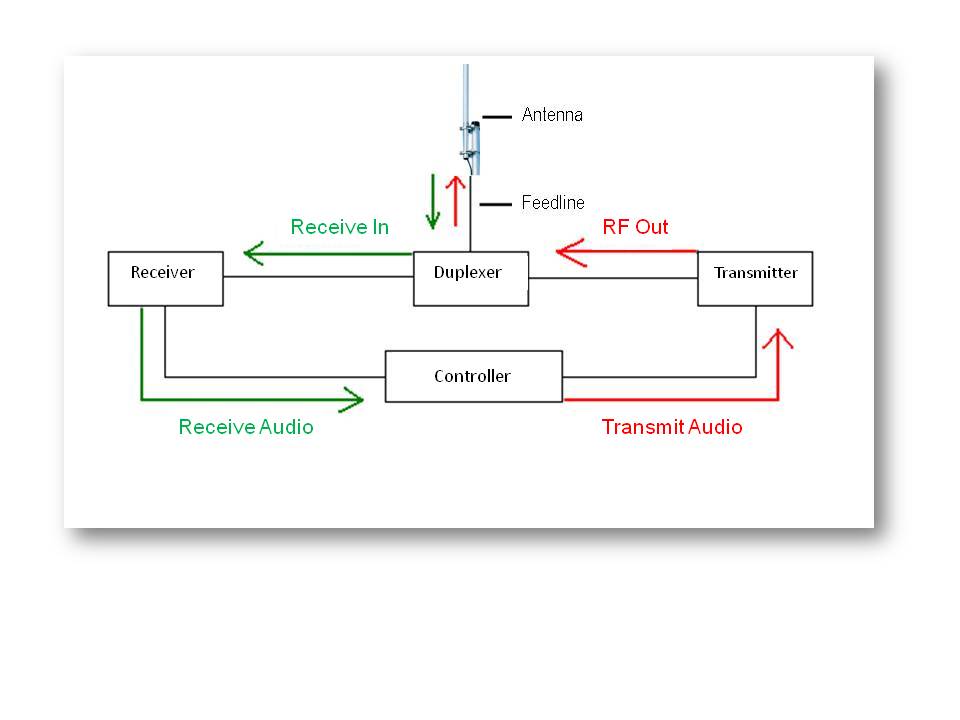
- Radio Repeaters: In the realm of two-way radio communication (e.g., walkie-talkies, amateur radio, emergency services), repeaters are fundamental. They allow radio users to communicate over much longer distances than direct line-of-sight communication would permit. A radio repeater, often located on a high vantage point like a mountain or tall building, listens for transmissions on one frequency and simultaneously retransmits them on another, thereby extending the range of mobile and handheld radios across vast geographical areas.
- Network Repeaters (Historical/Specialized): Historically, repeaters were used in wired Ethernet networks to extend segment lengths before switches and routers became prevalent. Today, fiber optic repeaters are still used in long-haul data transmission to regenerate optical signals, preventing degradation over thousands of kilometers.
Security and Performance Considerations
While repeaters offer significant benefits, it’s crucial to consider their implications for network security and overall performance. Proper placement is key to optimal performance; placing a repeater too far from the original signal source will result in it amplifying an already weak signal, offering little improvement. Conversely, placing it too close may not cover the desired area.
From a security standpoint, a repeater extends your network, meaning any device connecting through it is still part of your main network. It’s imperative that your repeater supports and utilizes the same robust security protocols (like WPA2 or WPA3) as your main router. Always keep your repeater’s firmware updated to patch any security vulnerabilities and change default login credentials. Ignoring these steps can inadvertently create a vulnerable entry point into your network, compromising your digital security.
Beyond Connectivity: The Ripple Effect on Brand, Productivity, and Prosperity
The impact of a repeater stretches far beyond simply boosting a signal. In our hyper-connected reality, reliable connectivity is a prerequisite for productivity, a cornerstone of brand reputation, and an enabler of financial opportunity.
Enhancing Productivity and Digital Security
For the modern professional, student, or even the digitally savvy homemaker, an uninterrupted internet connection is synonymous with productivity. A repeater directly contributes to this by:
- Ensuring Uninterrupted Workflow: Remote workers, freelancers, and online educators rely on stable Wi-Fi for video conferencing, accessing cloud-based applications, and seamless collaboration. Dropped connections due to dead zones translate directly into lost time and reduced output. A repeater ensures consistent access, fostering an environment where productivity thrives.
- Optimizing Smart Home Efficiency: As homes become smarter, devices like smart thermostats, security cameras, lighting systems, and voice assistants demand pervasive Wi-Fi coverage. A repeater ensures these gadgets remain connected and responsive, enhancing convenience and automating tasks that contribute to a more productive lifestyle.
- Reinforcing Digital Security: While extending a network can introduce potential vulnerabilities if not properly secured, a well-configured repeater, adhering to best practices like strong encryption and updated firmware, allows for secure network expansion. This means you can extend your network’s reach without compromising the digital security of your data or devices, a critical aspect in an era of increasing cyber threats.
Building a Strong Brand Identity Through Seamless Connectivity
For businesses, particularly those in hospitality, retail, or co-working spaces, providing reliable, high-speed internet is no longer a luxury but a fundamental expectation and a critical component of their brand identity.
- Elevating Customer Experience: Hotels, cafes, and restaurants that offer free Wi-Fi often find their reputation hinges on its quality. Dead zones or slow speeds can lead to frustrated customers and negative reviews. Deploying repeaters ensures pervasive, strong Wi-Fi, enhancing the customer experience and reinforcing a positive brand image.
- Boosting Operational Efficiency: For large corporate offices or retail chains, consistent connectivity across all departments and points of sale is vital. Repeaters enable seamless communication between devices, staff, and backend systems, improving operational efficiency and supporting the corporate identity of a streamlined, modern enterprise.
- Supporting Personal Branding: In the age of content creation, online portfolios, and personal branding, a strong internet connection is non-negotiable. For YouTubers, Twitch streamers, online coaches, or digital nomads, a reliable home network (often bolstered by a repeater) ensures consistent online presence, high-quality content delivery, and uninterrupted engagement, directly supporting their personal brand and professional reputation.
The Financial Sense: Investing in Reliable Infrastructure
When viewed through a financial lens, repeaters often represent a smart investment that yields significant returns, both for individuals and businesses.
- Cost-Effectiveness for Businesses: Rather than incurring the significant expense and disruption of running new Ethernet cables throughout a large building or installing multiple, costly wireless access points, strategically placed repeaters can provide a far more economical solution to coverage gaps. This translates to a higher ROI on network infrastructure, improving business finance.
- Enabling Online Income and Side Hustles: For anyone generating income online – whether through e-commerce, freelance work, online tutoring, or managing investments – a stable internet connection is paramount. Downtime or unreliable connectivity can directly translate into lost revenue or missed opportunities. Investing in a repeater ensures the consistent online presence necessary to support these online income streams and side hustles, safeguarding financial stability.
- Personal Finance Benefits: For individuals, a repeater can prevent costly cellular data overages by ensuring your devices remain connected to your home Wi-Fi, even in previously unreachable spots. Furthermore, by improving connectivity for streaming and entertainment, it optimizes your existing subscriptions and gadgets, ensuring you get full value from your digital investments. It’s a modest but impactful financial tool that enhances the value of your overall tech ecosystem.
Future Trends and Evolution: The Next Generation of Signal Extension
While standalone repeaters continue to serve a crucial function, the technology for signal extension is constantly evolving. Mesh Wi-Fi systems are increasingly becoming the go-to solution for comprehensive home coverage, offering more intelligent routing and a unified network experience. These systems, in essence, leverage multiple “nodes” that act as intelligent repeaters, forming a cohesive blanket of Wi-Fi.
However, the core concept of extending a signal remains vital. We can anticipate smarter repeaters integrating AI tools for automatic channel optimization and interference avoidance. As the Internet of Things (IoT) expands, demanding ubiquitous and robust connectivity for countless smart devices, the principles of signal amplification will continue to be refined and embedded into future networking solutions, ensuring our increasingly digital world remains seamlessly connected.
Conclusion
At its core, a repeater is a powerful yet often overlooked technological marvel that bridges the gaps in our digital landscape. From banishing frustrating Wi-Fi dead zones in our homes to enabling critical cellular communication in remote areas and supporting vital two-way radio networks, its function of receiving, amplifying, and retransmitting signals is fundamental to modern connectivity.
Beyond its technical role, the repeater’s impact reverberates through various facets of our lives. It empowers productivity for remote workers, safeguards digital security by extending secure networks, and underpins the seamless experience that defines strong corporate and personal brands. Financially, it represents a shrewd investment, preventing lost income, reducing costs, and maximizing the utility of our digital gadgets and services.
As our world becomes ever more reliant on robust, pervasive connectivity, the humble repeater, in its various forms and future evolutions, will continue to play a pivotal role in ensuring our digital lives remain uninterrupted, efficient, and truly boundless. It doesn’t just extend a signal; it extends our possibilities.
aViewFromTheCave is a participant in the Amazon Services LLC Associates Program, an affiliate advertising program designed to provide a means for sites to earn advertising fees by advertising and linking to Amazon.com. Amazon, the Amazon logo, AmazonSupply, and the AmazonSupply logo are trademarks of Amazon.com, Inc. or its affiliates. As an Amazon Associate we earn affiliate commissions from qualifying purchases.